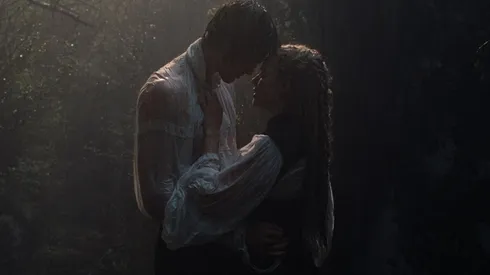
The divide between the critics’ circle and the ticket booth has rarely been more pronounced than with the release of the new “Wuthering Heights“. While social media remains a digital battlefield for Brontë purists and modernists alike, the box office numbers for this specific retelling tell a story of undeniable victory. With a staggering $114.1 million global haul, the film has managed to turn a storm of controversy into a whirlwind of profit, proving that the name of Emily Brontë’s masterpiece coupled with a polarizing vision is a potent recipe for success.
How ‘Wuthering Heights’ Defied the Critics to Strike Gold
The path to this nine-figure milestone was anything but smooth. Early screenings left critics fractured, with some praising the film’s visceral and gritty aesthetic while others lamented the departure from the novel’s traditional gothic atmosphere. This friction created a must-see curiosity that lured both curious newcomers and protective fans into theaters to judge the spectacle for themselves.

In an era where safe sequels often dominate the charts, the sheer boldness of this adaptation acted as its own marketing engine. The production didn’t shy away from its most controversial choices, including a contemporary soundtrack and a non-linear narrative structure that initially drew sharp rebukes from literary scholars. Instead of alienating the public, these risks seemed to invigorate the brand, positioning the movie as a cultural event rather than just another library-bound retelling.
International markets played a massive role in reaching the $114.1 million mark, with particularly high engagement in Europe and East Asia. These audiences appeared less concerned with the “sacrilege” of the adaptation and more captivated by the raw, high-stakes romance that remains the core of the story. The global appeal of the central toxic relationship suggests that the themes of obsession and revenge are universal, regardless of how much the director chooses to modernize the delivery.
Industry analysts are now looking at this success as a blueprint for future literary adaptations. By embracing the divide and leaning into a vision that prioritizes impact over accuracy, the studio has managed to capture a younger demographic that might have previously ignored a Brontë story. As the picture continues its theatrical run, the debate will likely only get louder, further fueling its momentum toward even higher financial heights.