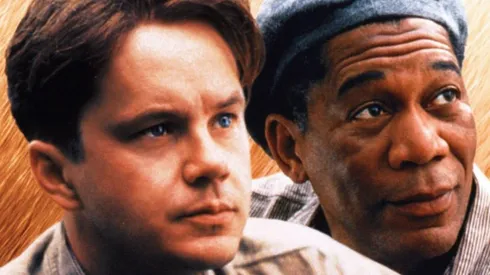
Success in theaters does not always define a film’s legacy. Over time, changing tastes, critical reassessments, and passionate fan followings have helped certain movies find the appreciation they initially lacked. What once seemed like costly misfires eventually earned recognition as influential and enduring works. Here are eighteen pictures that went from financial disappointments to undeniable classics.
The Big Lebowski (1998)

This Coen brothers dark comedy about an unemployed Los Angeles slacker known as “The Dude” was met with mixed reviews and modest commercial returns upon its release, confusing many mainstream viewers accustomed to more traditional narratives.
Over time, its endlessly quotable dialogue, surreal subplots, and charismatic performances fostered a massive global cult following, complete with annual conventions and its own tongue-in-cheek philosophy. The film was made for a budget of $15 million and earned around $46.1 million worldwide, an underwhelming performance that belied its eventual status as one of the most iconic comedies of the late 1990s.
Blade Runner (1982)
Ridley Scott’s dystopian science fiction masterpiece struggled commercially against lighter sci-fi films like E.T. the Extra-Terrestrial, with its dark, complex narrative, slow pace, and contested studio-mandated ending confusing many mainstream viewers upon release.
Over time, thanks to cable airings and the eventual release of the definitive Director’s Cut, the film’s stunning visual style, philosophical depth, and groundbreaking production design cemented its status as one of the most influential works of science fiction cinema. The film’s production budget was approximately $30 million, and it earned an initial US box office gross of only $27.6 million.
Fight Club (1999)
David Fincher’s nihilistic critique of consumer culture was met with poor box office performance and divisive reviews, primarily due to an aggressive marketing campaign that misrepresented the film as a conventional action movie and its controversial, dark subject matter.
The film’s eventual rise to classic status began almost immediately with its massive success on DVD, where its anti-establishment themes and iconic dialogue found an ardent, younger cult following. Against a hefty budget of $63 million, the film grossed approximately $37.1 million worldwide during its initial run.
Donnie Darko (2001)
Released shortly after the September 11 attacks, this unsettling sci-fi psychological thriller featuring a plane engine crash was barely released in theaters and was an outright box office bomb, failing to gain traction with audiences still processing real-world tragedy.
The unique, reality-bending story of teenage angst, time travel, and existential mystery, combined with a breakout performance by Jake Gyllenhaal, resonated powerfully with viewers on the home video circuit. On a micro-scale budget of $4.5 million, the movie finished its initial US theatrical run with a disappointing gross of about $517,375.
The Shawshank Redemption (1994)
Despite now topping nearly every “Greatest Films of All Time” list, Frank Darabont’s prison drama, adapted from a Stephen King novella, was a significant disappointment at the box office, struggling to find an audience when pitted against major releases that year. Its lack of immediate commercial appeal was largely attributed to a poor marketing campaign and a difficult-to-market title.
The film was produced with a budget of $25 million but only managed an initial theatrical gross of around $16 million; however, its subsequent success on home video and cable television transformed it into a beloved classic celebrated for its powerful themes of hope and perseverance.
The Thing (1982)
John Carpenter’s visceral horror-sci-fi adaptation received negative reviews and performed poorly at the box office, suffering from being released alongside the much more family-friendly alien movie E.T. that same summer.
Critics and audiences were unprepared for its relentless paranoia, bleak ending, and gruesome practical effects that were deemed excessive at the time. Reappraisal over the decades has elevated it to a high-water mark of the horror genre, now celebrated as a masterpiece of suspense. The film was made with an estimated budget of $15 million and only grossed around $13.7 million in US theaters.
Children of Men (2006)
Alfonso Cuarón’s dystopian masterpiece, set in a world grappling with two decades of human infertility, was acclaimed by critics for its gritty realism, profound themes, and revolutionary single-shot sequences. However, it struggled to find a mainstream audience during its initial theatrical run.
The film was produced on a budget of approximately $76 million but only managed to gross around $70 million worldwide, failing to recoup its production costs in theaters. Despite this, the film later found greater success on home video and streaming platforms, where its complex themes and visual style gained a devoted following.
Scott Pilgrim vs. the World (2010)
Director Edgar Wright’s hyper-stylized adaptation of the graphic novel series, blending comic book aesthetics with video game logic, was praised by critics for its kinetic energy and inventive visual style. Despite the acclaim, the film’s niche appeal and unconventional presentation failed to translate into a mainstream hit, resulting in a significant box office loss.
Produced for an estimated $85 million, the movie earned only about $47.8 million worldwide during its theatrical run. In the years that followed, strong home video sales, streaming exposure, and fan enthusiasm transformed it into a modern cult favorite.
Office Space (1999)
Mike Judge’s satire of white-collar mediocrity and corporate drone culture struggled to find an audience during its brief theatrical release, showing little immediate commercial impact. The film’s reputation was reshaped through its remarkable second life on home video and cable television, where it became a cultural touchstone for disaffected workers and office humor.
Made on a modest $10 million budget, Office Space earned only about $12.2 million worldwide in theaters, yet its legacy has endured through endless quotes, memes, and its iconic red stapler.
Citizen Kane (1941)
Often cited by critics as the greatest film ever made, Orson Welles’ directorial debut revolutionized cinema with its deep-focus cinematography and complex, non-linear storytelling. Its initial box office performance was undermined by a targeted campaign from newspaper magnate William Randolph Hearst, whose publications largely refused to promote the film, limiting its exposure and commercial potential.
Produced for $839,727, the film earned approximately $1 million at the US box office during its original run, a disappointing result at the time. In the decades since, Citizen Kane has been reevaluated and celebrated as one of the most influential and important films in cinema history.
It’s a Wonderful Life (1946)
Frank Capra’s timeless Christmas drama, starring James Stewart as the despairing George Bailey, was a box office disappointment for RKO Radio Pictures, falling short of covering its production costs during its initial release. The film’s challenging themes of existential dread and suicide may have deterred post-war audiences seeking lighter fare, and its relatively modest performance in theaters initially contributed to its financial struggles.
However, its eventual lapse into the public domain in the 1970s led to ceaseless television airings every holiday season, where it found its true audience and became a holiday classic. The movie was produced on a budget of approximately $3.18 million and earned around $3.3 million in its initial theatrical release. While the film didn’t recoup its production costs initially, it is now one of the most beloved and enduring films of all time.
Willy Wonka & the Chocolate Factory (1971)
This beloved musical fantasy, featuring Gene Wilder’s iconic performance, was not a commercial success upon its theatrical debut and was considered a failure by its distributors, Paramount Pictures. The film’s limited and ineffective marketing campaign, coupled with mixed critical reception, contributed to its underperformance.
However, Willy Wonka & the Chocolate Factory eventually found a massive audience and cult following thanks to repeated annual television broadcasts and phenomenal success in the home video market. Produced on a modest budget of $3 million, the movie earned approximately $4 million at the worldwide box office during its initial release. Despite its underwhelming performance at first, it has since become a much-loved classic.
Brazil (1985)
Terry Gilliam’s surreal, dystopian sci-fi masterpiece was famously caught in a severe distribution battle with Universal Pictures studio head Sid Sheinberg, who demanded major cuts to give it a more marketable “happy ending.” The contentious fight over the final cut severely limited the film’s theatrical release in the U.S., despite its positive critical reception.
This battle contributed to the film’s underperformance at the box office, but it later achieved cult status. The movie was made on an estimated budget of $15 million and earned a modest $9.9 million at the U.S. box office. While it didn’t fare well commercially at the time, Brazil is now considered a landmark film for its unique narrative style and dystopian vision.
Waterworld (1995)
Infamously known as the most expensive film ever made at the time, this Kevin Costner-led post-apocalyptic epic faced massive cost overruns, production difficulties on the open sea, and poor press, earning it the nickname “Fishtar.” While it grossed over its production budget worldwide, its massive total outlay, including marketing costs, meant it failed to break even during its theatrical run.
Despite its initial struggles, Waterworld has since gained a strong following due to its ambitious scope and production design. The film was produced on a massive budget of $172 million but only earned a worldwide box office gross of $264.2 million. When factoring in marketing and other expenses, the film was a financial disappointment during its theatrical run, though it later found success in the home entertainment market.
Zodiac (2007)
David Fincher’s meticulous, process-driven procedural about the hunt for the Zodiac Killer was critically hailed as a masterpiece upon release for its historical accuracy, suspense, and slow-burn approach. However, the film failed to become a major box office draw due to its lengthy run time, complex narrative structure, and lack of conventional action, which hindered its appeal to a wider audience.
The movie was made on an estimated budget of $65 million and earned $84.7 million at the worldwide box office, which was underwhelming considering its critical acclaim. While Zodiac didn’t perform well commercially, it has since been regarded as one of the best crime thrillers of the 2000s and a critical darling.
Harold and Maude (1971)
Hal Ashby’s dark, romantic comedy about the unlikely relationship between a death-obsessed young man and a life-affirming 79-year-old woman received poor initial reviews and struggled commercially upon release, with Paramount Pictures unsure how to market its subversive themes and unconventional tone.
The film’s offbeat sensibility and bleak humor alienated many mainstream audiences at the time. However, it gradually found a passionate following through midnight-movie screenings across the United States, transforming it into a definitive cult classic celebrated for its unique blend of dark humor and emotional depth. Made on a modest budget of approximately $1.1 million, the film earned around $1.18 million during its initial theatrical run.
Heaven’s Gate (1980)
Michael Cimino’s ambitious Western epic became one of the most infamous financial disasters in Hollywood history and played a major role in the collapse of United Artists, marking a turning point in how studios approached director autonomy. Massive cost overruns, an extended runtime, and scathing initial reviews contributed to its disastrous box office performance.
In the decades since, the film has undergone significant critical re-evaluation, particularly following the release of restored cuts that highlighted its sweeping visuals, meticulous craftsmanship, and thematic ambition. Its budget reportedly ballooned to as much as $44 million, while its initial U.S. box office gross amounted to only about $3.5 million.
Fear and Loathing in Las Vegas (1998)
Terry Gilliam’s chaotic adaptation of Hunter S. Thompson’s cult novel polarized critics and struggled commercially upon release, with its frenetic structure and hallucinatory visuals proving challenging for general audiences. While the film failed to make an impact at the box office, it gradually built a devoted following among fans of Thompson’s work and admirers of Gilliam’s visual ambition, particularly through home video.
Produced on an estimated $20 million budget, the film earned approximately $20.4 million worldwide, but its cultural reputation has grown substantially in the years since.