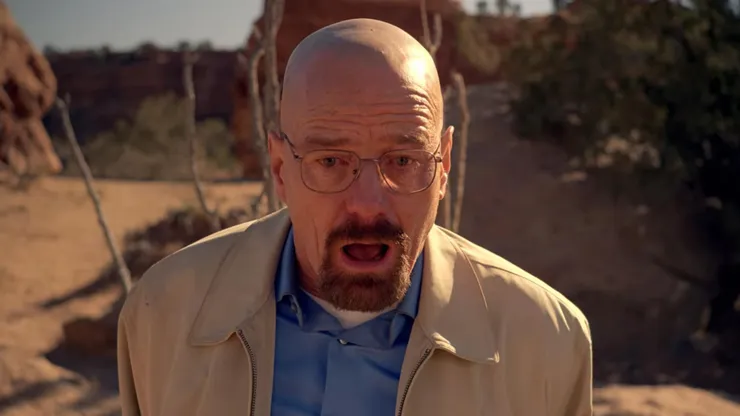
Television history is marked by certain hours that transcend their time slots. These episodes shift tone, deepen mythology, or take creative risks that transform a series from solid to unforgettable. In some cases, they corrected a struggling show’s course; in others, they elevated an already successful drama or comedy into cultural phenomenon territory.
Breaking Bad — “Ozymandias” (Season 5, Episode 14)
IMDb
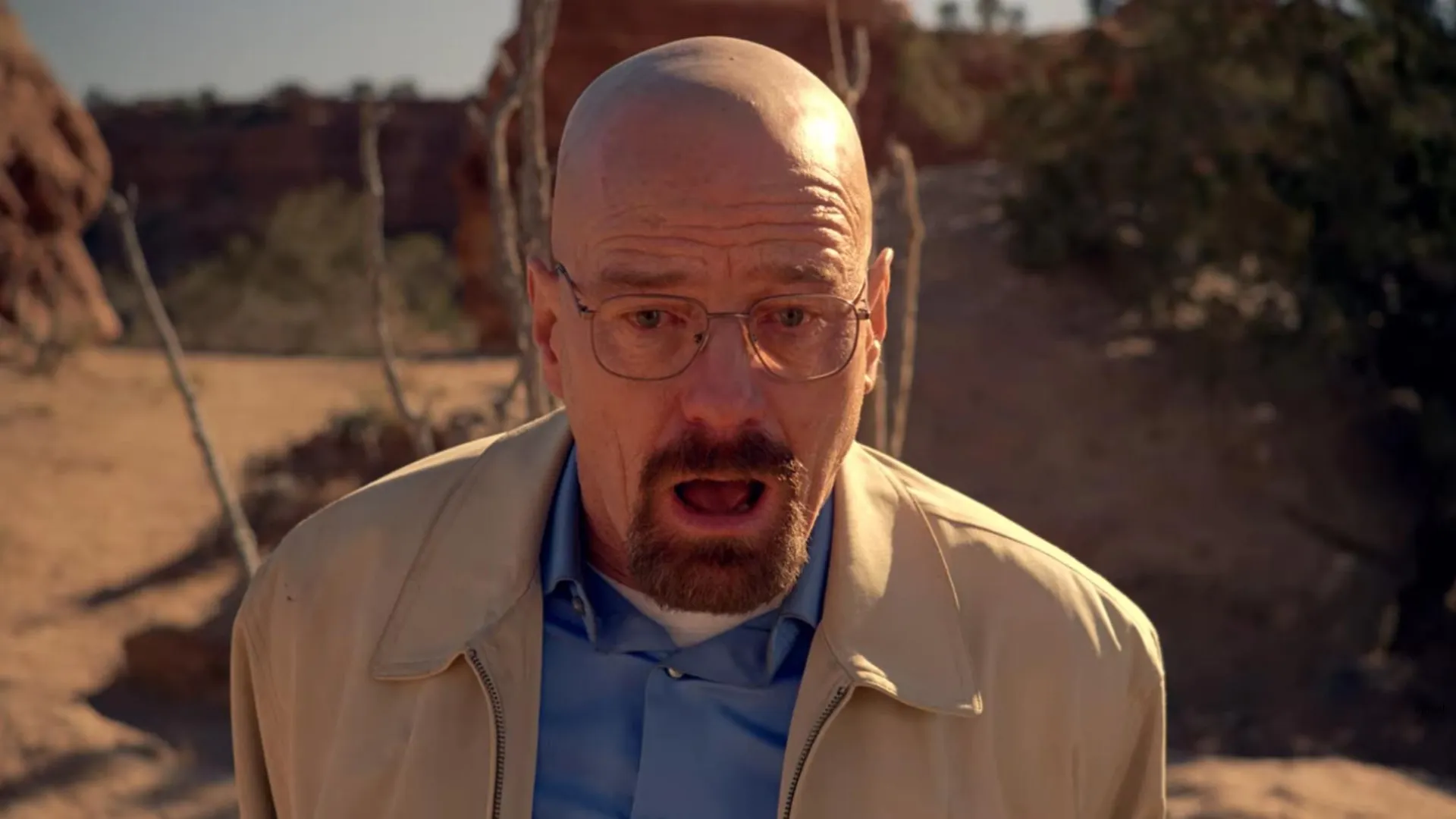
Widely regarded as one of the greatest television episodes ever produced, “Ozymandias” marked the irreversible collapse of Walter White’s empire. Directed by Rian Johnson and written by Moira Walley-Beckett, the episode dismantles Walt’s carefully constructed identity in brutal fashion, culminating in the destruction of his family and the loss of his power. Its relentless pacing and emotional devastation reframed the series from a crime saga into a full-scale tragedy. After this hour aired in 2013, there was no ambiguity left about Walter’s moral descent.
Game of Thrones — “The Rains of Castamere” (Season 3, Episode 9)
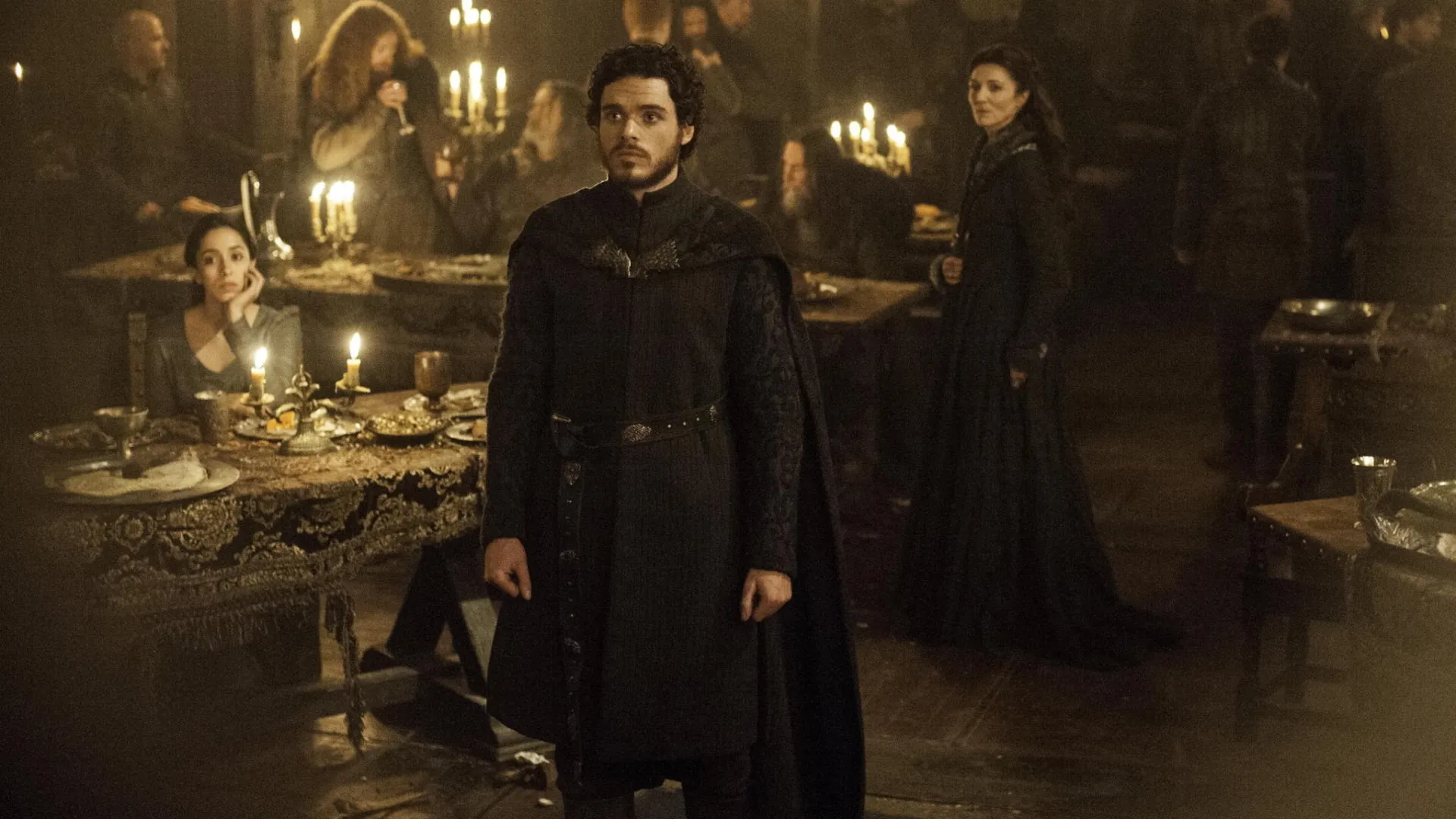
Better known as “The Red Wedding,” this episode shattered the assumption that central protagonists were safe. By killing off Robb Stark, Catelyn Stark, and much of the Northern leadership in one shocking sequence, the series established genuine narrative danger. Adapted from George R. R. Martin’s novels, the installment intensified global attention on the show and cemented its reputation for ruthless storytelling. It fundamentally altered the political landscape of Westeros and the tone of the series moving forward.
Friends — “The One Where Everybody Finds Out” (Season 5, Episode 14)
IMDb
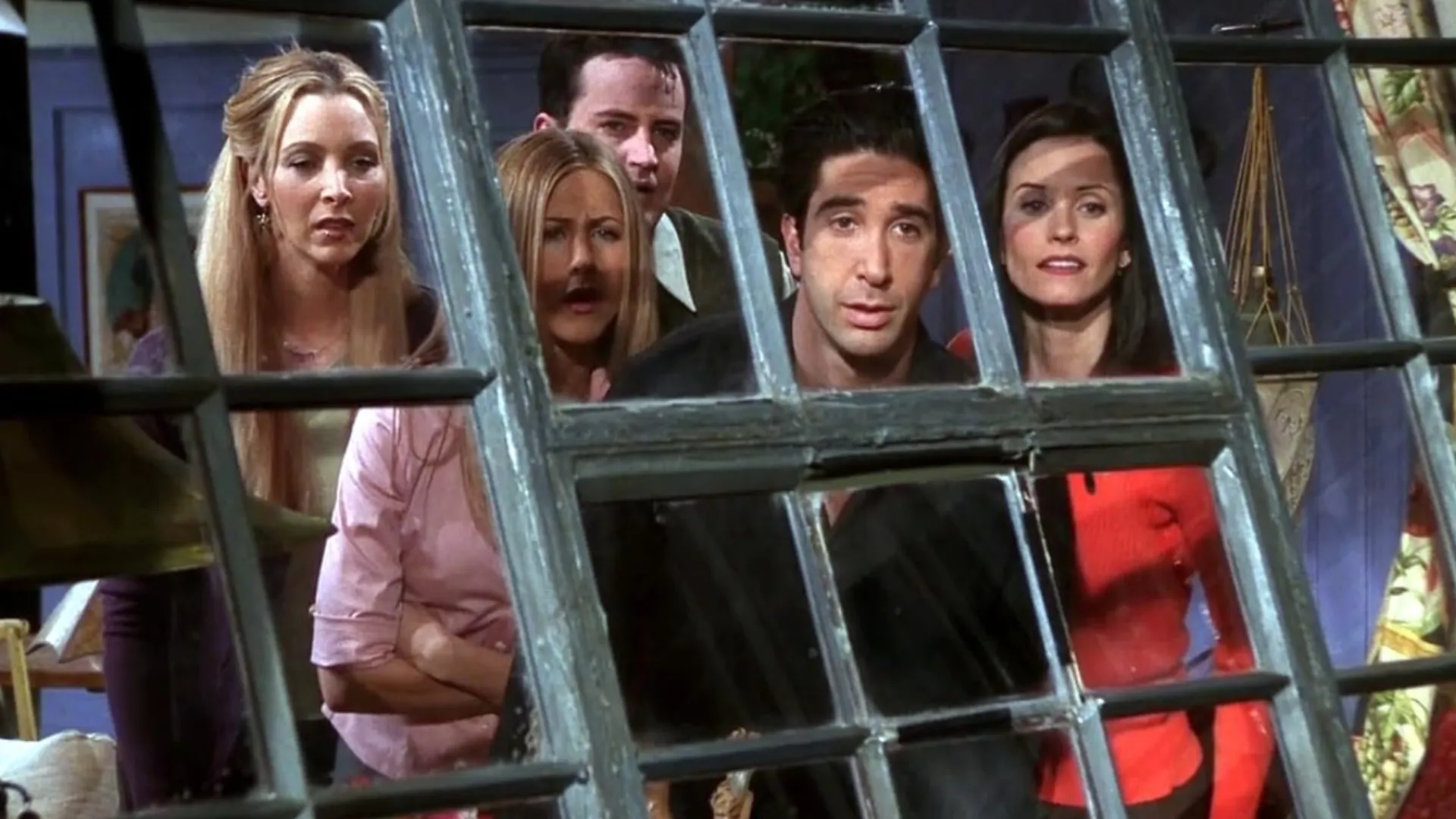
This fan-favorite episode exposed the secret relationship between Monica and Chandler, transitioning their romance from a hidden subplot to a central pillar of the series. Rather than treating the pairing as a temporary twist, the writers leaned into its emotional and comedic potential. The reveal strengthened the show’s long-term character arcs and gave the ensemble renewed energy in its later seasons. It demonstrated that sitcoms could evolve relationships without sacrificing humor.
The Sopranos — “College” (Season 1, Episode 5)

IMDb
“College” proved that prestige television could portray morally complex antiheroes without compromise. In the episode, Tony Soprano takes his daughter Meadow on a campus tour while simultaneously tracking down and murdering a former informant. The juxtaposition of suburban parenting and cold-blooded violence crystallized the show’s thematic ambition. Airing in 1999, it signaled a shift in television drama and helped lay the foundation for the modern antihero era.
The Office (U.S.) — “Casino Night” (Season 2, Episode 22)
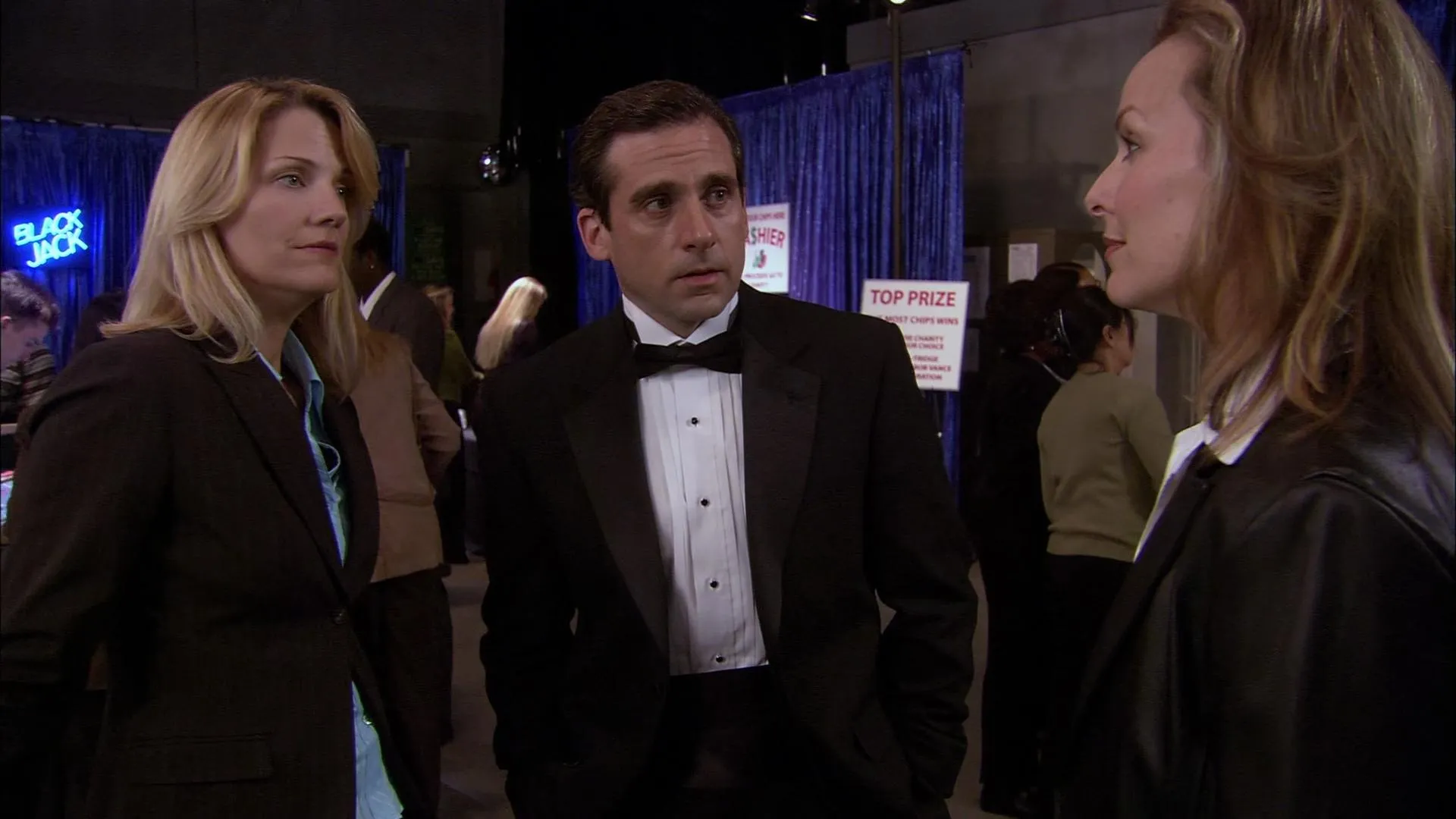
The Season 2 finale transformed The Office from a quirky workplace comedy into a character-driven romantic series. Jim Halpert’s confession of love to Pam Beesly added emotional stakes that would shape multiple seasons. The episode balanced cringe humor with genuine vulnerability, broadening the show’s appeal. From this point on, the Scranton branch wasn’t just a setting for jokes—it became the backdrop for evolving relationships that anchored the series.
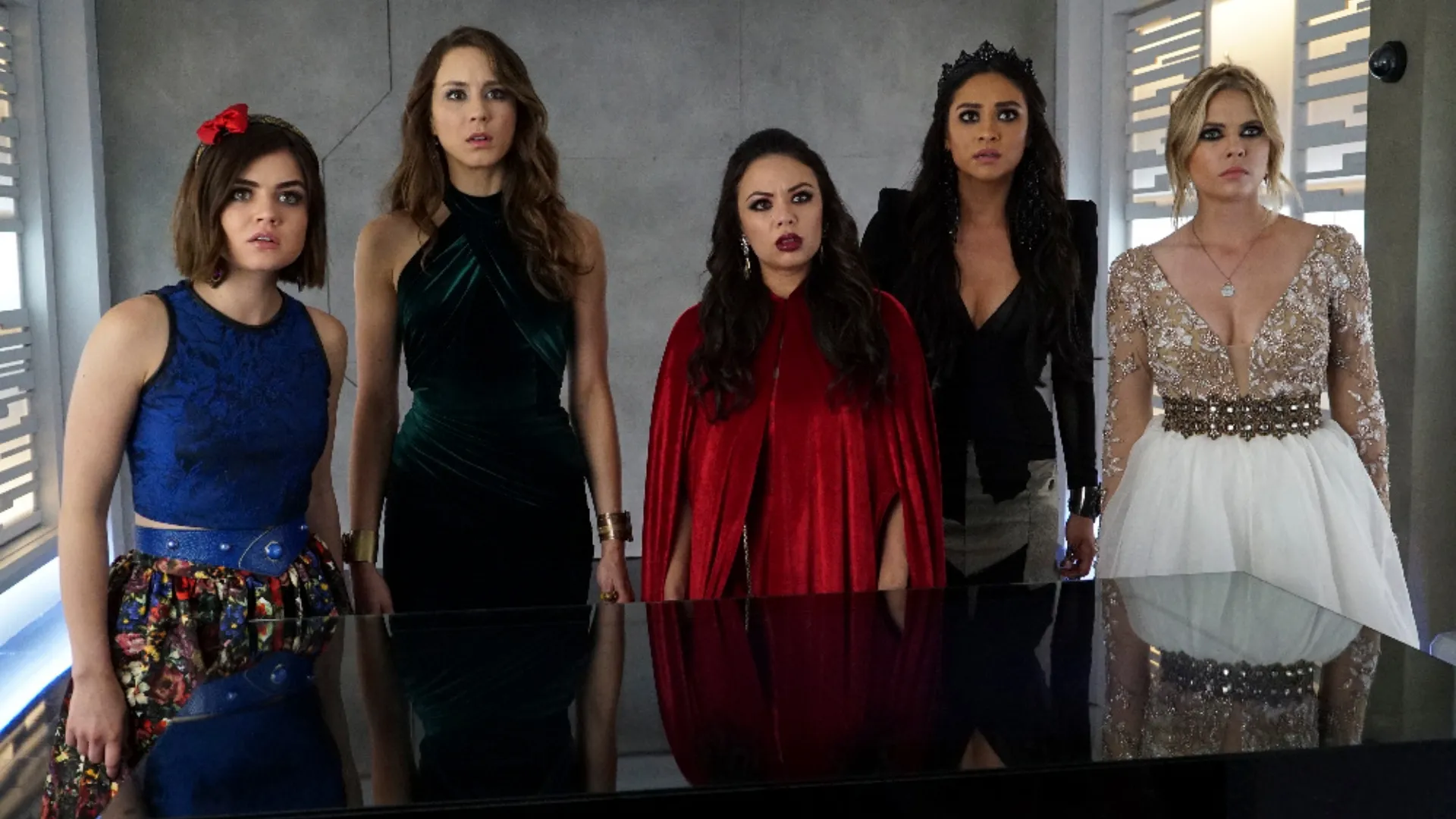
Pretty Little Liars — “Game Over, Charles” (Season 6, Episode 10)
IMDb
After years of cryptic messages and escalating torment, Pretty Little Liars delivered one of its most anticipated reveals in “Game Over, Charles.” The episode confirms that “A” is Charlotte DiLaurentis, born Charles DiLaurentis, fundamentally reshaping the mystery that had driven the series since 2010. By tying the antagonist to the DiLaurentis family, the show reframed earlier clues and deepened its mythology. The mid-series reveal also marked a structural turning point, leading into a five-year time jump and a more mature narrative direction.
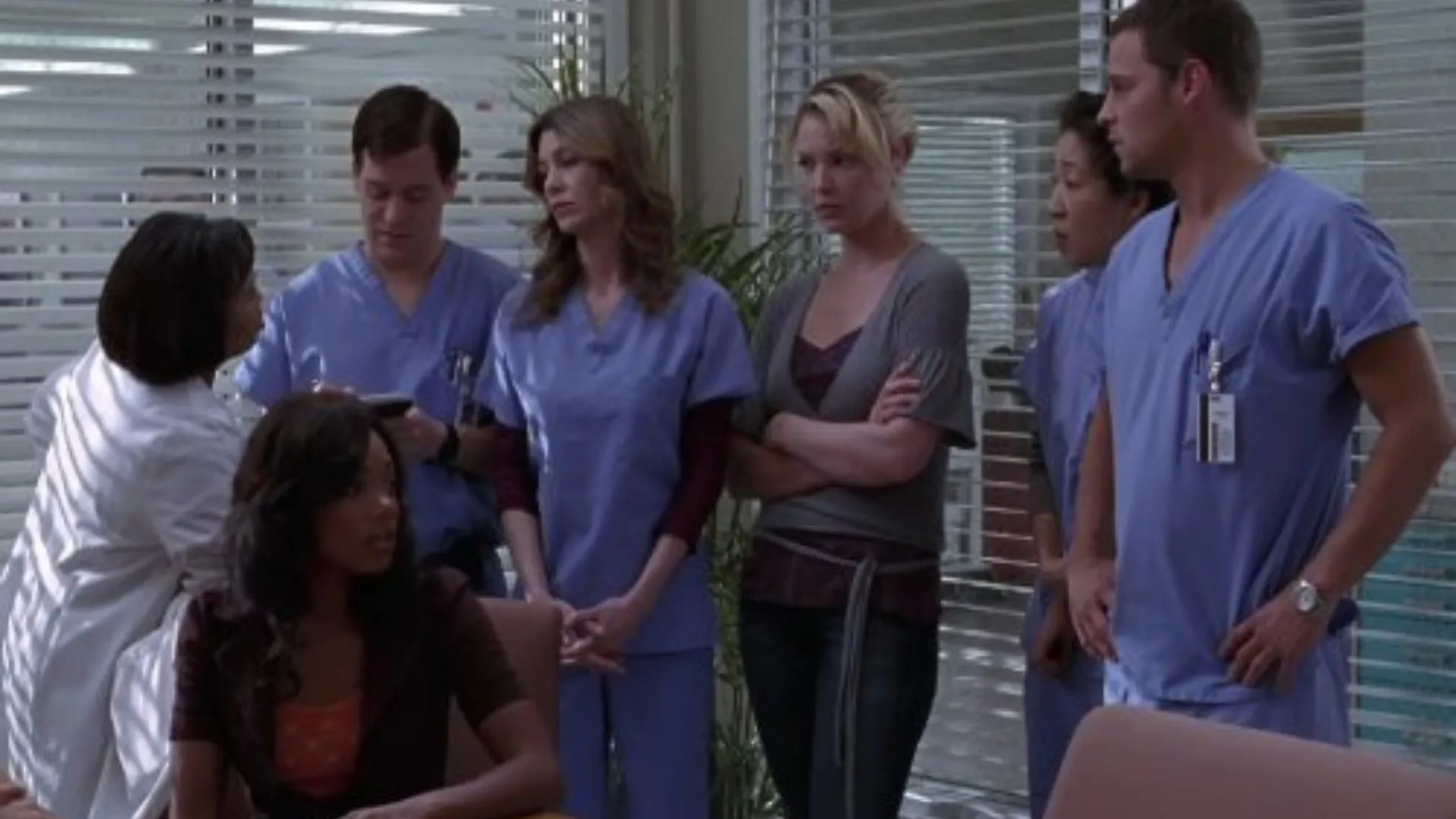
Grey’s Anatomy — “Losing My Religion” (Season 2, Episode 27)
IMDb
The Season 2 finale culminates in the death of Denny Duquette and cements Meredith Grey’s complicated emotional trajectory. Izzie Stevens’ desperate attempt to save Denny altered the ethical tone of the hospital drama, pushing it into riskier moral territory. The episode solidified the show’s reputation for high-stakes emotional storytelling and demonstrated that romantic arcs could end in devastating loss. From that point forward, viewers understood that no character was insulated from tragedy.
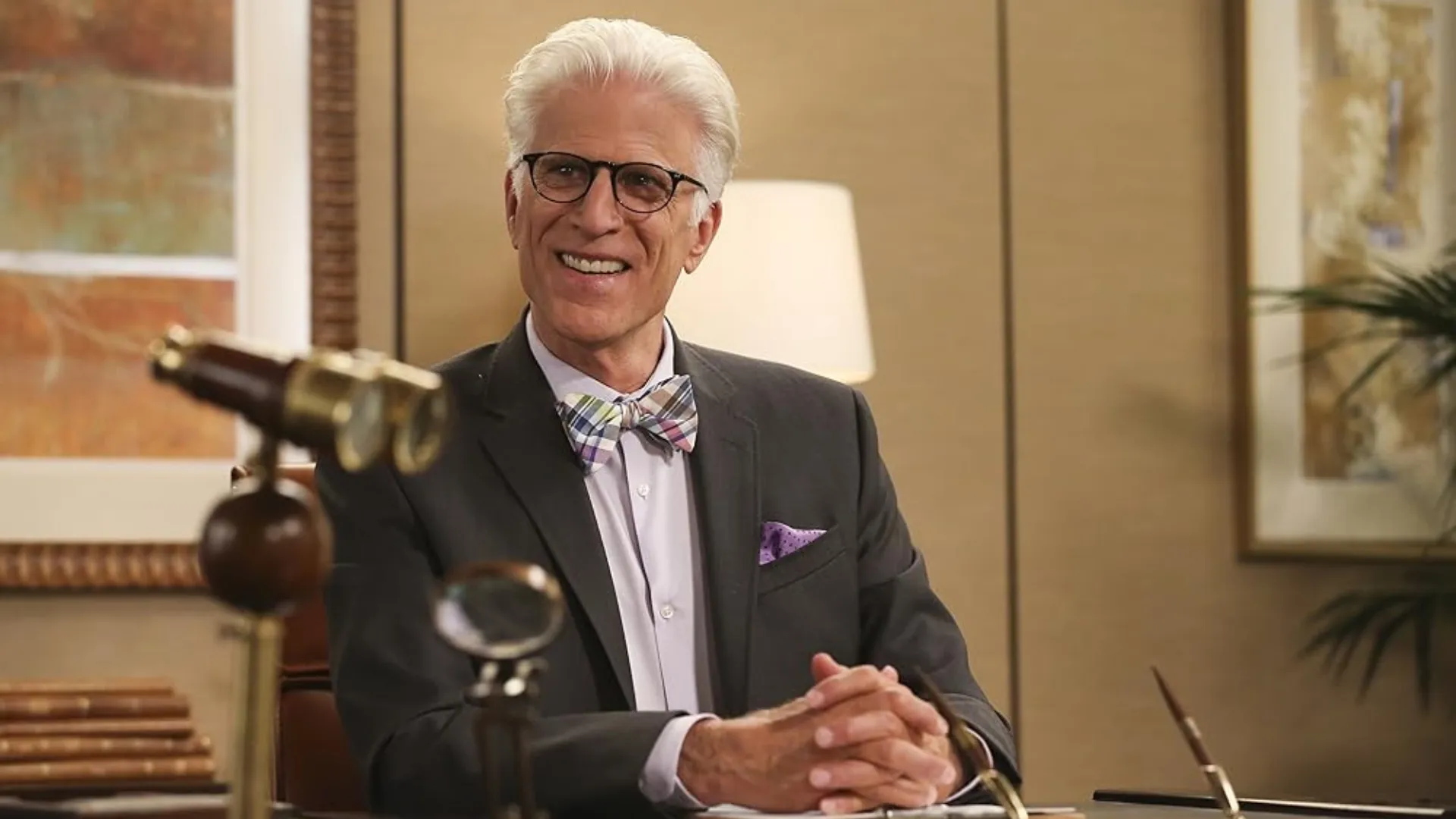
The Good Place — “Michael’s Gambit” (Season 1, Episode 13)
IMDb
The first-season finale delivered a twist that instantly redefined the premise: Eleanor realizes they were in the Bad Place all along. What initially appeared to be a quirky afterlife comedy revealed itself as an intricately constructed psychological experiment. The twist allowed the series to reset its narrative engine while exploring deeper philosophical themes about morality and growth. It elevated the show from clever sitcom to high-concept storytelling.
Lost — “Through the Looking Glass” (Season 3, Episode 22/23)

IMDb
The two-part Season 3 finale stunned audiences with its now-iconic flash-forward reveal. Jack’s desperate declaration—“We have to go back!”—upended the show’s narrative structure, proving that the island story was not confined to survival drama alone. By shifting from flashbacks to glimpses of the future, the series expanded its scope and revived critical enthusiasm. The episode recalibrated audience expectations and deepened the overarching mythology.
Buffy the Vampire Slayer — “The Body” (Season 5, Episode 16)

IMDb
“The Body” stands apart for its unflinching depiction of sudden loss following the death of Buffy’s mother, Joyce Summers. Eschewing a musical score and supernatural spectacle, the episode focuses on the raw disorientation of grief. Its realism contrasted sharply with the show’s fantasy elements, underscoring the human stakes beneath the supernatural battles. The installment demonstrated that genre television could confront mortality with sobering authenticity and lasting emotional impact.
The West Wing — “Two Cathedrals” (Season 2, Episode 22)
IMDb
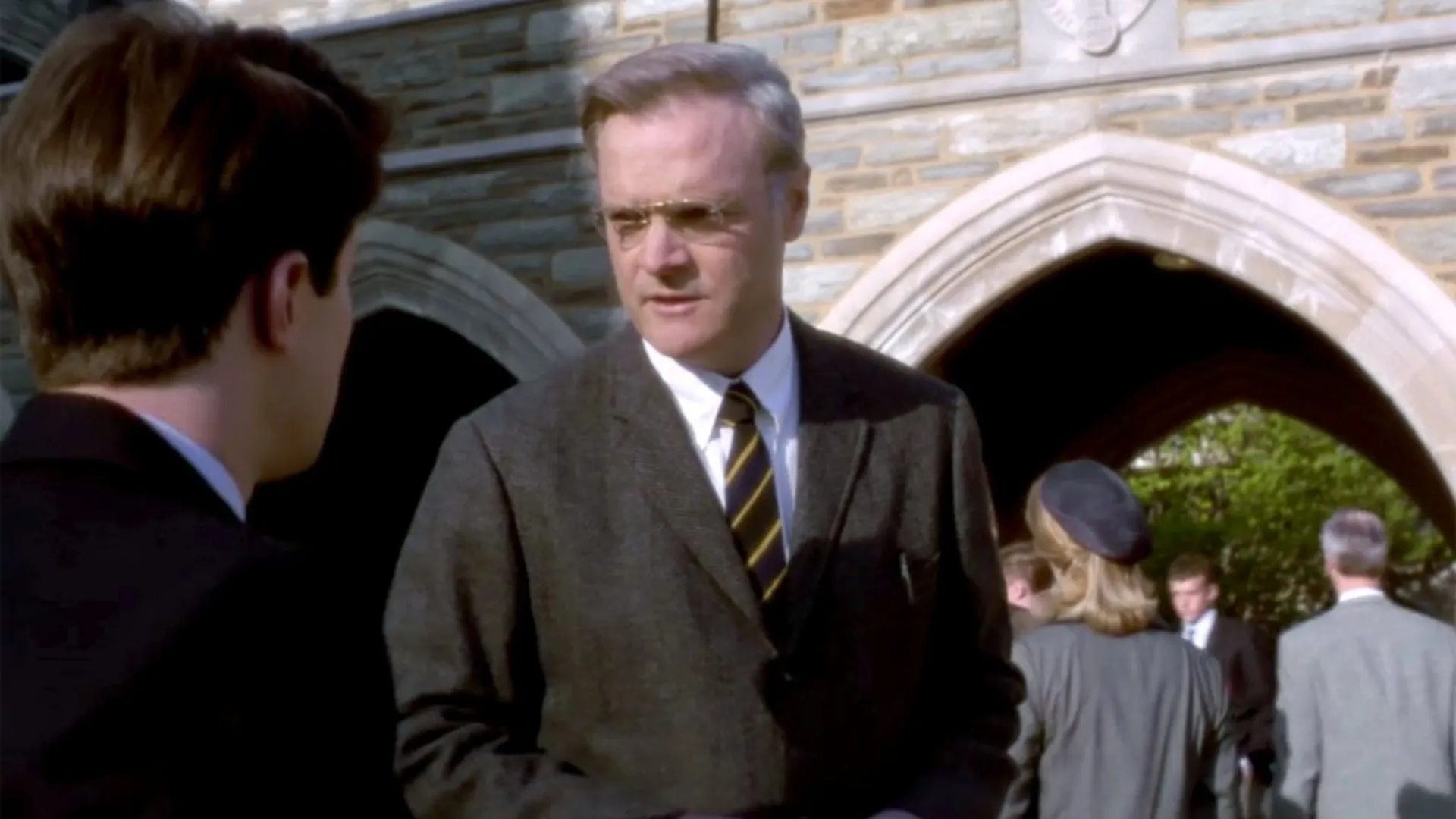
Aaron Sorkin’s Season 2 finale redefined the political drama by blending personal grief with presidential resolve. As President Jed Bartlet grapples with the death of Mrs. Landingham and the revelation of his multiple sclerosis, the episode builds toward his decision to seek reelection. The Latin monologue delivered in the National Cathedral remains one of television’s most powerful character moments. “Two Cathedrals” transformed the series from an idealistic workplace drama into a meditation on leadership and accountability.
The Simpsons — “Marge vs. the Monorail” (Season 4, Episode 12)

IMDb
Written by Conan O’Brien, this episode elevated The Simpsons into sharper satirical territory. The absurd monorail scheme, fronted by charismatic con man Lyle Lanley, showcased the show’s ability to critique civic gullibility while delivering rapid-fire humor. It expanded the series’ comedic ambition beyond domestic storylines into broader cultural parody. The installment helped define the program’s golden era and its lasting influence on animated comedy.
Mad Men — “The Suitcase” (Season 4, Episode 7)
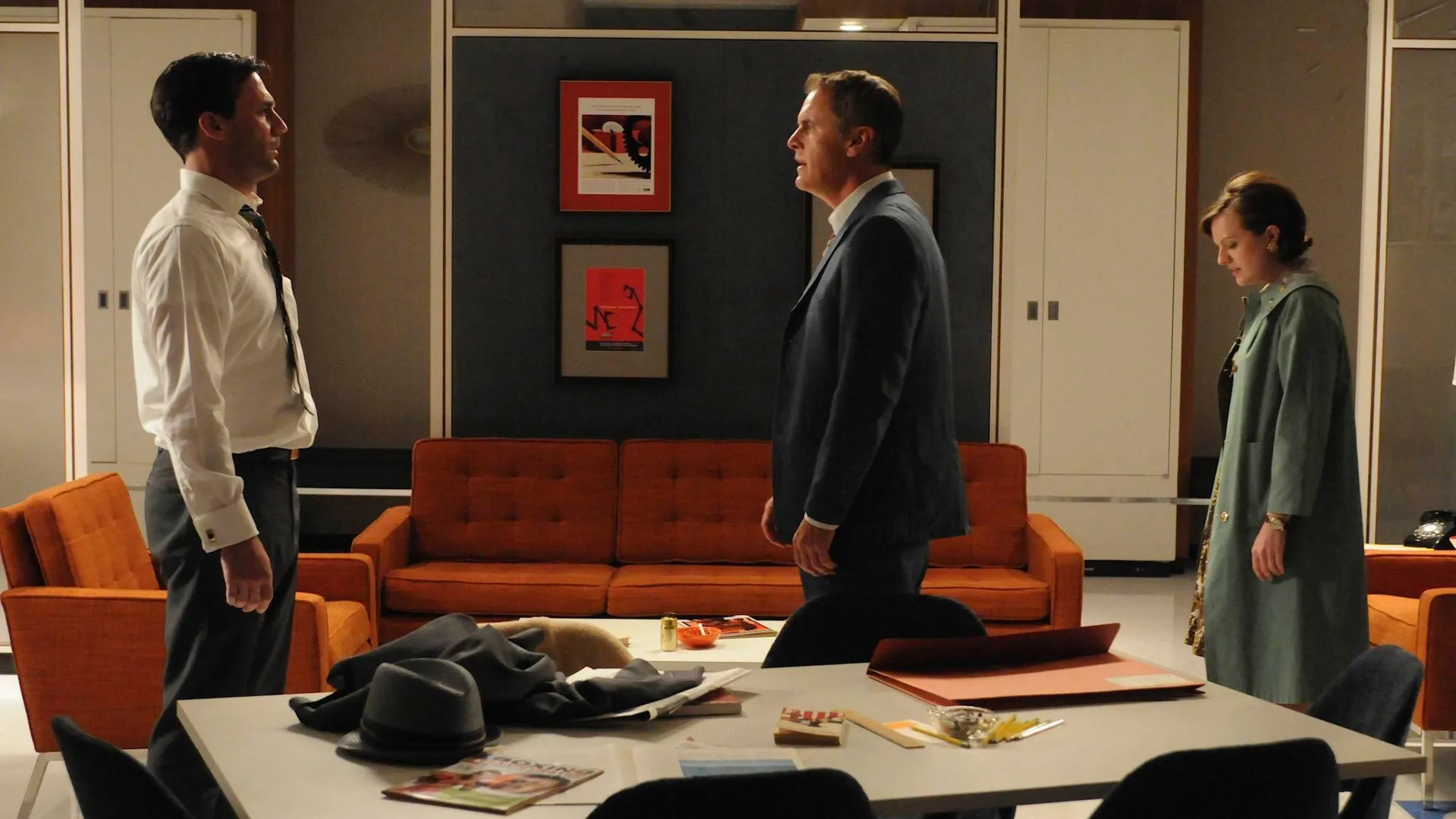
Centered almost entirely on Don Draper and Peggy Olson, “The Suitcase” distilled the show’s emotional core. As the pair work late into the night on a Samsonite campaign, personal barriers collapse and professional tension reaches a breaking point. The episode strips away office spectacle to focus on mentorship, ego, and vulnerability. It reframed the series as an intimate character study rather than solely a period workplace drama.
The Mandalorian — “Chapter 16: The Rescue” (Season 2, Episode 8)

IMDb
The Season 2 finale reshaped the trajectory of the Star Wars streaming era. Din Djarin’s mission to save Grogu culminates in the surprise arrival of Luke Skywalker, bridging generations of the franchise. The moment signaled Disney+’s willingness to connect legacy characters with new storytelling arcs. It elevated the series from standalone adventure to a central pillar of modern Star Wars continuity.
Succession — “All the Bells Say” (Season 3, Episode 9)

IMDb
In this finale, the Roy siblings attempt to block their father Logan from selling Waystar Royco, only to be outmaneuvered in devastating fashion. Tom Wambsgans’ betrayal marks a seismic shift in alliances and power dynamics. The episode reframed the show’s central conflict, exposing the fragility of familial loyalty in the face of corporate ambition. After this turning point, the series moved toward its endgame with newly sharpened stakes.
The X-Files — “The Post-Modern Prometheus” (Season 5, Episode 5)
IMDb
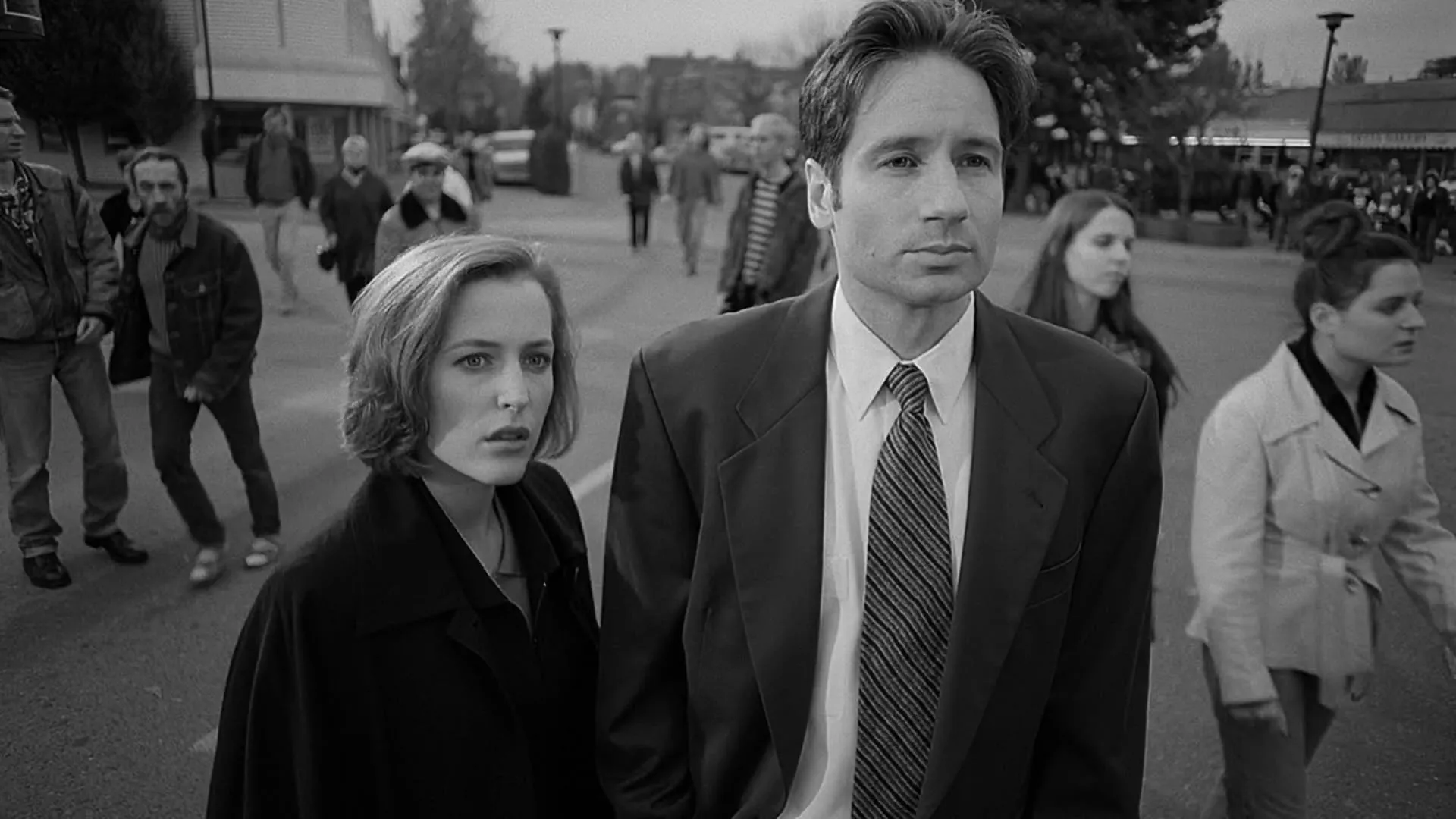
Shot in striking black-and-white and inspired by classic monster movies, this episode showcased the series’ willingness to experiment stylistically. Blending horror, humor, and social commentary, it departed from the procedural tone that defined many early installments. The unconventional narrative and musical finale demonstrated that The X-Files could stretch beyond conspiracy mythology into genre-bending storytelling. It expanded the creative possibilities of what the show could be.
The Walking Dead — “The Grove” (Season 4, Episode 14)

IMDb
Focused almost entirely on Carol, Tyreese, and two young sisters, this episode delivered one of the drama’s bleakest moral reckonings. Carol’s decision to kill Lizzie after recognizing her dangerous instability reframed Carol from survivor to hardened protector. The installment stripped away large-scale action in favor of intimate, devastating character drama. It marked a turning point in how the series portrayed psychological survival in a collapsed world.
Sherlock — “A Scandal in Belgravia” (Season 2, Episode 1)

IMDb
Introducing Irene Adler in a modernized adaptation of Arthur Conan Doyle’s work, this episode deepened Sherlock Holmes’ emotional complexity. Rather than presenting him as purely analytical, it explored vulnerability and romantic tension. The sleek direction and sharp writing elevated the show’s global profile and sharpened its character dynamics. It proved the series could balance cerebral mystery with emotional intrigue.
This Is Us — “Super Bowl Sunday” (Season 2, Episode 14)

The long-anticipated episode detailing Jack Pearson’s death confirmed that the family patriarch died from cardiac arrest caused by smoke inhalation after a house fire. By finally revealing the exact circumstances, the series provided narrative closure while deepening its exploration of grief and legacy. The broadcast aired immediately after Super Bowl LII, drawing massive viewership and cultural conversation. It crystallized the show’s identity as a generational family drama rooted in emotional authenticity.
Stranger Things — “The Battle of Starcourt” (Season 3, Episode 8)

IMDb
The Season 3 finale escalated the scale of the series with a climactic showdown beneath the Starcourt Mall. The apparent death of Jim Hopper and the Byers family’s decision to leave Hawkins fractured the core group for the first time. The episode expanded the show’s geopolitical scope by introducing a Russian post-credits twist, signaling a broader narrative canvas. It transitioned Stranger Things from nostalgic homage into a more expansive sci-fi saga.