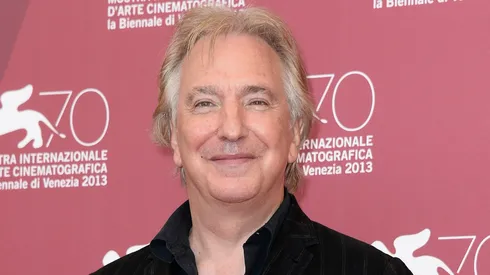
The void left by Alan Rickman’s passing on January 14, 2016, is one that has not been filled, nor is it likely to be. He possessed a rare, gravitational authority—a combination of that unmistakable languid velvet voice and a gaze that could convey scathing disdain or profound vulnerability with the slightest flicker of an eyelid.
While many actors are content to play themselves, Rickman was a master of the interior life, finding the humanity in monsters and the complexity in heroes. A decade after his final bow, we look back at the definitive roles that captured our imaginations, reminding us why the screen feels just a little bit emptier without his singular presence.
Hans Gruber in Die Hard (1988)

In his feature film debut, Rickman fundamentally altered the blueprint of the Hollywood blockbuster antagonist. Moving away from the era’s penchant for hulking brutes, he portrayed the sophisticated, silk-suited exceptional thief with a terrifyingly calm intelligence. Despite being his first foray into cinema after a successful stage career, Rickman’s Gruber became the gold standard for movie villains, famously performing his own stunts—including the iconic 70-foot drop—which cemented the picture as a permanent fixture in the action genre.
Severus Snape in the Harry Potter Series (2001–2011)
Perhaps no role in the 21st century relied so heavily on an actor’s internal life as Rickman’s portrayal of the Potions Master. Across eight films, he navigated a complex moral labyrinth, armed with a slow, deliberate cadence that made every syllable feel like a threat or a secret. It was only after the final installment that audiences fully grasped the heartbreaking nuance he had been layering into the performance from day one, guided by private insights shared with him by author J.K. Rowling long before the books were finished.
The Sheriff of Nottingham in Robin Hood: Prince of Thieves (1991)
Rickman famously agreed to take this role only on the condition that he be given total creative freedom to interpret the character, a decision that resulted in a masterclass of scene-stealing camp. He infused the Sheriff with a manic, splenetic energy, delivering lines about cutting hearts out with spoons with a drollery that far outshone the film’s earnest hero. His performance earned him a BAFTA for Best Supporting Actor, proving that a truly great artist can elevate even the most traditional adventure story into something memorable and subversive.
Colonel Brandon in Sense and Sensibility (1995)
Breaking away from his villain archetype, Rickman showcased his profound capacity for stillness and romantic yearning in this Ang Lee-directed Jane Austen adaptation. As the honorable, world-weary Colonel Brandon, he provided the film’s emotional anchor, using his signature baritone to convey a quiet, steadfast devotion. It remains a fan-favorite performance that highlighted his ability to be incredibly tender on screen, proving he was just as capable of winning hearts as he was of breaking them.
Alexander Dane in Galaxy Quest (1999)
In this cult-classic sci-fi satire, Rickman played a classically trained Shakespearian actor trapped in the legacy of a Spock-like alien character. The role allowed him to poke fun at his own professional dignity, delivering the catchphrase “By Grabthar’s Hammer” with a soul-crushing weariness that eventually transformed into genuine, heroic conviction. It is widely considered one of the greatest comedic performances of his career, perfectly balancing dry cynicism with an unexpected emotional payoff.
Jamie in Truly, Madly, Deeply (1990)
A bit after he became an international superstar, Rickman starred in this poignant, supernatural indie drama about a woman grieving her late partner. Appearing as a ghost who returns to comfort his lover, his portrayal of Jamie is intimate, messy, and deeply moving, eschewing Hollywood clichés for a realistic look at love and loss. The film serves as a reminder of Rickman’s roots in British independent cinema and his rare ability to make the fantastical feel entirely domestic and relatable.
Harry in Love Actually (2003)
While the film is often celebrated for its festive cheer, Rickman’s storyline provides its most grounded and painful reality. As a husband whose mid-life lapse in judgment leads to a heartbreaking betrayal, he captures the agonizing awkwardness of guilt and the slow erosion of a long-term marriage. His chemistry with Emma Thompson—a frequent collaborator and dear friend—turns a standard holiday ensemble piece into a devastatingly human portrait of domestic frailty.
Metatron in Dogma (1999)
Casting Alan Rickman as the voice and messenger of God was a stroke of genius that utilized his authoritative presence for comedic brilliance. As the cynical, flame-retardant angel Metatron, he navigated Kevin Smith’s irreverent theological landscape with a perfect blend of celestial exhaustion and dry wit. It remains one of his most unique roles, requiring him to deliver dense exposition and sharp barbs while literally glowing, further proving his fearlessness in choosing unconventional projects.
Judge Turpin in Sweeney Todd: The Demon Barber of Fleet Street (2007)
Working with Tim Burton, Rickman leaned into a dark, predatory form of villainy as the corrupt Judge Turpin. This role allowed him to showcase his musical theater background, performing Stephen Sondheim’s complex scores with a sinister, operatic flair. His duet with Johnny Depp, “Pretty Women,” stands as a chilling highlight of the film, as Rickman’s deep vocals underscore the character’s chilling lack of morality and obsessive nature.
Grigori Rasputin in Rasputin: Dark Servant of Destiny (1996)
This HBO television film earned Rickman an Emmy, a Golden Globe, and a SAG Award, marking one of the most decorated chapters of his career. He disappeared into the role of the mad monk, capturing both the hypnotic charisma and the unhinged volatility of the historical figure. It was a performance of immense physical and psychological scale, reminding the industry that whether on a small screen or a large one, Rickman was a transformative force of nature.