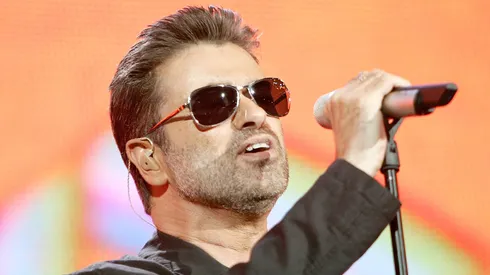
When George Michael died on Christmas Day 2016, tributes poured in celebrating his music, his voice, and his cultural impact. But in the days and weeks that followed, another story began to emerge—one he had deliberately kept hidden for decades. Friends, charities, and even complete strangers revealed that Michael had been a tireless, deeply private philanthropist whose only rule was absolute anonymity. “Nobody Can Know It’s From Me. If the press finds out, I’ll stop,” his manager later recalled him saying, a condition that ensured his kindness stayed out of headlines until he was no longer here to stop it.
A Life of Anonymous Kindness
George Michael’s secret generosity ranged from life-changing acts for strangers to sustained support for major charities. One of the most widely shared stories came from a 2008 episode of Deal or No Deal, where a contestant spoke about her inability to afford IVF treatment. After watching the show, Michael quietly contacted the producers and donated the full £15,000 she needed, asking for nothing in return and ensuring his involvement remained unknown.

His kindness often came in moments no one else noticed. He reportedly overheard a woman in a café crying about a £25,000 debt and, without introducing himself, wrote a check for the full amount, asking the waitress to give it to her only after he had left. On another occasion, he tipped a barmaid £5,000 after learning she was a medical student struggling financially.
Michael also dedicated years to hands-on service. He regularly volunteered at a homeless shelter under the name “Paul,” insisting fellow volunteers never reveal who he was. Beyond that, he anonymously funded his local Highgate community’s Christmas tree and lights for over a decade and became the largest unseen donor to the area’s annual Fair in the Square, signing contributions simply as “a local resident.”
On a larger scale, his philanthropy extended to millions of pounds in donations to charities such as the Terrence Higgins Trust, and Macmillan Cancer Support. From 1996 onward, he quietly donated all royalties from his number-one single “Jesus to a Child” to Childline. After his death, the charity’s founder Esther Rantzen revealed that Michael had given them “millions” over the years—support he insisted remain known only within the organization, ensuring that his compassion mattered more than his name ever did.
Taken together, these stories reveal a man who believed generosity lost its meaning the moment it became a headline. George Michael did not give to build a legacy, repair an image, or earn public gratitude. He gave because he could, because he noticed suffering others overlooked, and because he wanted the help to matter more than the helper. Nearly a decade on, his music still fills the air every December, but it is these quiet acts of humanity that continue to echo just as powerfully.