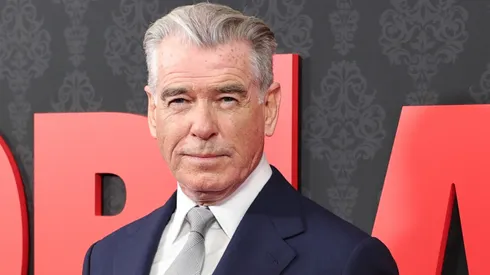
When Pierce Brosnan debuted as James Bond in 1995’s “GoldenEye,” the franchise was facing one of the most uncertain periods in its history. With the actor turning 73 today, it is an opportunity to look back at the era that restored 007’s status as one of Hollywood’s premier blockbuster characters.
The series had struggled to adapt after the end of the Cold War, while the lengthy gap following 1989’s “Licence to Kill” left questions about whether Bond still had a place in modern pop culture. Brosnan’s arrival ultimately changed that narrative, helping restore the series as one of cinema’s defining franchises and cementing his place in Bond history.
How Pierce Brosnan Revitalized James Bond for a New Era
By the mid 1990s, Bond was no longer the untouchable cinematic institution it had once been. Action movies had become darker and faster, audiences were shifting toward new kinds of heroes, and the espionage world that inspired Ian Fleming’s stories had dramatically changed after the collapse of the Soviet Union. Brosnan’s version of Bond arrived at precisely the moment the franchise needed reinvention without abandoning its classic identity.
What distinguished Brosnan’s interpretation was the balance he brought to the role. He combined the polished confidence associated with Sean Connery’s original portrayal with the lighter charm audiences connected to Roger Moore. That mix allowed the series to embrace modern action filmmaking while still preserving the wit and sophistication long associated with 007.
The revival extended beyond Brosnan himself. Judi Dench joined the franchise as the first female M, introducing a more contemporary dynamic inside MI6. Her sharp exchanges with Bond became one of the defining elements of the era and reflected the franchise’s effort to modernize its perspective without fully reinventing the character.
Commercially, the gamble paid off immediately. “GoldenEye” became the most successful Bond film in years and reestablished the series as a major international box office force. The momentum continued with “Tomorrow Never Dies” and “The World Is Not Enough,” proving that Bond could still compete in a blockbuster landscape increasingly dominated by new action franchises.
Brosnan’s impact also expanded far beyond theaters. The Nintendo 64 game “GoldenEye 007” became a cultural phenomenon in its own right, helping redefine multiplayer first person shooters for an entire generation of players. Together, the films and the game turned Bond back into a dominant force across entertainment, ensuring the franchise entered the 21st century stronger than many expected possible only a few years earlier.