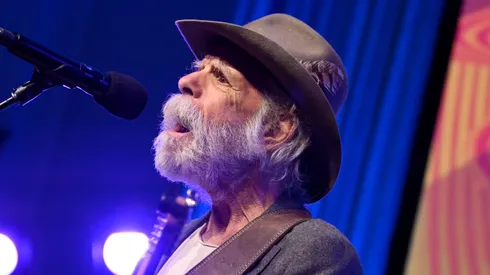
Bob Weir, the co-founder, guitarist, and enduring spirit of the Grateful Dead, has died at the age of 78 after a long battle with cancer and underlying lung issues, according to a statement shared by his family. Diagnosed last summer, Weir began treatment just weeks before taking the stage with Dead & Company at Golden Gate Park for concerts celebrating the band’s 60th anniversary—shows that now stand as his final performances. “He transitioned peacefully, surrounded by loved ones,” the family wrote, describing a final chapter defined by resilience, music, and an unwavering commitment to keep going on his own terms.
A Life Lived on the Long, Strange Trip
Born in San Francisco in 1947 and raised in the Bay Area, Bob Weir’s life would become inseparable from the countercultural movement that reshaped American music in the 1960s. As a teenager, he crossed paths with Jerry Garcia in a Palo Alto music store on New Year’s Eve 1963, a chance meeting that led to the formation of a band that would evolve into the Grateful Dead. From the beginning, Weir helped shape the group’s restless, genre-blurring sound, blending rock, folk, blues, and country into something entirely new.

As the Dead’s rhythm guitarist, Weir developed an unorthodox, highly influential playing style, favoring intricate chord voicings and syncopated patterns that pushed against traditional rock structures. He also became one of the band’s key vocalists, fronting many of their most enduring songs while anchoring their famously improvisational live shows. Over three decades, the Grateful Dead became as much a touring phenomenon as a band, cultivating a devoted fan base and redefining what a live music experience could be.
After the death of Garcia in 1995, Weir refused to let the music stand still. He remained a constant presence through various post-Dead incarnations and side projects, from RatDog and Furthur to orchestral collaborations and acoustic explorations. In 2015, he helped launch Dead & Company, introducing the Grateful Dead songbook to a new generation while continuing to evolve its sound well into his seventies.
Weir’s later years were marked by honors recognizing both his cultural impact and his longevity, including induction into the Rock and Roll Hall of Fame with the Grateful Dead and a Kennedy Center Honor. Yet his greatest legacy may be simpler: a lifetime spent chasing curiosity, community, and the joy of the next song. Even in his final months, Weir chose the stage over retreat, offering what his family described not as farewells, but as gifts—one last reminder of a musician who never stopped moving forward.