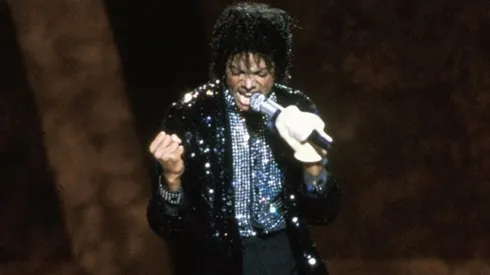
Forty three years ago today, Michael Jackson delivered a television performance that permanently altered the language of pop culture.
During NBC’s broadcast of Motown 25: Yesterday, Today, Forever, Jackson unveiled the moonwalk to nearly 50 million viewers, instantly turning the move into a worldwide phenomenon. Although the dance itself existed decades before Jackson adopted it, his performance of “Billie Jean” on May 16, 1983 remains the defining moment most audiences associate with the technique.
The Night the Moonwalk Became a Global Sensation
The performance had actually been filmed weeks earlier on March 25, 1983, inside the Pasadena Civic Auditorium in California. Midway through “Billie Jean,” Jackson paused, spun, and appeared to glide backward across the stage while his upper body suggested forward motion. The live audience erupted immediately, but the full cultural impact arrived when the special aired nationally on television.
Jackson’s appearance became inseparable from the moment itself. Wearing black trousers cropped above sparkling white socks, a sequined jacket, fedora, and rhinestone glove, he presented a carefully constructed image that quickly became part of pop iconography. The moonwalk soon evolved into the signature centerpiece of his live performances and world tours throughout the 1980s and beyond.
Despite its close association with Jackson, the move had a much longer history rooted in Black performance traditions and street dance culture. Variations of the backslide appeared in entertainment decades earlier through performers including Cab Calloway, Charlie Chaplin, Dick Van Dyke, and mime artist Marcel Marceau. By the 1970s and early 1980s, dancers on Soul Train and performers such as Jeffrey Daniel were already incorporating similar movements into popping and locking routines.
Jackson openly acknowledged learning the move from other dancers. Reports over the years connected him to performers including Bobby Brown and dancer Geron “Caszper” Canidate, who reportedly worked privately with the singer before the Motown special. What separated Jackson from earlier performers was not invention, but scale. His televised rendition introduced the move to a global mainstream audience and fused it with the growing power of the music video era.
The influence of that performance spread quickly across film, television, sports, and dance culture throughout the 1980s and beyond. References and variations of the moonwalk appeared in movies, wrestling entrances, hip hop performances, and even professional sports celebrations. Yet four decades later, the image most people still remember is Jackson standing center stage during “Billie Jean,” pausing for a split second before sliding backward into entertainment history.