While the global film industry has historically struggled with achieving gender parity behind the camera, female directors consistently deliver some of the most groundbreaking, financially successful, and critically celebrated features in modern cinema.
From massive superhero blockbusters dominating the summer box office to intimate independent dramas exploring complex human emotions, these outstanding auteurs continually challenge conventional narratives. Their extraordinary contributions prove that an inclusive, diverse directorial perspective is absolutely essential for the continued evolution of the art form.
Here are ten spectacular movies directed by women that fundamentally transformed the entertainment landscape.
Past Lives (2023)
Celine Song made a phenomenal, heart-wrenching directorial debut with this quiet, incredibly sophisticated romantic drama. The narrative spans twenty-four years, following two childhood friends from South Korea as they periodically reconnect across different continents and fundamentally different life stages. The filmmaker handles the complex themes of destiny, immigration, and roads not taken with breathtaking emotional maturity.
Little Women (2019)
Greta Gerwig breathed magnificent new life into Louisa May Alcott’s classic literary masterpiece through a brilliant, non-linear narrative structure. Featuring an incredibly talented ensemble cast, the feature elegantly highlights the economic realities of nineteenth-century womanhood while celebrating the fierce bond between the March sisters. The vibrant costume design, rapid-fire dialogue, and deeply emotional storytelling solidified it as the definitive modern adaptation of the beloved novel. Her clever structural choices successfully elevated a familiar coming-of-age tale into a sophisticated exploration of artistic ambition and female independence.
Hamnet (2025)
Chloé Zhao successfully translated Maggie O’Farrell’s renowned historical fiction novel into a remarkably poignant cinematic experience. The emotionally heavy narrative focuses entirely on William Shakespeare’s wife, Agnes, as she navigates overwhelming grief following the tragic death of their young son. By shifting the historical lens away from the legendary playwright and onto his fiercely independent spouse, the visionary filmmaker crafted a stunning meditation on maternal sorrow. It officially solidified her status as one of the most versatile, empathetic storytellers working in modern Hollywood today.
Aftersun (2022)
Charlotte Wells made a spectacularly agonizing directorial debut with this quiet, intensely nostalgic drama about a fractured father-daughter vacation in Turkey. Paul Mescal and Frankie Corio deliver breathtakingly naturalistic performances, capturing the unspoken tensions and fleeting joys of a late-nineties summer holiday. The creator brilliantly utilizes old camcorder footage and fragmented memories to explore the painful realization that we rarely understand our parents’ internal struggles until we reach adulthood. It remains a flawlessly paced masterpiece that permanently impacted audiences across the globe.
Little Miss Sunshine (2006)
Valerie Faris, co-directing alongside Jonathan Dayton, delivered a wildly hilarious and genuinely heartwarming road-trip comedy that defined the mid-2000s independent film boom. The chaotic narrative follows a deeply dysfunctional family cramming into a bright yellow Volkswagen bus to support their youngest daughter’s eccentric beauty pageant dreams. Faris flawlessly balanced incredibly dark humor with moments of quiet familial tenderness, creating a highly authentic portrait of lovable losers. The project ultimately scored prestigious award victories, proving that character-driven indie comedies could successfully captivate mainstream international audiences.
The Power of the Dog (2021)
Jane Campion delivered a haunting, visually magnificent masterpiece that completely revolutionized the traditional Western genre. Benedict Cumberbatch portrays a cruel, hyper-masculine rancher who mercilessly torments his brother’s new wife and her sensitive teenage son on the vast Montana plains. Campion’s visionary, slow-burn storytelling earned her the prestigious Academy Award for Best Director, cementing her legacy as an untouchable dramatic auteur.
Wonder Woman (2017)
Patty Jenkins officially proved that female-led superhero blockbusters could dominate the global box office with this sweeping origin story. By perfectly balancing thrilling, large-scale action sequences with genuine emotional earnestness, she successfully brought the iconic Amazonian warrior into the twenty-first century. The monumental financial success and widespread cultural resonance confirmed that audiences were desperately hungry for diverse, empowering comic book adaptations.
Selma (2014)
Ava DuVernay provided a profoundly moving, meticulously researched look at a pivotal moment in the American civil rights movement. Chronicling Dr. Martin Luther King Jr.’s legendary voting rights marches in Alabama, the feature avoids traditional biographical clichés to focus on the grueling, strategic reality of political organizing. The phenomenal historical drama rightfully earned widespread critical acclaim, highlighting the enduring necessity of fierce, organized protest.
Nomadland (2020)
Chloé Zhao crafted a breathtakingly poetic meditation on grief, economic displacement, and the vast American landscape. Frances McDormand delivers a deeply grounded performance as a widow traveling through the western United States in a converted van, interacting seamlessly with real-life transient communities. Zhao’s unique blend of documentary-style realism and sweeping cinematography secured her a thoroughly deserved Oscar victory.
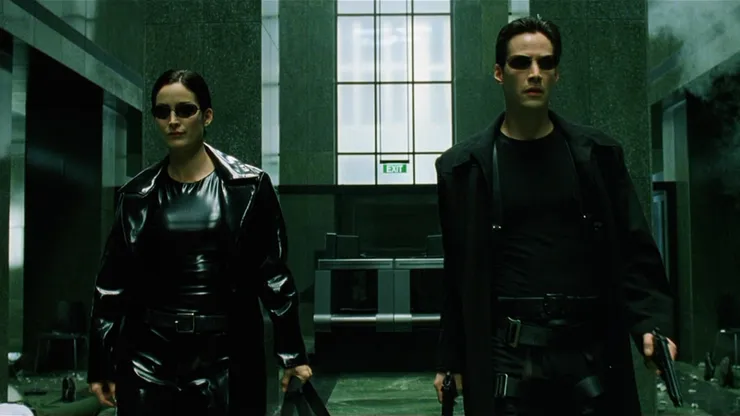
The Matrix (1999)
The Wachowski sisters completely redefined modern science fiction and action choreography with this visually groundbreaking cyberpunk epic. Blending philosophical inquiries about simulated realities with wire-fu martial arts, the siblings created a cultural juggernaut that fundamentally altered Hollywood production techniques forever. The iconic visual effects and existential themes continue to heavily influence contemporary digital storytelling and modern speculative fiction.