In the past decade, South Korean cinema has shifted from being a regional treasure to a global powerhouse — a force whose narratives, stylistic boldness and emotional nuance have rewritten expectations of what international film can accomplish.
The worldwide acclaim of Parasite (which made history by winning Best Picture at the Academy Awards) helped open a new frontier for Korean storytelling, showing that local stories rooted in social tension and sharp observation can resonate universally with audiences and critics alike.
Parasite (2019)
Parasite became a global phenomenon and a watershed moment in Korean cinema, winning the Academy Award for Best Picture and showcasing the deft storytelling of Bong Joon‑ho.
The film blends dark comedy with sharp social critique, chronicling the infiltration of a poor family into a wealthy household that spirals into chaos. Its intricate plotting and multi‑layered characters transformed what might have been a local story into a universal confrontation with inequality and deception.
Acclaimed worldwide for its narrative ingenuity, Parasite holds a mirror to the sprawling disparities of contemporary life, balancing suspense with sly humor. Bong’s direction crafts every frame with purpose, turning the lavish architectural spaces of the rich into arenas of tension and the cramped quarters of the poor into crucibles of desperation.
Oldboy (2003)
Oldboy stands as one of the most influential works of Park Chan‑wook and a cornerstone of modern revenge thrillers. The story centers on Oh Dae‑su, a man imprisoned for 15 years without explanation, only to be released and driven by a relentless need for vengeance.
Known for its visceral single‑take hallway fight scene and shocking twists, Oldboy melds brutality and tragedy in ways that redefine the genre’s emotional stakes. Critics have praised the film for its eerie intensity and purposeful direction, describing it as a powerful and visceral revenge tale that leaves a lasting psychological imprint.
Its blend of hyper‑stylized violence and psychological depth helped introduce international audiences to the singular energy of Korean cinema, cementing Oldboy as a cult classic that resurfaces frequently in discussions about the best thrillers ever made.
Memories of Murder (2003)
Memories of Murder is a seminal crime thriller by Bong Joon‑ho inspired by Korea’s real‑life unsolved serial murders of the 1980s. The narrative follows two detectives grappling with limited resources and growing desperation as they try to catch a mysterious killer in rural Gyeonggi Province.
The film’s mix of gritty realism, sharp character interplay, and dark humor offers a haunting portrayal of an investigation that never quite reaches closure. Celebrated as one of the best Korean films of the century, Memories of Murder drew international acclaim for its atmospheric tension and nuanced take on procedural storytelling.
Bong’s focus on the humanity and fallibility of his characters elevates the film above conventional whodunits, making it both a compelling detective story and a quiet reflection on uncertainty and societal limitations.
The Handmaiden (2016)
The Handmaiden sees Park Chan‑wook crafting a sumptuous, twist‑laden period thriller based on Sarah Waters’s Fingersmith, transposed to 1930s colonial Korea. The plot follows a pickpocket recruited as a handmaiden to a Japanese heiress, embroiled in a deceptive plan that quickly turns into a labyrinth of desire, betrayal, and power.
Lavish cinematography and precise direction elevate every scene into a richly textured visual feast. Critics and audiences alike hail The Handmaiden for its layered storytelling and fearless genre blending — as a romance, psychological thriller, and revenge story all at once.
Kim Min‑hee and Kim Tae‑ri deliver standout performances, capturing the fragile interplay between innocence and manipulation as the narrative winds through its unforgettable twists.
Burning (2018)
Burning is a psychological drama directed by Lee Chang‑dong, adapted from Haruki Murakami’s short story Barn Burning. The film tells the story of a young man whose encounter with a childhood acquaintance and her wealthy, enigmatic companion spirals into suspicion and unease.
Set against a backdrop of economic and emotional uncertainty, Burning offers an ambiguous, slow‑burn narrative whose questions outlive its final frame. Lauded for its elegant ambiguity and social commentary, Burning examines class divides, youthful restlessness, and the elusiveness of truth.
Its subtle pacing and atmospheric tension invite interpretation and debate, with critics placing it among the best films of its decade and a milestone in contemporary Korean art cinema.
Decision to Leave (2022)
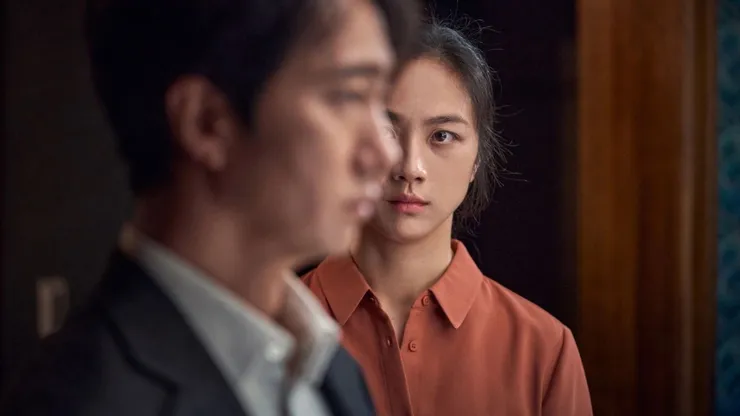
Decision to Leave reunites Park Chan‑wook with his signature blend of suspense and emotional complexity in a neo‑noir romance that earned him the Best Director award at Cannes.
The film revolves around a detective investigating a suspicious mountain death, only to become psychologically entangled with the enigmatic widow of the deceased. As motive and affection intertwine, the story becomes a meditation on obsession and truth.
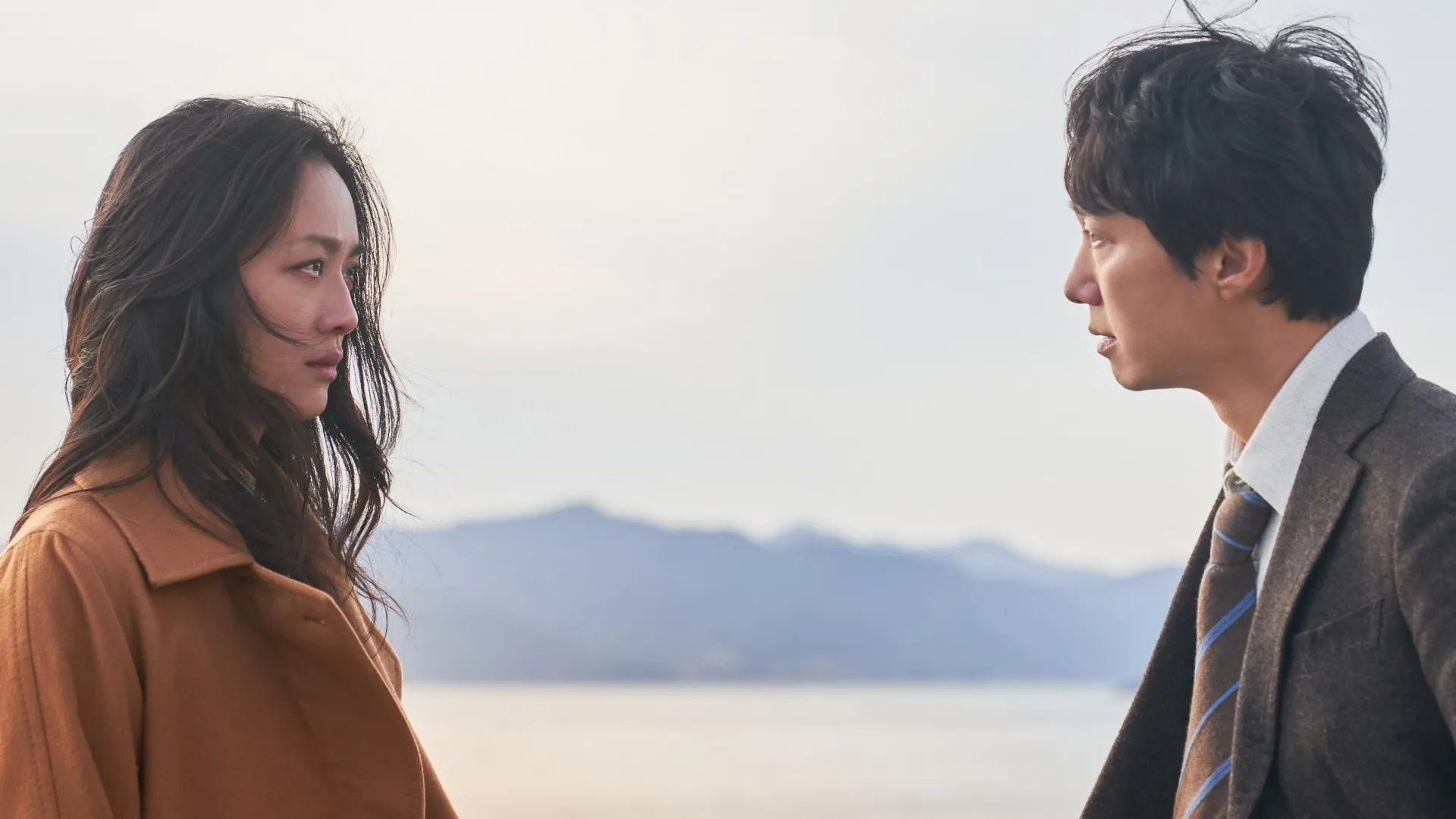
Park Hae-il and Tang Wei in Decision to Leave (Source: IMDb)
Acclaimed for its elegant pacing and visual poetry, Decision to Leave shifts away from overt thriller tropes toward a deeply human mystery, where emotional ambiguity is as important as factual clues.
Tackling themes of desire, loss, and moral tension, the film bridges classic noir aesthetics with Korean cinematic sensibilities, earning global critical recognition and award buzz.
Mother (2009)
Mother showcases Bong Joon‑ho’s ability to fuse genre with deep emotional nuance. The film follows a devoted mother who embarks on a desperate search for her mentally challenged son’s innocence after he’s accused of murder.
As she navigates a system rife with bias and apathy, the narrative becomes both a gripping thriller and a meditation on maternal love, guilt, and moral desperation. The film’s blend of procedural intrigue and character‑driven drama makes Mother standout — generating empathy and tension in equal measure.
Bong’s direction allows the story to explore the darker, more obsessive facets of love, with an unforgettable performance at its core that solidified the film as a modern Korean classic.
Poetry (2010)
Poetry marks a reflective high point in the career of director Lee Chang‑dong, telling the story of an older woman who begins to explore poetry while confronting familial hardship and personal decline.
The film was selected for the main competition at the Cannes Film Festival and won the Best Screenplay Award, highlighting its thoughtful blend of beauty and sorrow. Poetry is as much about language and grace as it is about memory and hardship — depicting a woman’s search for meaning in the face of life’s cruelties.
Its gentle yet powerful narrative draws viewers into a deeply human exploration of creativity, aging, and dignity, leaving a haunting emotional imprint long after the credits roll.
I Saw the Devil (2010)
I Saw the Devil is an unflinching revenge thriller by director Kim Jee‑woon that pushes genre boundaries with shocking intensity. The story follows a secret agent’s relentless pursuit of a serial killer responsible for his fiancée’s death, descending into a relentless psychological game of cat and mouse. Known for its unvarnished violence and emotional rawness, the film demands attention for both its craftsmanship and its moral extremity.
Critics have applauded I Saw the Devil for its visceral energy and stylistic control, framing it as a riveting — albeit harrowing — experience that tests the audience’s endurance and empathy. Its blend of beautifully composed visuals and unyielding brutality has kept it in discussions about bold, provocative cinema from Korea and beyond.
3‑Iron (2004)
3-Iron is a poetic romantic drama by Kim Ki‑duk that defies conventional storytelling. The film follows a quiet drifter who breaks into empty homes, only to leave them tidier than when he found them — a gesture of unexpected care — and forms a profound connection with a troubled housewife.
Its minimalist dialogue and striking visual storytelling earned the film the Silver Lion for Best Direction at the Venice International Film Festival. 3‑Iron is celebrated for its lyrical approach to love, loneliness, and belonging, using silence and gesture as its primary languages.
The film’s emotional resonance emerges not from plot mechanics but from the ineffable bond between its characters, marking it as an unforgettable piece of contemporary Korean art cinema.