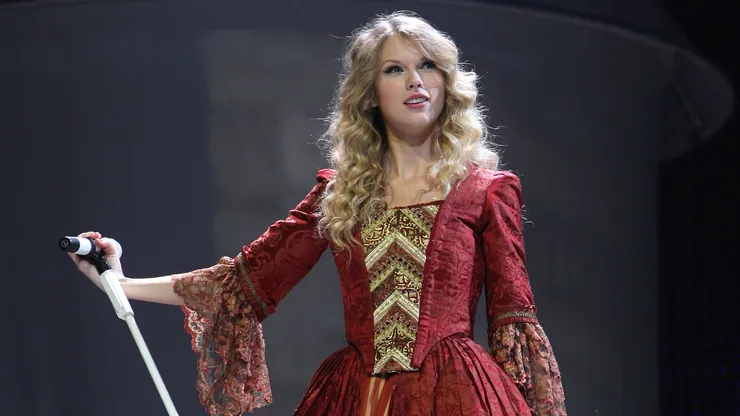
On February 12, 2021, Taylor Swift released “Love Story (Taylor’s Version),” the first track in a massive re-recording project that would change the music industry forever. As we mark the 5th anniversary of this release, we’re looking back at the “master” controversy that forced Swift’s hand and how she turned a corporate nightmare into a billion-dollar victory lap.
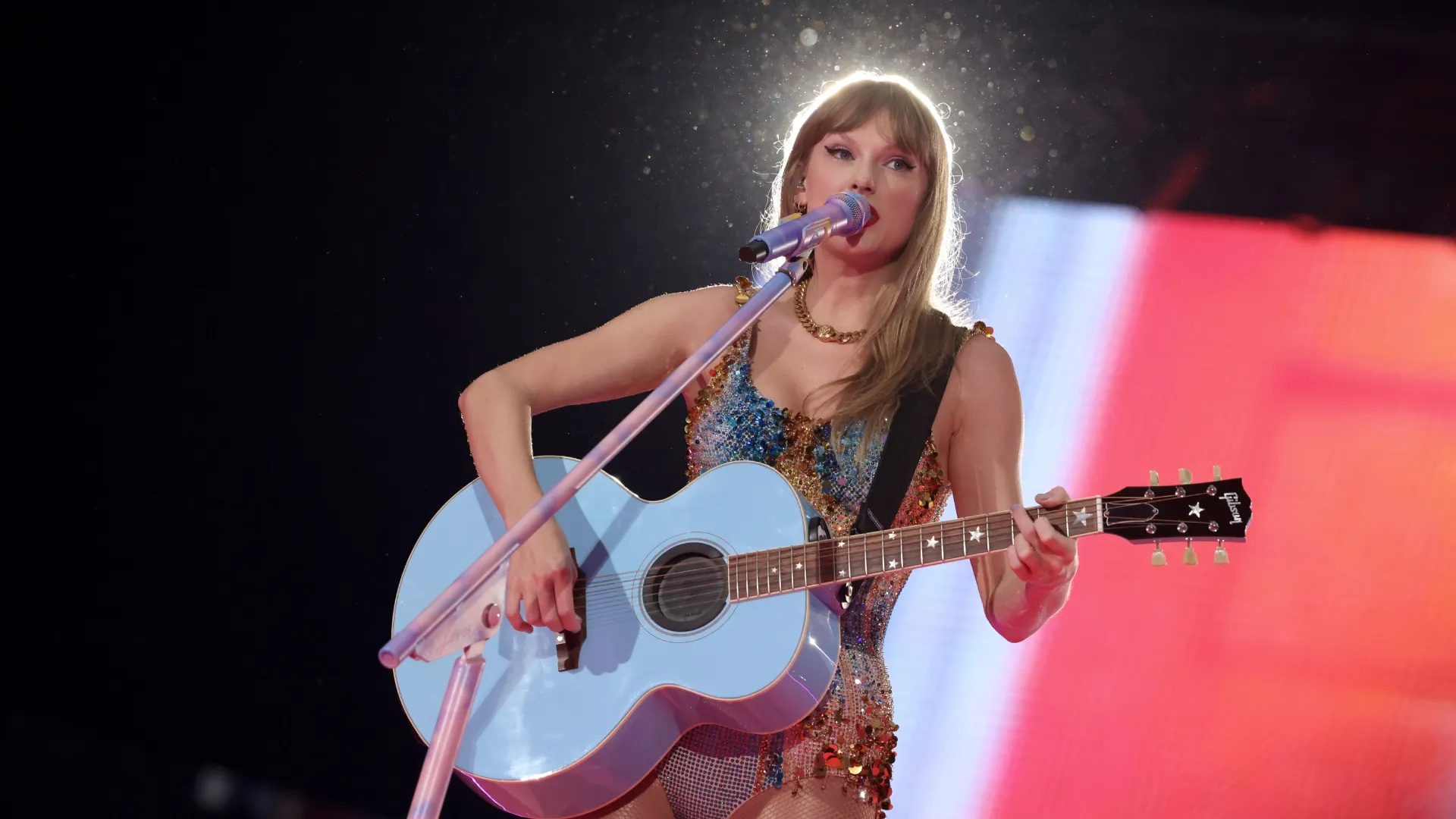
Taylor Swift performs onstage during “Taylor Swift | The Eras Tour” at Johan Cruijff Arena on July 05, 2024 in Amsterdam, Netherlands. (Photo by Aldara Zarraoa/Getty Images for TAS Rights Management)
The Great Masters Dispute: Why She Had to Re-record
The story behind “Taylor’s Version” is one of the most famous feuds in music history. For over a decade, Swift recorded under Big Machine Records, a contract she signed at just 15 years old. Under that deal, the label owned her master recordings—the actual physical recordings of her first six albums. When Swift tried to buy them back, she was allegedly offered a deal she found “unacceptable”: she would have to “earn” her old albums back one by one for every new album she turned in.
The situation turned from a business dispute to a “worst-case scenario” in June 2019, when music mogul Scooter Braun purchased Big Machine for $330 million, effectively becoming the owner of Swift’s entire musical legacy. Swift, who had long-standing personal grievances with Braun, took to Tumblr to decry the sale, famously stating, “My musical legacy is about to lie in the hands of someone who tried to dismantle it.” Faced with a reality where she didn’t own the rights to her life’s work, Swift found a loophole. While she didn’t own the masters (the recordings), she still owned the publishing (the lyrics and melodies she wrote). By re-recording her entire catalog from scratch, she could create new masters that she owned 100%, encouraging fans and businesses to stream and license the “Taylor’s Version” instead of the originals.
5 Years of ‘Love Story (Taylor’s Version)’
IMDb
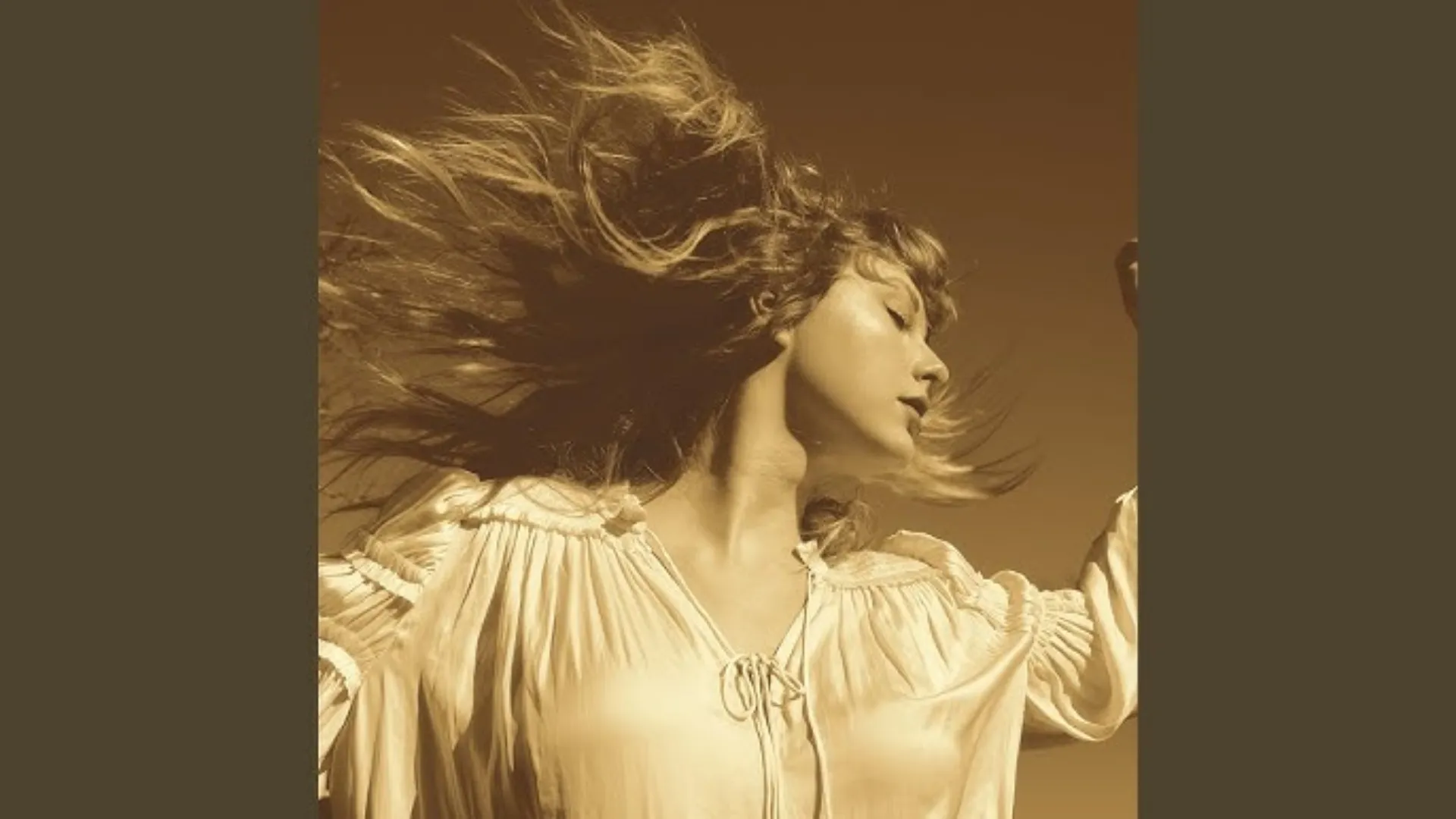
Released exactly five years ago today, “Love Story (Taylor’s Version)” was the ultimate proof of concept. The track was a meticulous, near-identical recreation of her 2008 hit, but with matured vocals and sharper production.
The impact was immediate. It debuted at No. 1 on the Hot Country Songs chart, making Swift the first artist since Dolly Parton to have two different versions of the same song reach the top spot. It wasn’t just a nostalgia trip; it was a business masterstroke that devalued the original recordings and proved that her fans (the “Swifties”) would follow her to her new label, Republic Records.
The State of the Re-recordings in 2026
As of February 2026, the re-recording era is entering its final, triumphant act. Following the massive success of Fearless, Red, Speak Now, and 1989 (Taylor’s Version), the world is currently on high alert for the final two puzzle pieces.
While rumors suggested “Reputation (Taylor’s Version)” and “Taylor Swift (Taylor’s Version)” would drop in 2025, Swift instead surprised the world with her 13th studio album, The Life of a Showgirl, which dominated the 2026 Grammy Awards. However, with 2026 being the 20th anniversary of her debut, fans are convinced the “full circle” moment is finally here.