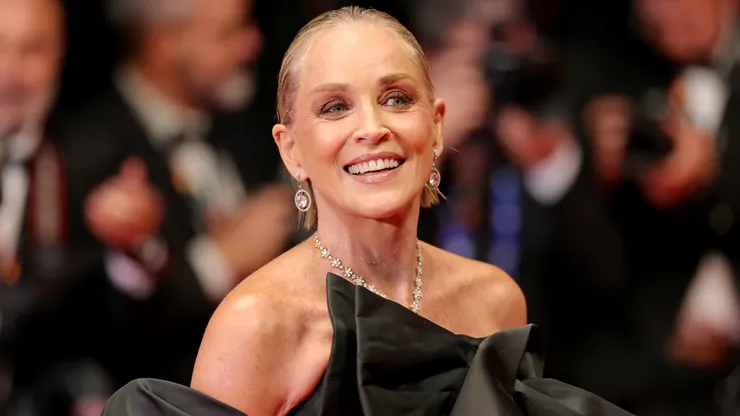
In a recent wave of discussion around HBO’s Euphoria, Sharon Stone has stepped into the conversation with an unexpectedly supportive stance toward one of television’s most polarizing teen dramas.
Speaking during an appearance on Variety’s “Actors on Actors” alongside Keke Palmer, she praised the series for its unfiltered depiction of adolescent life and called it one of “the greatest shows on television”.
Sharon Stone’s Support for Euphoria
Sharon Stone has become one of the most unexpected voices defending HBO’s Euphoria, arguing that its raw depiction of teenage life should not be dismissed as purely provocative.
In a conversation on Variety’s Actors on Actors with Keke Palmer, the actress praised the series for its honesty in portraying addiction, emotional instability, and the pressures facing modern adolescents, describing it as one of the most truthful reflections of youth culture on television.
Stone went further by suggesting the series could be used in educational settings, stating that it “should be shown in every high school” and that parents should also be required to watch it in order to better understand what teenagers are experiencing today.
Her argument was not framed as endorsement of its explicit content, but rather as a call for dialogue, insisting that avoidance does not protect young people from reality—it only delays understanding of it.
As a mother of three, she emphasized that her reaction to the show was shaped by lived experience rather than abstract judgment, noting that its scenarios felt uncomfortably recognizable. During the conversation, she admitted: “As a mom, I loved it”, referring to it being shown in schools.
This perspective positioned her comments within a broader cultural debate around whether Euphoria functions as cautionary storytelling or a mirror held too close to society, especially for younger audiences.
Stone’s remarks ultimately reframed the series less as controversy and more as conversation starter, aligning with creator Sam Levinson’s original intent for the show to spark intergenerational dialogue about difficult subjects.