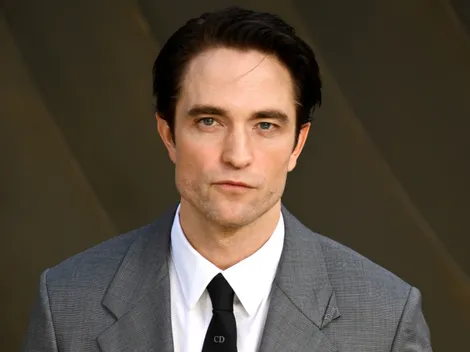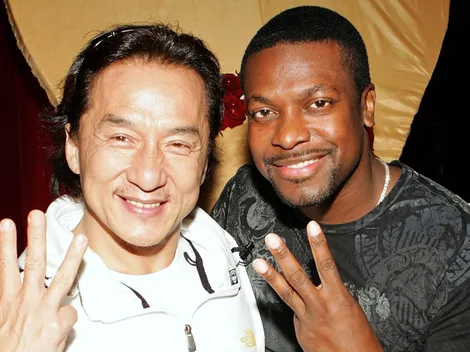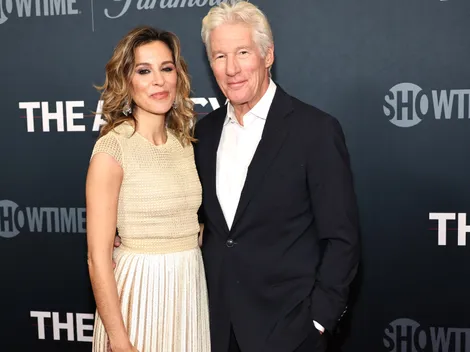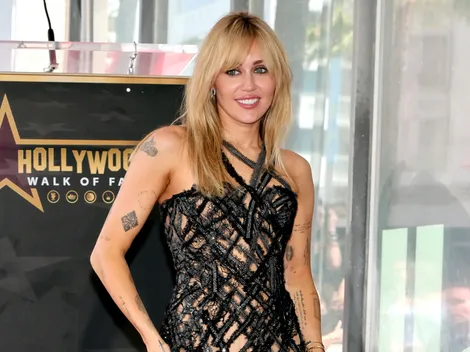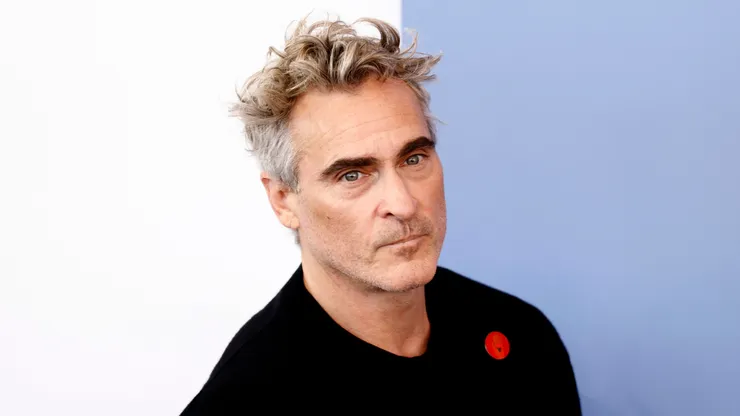
In an industry where publicity is often contractual, choosing not to speak has become a calculated disruption. Interviews, once the backbone of celebrity storytelling, are now increasingly optional for a select tier of stars who have reached a level of recognition that allows them to bypass the cycle entirely without losing relevance.
The erosion of privacy—accelerated by social media, paparazzi culture, and the 24-hour news cycle—has pushed some public figures to redraw the boundaries of access, often prioritizing mental health, narrative control or simple self-preservation over visibility.
Beyonce
Beyonce’s relationship with the media has evolved into one of total control. Since around 2013, she has largely stepped away from traditional interviews, opting instead for curated statements, visual albums, and carefully managed magazine features where she dictates the narrative.
That shift isn’t accidental—it’s strategic. The global superstar has openly emphasized protecting her personal life and family, explaining that maintaining boundaries is essential to her well-being and identity beyond fame. In her case, silence isn’t absence; it’s a deliberate way of shaping how the world experiences her.
Joaquin Phoenix
Joaquin Phoenix has built a reputation as one of Hollywood’s most unpredictable interviewees—when he agrees to speak at all. Known for discomfort in press settings, he often appears withdrawn, occasionally giving erratic or minimal responses.
More than reluctance, his avoidance seems rooted in personality. Phoenix has admitted that interviews simply aren’t something he enjoys, and his unease has become part of his mystique. That tension between public demand and private resistance only reinforces the intensity people associate with his on-screen work.
Mary-Kate and Ashley Olsen
After dominating early 2000s pop culture, Mary-Kate and Ashley Olsen made a conscious decision to step away from the spotlight. Today, they are far more present in fashion than in media, rarely giving interviews and almost never engaging in celebrity-style publicity.
Their retreat is deeply tied to their upbringing. Having grown up in front of cameras, the twins shifted toward a model where their work—particularly their brand The Row—speaks for itself. In doing so, they’ve redefined fame on their own terms, trading visibility for long-term creative control.
Daniel Day-Lewis
Few actors embody privacy like Daniel Day-Lewis. Even at the height of his career, he avoided interviews and public appearances, preferring to remain almost entirely out of view between projects.
His reasoning is closely tied to his craft. Known for immersive method acting, Day-Lewis has avoided media exposure to preserve the integrity of his characters, suggesting that too much visibility could dilute the illusion he creates on screen. The result is a career defined as much by absence as by brilliance.
Kate Moss
Kate Moss has spent decades as one of fashion’s most recognizable faces, yet she has remained notably elusive when it comes to interviews. Despite her cultural impact, she rarely offers detailed insight into her personal life or career.
Instead, Moss has leaned into a philosophy often associated with the industry: let the image speak. By limiting access and avoiding overexposure, she has maintained an aura of mystery that aligns perfectly with her brand—proving that silence can be just as powerful as constant presence.
Frank Ocean
Frank Ocean’s scarcity isn’t limited to music releases—it extends to interviews as well. Since rising to prominence, he has largely avoided traditional media, rarely appearing on television or participating in press cycles.
That absence has become part of his identity. Ocean has expressed concerns about being misrepresented, choosing instead to communicate through his art or occasional written pieces. In a media landscape driven by constant access, his restraint has only amplified his cultural impact.
Christian Bale
Christian Bale approaches fame with a clear boundary: the work comes first, everything else is secondary. While he participates in press tours when required, he keeps interviews to a minimum and avoids unnecessary exposure.
This selective presence aligns with his acting philosophy. Bale is known for disappearing into roles, and limiting his public persona helps maintain that transformation. By staying out of the spotlight off-screen, he ensures audiences focus on the character—not the actor behind it.
Jonah Hill
Jonah Hill’s relationship with interviews has shifted significantly in recent years. After years of media appearances, he publicly stepped back from promotional interviews to protect his mental health and overall well-being.
His decision reflects a broader conversation in Hollywood about boundaries. Rather than treating interviews as an obligation, Hill reframed them as a personal choice—one that prioritizes stability over visibility, even at the cost of traditional promotion.