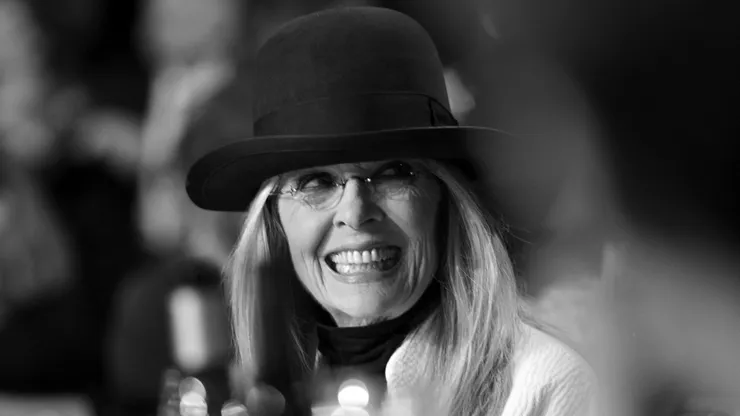
Diane Keaton built a career associated with wit, sophistication, and romantic comedy, yet at several points she chose projects that sparked controversy, discomfort or critical debate—whether because of their subject matter, cultural context, or the moment in which they were released.
The controversy in her filmography rarely stems from gratuitous shock, but rather from a willingness to occupy uncomfortable spaces: female sexuality, politics, depression, ambiguous relationships and social expectations. The passage of time has turned these films into reflections of debates that cinema was only just beginning to confront.
Looking for Mr. Goodbar (1977)
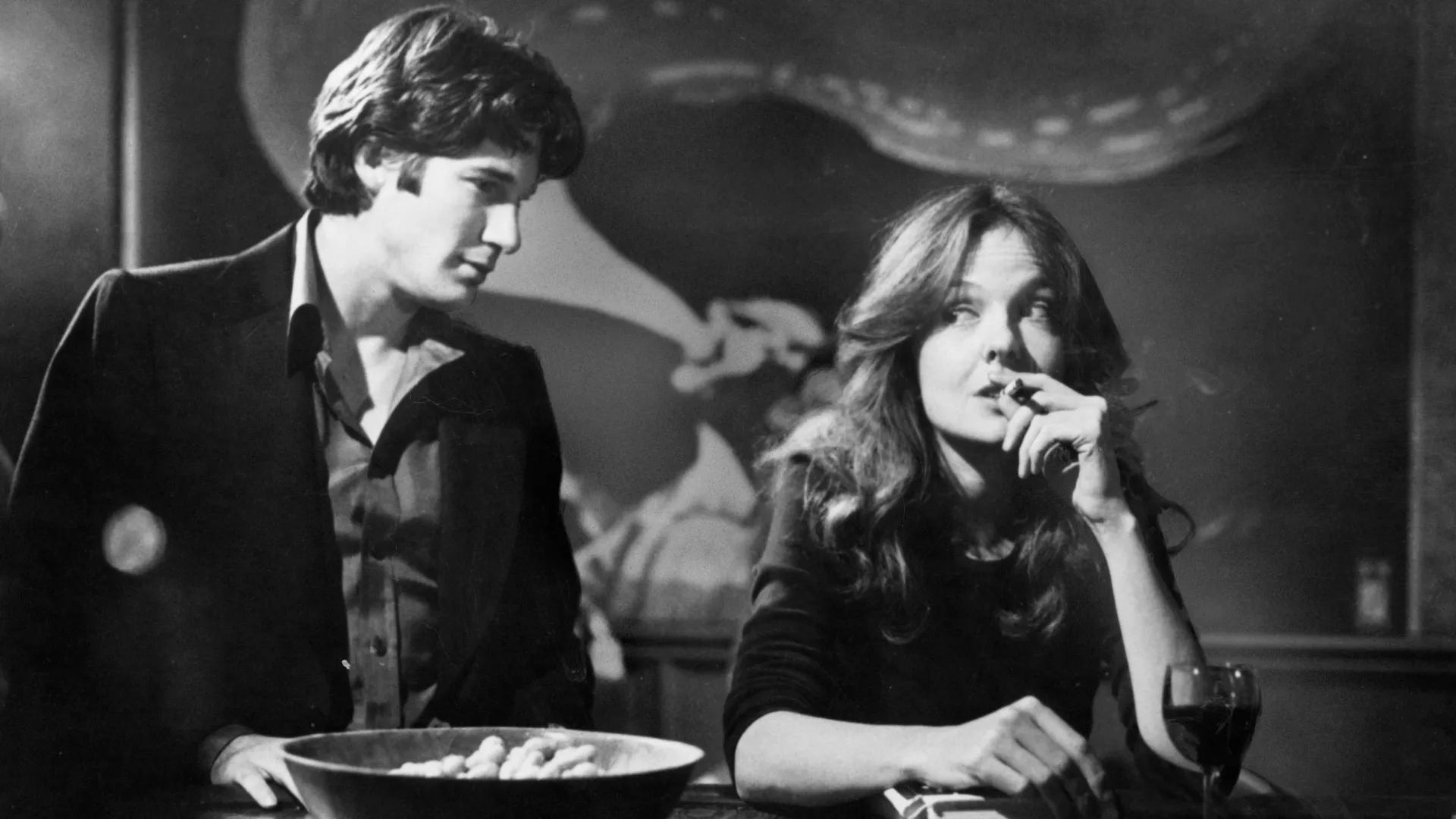
(Source: IMDb)
In this gritty crime drama, Diane Keaton plays Theresa Dunn, a schoolteacher who teaches deaf children by day and explores the singles bar scene at night, seeking connection and identity outside conventional norms. The story, inspired by a true-crime novel, follows her descent into increasingly risky relationships and culminates in a shocking, violent ending.
Her fearless portrayal of a woman navigating se*ual freedom amid danger made the film provocative for its time, challenging audiences’ expectations of female agency and morality in the late 1970s.
Manhattan (1979)
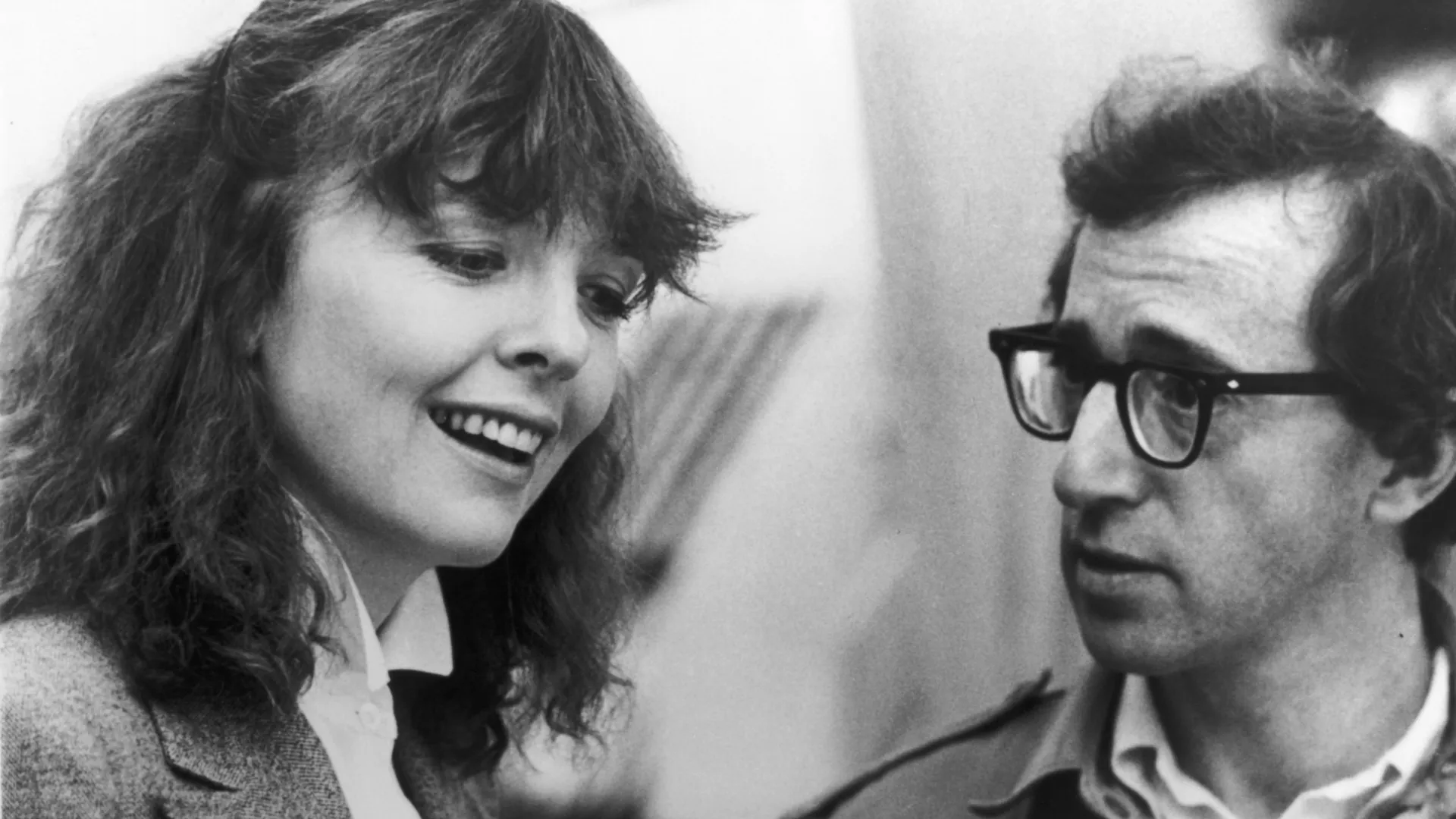
(Source: IMDb)
Keaton plays Mary Wilkie, a witty journalist and love interest of Woody Allen’s character, in this romantic comedy-drama that unfolds against New York City’s skyline. The film centers on a twice-divorced writer who dates a teenager but then falls for Mary, complicating his emotional life.
It became controversial due to its treatment of relationships with significant age gaps and its moral ambiguity, sparking debate about what constitutes acceptable romance on screen and reflecting cultural tensions about intimacy and maturity.
Interiors (1978)
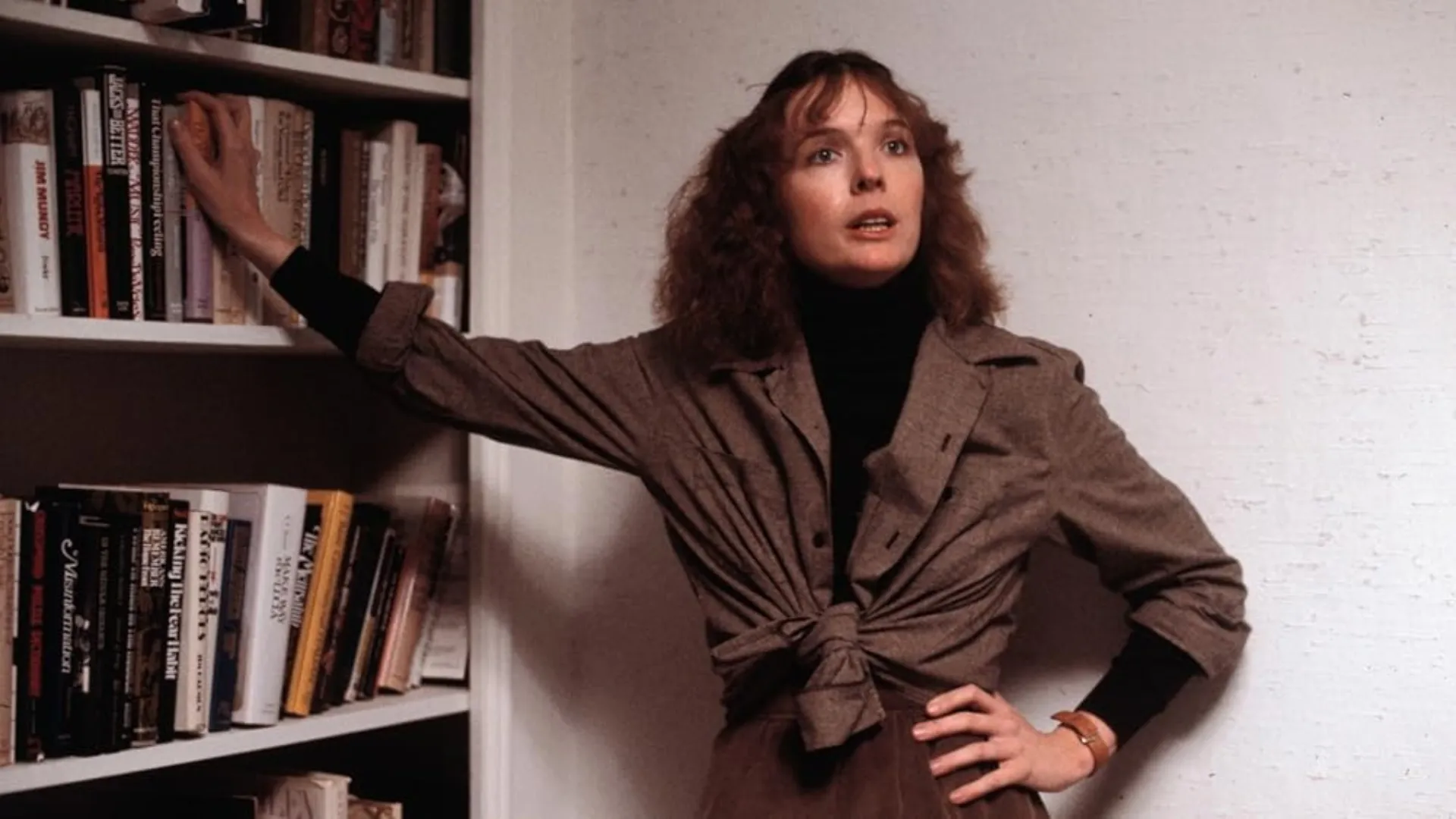
(Source: IMDb)
Though not always labeled overtly “controversial,” Interiors was notable for casting Keaton in a starkly dramatic mode far from her established comic persona. She appears as one of three sisters dealing with family breakdown, silence, and emotional fragility in a story reminiscent of Chekhovian tragedy.
The film’s somber tone and exploration of depression and family estrangement unsettled audiences used to lighter fare, marking a bold artistic turn for both Keaton and its director.
Reds (1981)
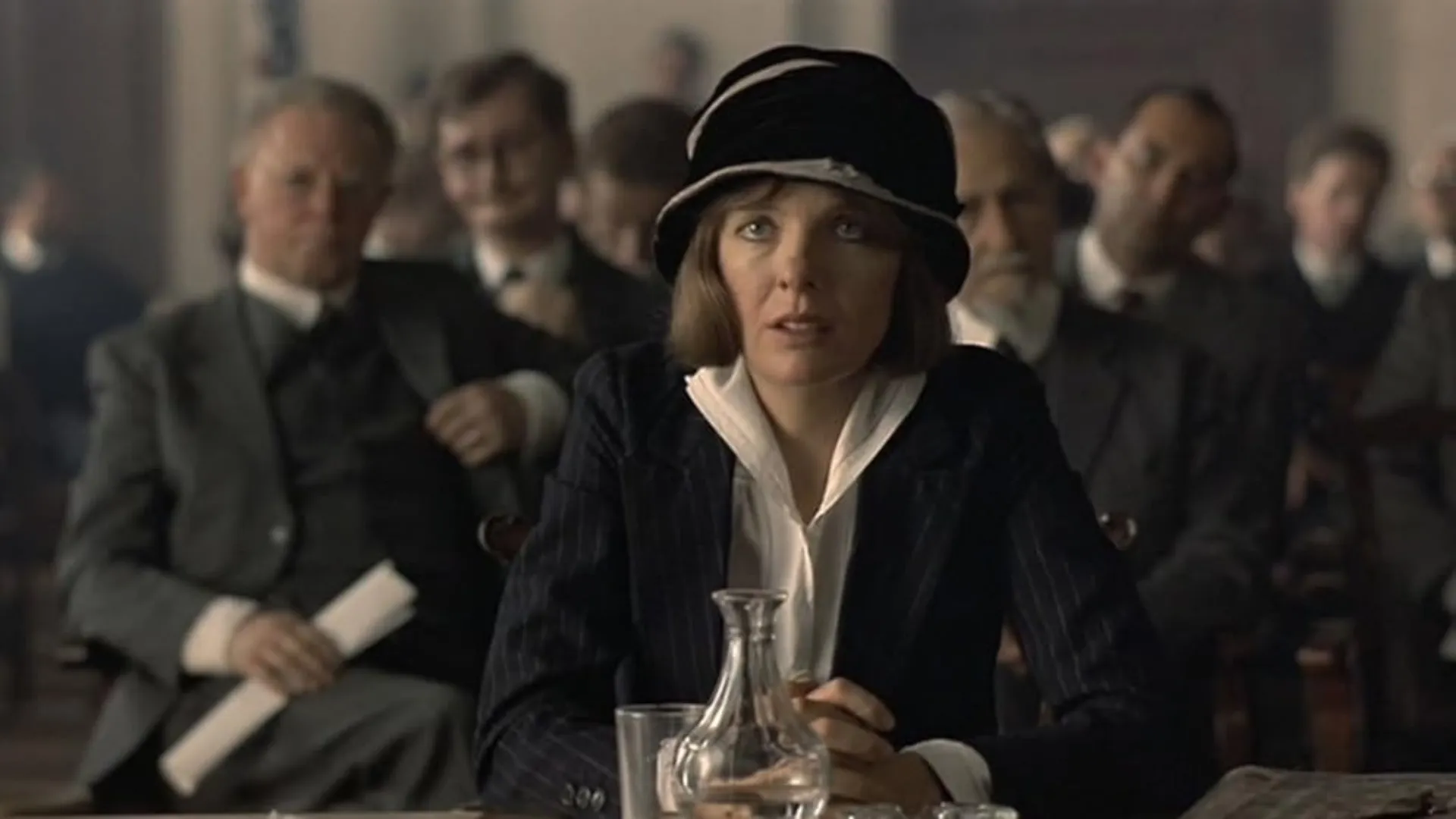
(Source: IMDb)
Keaton portrays Louise Bryant, a journalist and political activist involved with correspondent John Reed during the Russian Revolution. The sprawling historical drama blends personal relationships with radical politics and explores themes of loyalty, ideology, and gender roles at a tumultuous moment in history.
While less scandalous in content, Reds provoked discussion because it presented sympathetic portrayals of left-leaning figures at a time when audiences were still grappling with the legacy of Cold War politics in American culture.
Baby Boom (1987)
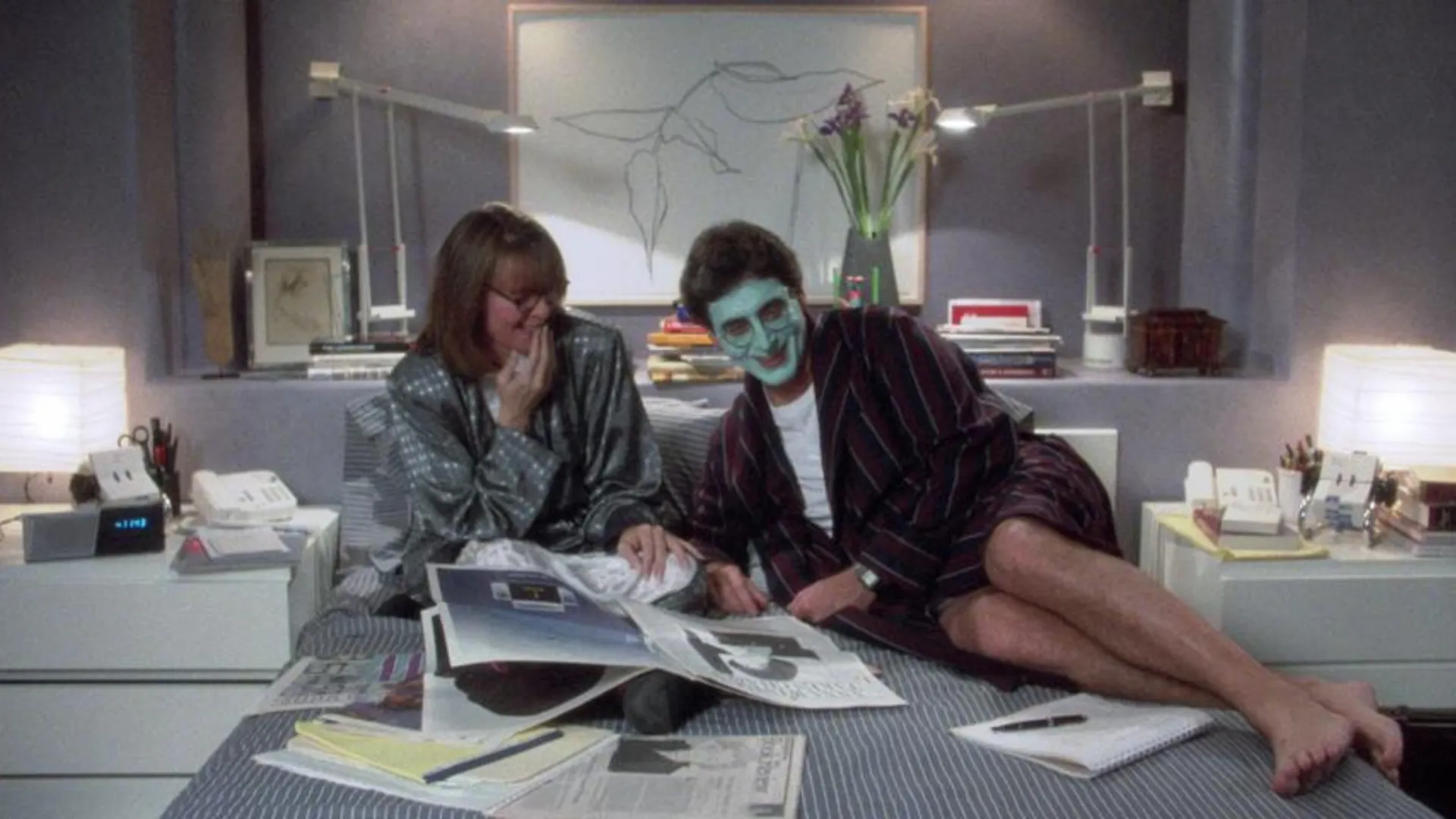
(Source: IMDb)
In this dramedy, Keaton plays J.C. Wiatt, a high-powered Manhattan executive whose life is turned upside down when she unexpectedly inherits a baby and relocates to rural Vermont.
While primarily a comedy, Baby Boom sparked conversation about societal expectations of women, work–life balance, and the notion that professional women must choose between career success and maternal fulfillment.
Its optimistic resolution was seen by some critics as simplifying structural challenges women face, even as it gave voice to themes of autonomy and reinvention.
Something’s Gotta Give (2003)
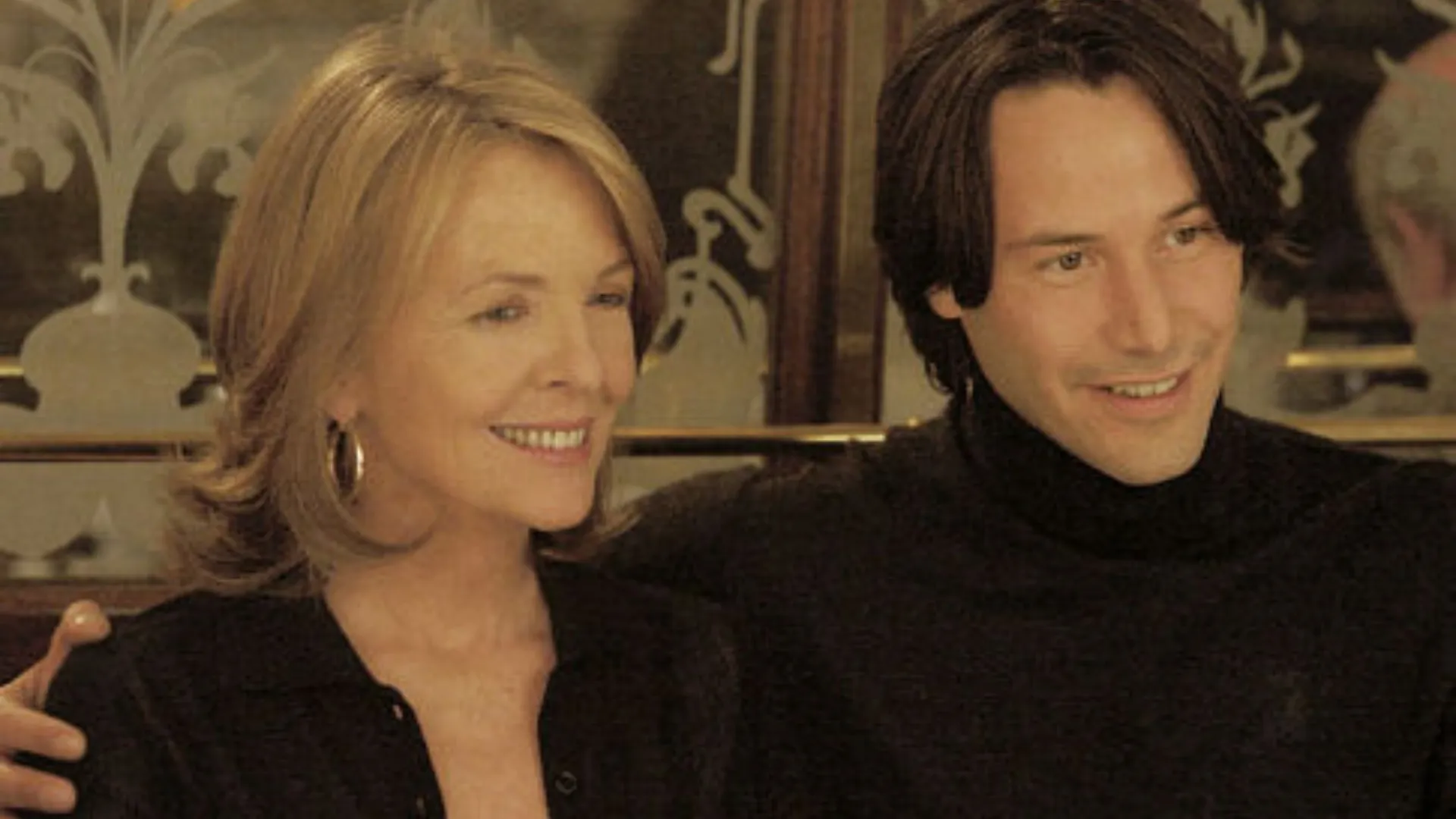
(Source: IMDb)
Keaton’s role as Erica Barry, a playwright who finds unexpected romance later in life opposite Jack Nicholson’s character, stood out for spotlighting love, desire, and vulnerability beyond youth.
While not as divisive as her earlier dramatic work, the film generated cultural conversation because it challenged ageist assumptions about who gets to be romantic or se*ually desirable in mainstream cinema, reframing genre expectations and sparking broader dialogue about mature women’s stories on screen.