Throughout music history, the departure of a key band member often signals more than just a lineup change—it can mark the beginning of a personal and artistic metamorphosis. Leaving a band is rarely a simple decision; it carries professional risks, emotional weight, and the uncertain promise of reinvention.
For some, it opens doors to solo stardom; for others, it becomes a journey of self‑discovery, experimentation or even retreat from the public eye. The narratives that emerge from these exits reveal as much about the music industry as they do about the resilience and vision of the artists themselves.
Peter Gabriel – Genesis
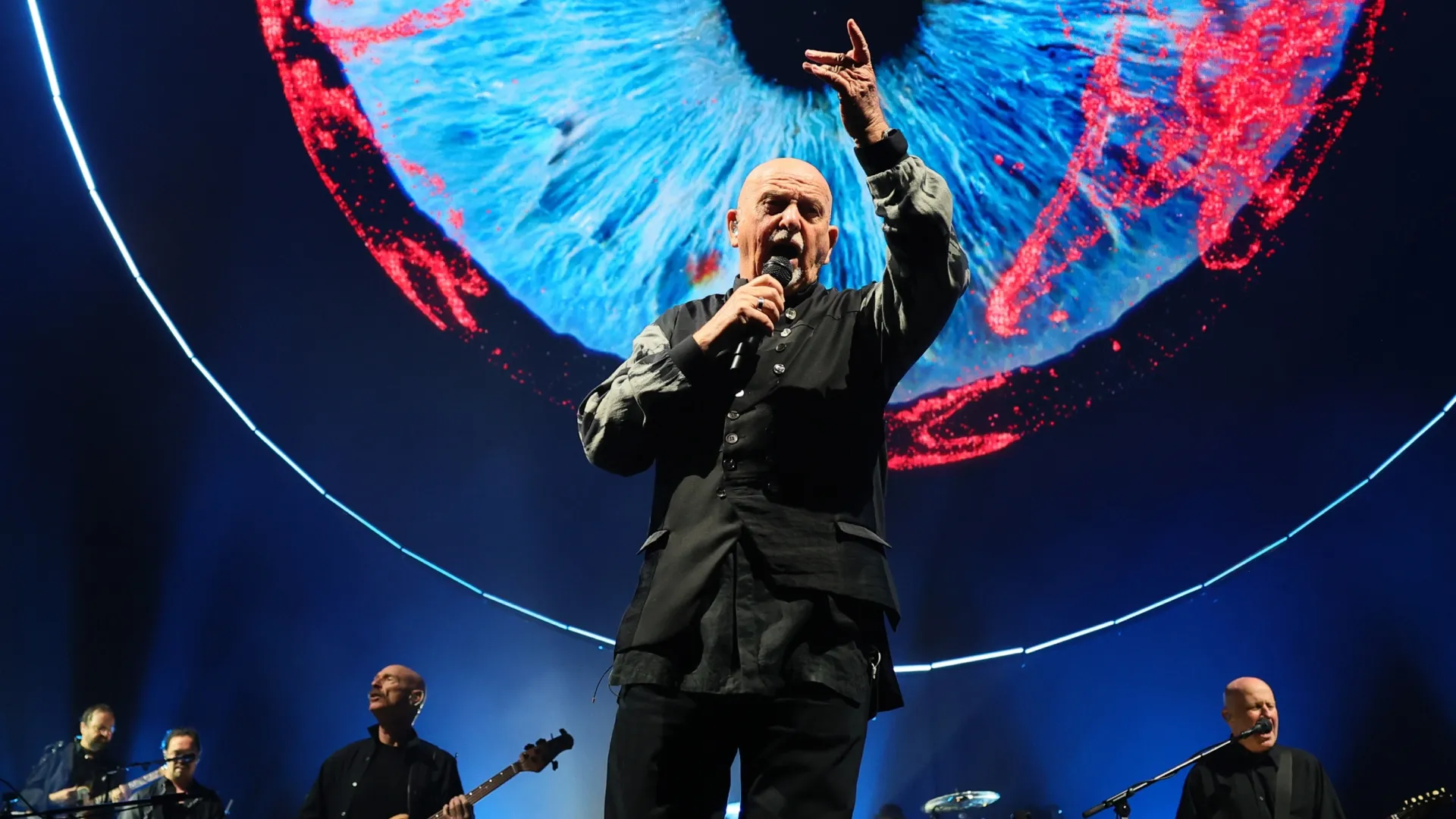
Peter Gabriel (Source: Theo Wargo/Getty Images)
Peter Gabriel’s departure from Genesis in 1975 marked a sharp turn in both his personal artistry and the wider landscape of progressive rock. As the original frontman of the band, he helped define their early, dramatic sound, but mounting creative differences and his desire to explore more experimental and theatrical territory pulled him away from the group.
His first solo single, “Solsbury Hill”, served as an autobiographical ode to that break—symbolic of stepping away from collective identity toward a deeply personal musical voice. The solo years that followed saw him not only refining his experimental rock roots but also embracing worldbeat influences and humanitarian activism, establishing him as one of the most innovative solo voices in music.
Dave Mustaine – Metallica

Dave Mustaine (Source: Kevin Winter/Getty Images)
Before Megadeth existed, Dave Mustaine was in the earliest incarnation of Metallica, contributing to the band’s formative sound as lead guitarist. His abrupt dismissal in 1983—amid interpersonal tensions and disagreements over musical direction—became a catalyst rather than a setback.
He channeled his frustration and vision into founding Megadeth, a band that would push thrash metal into new technical and thematic territories. That shift from being ousted to commanding his own heavy metal force defined his legacy: a trajectory from hopeful young guitarist in a rising band to leader of one of metal’s most respected acts.
Harry Styles – One Direction
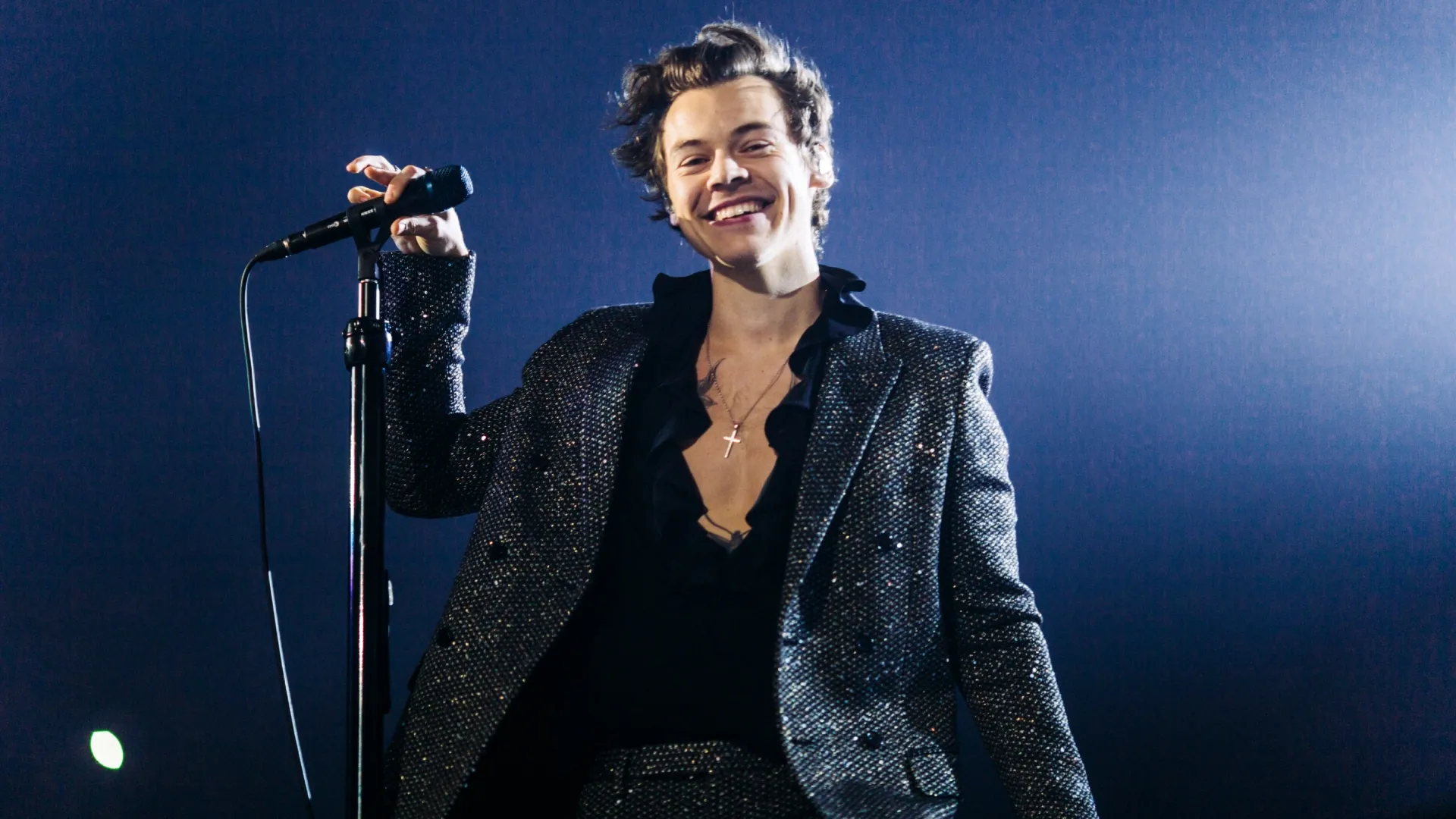
Harry Styles (Source: Handout/Helene Marie Pambrun via Getty Images)
When One Direction announced its hiatus in 2016, it signaled the end of an era for one of the most commercially successful boy bands of the 2010s. Harry Styles, in particular, embraced the pause as an opening for reinvention. Free from the group’s tightly choreographed pop framework, he leaned into a more exploratory blend of rock, folk, and singer‑songwriter sensibilities.
His debut solo albums—marked by vintage influences and introspective lyrics—garnered critical acclaim and positioned him as a distinct voice in contemporary music, far removed from the manufactured gloss of early 1D days.
Justin Timberlake – ’NSYNC
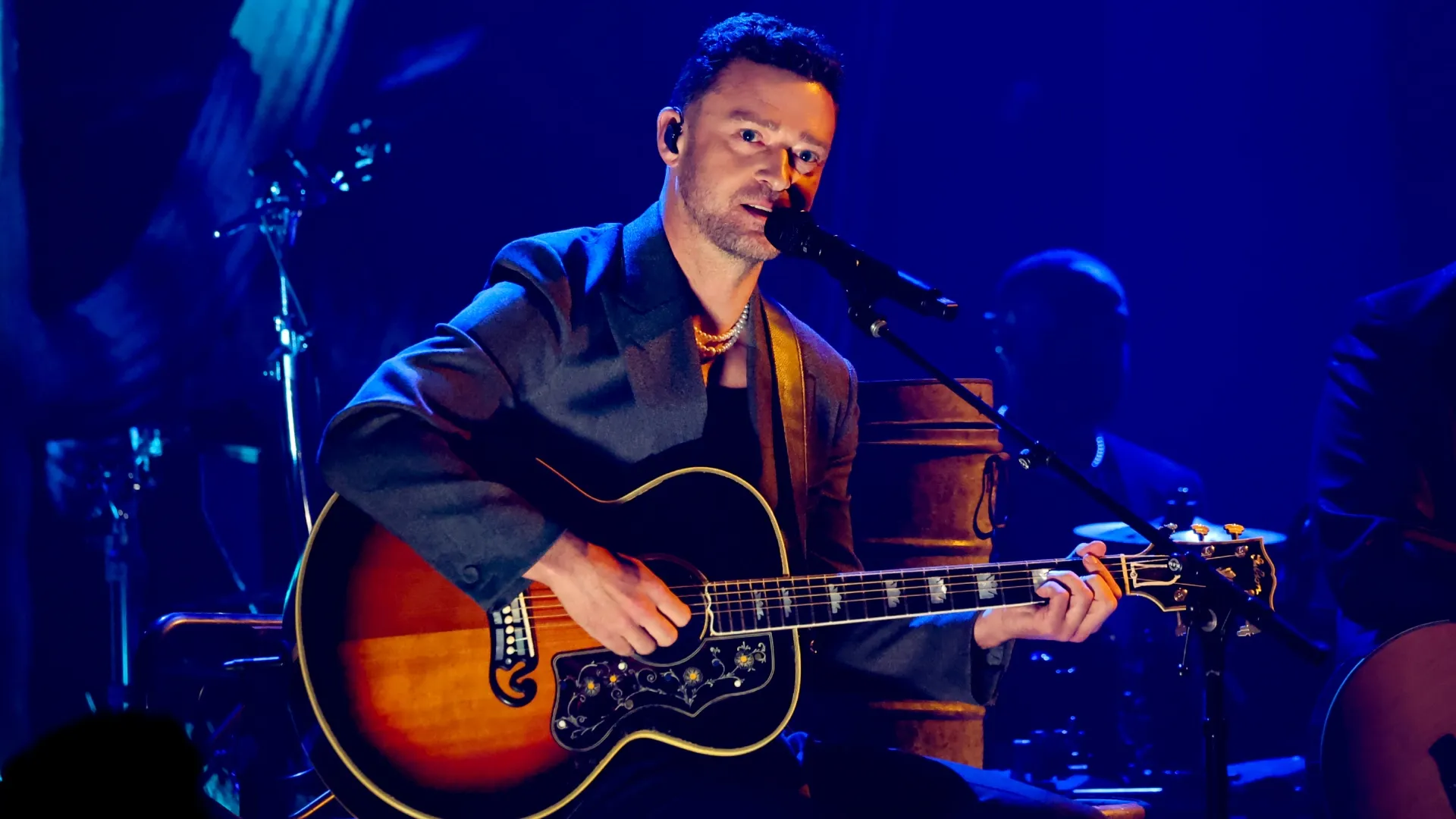
Justin Timberlake (Source: Amy Sussman/Getty Images)
At the peak of *NSYNC’s global dominance, Justin Timberlake made the bold choice to pursue a solo career, a move that surprised many fans and industry observers at the time. As the youngest lead singer of one of pop’s defining boy bands, he had already tasted massive commercial success, but he sought a broader artistic palette.
His emergence as a solo artist—beginning with Justified in 2002—showcased collaborations with forward‑looking producers and a more urban, eclectic sound. That evolution not only distinguished him from his boy band roots but also helped solidify his place as one of pop music’s most versatile and influential performers.
Beyonce – Destiny’s Child
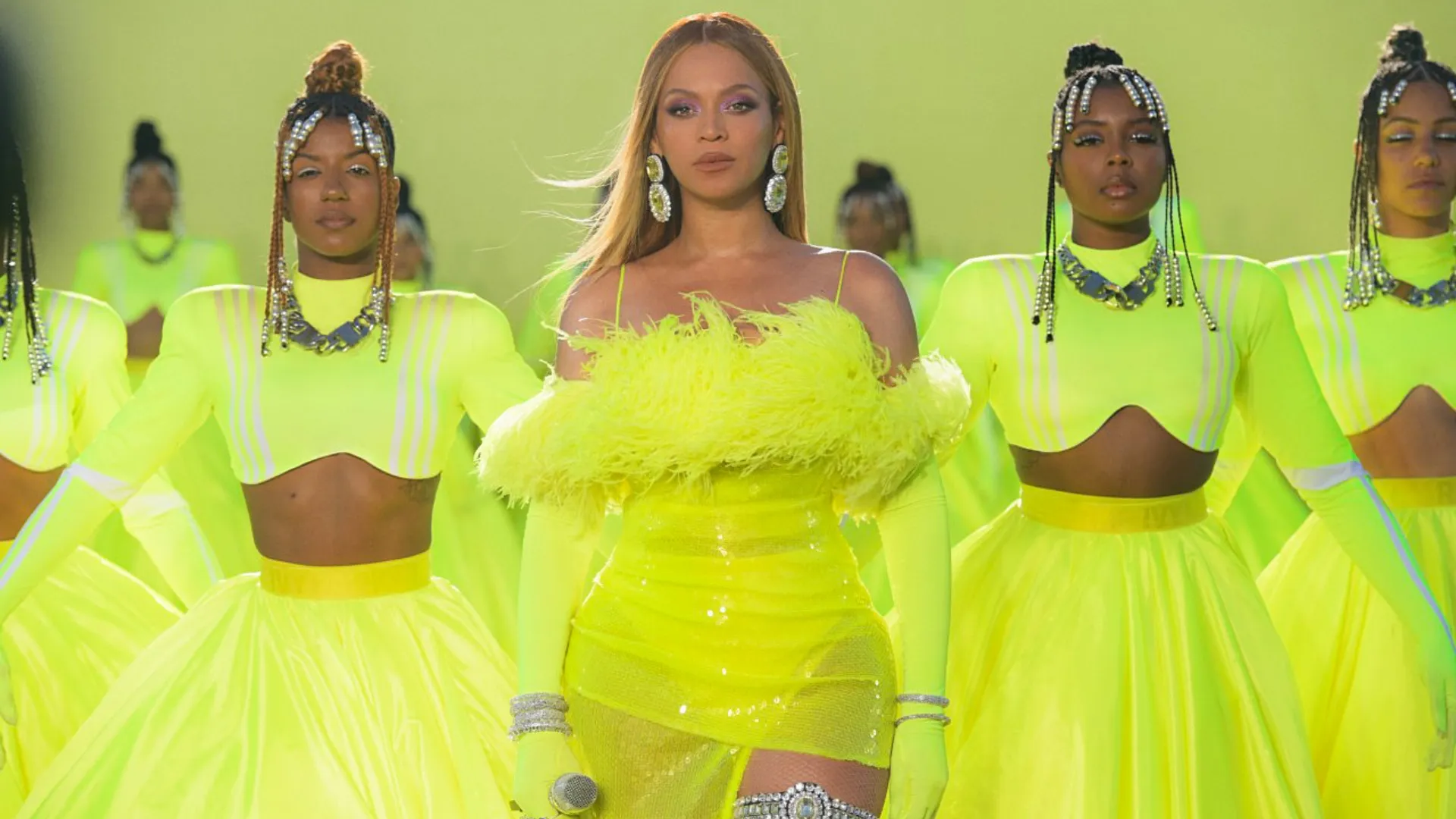
Beyonce (Source: Mason Poole/A.M.P.A.S. via Getty Images)
Before she became a global cultural phenomenon, Beyonce found her first major success in Destiny’s Child, a girl group that left an indelible mark on late‑1990s R&B. The group’s internal tensions and ever‑shifting lineup mirrored the demands of fame, but by the early 2000s, she was poised to embark on a solo path that would eclipse even the group’s considerable achievements.
Her 2003 debut Dangerously in Love introduced a new era of empowerment anthems and artistic ambition, launching a career that would shatter records and expand into acting, business ventures, and cultural influence.
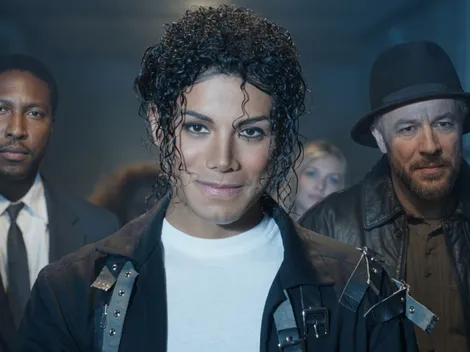
Michael Jackson – The Jackson 5
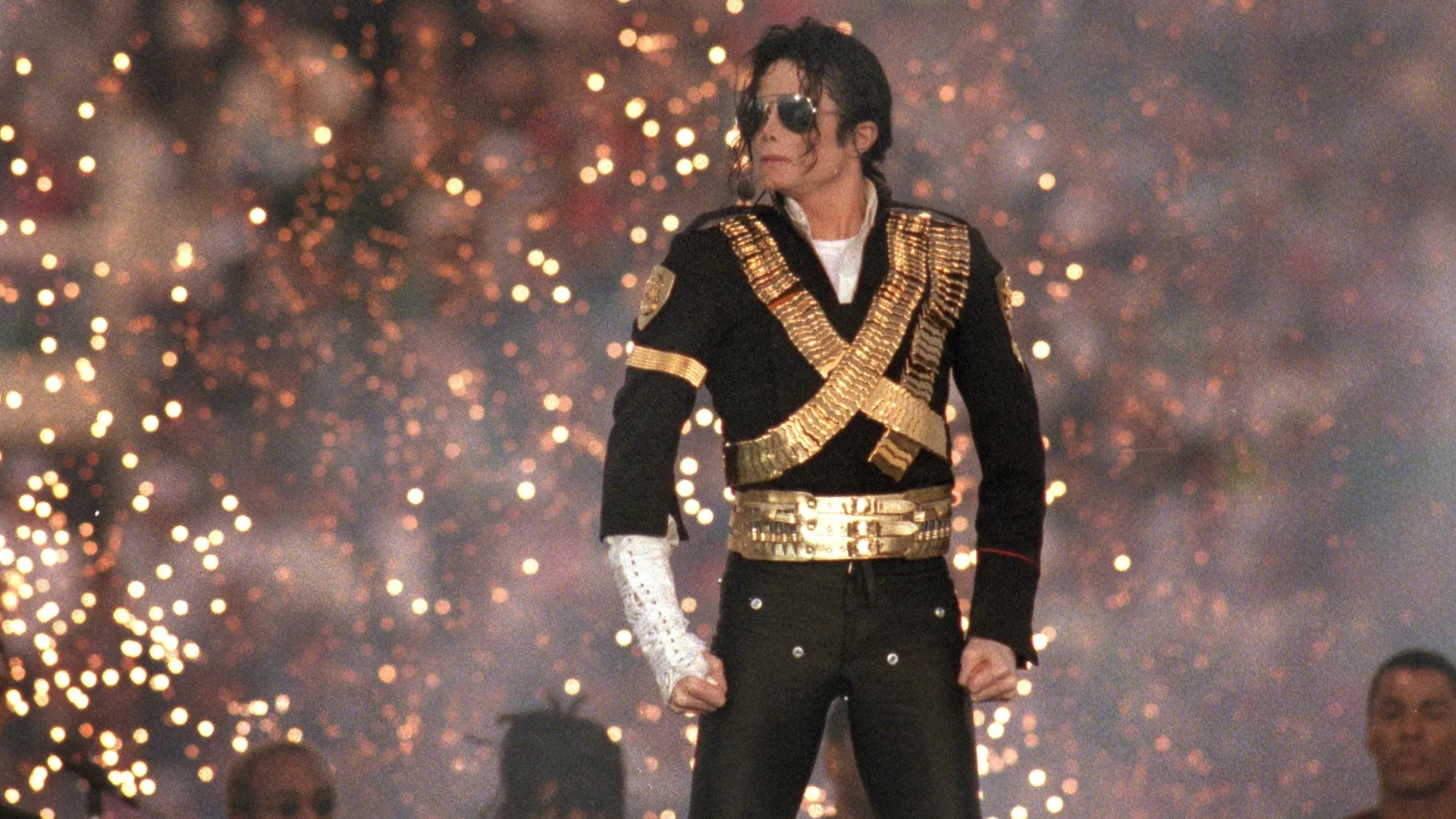
Michael Jackson (Source: George Rose/Getty Images)
Michael Jackson’s earliest artistic identity was forged in The Jackson 5, the Motown‑signed family act whose catchy hooks and choreographed energy reshaped pop and soul charts in the late 1960s and early 1970s. But as the brothers matured and Motown’s creative constraints chafed, the group’s evolving dynamics opened a door for Jackson’s solo ambitions.
His transition from Jackson 5 lead singer to solo artist was marked by a profound broadening of musical scope—melding pop, funk, soul, and rhythm & blues into a sound that would become globally iconic. With albums like Off the Wall and Thriller, he redefined what a solo pop star could be, turning individual artistry into cultural legend.
Gwen Stefani – No Doubt

Gwen Stefani (Source: Scott Dudelson/Getty Images for FIREAID)
For much of the 1990s and early 2000s, Gwen Stefani’s voice and persona were inseparable from No Doubt’s energetic blend of ska, pop‑rock and alternative flair. When the band went on hiatus in the mid‑2000s, Stefani seized the moment to redefine herself beyond the group’s identity.
Her 2004 solo debut Love. Angel. Music. Baby. was a deliberate plunge into pop and dance‑pop aesthetics, producing smash hits like “Hollaback Girl” that cemented her as a solo star on her own terms.
Over the next decade, she balanced her pop catalog with ventures into fashion and television, building a multifaceted career that stretched far beyond No Doubt’s breakout success.
Ozzy Osbourne – Black Sabbath
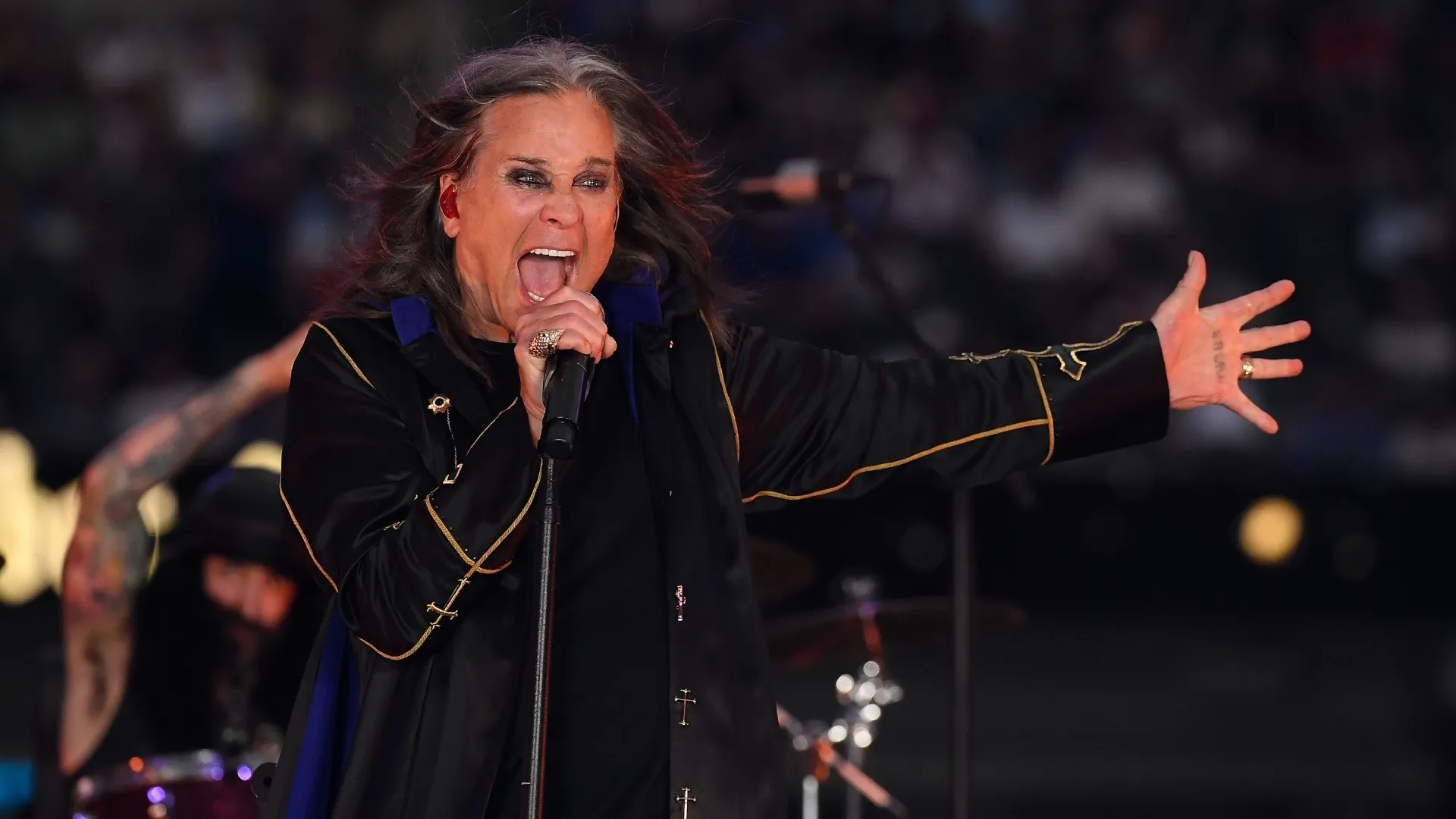
Ozzy Osbourne (Source: Kevork Djansezian/Getty Images)
Ozzy Osbourne’s expulsion from Black Sabbath in 1979 could have spelled the end of his career, but instead it laid the groundwork for one of the most storied solo journeys in heavy metal history.
Fired amid rising tensions within the band, he soon harnessed his raw charisma and dark theatricality into a solo act, releasing his debut Blizzard of Ozz in 1980—an album that gave the world iconic tracks like “Crazy Train” and launched Ozzy as a solo force.
His reinvention didn’t just sustain his career; it expanded his influence across generations of metalheads and even into reality TV fame, defining his legacy as both a pioneer and an enduring cultural figure.
Lauryn Hill – Fugees
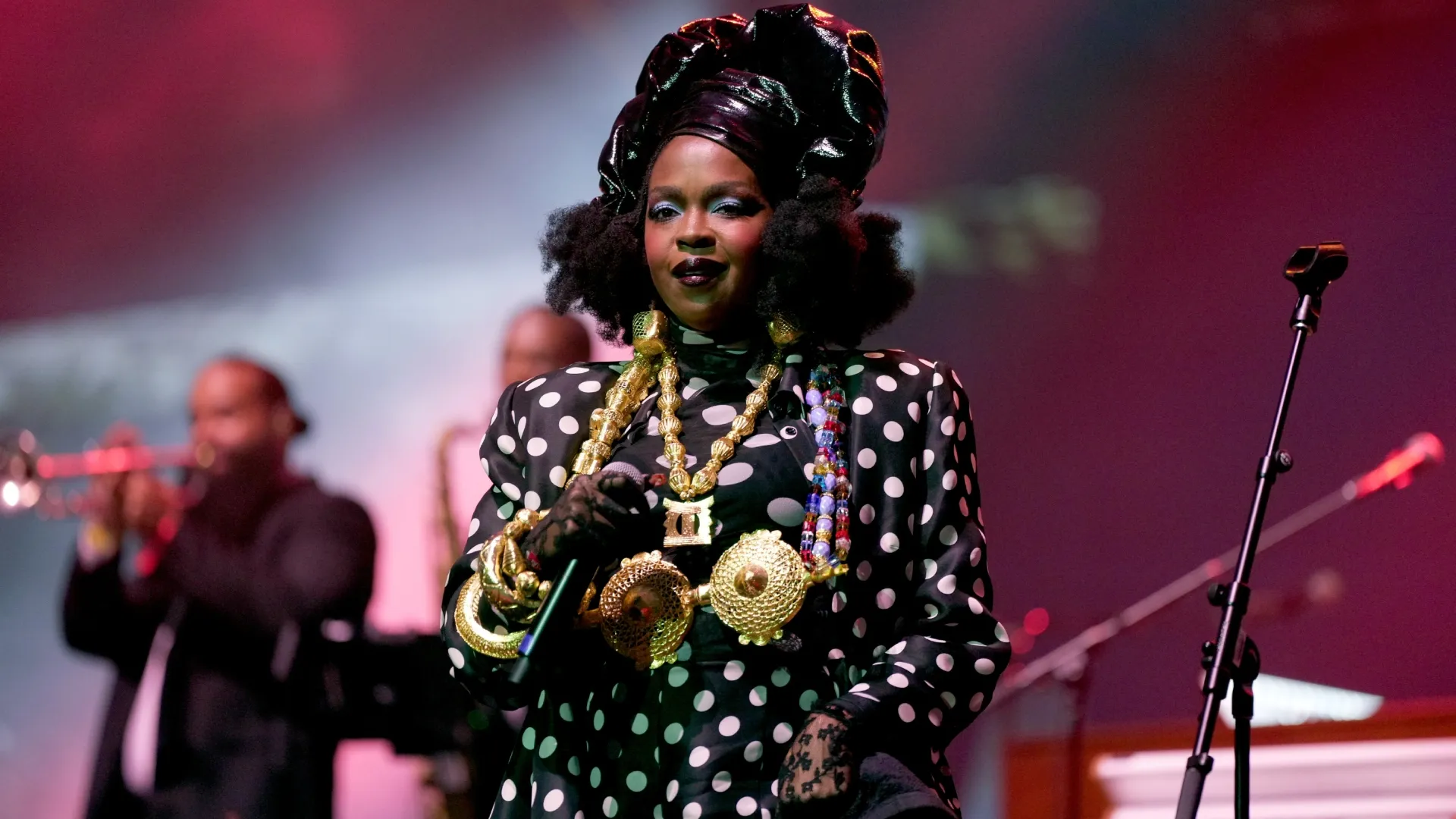
Lauryn Hill (Source: Josh Brasted/Getty Images for ESSENCE)
Lauryn Hill’s arc from Fugees frontwoman to solo icon is one of modern music’s most compelling transformations. After the group’s success in the mid‑1990s with hits that blended hip‑hop, reggae and soul, Hill’s creative ambitions led her to craft The Miseducation of Lauryn Hill, a 1998 solo album that intertwined deeply personal themes with genre‑blurring artistry.
Its emotional breadth and introspective depth resonated globally and earned multiple Grammy Awards, but the pressures of fame and expectations also precipitated her retreat from the spotlight, leaving behind a solo work that still looms large in music history.
Sting – The Police
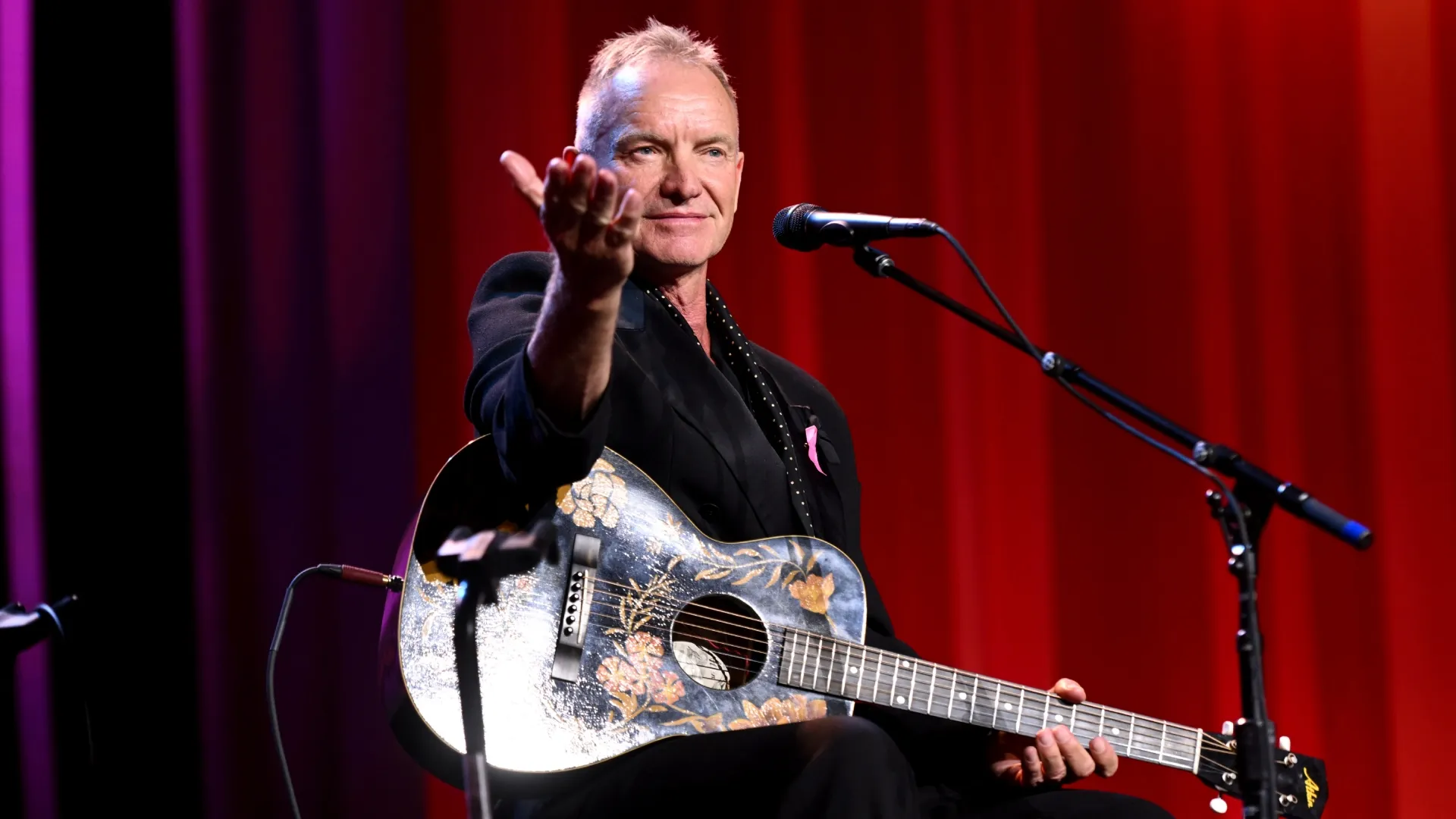
Sting (Source: Noam Galai/Getty Images for Breast Cancer Research Foundation)
When Sting stepped away from The Police in the mid‑1980s, he walked out of a band that had conquered global charts with reggae‑inflected rock anthems like “Every Breath You Take.” His transition to solo artist allowed him to explore broader musical terrains—infusing jazz, world music and classical elements into contemplative pop.
Albums such as …Nothing Like the Sun and Brand New Day not only earned critical acclaim and commercial success but also showcased his evolution from band frontman to thoughtful, genre‑bending songwriter. His solo path reaffirmed that leaving a celebrated group can be a leap toward deeper artistic expression.
Dr. Dre – World Class Wreckin’ Cru & N.W.A
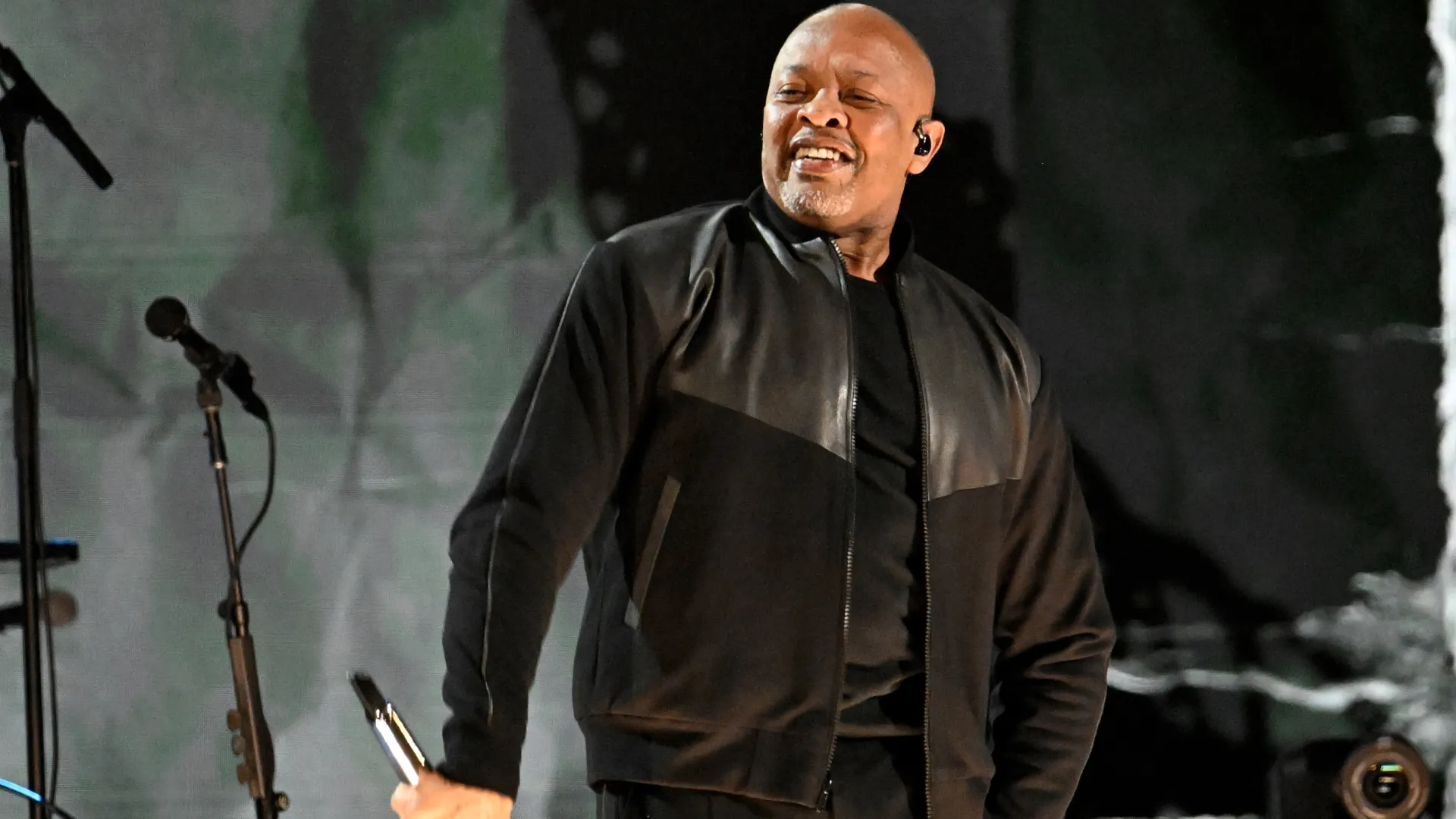
Dr. Dre (Source: Scott Dudelson/Getty Images for FIREAID)
Before Dr. Dre became Dr. Dre, he was part of the electro‑funk outfit World Class Wreckin’ Cru and later a founding member of N.W.A, the Los Angeles crew that brought gangsta rap to mainstream attention. After N.W.A dissolved in the early 1990s, he channeled his talents into a solo career and production work that reshaped hip‑hop.
His 1992 debut The Chronic introduced G‑funk’s laid‑back grooves and solidified his reputation as both a visionary artist and a producer capable of launching other major careers. Leaving his early groups didn’t just change his life— it transformed the direction of West Coast hip‑hop.
Stevie Nicks – Fleetwood Mac
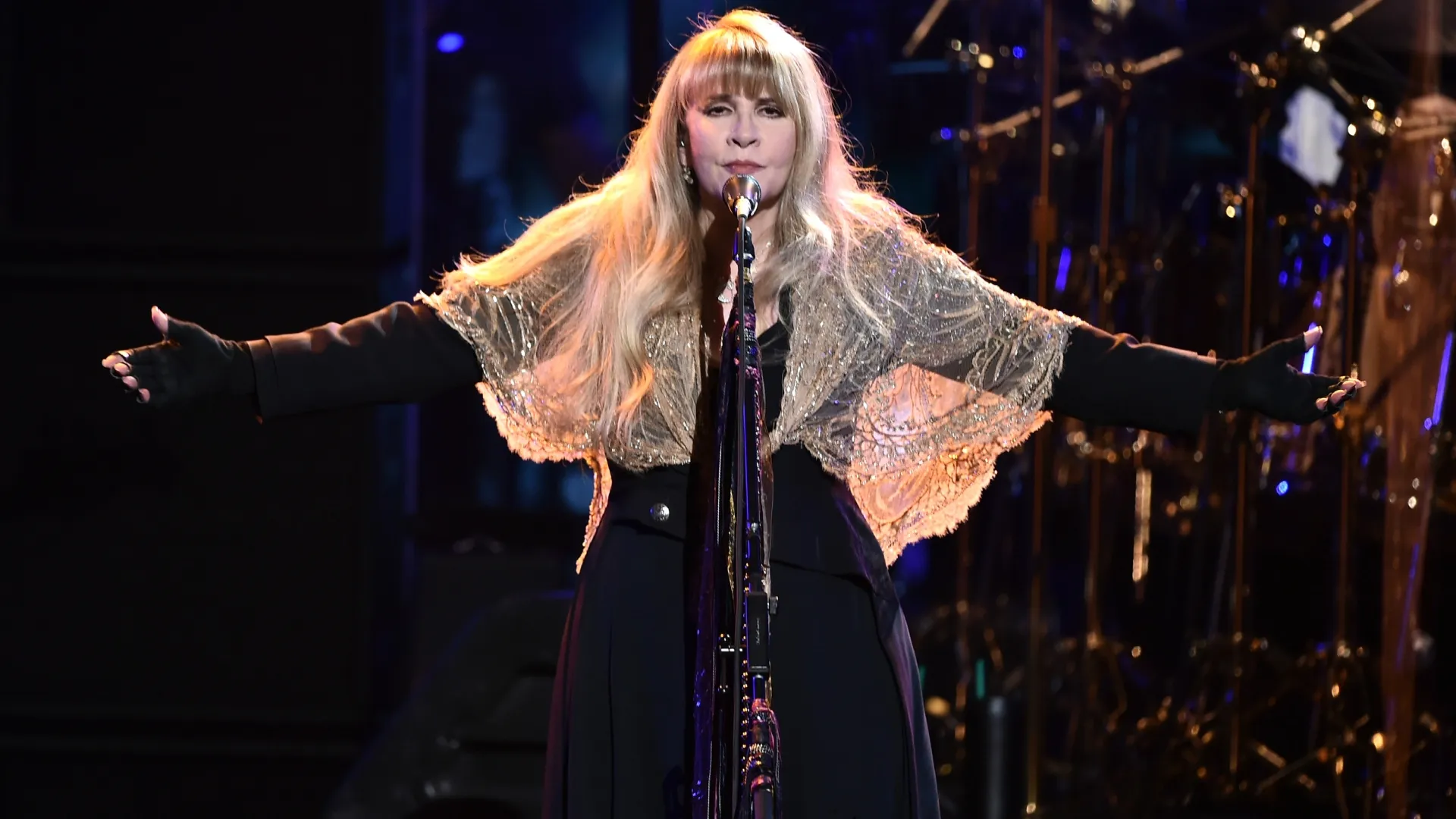
Stevie Nicks (Source: Steven Ferdman/Getty Images)
Stevie Nicks’ relationship with Fleetwood Mac was symbiotic: her ethereal voice and poetic lyricism helped define the band’s most iconic era. Yet even at the height of that success, she felt the pull toward her own artistic identity. Her solo debut in 1981, Bella Donna, juxtaposed with her work in Fleetwood Mac and yielded timeless tracks like “Edge of Seventeen”.
Though she didn’t fully sever ties with the band, her solo endeavors ran parallel to Fleetwood Mac’s trajectory, giving her space to explore personal themes and a mystique all her own—further proving that stepping outside a group can deepen an artist’s creative imprint.
Camila Cabello – Fifth Harmony

Camila Cabello (Source: Matt Winkelmeyer/Getty Images for iHeartRadio)
Camila Cabello’s departure from Fifth Harmony in late 2016 marked a decisive turn in her career from girl‑group member to pop breakout star. Frustrated by creative constraints and eager to explore songwriting and a personal artistic identity, she pursued a solo path that soon yielded chart‑topping hits like “Havana”.
Her exit wasn’t devoid of tension—the transition revealed differing visions within the group—but it ultimately allowed her to craft a distinct brand and musical voice that gained global traction beyond the collective achievements of Fifth Harmony.