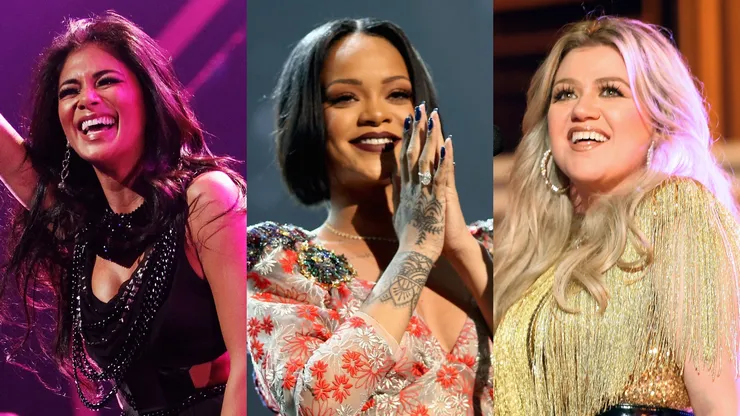
In the music industry, a song’s path to success is rarely straightforward. Tracks that now define artists’ careers often started as ideas dismissed, overlooked or even rejected by others before finding the voice that would carry them to the top of the charts.
These ten songs exemplify the unpredictable alchemy of pop culture. Some were turned down by established stars who couldn’t see their potential, others were shelved by record labels until a more fitting artist breathed life into them.
Rihanna – “Umbrella” | Rejected by Britney Spears
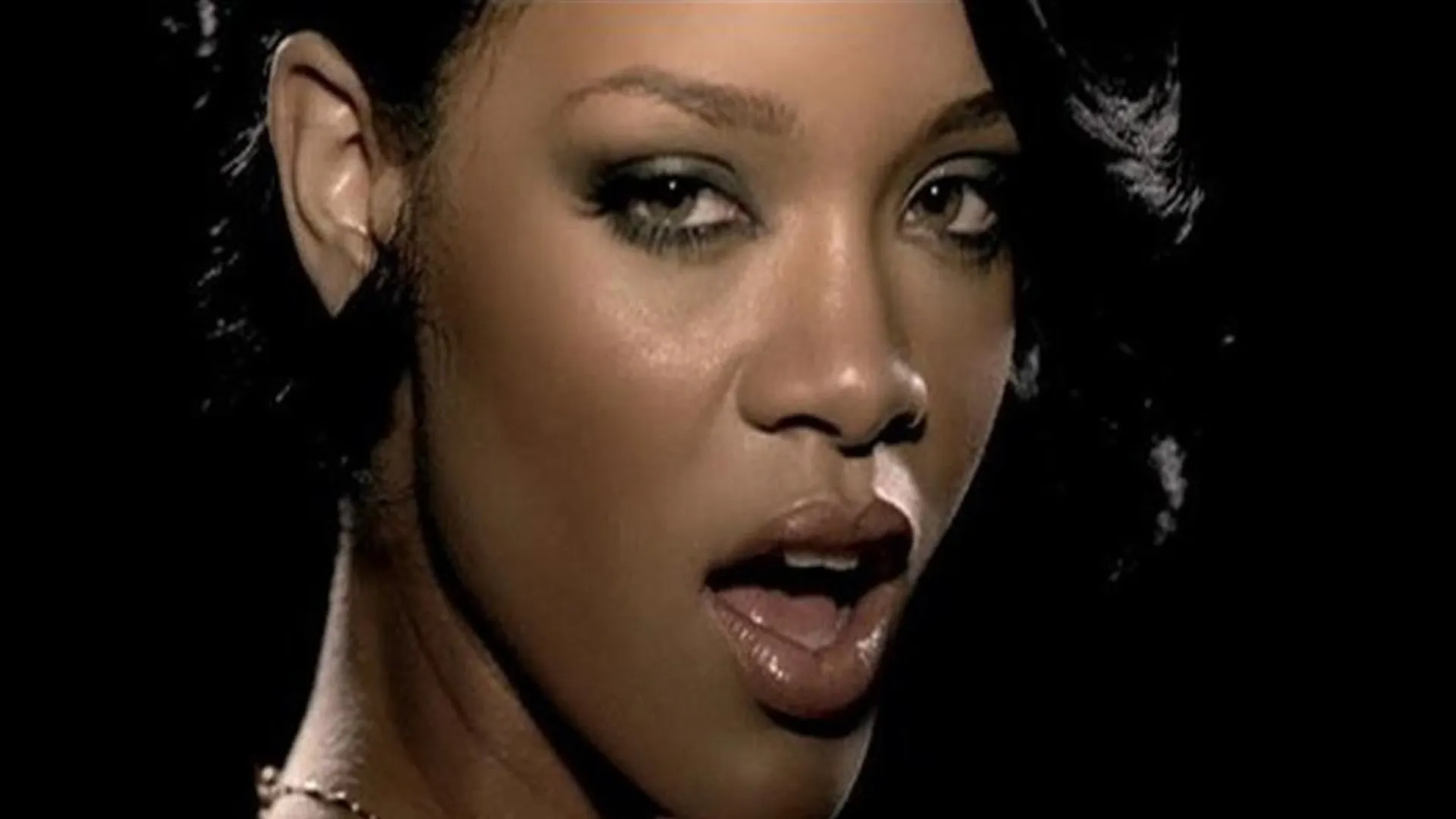
Rihanna in the official video for Umbrella (Source: IMDb)
Before becoming one of the defining pop anthems of the 2000s and a career milestone for Rihanna, “Umbrella” was originally crafted with another pop titan in mind. Songwriters The‑Dream and Tricky Stewart reportedly offered the track to Britney Spears’ camp, but her label passed on it during sessions for her Blackout era, thinking she already had enough material.
When the song eventually landed with Riri in 2007, it exploded into a global phenomenon, topping charts in more than seventeen countries and selling millions of copies, while its catchy hook and Jay‑Z intro became instantly iconic.
Kelly Clarkson – “Since U Been Gone” | Rejected by P!nk and Hilary Duff
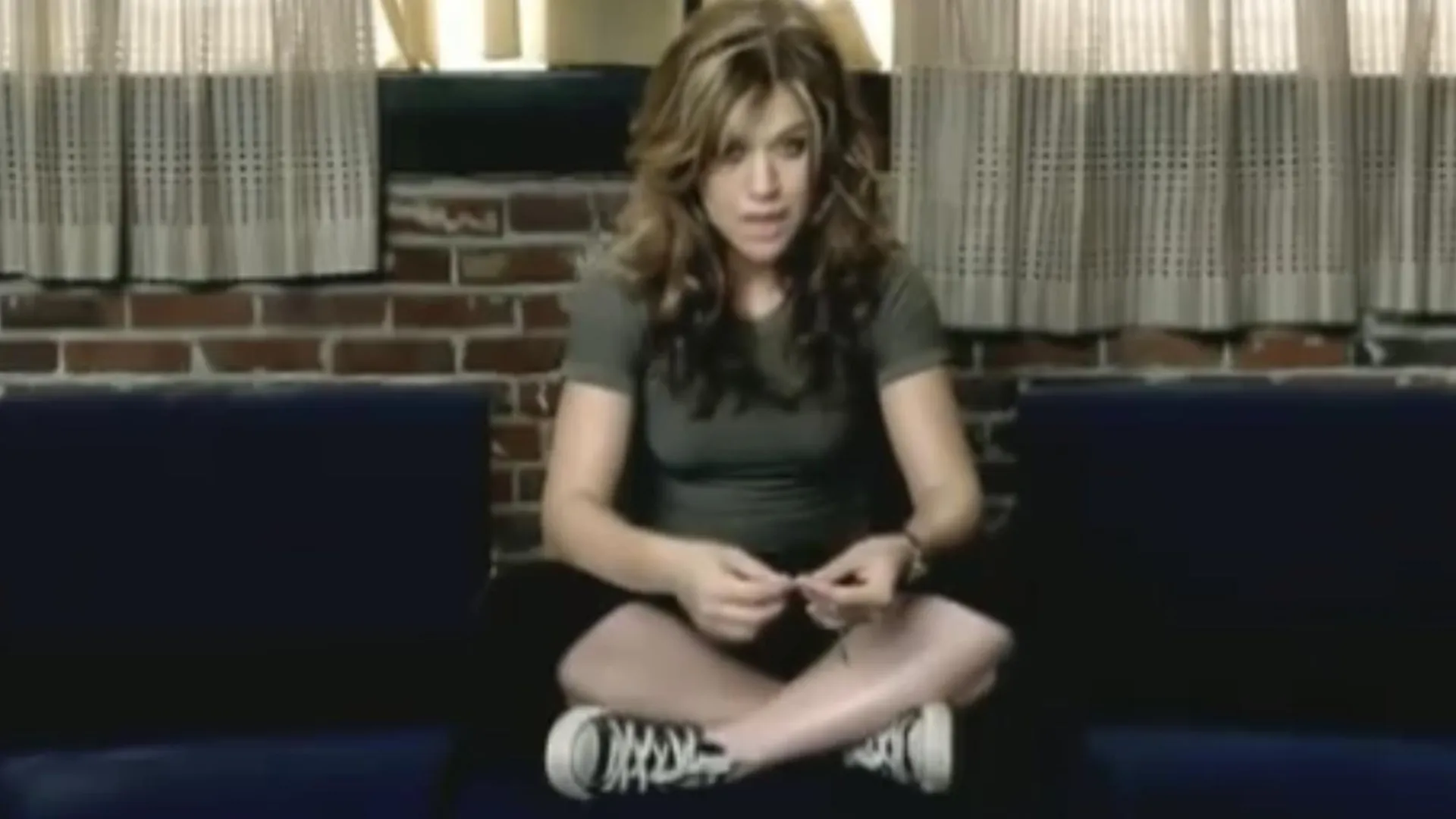
Kelly Clarkson in the official video for Since U Been Gone (Source: IMDb)
“Since U Been Gone” transformed Kelly Clarkson’s career, but it nearly belonged to someone else. The song’s original writers, Max Martin and Dr. Luke, pitched it first to P!nk, who declined, and then to Hilary Duff, who reportedly struggled to hit the necessary high notes.
When she finally took it on, she infused the track with rock‑tinged energy and punchy hooks that resonated with a generation moving past heartbreak. The result was a defining hit of the early 2000s, cementing Clarkson’s place beyond her American Idol origins.
Whitney Houston – “How Will I Know” | Rejected by Janet Jackson
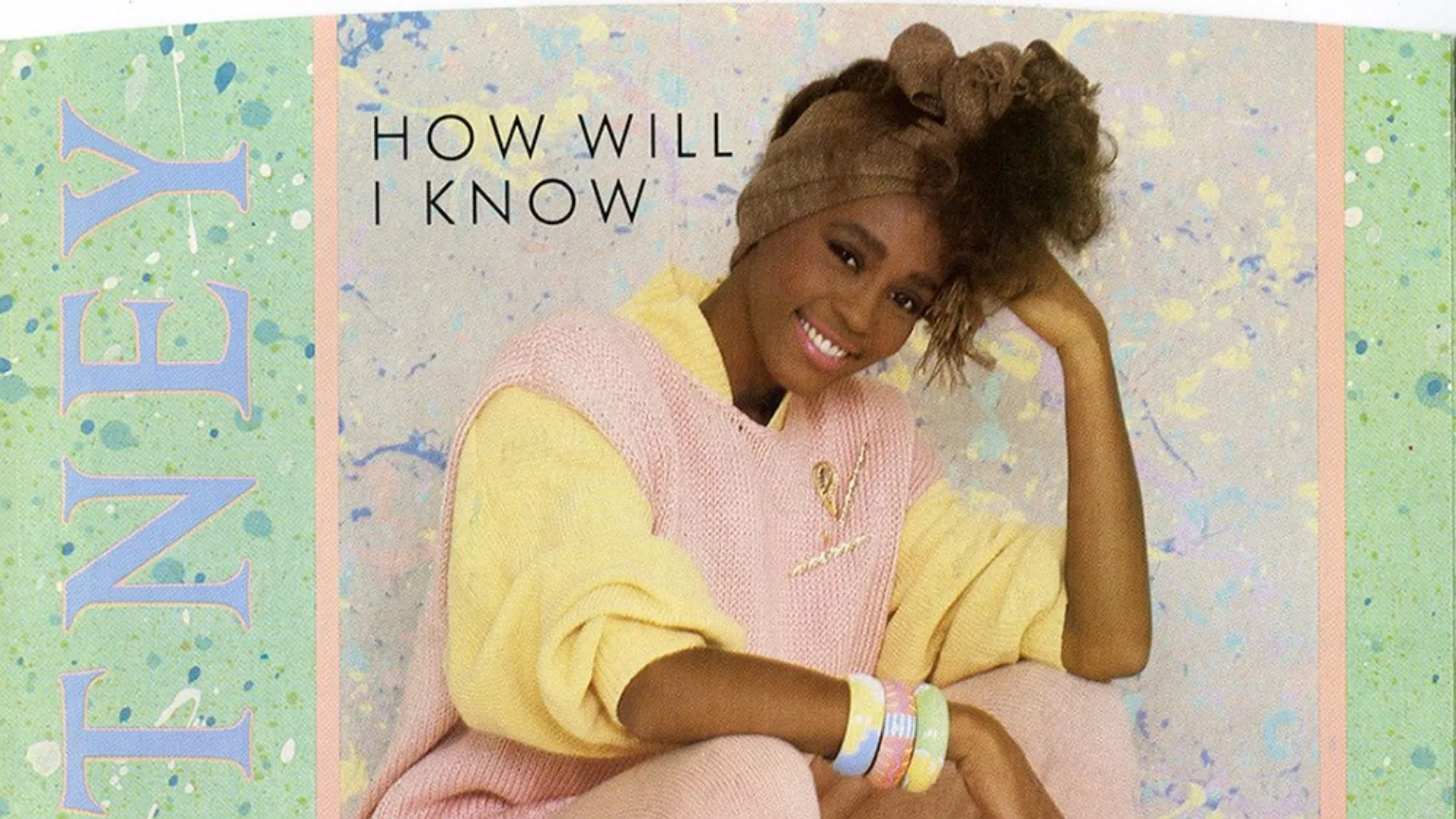
Whitney Houston on the official cover of the song How Will I Know (Source: IMDb)
One of Whitney Houston’s earliest pop crossovers almost never happened. Legendary songwriters George Merrill and Shannon Rubicam designed “How Will I Know” with Janet Jackson in mind, but Jackson’s team passed on the track, feeling it didn’t fit the direction she was developing at the time.
The song eventually found its way to Houston and became a breakthrough hit from her 1985 self‑titled debut, climbing to number one on the Billboard Hot 100 and helping establish her as a global pop icon.
Justin Timberlake – “Rock Your Body” | Rejected by Michael Jackson
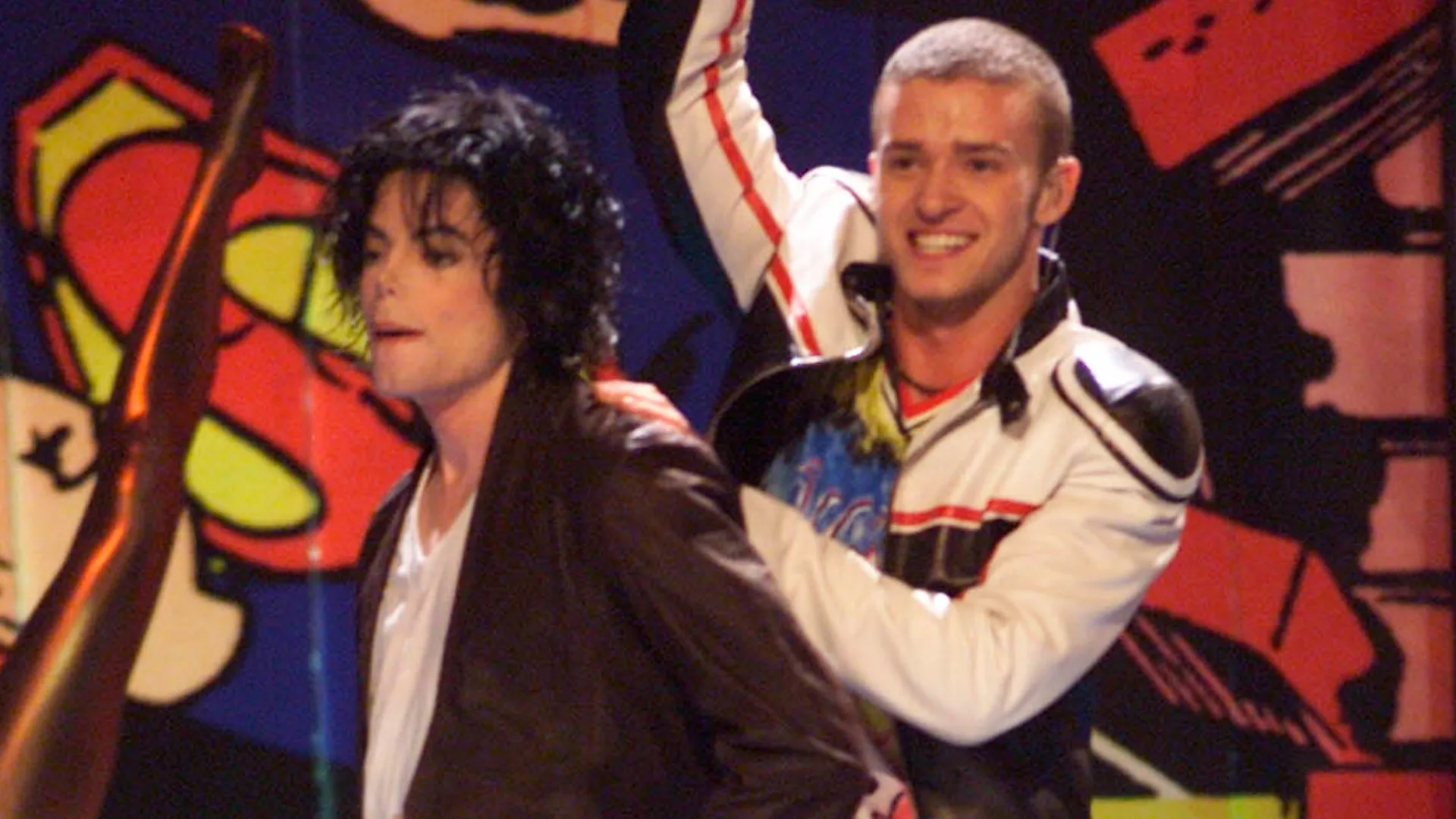
Michael Jackson and Justin Timberlake (Source: Scott Gries/ImageDirect)
Before Justin Timberlake brought “Rock Your Body” to the masses as a standout song from his solo debut Justified, the track was originally written by Pharrell Williams and Chad Hugo of The Neptunes for Michael Jackson’s planned album Invincible.
Jackson declined to record it, and Timberlake seized it as part of his transition from boy‑band fame to solo artistry. The result was a funky, danceable hit that helped define Timberlake’s post‑NSYNC sound and broadened his appeal beyond pop to R&B and dance audiences.
Ellie Goulding – “Love Me Like You Do” | Rejected by Tove Lo
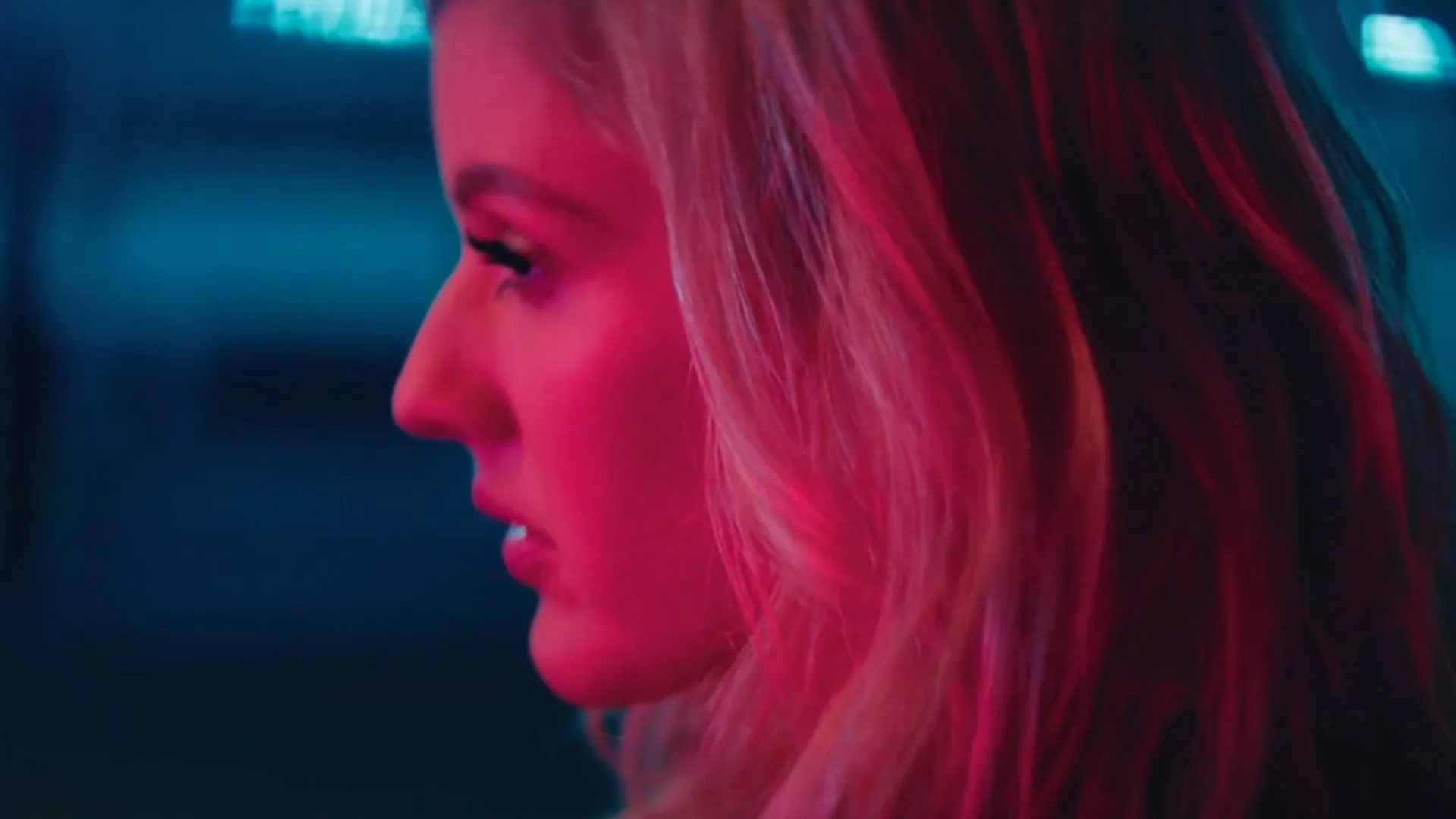
Ellie Goulding in the official video for Love Me Like You Do (Source: IMDb)
Although “Love Me Like You Do” became a defining pop ballad tied to the Fifty Shades of Grey soundtrack and one of Ellie Goulding’s biggest hits, it was originally meant for its co‑writer Tove Lo.
The Swedish songwriter and collaborators crafted the song’s sweeping, synth‑laden arrangement before it was offered to Goulding instead. Her ethereal vocals and dramatic delivery helped the track resonate globally, turning it into a chart‑topping moment that reinforced her versatility as a pop artist.
The Pussycat Dolls – “Don’t Cha” | Rejected by Tori Alamaze and Paris Hilton

The Pussycat Dolls on the official cover of the song Don’t Cha (Source: IMDb)
Before it became the Pussycat Dolls’ breakout smash and a staple of early‑2000s pop‑R&B, “Don’t Cha” circulated among artists who passed on it. The song was initially offered to Tori Alamaze, whose version didn’t gain traction, and later to Paris Hilton, who also chose not to record it.
Eventually picked up by the Pussycat Dolls, the track’s cheeky, confident attitude and catchy hook propelled it into one of 2005’s biggest hits and helped establish the group’s signature sound.
Pharrell Williams – “Happy” | Rejected by CeeLo Green
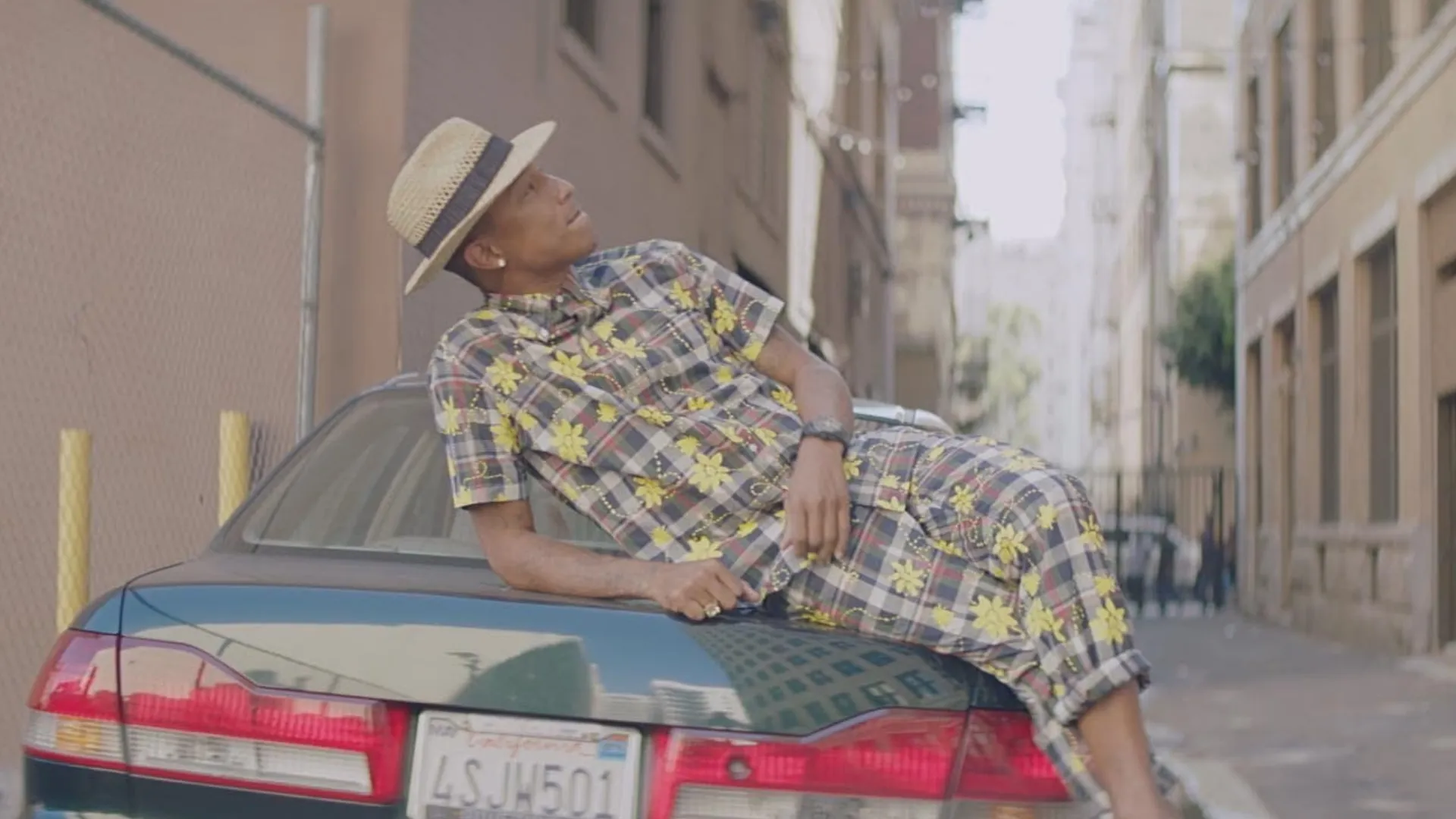
Pharrell Williams in the official video for Happy (Source: IMDb)
Long before“Happy” became the global feel‑good anthem that dominated charts and airwaves, it was pitched to CeeLo Green as a potential single. Pharrell Williams later revealed that Green recorded a version of the song, but his label shelved it in favor of a holiday project, shelving what would have been a career‑defining moment.
When he reclaimed the track for his own 2013 G I R L album, the hit went on to spend weeks atop the Billboard charts, became a soundtrack staple, and cemented itself as one of the most ubiquitous pop songs of the decade. Its infectious positivity and universal message of joy turned what could’ve been forgotten into an enduring cultural phenomenon.
Britney Spears – “I’m a Slave 4 U” | Rejected by Janet Jackson
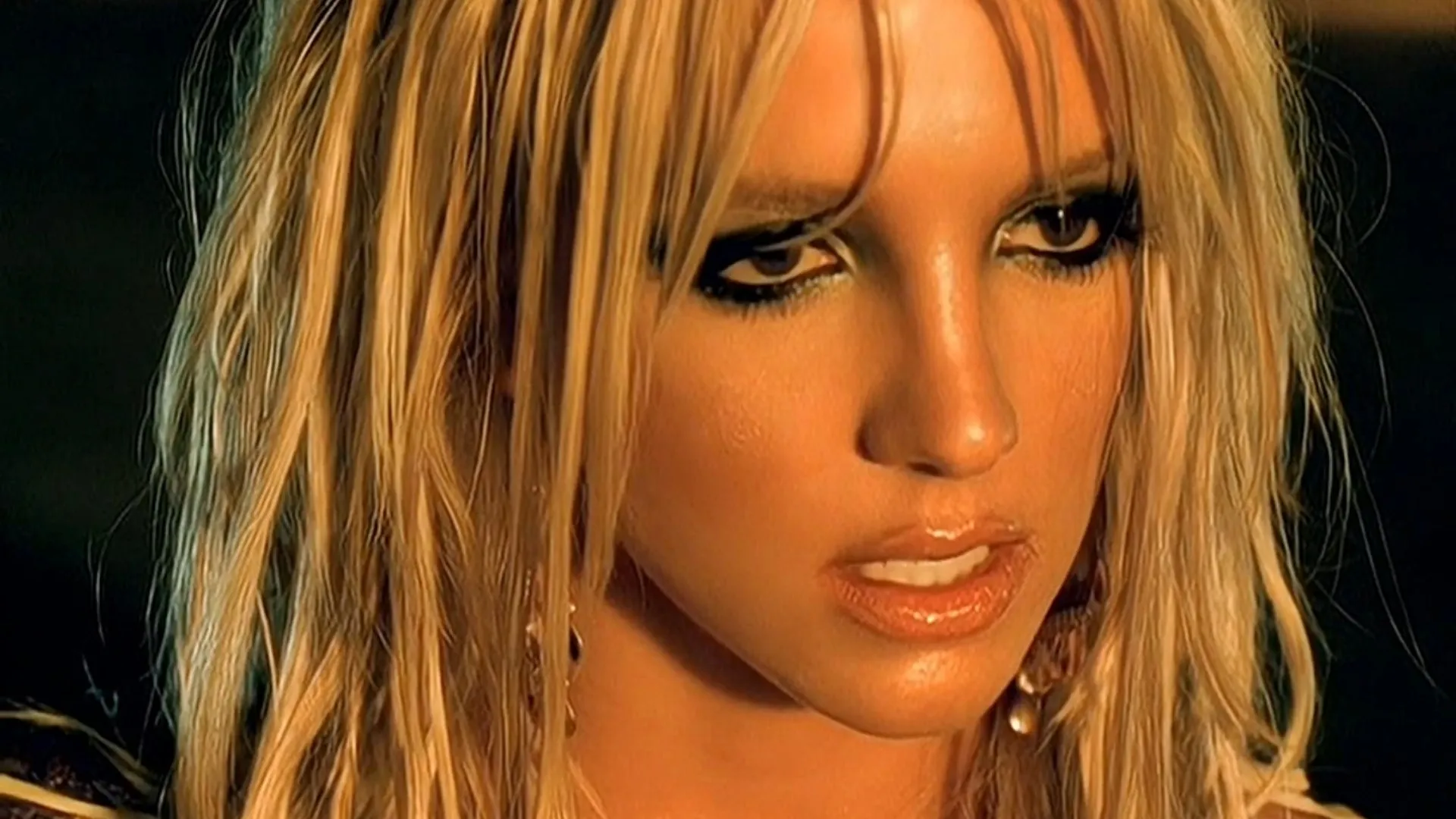
Britney Spears in the official video for I’m a Slave 4 U (Source: IMDb)
When The Neptunes penned the sultry, R&B‑inflected “I’m a Slave 4 U”, it was initially intended for Janet Jackson’s All for You era—an album shaped by provocative, mature themes. According to session lore, her camp passed on the track, possibly due to content concerns or stylistic fit, leaving the song available for other artists.
Britney Spears embraced the song and its sensual energy as the lead single for her 2001 album Britney, triggering a bold reinvention that cast her as a more adult, dance‑floor–oriented pop star. Though it peaked outside the Billboard Hot 100 top ten, it became one of her signature performances and a defining early‑2000s club anthem.
Ed Sheeran – “Shape of You” | Rejected by Rihanna
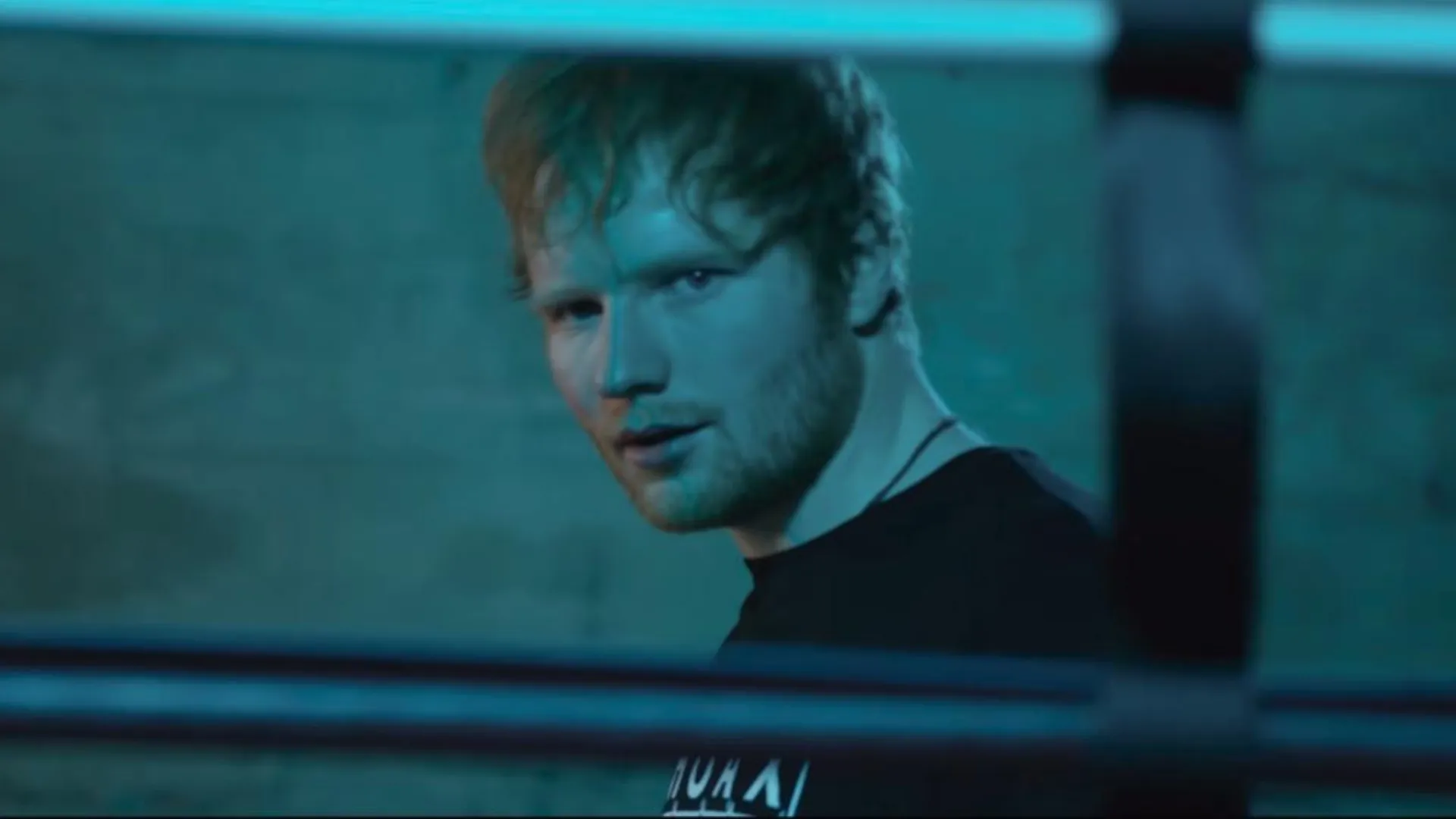
Ed Sheeran in the official video for Shape of You (Source: IMDb)
One of the best‑selling digital singles in history, “Shape of You” almost belonged to another pop icon. Songwriters initially envisioned it for Rihanna, believing the track’s dancehall‑flavored groove and catchy melody would perfectly suit her tropical pop sensibilities.
But the song ended up in Ed Sheeran’s hands instead, and he recorded it for his 2017 album ÷, where it exploded into a worldwide smash. Though Riri’s version was never publicly released, his reinterpretation reshaped his career with a fully pop‑centric, rhythmic focus that broadened his global appeal and dominated streaming platforms.
Beyonce – “Irreplaceable” | Rejected by Shania Twain
Beyonce in the official video for Irreplaceable (Source: IMDb)
Before it became Beyonce’s definitive breakup anthem, Irreplaceable was a song pitched with another star in mind. Songwriter Ne‑Yo originally offered the track to Shania Twain, believing its lyrical blend of emotional resilience and relationship closure might translate in a country‑pop crossover context.
When that version didn’t materialize, Beyonce’s camp picked it up, and the singer transformed it into a mid‑2000s powerhouse hit. With its memorable acoustic guitar hook and declarative chorus, “Irreplaceable” became one of Beyoncé’s most enduring chart toppers, showcasing her ability to blend R&B sensibilities with universal themes of empowerment.
Adam Lambert – “Whataya Want from Me” | Rejected by P!nk
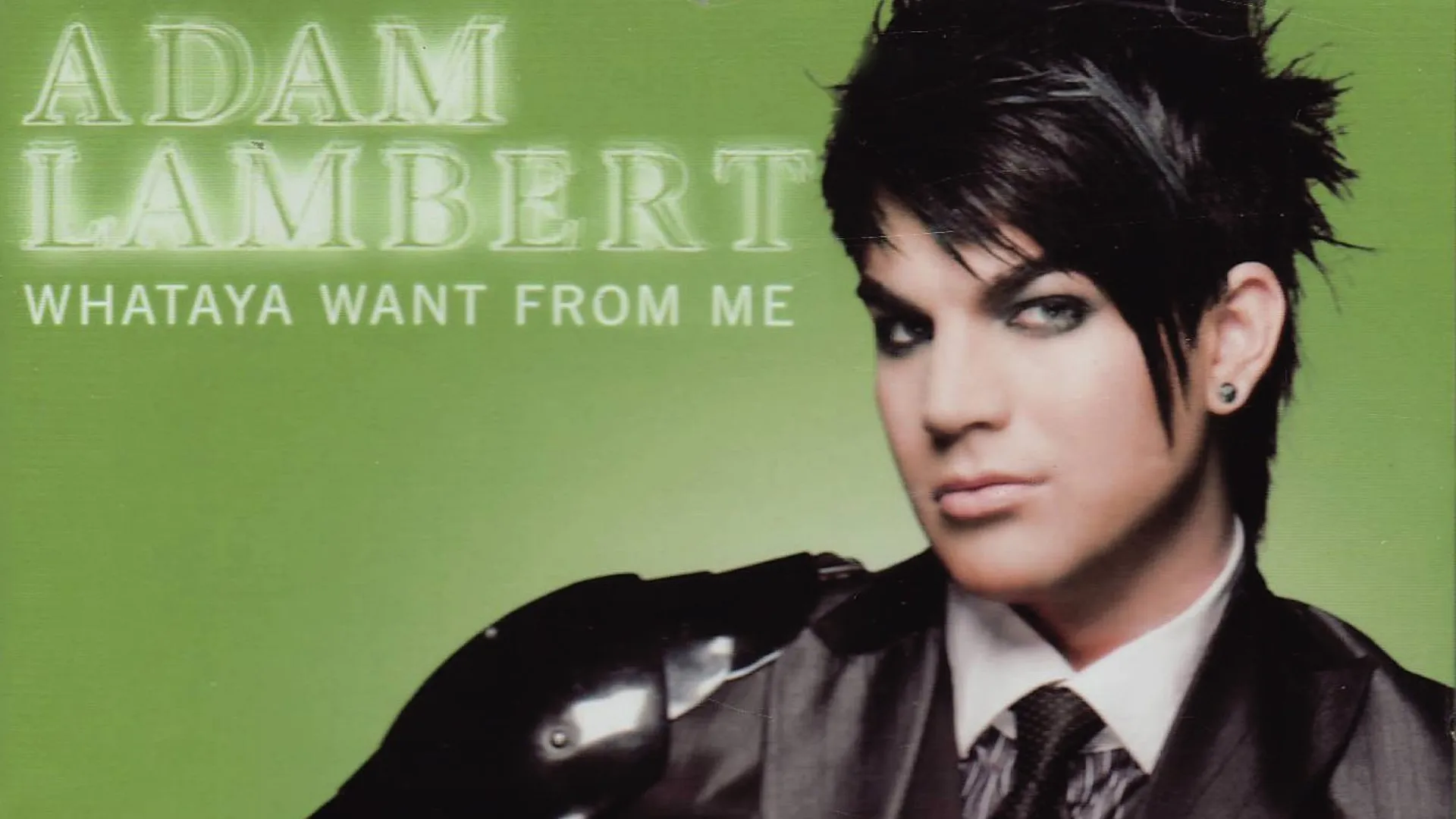
Adam Lambert on the official cover of the song Whataya Want from Me (Source: IMDb)
While “Whataya Want from Me” is now synonymous with Adam Lambert’s breakthrough era, the song was first co‑written and recorded as a demo by P!nk for her 2008 Funhouse sessions. Despite her powerful rock‑pop delivery, the track didn’t make her final album cut, leaving it available for other artists to interpret.
His version, released in 2009, showcased his wide vocal range and emotional depth, turning a vulnerable plea for understanding into a top‑ten hit and one of his most recognizable singles. Its success highlighted how a song’s emotional core sometimes finds its truest expression with the right voice at the right moment.