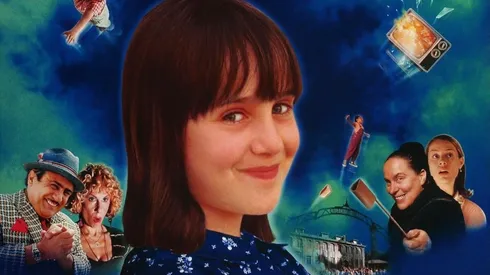
Yet, numbers rarely tell the whole story in Hollywood. What began as a modest theatrical release quickly transformed through home video, television broadcasts, and streaming into one of the most beloved and culturally influential family films of the late 20th century.
Thirty years after Matilda Wormwood first glued her father’s hat to his head, the film’s impact on pop culture, cinema, and generations of young viewers remains as potent as ever.
A Dark Fairy Tale That Never Talked Down to Kids
In the mid-1990s, family cinema was largely dominated by bright animated musicals and sanitized live-action comedies. Danny DeVito—who served as director, narrator, and co-star—took a radically different approach.
Working with wide-angle lenses, low camera placements, and a distinctly Dutch-tilt visual style, DeVito translated Roald Dahl’s gothic, slightly grotesque literary universe directly to the screen. He captured the world precisely as a child sees it: where adults can appear impossibly huge, intimidating, and unreasonable, while small acts of kindness feel monumental.
Rather than patronizing young audiences, the film respected their intelligence and validated their anxieties. It acknowledged a truth few children’s movies dared to touch—that parents can sometimes be foolish or negligent, and that authority figures aren’t always right.
The Birth of an Unconventional Heroine
At the heart of the film’s enduring legacy is Mara Wilson’s performance as Matilda. Unlike typical Hollywood child characters who relied on precocious sass or cute tropes, Wilson played Matilda with quiet dignity, intense focus, and profound empathy.
For millions of young readers and bookworms, Matilda became the ultimate hero. She didn’t gain her telekinetic powers through a superhero origin story or magical artifact; her magic blossomed from self-reliance, relentless curiosity, and a love for literature. Walking to the local library pulling a wagon full of books became an iconic image of childhood empowerment.
Unforgettable Scenes and Larger-Than-Life Characters
Part of what keeps Matilda permanently lodged in the public consciousness is its series of endlessly quotable, visually unforgettable set pieces:
Bruce Bogtrotter and the Chocolate Cake: Pam Ferris’s terrifying turn as Headmistress Agatha Trunchbull peaked during the forced consumption of a massive chocolate cake. What was intended as a cruel punishment turned into a cinematic triumph when the entire student body chanted, “Bruce! Bruce! Bruce!”
The Sanctuary of Miss Honey: Embeth Davidtz’s portrayal of Miss Honey provided the ultimate contrast to the garish Wormwood household and the brutal Crunchem Hall. She became cinema’s quintessential “safe adult,” showing audiences that family isn’t strictly defined by blood, but by love and mutual respect.
A Lasting Cinematic and Cultural Ripple Effect
The long-term influence of Matilda extends far beyond nostalgia marathons. The film helped pave the way for a broader appetite for darker, more stylized children’s adaptations in the late ’90s and 2000s, including A Series of Unfortunate Events and Coraline.
It also laid the foundation for the massive success of Matilda the Musical, which conquered the West End and Broadway before being adapted back into a feature film in 2022.
Thirty years after she first stood up to Miss Trunchbull, Matilda Wormwood’s story continues to resonate because its core message is timeless: no matter how small you are, you have the power to change your story and stand up against injustice.