When “The Shining” premiered on May 23, 1980, the reaction was far from unanimous, but the film’s legacy only grew over time into one of the most dissected psychological horror movies ever made.
Based on the 1977 novel by Stephen King, the picture paired Kubrick’s clinical filmmaking style with unforgettable performances from Jack Nicholson and Shelley Duvall. Yet decades later, one of the most fascinating parts of the production’s history remains the list of actors who almost stepped into those roles instead.
The Casting Decisions That Shaped ‘The Shining’
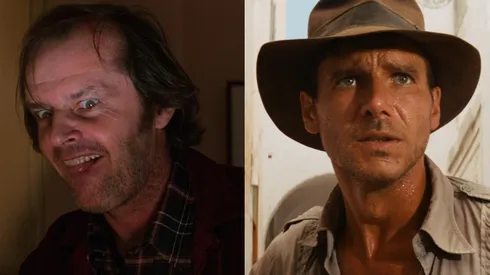
Kubrick reportedly saw Nicholson as his ideal Jack Torrance from the start, even while considering several major stars for the role. Among the names discussed were Robert De Niro, Robin Williams and Harrison Ford. De Niro later admitted the film disturbed him enough to give him nightmares for weeks, while Williams’ energy reportedly did not fit the colder psychological tone Kubrick wanted. Ford also met with resistance from King, who disagreed with several of Kubrick’s instincts for the adaptation.
King famously objected to Nicholson’s casting because he believed audiences would immediately sense danger in him. After his performance in “One Flew Over the Cuckoo’s Nest,” Nicholson already carried an unpredictable screen persona that clashed with King’s vision of Jack as an ordinary man gradually unraveling. The author instead favored actors like Jon Voight, Martin Sheen and Michael Moriarty, believing they better reflected the slow descent into madness described in the novel.
The debate around casting extended to Wendy Torrance as well. Nicholson reportedly suggested Jessica Lange for the role, but Kubrick ultimately stayed with Duvall, whose fragile and anxious screen presence became central to the film’s atmosphere. The performance drew intense criticism at the time, including from King himself, though later reassessments helped transform Duvall’s work into one of the movie’s most discussed elements. In 2022, the controversial Golden Raspberry nomination she received decades earlier was officially rescinded amid renewed scrutiny over her treatment during production.
Several supporting roles also came close to looking very different. Veteran actor Slim Pickens was offered the role of Dick Hallorann, but reportedly refused unless Kubrick agreed to limit the famously exhausting number of takes. The role instead went to Scatman Crothers, whose calm presence became one of the picture’s emotional anchors. For young Danny Torrance, Kubrick initially wanted Cary Guffey from “Close Encounters of the Third Kind,” but the actor’s parents declined because they considered the material too disturbing.
Kubrick eventually launched an enormous search that reportedly involved interviewing thousands of boys across several American cities before discovering Danny Lloyd. Protecting the young actor from the film’s darker themes became a priority, with Lloyd believing he was making a drama rather than a horror movie.
That contrast between innocence and terror would become one of the defining qualities of a movie that, 46 years later, still invites audiences to imagine how radically different horror history might have looked with another cast wandering the halls of the Overlook Hotel.