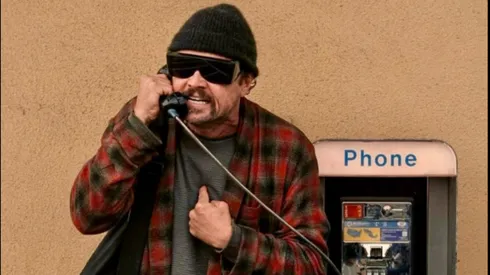
The New York Film Critics Circle (NYFCC), one of the nation’s oldest and most prestigious critics groups, announced its winners today, December 2, 2025, bestowing the coveted Best Film prize on Paul Thomas Anderson’s political action thriller, One Battle After Another. The win marks the second major Best Picture honor in two days for the Leonardo DiCaprio-led hit, following its win at the Gotham Awards.
While the top prize went to Anderson’s blockbuster, the NYFCC’s selections were notable for awarding a highly diverse and international field of talent, instantly shaking up the Oscar races.
The Big Winner: Best Film and Supporting Actor
Best Film: One Battle After Another

Paul Thomas Anderson’s latest film cemented its status as a critical heavyweight, taking home the top honor. The film also secured a win for Best Supporting Actor, which went to Benicio del Toro for his subtle but impactful performance as Sensei. Del Toro’s win is seen as a key boost that thrusts him into the forefront of a highly competitive Oscar category.
The Most Surprising Acting Wins
The NYFCC made strong, auteur-driven choices in the main acting categories, elevating two international stars to the top of the awards conversation:
Best Actor: Wagner Moura for The Secret Agent. Moura, who stars in the Brazilian Oscar submission as an academic on the run, made history as the first Latin actor to win Best Actor in the NYFCC’s 90-year history. This win provides a massive surge of momentum for the Brazilian film.
Best Actress: Rose Byrne for If I Had Legs I’d Kick You. Byrne, an Australian actress, won for her highly praised performance in the anxiety-inducing dark comedy, putting her squarely in the race for a potential Oscar nomination.
Best Supporting Actress: Amy Madigan for Weapons. Madigan was honored for her chilling, unhinged turn as Aunt Gladys in the horror film, a win that provides a huge boost to her campaign and serves as a message to Academy voters.
Other winners:
The critics made a strong political statement by awarding Best Director to Iranian filmmaker Jafar Panahi for his Cannes Palme d’Or-winning film, It Was Just an Accident. The timing of the award—coming just one day after Panahi was sentenced to one year in prison by Iranian authorities—underscored the organization’s solidarity with the filmmaker.
The award for Best Animated Film went to the Sony Pictures Animation/Netflix blockbuster, KPop Demon Hunters. This win immediately positions the highly original feature—which follows a chart-topping K-pop girl group (HUNTR/X) who secretly battle demonic forces—as a serious frontrunner in the Oscar race. The film has been a cultural phenomenon, becoming Netflix’s most-watched movie of all time and spawning the Billboard Hot 100 number-one song, “Golden.”
The sole below-the-line category, Best Cinematography, was awarded to Autumn Durald Arkapaw for her striking work on Ryan Coogler’s crime epic, Sinners. This win, while perhaps a surprise to some given strong momentum for other films, highlights the critics’ recognition of the visual mastery and careful use of lighting and composition in the intense drama. The honor provides a major boost to the film’s technical campaigns as awards season accelerates.
The NYFCC awarded the prestigious Best International Film prize to the Brazilian director Kleber Mendonça Filho for The Secret Agent. This massive honor confirms the film’s status as a critical powerhouse following its wins at the Cannes Film Festival (including Best Director).
In a significant win for independent filmmaking, the award for Best First Film went to director Carson Lund for his feature debut, Eephus. The film, which premiered at the Cannes Film Festival’s Directors’ Fortnight, is an elegiac and deeply felt comedy-drama about two amateur recreational league baseball teams playing one final, drawn-out game at their beloved New England field before it is demolished.
Best Screenplay award went to Josh Safdie and Ronald Bronstein for their work on the electrifying sports drama, Marty Supreme. The script, which was praised for its “relentless energy” and “pitch-perfect dialogue,” was co-written by director Safdie and his long-time collaborator Bronstein, continuing the duo’s celebrated legacy of crafting highly intense, New York-centric crime narratives, as seen in Uncut Gems.