Once dismissed with scathing reviews and shrugged off as misfires, certain films have found their way back into cultural favor through the slow alchemy of time. What once felt abrasive, uneven or out of step now reveals layers that early audiences weren’t ready to see.
Their reputations shifted not through nostalgia alone, but through the persistence of new viewers, critics and filmmakers who uncovered meaning in the very qualities that once doomed them. These reclaimed works now stand as reminders that art doesn’t always reach its moment on schedule.
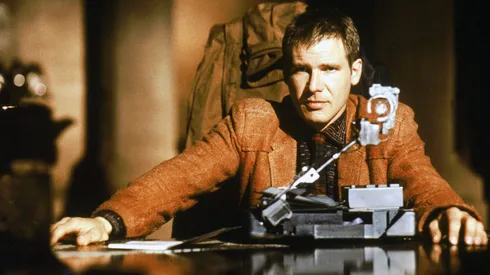
Blade Runner (1982)

Ridley Scott’s neon-soaked dystopia was met with skepticism, criticized for its pacing and ambiguity. Early reviewers dismissed it as style over substance. But as alternate cuts surfaced and its influence seeped into nearly every corner of sci-fi, the film’s quiet intelligence and visual language were finally recognized. Today it’s regarded not just as a genre classic, but as a blueprint for cinematic world-building.
The Thing (1982)
John Carpenter’s icy nightmare premiered to brutal reviews and disappointing box office returns—overshadowed by the optimism of E.T. Critics found its paranoia excessive and its effects grotesque. But over time, the film’s meticulous tension, groundbreaking creature work, and bleak worldview have earned it a devoted following. What was once derided is now hailed as one of the greatest horror films ever made.
Fight Club (1999)
Upon release, David Fincher’s adaptation was accused of reveling in violence and missing its own satire. Its chaotic tone confused audiences, and its box office run fell below expectations. Yet years later, the film’s critique of consumer anxieties and identity fractures crystallized. Re-examined through a contemporary lens, it stands as a sharp cultural autopsy disguised as a stylish provocation.
Showgirls (1995)
Paul Verhoeven’s glossy fever dream was mercilessly mocked on arrival, written off as vulgar excess with no artistic intent. But in the years since, scholars and filmmakers have revisited its satire and razor-sharp commentary on ambition, exploitation, and spectacle. What once seemed merely gaudy now reveals a deliberate, subversive pulse beneath the glitter.
Donnie Darko (2001)
Initial audiences struggled with Richard Kelly’s surreal debut, which sputtered at the box office and left critics unsure of its intentions. Its blend of time loops, teenage alienation, and dreamy fatalism didn’t fit any familiar mold. But word of mouth slowly turned it into a cult landmark, appreciated for its emotional undercurrents and its willingness to embrace ambiguity rather than explain it away.
Mulholland Drive (2001)
David Lynch’s Hollywood labyrinth was greeted with polarized reactions, its fractured narrative treated as an obstacle rather than an artistic choice. Some critics labeled it incoherent. With time, the film’s hypnotic logic, thematic density, and exploration of identity have secured its place among the new millennium’s most influential works. What once confounded now mesmerizes.
Zodiac (2007)
David Fincher’s meticulous procedural arrived to polite reviews but muted enthusiasm, overshadowed by flashier releases of its year. Some viewers found its deliberate pacing and unresolved structure frustrating. Over time, those same qualities—its precision, restraint, and refusal to sensationalize—have earned it recognition as a modern masterwork of true-crime storytelling.
A.I. Artificial Intelligence (2001)
Steven Spielberg’s collaboration with Stanley Kubrick’s legacy left early audiences divided; some felt the film was too cold, others too sentimental, unsure whose fingerprints shaped its tone. As critical distance grew, so did appreciation for its moral complexity and daring blend of melancholy and futurism. What once seemed uneven now feels eerily prophetic.
Speed Racer (2008)
The Wachowskis’ hyper-saturated spectacle baffled critics who dismissed it as sensory overload. Its radical visual style and earnest tone were out of sync with the blockbuster expectations of the moment. With time, the film’s bold experimentation and emotional sincerity have been reevaluated, transforming it into a touchstone for maximalist filmmaking.
The Assassination of Jesse James by the Coward Robert Ford (2007)
Andrew Dominik’s moody western was admired by a few but largely ignored by audiences seeking a more traditional outlaw story. Its meditative pacing and introspective tone felt out of step with genre expectations. With time, its painterly imagery, psychological depth, and haunting score have elevated it to near-mythic status among modern westerns.
Marie Antoinette (2006)
Sofia Coppola’s pastel rebellion against period-piece conventions was met with confusion and criticism, particularly for its anachronistic soundtrack and unapologetically stylized approach. Yet as tastes evolved, the film’s blend of historical isolation and pop sensibility revealed a sharper commentary on youth, fame, and unmanageable expectation. What once seemed frivolous now reads as quietly radical.
Cloud Atlas (2012)
Ambitious to the point of bewilderment, this multi-epoch epic left critics divided and audiences unsure how to process its sweeping structure. Accusations of overreach overshadowed its thematic ambition. A decade later, its interwoven stories and moral throughlines have garnered newfound respect, celebrated for aiming beyond the safe borders of conventional storytelling.
The Fountain (2006)
Darren Aronofsky’s metaphysical odyssey was greeted with bewilderment and split reviews, criticized for its ambition and emotional opacity. Many dismissed it as an overreaching experiment. Over time, its mosaic of grief, devotion, and cosmic imagery has earned a passionate following, praised for its vulnerability and visual daring.
Children of Men (2006)
Alfonso Cuarón’s dystopian thriller landed with modest acclaim but failed to ignite the cultural spark it deserved upon release. Some saw it as grim and unrelenting. As global anxieties deepened and its long takes became influential study material, the film’s foresight and craftsmanship took center stage. Now it’s widely regarded as one of the century’s most incisive sci-fi dramas.
Kiss Kiss Bang Bang (2005)
Shane Black’s comeback neo-noir puzzled audiences with its self-aware narration and genre bending. Its sharp humor and tangled plotting made it a tough sell in an era still warming up to postmodern crime stories. Years later, its wit, chemistry, and narrative playfulness have solidified its cult status, often cited as a precursor to the tone many modern action-comedies now chase.
Southland Tales (2006)
Richard Kelly’s post-Donnie Darko swing for the fences was derided as incoherent, overstuffed, and hopelessly strange. Critics dismissed it as a cautionary tale of unchecked ambition. Yet over the years, its apocalyptic satire, multimedia sprawl, and prophetic view of American fragmentation have earned it a second life. What once felt chaotic now plays like a darkly comic map of the future.
The New World (2005)
Terrence Malick’s meditative retelling of the Pocahontas–John Smith encounter frustrated audiences expecting a more conventional historical epic. Its lingering shots, whispered voiceovers, and contemplative pace were seen as indulgent. Slowly, the film’s lyrical power, natural-light cinematography, and emotional purity reshaped its reputation, elevating it into Malick’s most quietly revered work.
Birth (2004)
Jonathan Glazer’s unsettling drama was met with controversy and discomfort, its tonal ambiguity leaving many critics cold. The film’s restrained performances and eerie atmosphere were misunderstood as distancing rather than deliberate. Over time, its exploration of grief, identity, and the irrational spaces of mourning has been acknowledged as daring, marking it as a precursor to Glazer’s later, celebrated precision.
The Village (2004)
M. Night Shyamalan’s shift from supernatural spectacle to atmospheric allegory blindsided audiences expecting another twist-driven thriller. Its marketing didn’t help, priming viewers for a genre it never intended to be. Over the years, its craftsmanship—lush score, thoughtful performances, and meditation on fear as a social tool—has been revisited with fresh eyes. What once felt disappointing now reveals a filmmaker experimenting with quiet, controlled boldness.
John Carter (2012)
Labeled a costly misfire at release, Andrew Stanton’s pulp adventure was lost beneath narratives of budget overruns and mismarketing. Critics dismissed it as derivative, unaware that its source material had inspired much of the very sci-fi they compared it to. With time, its earnest spirit, imaginative world-building, and classic adventure tone have carved out a loyal fan base that sees it as a misunderstood throwback rather than a failure.
The Counselor (2013)
Ridley Scott’s brutal, diamond-hard thriller—written by Cormac McCarthy—was slammed on release as needlessly bleak, opaque, and overly philosophical. Many critics dismissed it as a pretentious detour for its cast and director. A decade later, its icy moral clarity, jagged dialogue, and unapologetic worldview have earned it renewed admiration. What once felt abrasive now reads like a daring, uncompromised vision.
The King of Comedy (1982)
Martin Scorsese’s dark showbiz satire was met with confusion and indifference, a sharp contrast to the director’s earlier triumphs. Viewers struggled with its chilly tone and Rupert Pupkin’s unsettling earnestness. Decades later, its portrait of delusion, fame hunger, and media cynicism feels not just relevant but prophetic—transforming it from an outlier into one of Scorsese’s most essential works.
A Serious Man (2009)
The Coen brothers’ existential tragicomedy received respectful but reserved reviews, with some critics unsure what to make of its circular storytelling and moral ambiguity. Its quiet despair and specific cultural textures didn’t immediately resonate. Over time, the film’s precision, humor, and philosophical weight have earned it a rare kind of appreciation—one that grows richer with every revisit.
The Master (2012)
Paul Thomas Anderson’s postwar character study debuted to polarized reactions, with some praising its craft while others found it impenetrable. Its elliptical structure and emotional opacity left audiences divided. Yet the film’s hypnotic performances, thematic density, and psychological force have steadily reshaped its legacy, elevating it into the upper tier of Anderson’s cinema.
Heaven’s Gate (1980)
Michael Cimino’s sprawling western became a symbol of Hollywood excess, ravaged by critics and blamed for sinking a studio. Its troubled production overshadowed any artistic ambitions. But decades later, restorations and reevaluations have revealed an epic of remarkable scope, visual grandeur, and tragic ambition. What was once shorthand for disaster now stands as a testament to uncompromising vision.