Under the artifice of call sheets, director’s megaphones and endless takes, some film sets become living beasts — unruly, chaotic and dangerously alive. On these productions, the glamour of Hollywood fractures under real-world pressure: budget overruns, weather disasters, creative meltdowns or sheer ambition gone haywire.
These tales of cinematic ambition unspooling in real time reveal more than production woes. They are stories about human desperation, creative passion and the fragile line between legend and failure. From sets reclaimed by storms to crews stretched beyond endurance, each wild production leaves a scar in Hollywood’s memory.
Apocalypse Now (1979)

The shoot of Apocalypse Now descended into what has become cinema-legend: typhoons that destroyed expensive jungle sets, a near-fatal heart attack for star Martin Sheen, budget spirals, and the admission by director Francis Ford Coppola that they “had access to too much money, too much equipment, and little by little we went insane”.
What was supposed to take half a year stretched into more than a year — over one million feet of film used, hundreds of extras, and a final product that, despite its tortured birth, remains among the greatest war films ever made.
Jaws (1975)
Producing Jaws felt a lot like battling nature itself. The plan was to film on the open sea — but the mechanical shark (“Bruce”) malfunctioned repeatedly, storms and rough waters delayed production, and the film went massively over budget (from around $4 M to $9 M) and over schedule.
Director Steven Spielberg, still young and relatively inexperienced, later admitted he was “pretty naive about the ocean” — yet that gamble paid off. The film’s tension, born of real uncertainty and danger, helped cement it as the original summer blockbuster.
Waterworld (1995)
Often ridiculed as a production disaster, Waterworld became a harrowing saga of ambition confronting nature. The floating sets repeatedly sank or tipped, weather delays mounted, and tensions soared between lead Kevin Costner and director Kevin Reynolds in a shoot that quickly spiraled out of control. Though it flopped in some eyes, the film survives as a cultural oddity — a testament to what can go wrong when scale and environment aren’t fully respected.
The Island of Dr. Moreau (1996)
The Island of Dr. Moreau devolved into infamy early on. Filming in remote rainforests outside Cairns, Australia, the production was riddled with conflict: crew and studio tensions, delays, inexperienced leadership, and a lead actor whose unpredictable behavior derailed progress.
What was meant to be a science-fiction horror film turned into a cautionary tale about studio pressure, unstable leadership, and the dangers of taking on too much — all under a veneer of jungle mist.
The Man Who Killed Don Quixote (2018)
After decades of efforts, the journey to bring Terry Gilliam’s vision of Don Quixote to the screen became its own odyssey. Previous attempts collapsed under floods, injuries, financing troubles and disasters on set — chronicled in the documentary Lost in La Mancha.
When the film finally saw release, it carried with it the weight of failed dreams, unfinished dreams, and the scars of decades-long production nightmares — a story of persistence amid repeated chaos.
The Crow (1994)
Though not a nature-driven chaos, The Crow is infamous for its on-set tragedy. The lead actor, Brandon Lee, died after a fatal prop-gun accident — an event that shocked Hollywood and forever altered film safety protocols.
What remains is a film colored by grief and dedication: the production pushed on to complete the movie, and the final result became a dark, influential cult classic — a haunting testament to ambition shadowed by tragedy.
The Exorcist (1973)
The production of The Exorcist spiraled far beyond the already dark themes of the film. Filming stretched from a planned 85 days to more than 200 days due to multiple fires, accidents, injuries, and a spiral in costs — the film ended up going millions over budget.
The house sets burned, cast members were injured, and the production seemed cursed — yet the result became one of the most iconic horror films of all time, proving that even literal chaos can give birth to something enduring.
Roar (1981)
Perhaps the definition of “set gone wild”: Roar used real lions, tigers, and other big cats — and the result was chaos. The production saw dozens of crew injuries, unplanned animal attacks, floods that destroyed sets, and financial losses surpassing $3 million.
The film never recovered commercially — but its production story remains one of the most dangerous and chaotic chapters in Hollywood history, serving as a chilling warning against taming the wild for art.
Fitzcarraldo (1982)
Director Werner Herzog’s relentless pursuit of realism led to one of cinema’s most dangerous shoots. The film required the crew to haul a real, 320-ton steamship over a steep, mud-soaked hill in the Amazonian jungle, without the use of special effects. The shoot was marred by serious injuries, two plane crashes, local political conflicts, and star Klaus Kinski’s famously volatile and aggressive behavior towards the indigenous extras and crew.
Cleopatra (1963)
This historical epic nearly bankrupted 20th Century Fox. The budget ballooned to an unheard-of $44 million over four years, largely due to initial production delays and the need to move the entire set from London (due to poor weather) to Rome. Compounding the financial chaos was the high-profile, tumultuous affair between married stars Elizabeth Taylor and Richard Burton, which dominated global media and added enormous pressure to the set.
The African Queen (1951)
Filmed entirely on location in the unforgiving conditions of the Belgian Congo, the set was constantly battling the elements and illness. Due to the contaminated water, nearly everyone on the crew suffered from dysentery and malaria. Only star Humphrey Bogart and director John Huston avoided sickness, famously consuming copious amounts of liquor instead of water.
Heaven’s Gate (1980)
Director Michael Cimino’s insistence on historical accuracy and meticulous detail became an unchecked disaster. His demands, which included building a perfectly rendered western town and then tearing it down and rebuilding it at a slight angle, drove the film’s budget from $11.5 million to $44 million. The ensuing flop destroyed the film’s distributor, United Artists, and became synonymous with director hubris.
Twilight Zone: The Movie (1983)
The production is tragically infamous for a horrific on-set helicopter crash that occurred during an illegal night shoot, killing actor Vic Morrow and two child actors. The disaster led to major negligence lawsuits and fundamentally changed Hollywood’s safety regulations regarding the use of pyrotechnics and helicopters around performers.
The Wizard of Oz (1939)
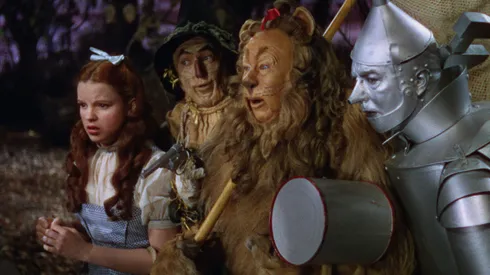
A historically dangerous set due to the period’s lack of safety standards. The production went through four directors, numerous cast changes, and utilized toxic materials; the actors playing the Tin Man and Wicked Witch suffered severe injuries, with the latter enduring third-degree burns from a faulty stunt sequence.
The Abyss (1989)
James Cameron’s drive for underwater realism translated into an exhausting and stressful shoot inside a massive, specially built nuclear reactor tank. Actors, particularly Ed Harris, endured near-drowning incidents and grueling, isolated hours submerged in frigid water, leading to a profound rift between cast and director.
Doctor Dolittle (1967)
A disastrous musical where the budget ballooned uncontrollably. Star Rex Harrison was notoriously difficult, and the use of over 1,000 live animals—which often refused to cooperate—made every sequence complex and time-consuming, nearly sinking 20th Century Fox before The Sound of Music saved it.
Ishtar (1987)
The critical and commercial failure of this comedy was cemented by its chaotic set. Director Elaine May’s demanding re-shoots, a difficult remote shoot in the Moroccan desert, and constant conflicts between the stars drove the budget past $50 million, becoming one of the most famous examples of a Hollywood bomb.