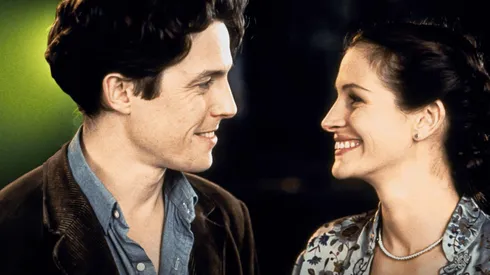
On May 21, 1999, audiences were first introduced to the charming, pastel-colored streets of West London through the brilliant, witty lens of screenwriter Richard Curtis and director Roger Michell.
Starring Hugh Grant as the endearingly floppy-haired William Thacker and Julia Roberts as the megastar Anna Scott, Notting Hill was an instant critical and commercial triumph. Taking the core DNA of previous British hits like Four Weddings and a Funeral and elevating it with massive Hollywood star power, the film completely dominated the global box office. But beyond its staggering financial success, the movie left an indelible mark on pop culture, cementing a brand-new romantic comedy formula and turning a quiet London district into a permanent fixture on the global tourist map.
Redefining the Romantic Comedy
Before Notting Hill, romantic comedies frequently relied on quirky misunderstandings or enemies-to-lovers tropes between everyday people. This film completely flipped the dynamic by introducing the ultimate fantasy of extreme celebrity colliding with mundane, everyday life. Richard Curtis brilliantly grounded the unbelievable premise by surrounding the central couple with a deeply relatable, eccentric, and hilarious group of fiercely loyal friends. It proved that a blockbuster rom-com could be incredibly sharp, emotionally intelligent, and genuinely funny without ever sacrificing its romantic core. This fresh, celebrity-meets-civilian blueprint has been endlessly replicated by Hollywood, yet rarely with the same effortless magic.
The Chemistry That Captivated the World
The absolute anchor of the film’s enduring legacy is the spectacular, lightning-in-a-bottle chemistry between the two leads. Hugh Grant perfected his signature bumbling, self-deprecating British charm, creating the ultimate cinematic everyman that audiences could easily root for. Conversely, Julia Roberts delivered a remarkably vulnerable, self-aware performance that cleverly mirrored her own intense, real-life struggles with suffocating fame and relentless tabloid scrutiny. Her iconic “I’m just a girl, standing in front of a boy” monologue remains one of the most quoted declarations of love in cinematic history because the raw, grounded delivery made audiences completely forget they were watching two of the highest-paid actors on the planet.
Transforming a London Neighborhood
When production originally began, the real-life neighborhood of Notting Hill was a vibrant, culturally diverse area, but it was certainly not the polished, highly affluent tourist epicenter it is today. By heavily showcasing the bustling Portobello Road Market, the colorful terraced houses, and the charming private gardens, the film acted as a brilliant, two-hour love letter to the district. Following the film’s massive 1999 release, property values skyrocketed, and the area underwent rapid gentrification. The unprecedented cinematic exposure completely reshaped the local economy, turning its quaint, winding streets into one of the most highly sought-after zip codes in the entire United Kingdom.
The Legacy of the Blue Door and the Bookshop
Even twenty-seven years later, fans from across the globe continuously flock to West London to recreate the film’s most iconic moments. The famous “blue door” belonging to William Thacker’s flat (which was originally owned by screenwriter Richard Curtis) became such a massive attraction that the subsequent owners eventually had to paint it black to deter obsessive fans, before later restoring its iconic color. Similarly, while the actual Travel Bookshop that inspired the film has since changed hands and names, the original filming location on Portobello Road still draws thousands of romantic pilgrims desperate to snap a photo exactly where the legendary cinematic romance first blossomed.
A Soundtrack for the Ages
A great romantic comedy is completely inseparable from its soundtrack, and this film delivered an absolute masterclass in musical curation. Elvis Costello’s soaring cover of “She” became the ultimate romantic anthem, perfectly capturing the sweeping, cinematic scale of Anna Scott’s overwhelming fame. Paired with Ronan Keating’s massive hit “When You Say Nothing at All” and Bill Withers’s soulful “Ain’t No Sunshine” accompanying Will’s visually stunning walk through the changing seasons of Portobello Road, the music elevated every single frame. The widely celebrated soundtrack remains an essential listen, instantly transporting fans straight back to the magical summer of 1999.