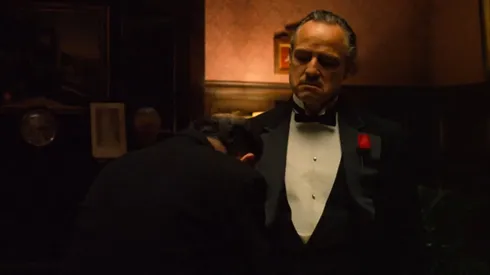
There is a reason Hollywood and audiences alike are perpetually obsessed with the mafia. Mob movies offer a deeply intoxicating blend of absolute power, fierce loyalty, devastating betrayal, and the complex dynamics of chosen—and biological—families. These films pull back the curtain on highly secretive, dangerous underworlds where disputes are settled with bullets rather than lawsuits, and where loyalty to the “family” supersedes everything else.
Whether exploring the lavish, operatic tragedies of Italian-American crime syndicates or the brutal realities of the Russian underworld, the organized crime genre has delivered some of the greatest cinema in history.
Here are ten absolute must-watch films about mafia families that continue to rule the cinematic underworld.
1. The Godfather (1972)
Francis Ford Coppola’s monumental adaptation of Mario Puzo’s novel is the undisputed king of the mafia genre. The film chronicles the sprawling, Shakespearean tragedy of the Corleone crime family, focusing heavily on the reluctant ascension of the youngest son, Michael (Al Pacino). Marlon Brando delivers the performance of a lifetime as Vito Corleone, a powerful patriarch who balances ruthless criminal enterprise with a strict code of honor. It is a flawless exploration of the American Dream corrupted by violence, setting the absolute gold standard for every single mob movie that followed.
2. The Godfather Part II (1974)
Achieving the incredibly rare feat of being a sequel that rivals—and arguably surpasses—the original, Coppola’s 1974 masterpiece operates on two distinct timelines. It brilliantly juxtaposes the gritty, turn-of-the-century rise of a young Vito Corleone (Robert De Niro) in New York City with the moral decay and tragic isolation of his son, Michael, operating in the late fifties. As Michael expands the family’s empire into Nevada and Cuba, he systematically destroys the very biological family he claims to be protecting. It is a sweeping, devastating cinematic achievement.
3. Goodfellas (1990)
“As far back as I can remember, I always wanted to be a gangster.” With that iconic opening line, director Martin Scorsese injected a frantic, rock-and-roll energy into the traditional mafia narrative. Based on the true story of Henry Hill (Ray Liotta), the film strips away the romanticized honor of the Corleones to expose the paranoid, deeply volatile, and heavily drug-fueled reality of the Lucchese crime family associates. Joe Pesci’s terrifyingly unpredictable performance as Tommy DeVito remains one of the most chilling, dynamic antagonists in film history.
4. Casino (1995)
Scorsese reunited with Robert De Niro and Joe Pesci to deliver a sprawling, glittering autopsy of the mafia’s control over Las Vegas during the 1970s and 80s. De Niro plays Sam “Ace” Rothstein, a brilliant sports handicapper entrusted by the Chicago Outfit to oversee the lucrative Tangiers Casino. The narrative expertly tracks how a wildly successful, highly organized criminal operation completely unravels due to petty jealousies, greed, and the destructive, toxic romance between Ace and a brilliant hustler named Ginger (Sharon Stone).
5. Donnie Brasco (1997)
Based on an astonishing true story, this deeply psychological thriller follows FBI agent Joseph Pistone (Johnny Depp) as he deeply infiltrates the Bonanno crime family under the alias Donnie Brasco. The emotional core of the film lies in the tragic, surprisingly tender surrogate father-son relationship that develops between Donnie and an aging, passed-over hitman named Lefty Ruggiero (Al Pacino). The movie brilliantly explores the excruciating tension and heavy moral toll of undercover work, where doing the right thing ultimately means betraying a genuine friend to certain death.
6. The Irishman (2019)
Returning to the genre he helped define, Martin Scorsese delivered a haunting, deeply mournful epic about the twilight years of the American mob. The film spans decades to tell the story of Frank Sheeran (Robert De Niro), a mob hitman for the Bufalino crime family who becomes deeply entangled with legendary union boss Jimmy Hoffa (Al Pacino). Rather than glorifying the violence, the narrative focuses heavily on the crushing weight of regret, the inevitability of aging, and the profound, isolating loneliness that awaits those who live by the gun.
7. Road to Perdition (2002)
Sam Mendes directed this visually stunning, deeply emotional adaptation of a graphic novel set during the Great Depression. Tom Hanks completely breaks from his traditional “good guy” persona to play Michael Sullivan, a ruthless enforcer for an Irish mob boss who serves as his surrogate father. When Sullivan’s own young son witnesses a brutal mob hit, the two are forced to flee across the country to survive. It is a beautifully shot, haunting meditation on the sins of the father and the desperate, violent lengths a man will go to protect his child’s soul.
8. A Bronx Tale (1993)
Robert De Niro made his formidable directorial debut with this highly poignant, coming-of-age drama based on Chazz Palminteri’s autobiographical one-man play. Set in the 1960s, the story follows a young boy named Calogero who finds himself torn between two very different paternal figures: his hardworking, honest bus-driver father (De Niro) and the charismatic, powerful local mafia boss, Sonny (Palminteri). The film beautifully bypasses standard mob violence to deliver a deeply touching, surprisingly warm exploration of neighborhood loyalty, working-class morality, and wasted talent.
9. Eastern Promises (2007)
David Cronenberg shifted the mafia focus away from Italian syndicates to deliver a brutal, terrifying glimpse into the operations of the Russian Vory v Zakone in modern-day London. Viggo Mortensen earned an Academy Award nomination for his chilling portrayal of Nikolai, a mysterious, heavily tattooed enforcer ascending the ranks of a deeply ruthless crime family. Featuring one of the most visceral, unforgettable bathhouse fight sequences ever filmed, it is a masterfully tense, deeply atmospheric thriller that explores the dark, inescapable gravity of criminal brotherhood.
10. Once Upon a Time in America (1984)
Sergio Leone’s final film is a monumental, decades-spanning epic that chronicles the lives of Jewish ghetto youths who rise to become prominent figures in the New York City underworld. Starring Robert De Niro and James Woods, the heavily fragmented, dreamlike narrative jumps back and forth between the 1920s, 30s, and 60s, exploring deep themes of childhood friendship, profound betrayal, and lost time. Accompanied by Ennio Morricone’s breathtakingly melancholic score, it is a demanding but profoundly rewarding cinematic masterpiece about the ultimate price of absolute power.