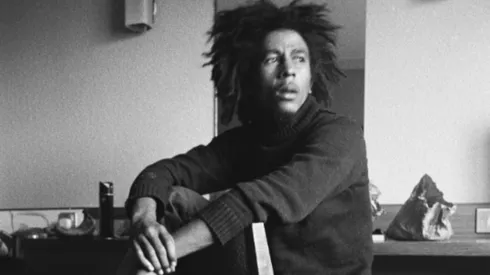
The 2026 celebrations are particularly vibrant, themed “Positive Vibration” in honor of the 50th anniversary of the iconic Rastaman Vibration album.
In Jamaica, the festivities are led by a massive tribute concert at Emancipation Park, featuring performances by Stephen Marley and a new generation of reggae stars. Meanwhile, the Bob and Rita Marley Foundations have partnered with global groups to launch recovery initiatives following Hurricane Melissa, turning Bob’s birthday into a day of national action and “livity.”
How Marley Changed Music Culture Forever

Bob Marley’s legacy is less about the popularity of a genre and more about the global distribution of a movement. Before his rise, reggae was the rhythmic heartbeat of Jamaica’s street corners and sound systems, but Marley transformed it into a universal language of liberation. Marley’s impact transcends catchy melodies.
Bob Marley’s 10 Greatest Songs
- “One Love / People Get Ready” The ultimate anthem of global unity. Named the “Song of the Millennium” by the BBC, it perfectly encapsulates Marley’s message of peace and brotherhood.
- “Redemption Song” One of the final songs recorded in his lifetime. This haunting acoustic masterpiece, featuring the iconic line “Emancipate yourselves from mental slavery,” remains a timeless call for spiritual and intellectual freedom.
- “No Woman, No Cry” (Live at the Lyceum) While originally a studio track, the 1975 live version in London became the definitive recording. It is a soulful tribute to the resilience of those living in the “government yard in Trench Town.”
- “Three Little Birds” The world’s go-to song for comfort. Its simple, optimistic refrain—”Every little thing is gonna be alright”—has made it one of the most recognizable and beloved songs in history.
- “Get Up, Stand Up” Co-written with Peter Tosh, this is the definitive protest song. It remains a powerful anthem for human rights and social justice movements across the globe.
- “Could You Be Loved” A brilliant blend of reggae and disco-inflected rhythms. Released on his final album, Uprising, it showed Marley’s ability to dominate the dance floor while maintaining his conscious message.
- “Buffalo Soldier” A posthumous hit that serves as a history lesson. It highlights the story of the Black soldiers in the American West, linking their struggle for survival to the wider African diaspora.
- “Jamming” The quintessential feel-good track. Beyond its groovy rhythm, it took on a mystical significance when Marley used it to unite political rivals Michael Manley and Edward Seaga during the 1978 Peace Concert.
- “Exodus” The title track of the album Time magazine called the “Album of the Century.” It’s a driving, spiritual epic that reflects Marley’s deep Rastafarian faith and the theme of a spiritual journey.
- “Is This Love” A masterclass in songwriting. From the 1978 album Kaya, this track showcased Marley’s softer, romantic side and his genius for creating melodies that feel like they have existed forever.