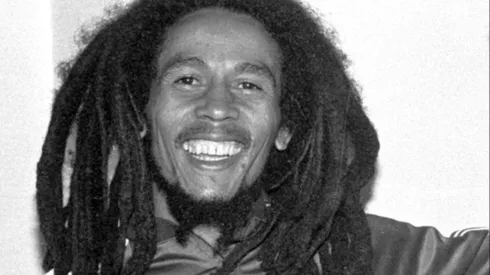
More than four decades after his passing, Marley’s message of peace, unity, and resistance remains the heartbeat of global music, proving that some voices are simply too powerful to ever fall silent.
A Global Celebration
From the streets of Kingston to the bright lights of London and Tokyo, the world is awash in red, gold, and green today. These last years celebrations are particularly vibrant, following the massive cultural resurgence sparked by the record-breaking 2024 biopic Bob Marley: One Love.
In Jamaica, the annual Bob Marley Birthday Celebration at the Museum on Hope Road has drawn thousands for a day of “Jah music,” while in the U.S., major tribute concerts like “One Love Rising” in Florida and the “8th Annual Bob Marley Celebration” in Charleston are keeping the spirit of the Tuff Gong alive. For fans, today isn’t just about a birthday; it’s about a shared spiritual gathering rooted in the belief that music can—and should—change the world.
The Architect of Reggae: How Marley Changed Music Forever
Bob Marley didn’t just popularize a genre; he exported a culture. Before Marley, reggae was largely confined to the local sound systems of Jamaica. By fusing the upbeat grooves of ska and rocksteady with the soulful harmonies of American R&B and the spiritual depth of Rastafarianism, he created a sound that was universally accessible yet deeply personal.

A Voice for the Voiceless
Marley’s impact transcends catchy melodies. He turned the recording studio into a pulpit for social justice. Songs like “Get Up, Stand Up” and “War” became anthems for the anti-apartheid movement in South Africa and civil rights struggles globally. He was a “musical revolutionary” who used his platform to speak truth to power, famously uniting warring political leaders on stage at the 1978 One Love Peace Concert in Kingston.
The “Legend” That Never Fades
The numbers speak for themselves. His compilation album Legend remains the best-selling reggae album of all time and continues to chart on the Billboard 200 nearly 40 years after its release. In 2026, Marley remains the second-most followed posthumous celebrity on social media, a testament to his “Everlasting” status among Gen Z and Alpha, who discover his music through viral social clips and streaming playlists.
The Legacy Today
As we celebrate his 81st year, the “Marley Effect” is evident in every corner of modern music. From the hip-hop flows of Kendrick Lamar to the pop-reggae fusions of Rihanna, his influence is the foundation upon which global “World Music” is built. As Bob famously said, “My music will go on forever. Maybe it’s a fool say that, but when me know facts me can say facts. My music will go on forever.”
Today, we know those facts to be true.