Before global tours, chart dominance and red-carpet status, several of the most recognizable figures in modern entertainment first stepped into the industry far from center stage. The entertainment machine has long relied on background performers—vocalists and dancers who move in sync behind the lead—yet for some, those early credits became the starting point of something much larger.
Backup roles have often functioned as an unofficial training ground in pop and R&B, where rising talent learns how to hold a stage without owning it. Artists such as Mariah Carey and Whitney Houston passed through that same ecosystem, absorbing the precision of choreography and the discipline of live performance before stepping into leading roles.
Candice King

Before becoming known for her role in The Vampire Diaries, Candice King had already spent time inside the pop music machine. Early in her career, she worked as a backup singer during Miley Cyrus’ Hannah Montana tour, a production tied to one of the biggest Disney-era franchises of the 2000s.
Those performances placed her in large-scale arena shows built around precision choreography and fast-paced pop staging, an environment where background vocalists had to match the energy of the lead while remaining invisible to the spotlight.
Years later, that experience in live touring would precede her transition into acting, where she eventually landed the role of Caroline Forbes in The Vampire Diaries universe, turning an early music industry credit into a stepping stone toward television success.
Heather Morris
Heather Morris’ path into entertainment began on the dance floor, not in front of a camera. She joined Beyonce’s touring world during The Beyonce Experience era and later appeared in promotional performances tied to Single Ladies (Put a Ring on It), one of the most influential choreography-driven pop moments of its time.
Her work included high-profile live television stages such as award shows and national broadcasts, where backup dancers were essential to shaping the visual identity of Beyoncé’s performances.
That same choreography background unexpectedly led her into acting when she was brought in to teach the “Single Ladies” routine to the cast of Glee. Instead of staying behind the scenes, she was cast as Brittany Pierce, transforming a technical dance role into a full-time acting career on one of television’s most recognizable musical series.
Mariah Carey
Before becoming one of the most awarded voices in modern pop, Mariah Carey’s earliest professional step was firmly behind another artist. She worked as a backup singer for Brenda K. Starr, a role that placed her directly inside studio sessions and live performance environments where vocal control and discipline were essential.
That period gave Carey exposure to the recording industry at a ground level, long before her own debut reshaped global pop music. Her transition from background vocalist to solo artist remains one of the most cited examples of a direct leap from supporting role to headliner status, marking a rare case where a backup position functioned as a prelude to instant stardom.
Jennifer Lopez
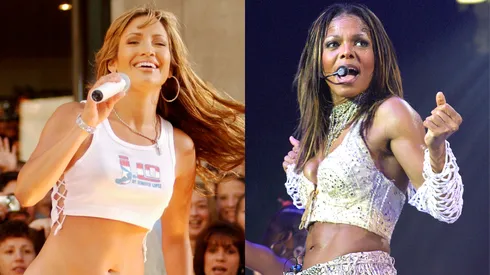
Jennifer Lopez’s early career was defined by movement rather than vocals. She worked as a professional dancer, eventually joining Janet Jackson’s touring and video projects, including appearances tied to Jackson’s high-profile music visuals.
Before that, she had already built experience through television work and ensemble dance roles, including her time as a “Fly Girl” on In Living Color, a show known for launching entertainment careers through choreography and sketch performance.
The discipline of touring and studio dancing shaped her understanding of stage presence and production, but she eventually chose to leave a planned tour with Janet Jackson to pursue independent opportunities—an early decision that preceded her evolution into a global pop and film star.
Whitney Houston
Whitney Houston’s early work included providing backup vocals on recordings for established artists such as Chaka Khan, placing her inside professional studio environments years before her debut album.
Those sessions were part of a broader ecosystem where young vocalists contributed to recordings while learning the structure of production and arrangement from inside the booth.
In the same era, other future stars also passed through similar spaces, including Luther Vandross, highlighting how many iconic voices once shared uncredited or low-profile studio roles.
Houston’s later rise would redefine vocal performance in pop and R&B, but her earliest credits reflect a common starting point in the industry: learning the craft in the background before stepping forward as a defining voice.