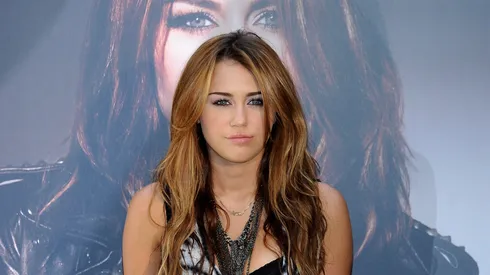
When Miley Cyrus dropped “Can’t Be Tamed” back in 2010, the cultural shift was instantaneous. The world was still heavily accustomed to the blonde wig and sunny disposition of Hannah Montana, but the teenage superstar was desperately ready to break free from the constraints of youth television. Instead of a slow, cautious transition into adulthood, she opted for a theatrical, unapologetic declaration of independence.
Looking back at the impact of Miley Cyrus Can’t Be Tamed, it is clear that this specific era served as the crucial bridge between her squeaky-clean Disney roots and the boundary-pushing, Grammy-winning artist she is today.
By shedding her manufactured idol image and experimenting with heavy electropop sounds, she effectively rewrote the rules for transitioning child stars. Let us explore how this polarizing but brilliant anthem permanently redefined her legacy.
Shedding the Disney Channel Expectations
For years, the young entertainer carried the massive weight of a billion-dollar television franchise on her shoulders. However, as she approached the final season of her hit sitcom, the pressure to maintain a flawless, family-friendly facade became incredibly suffocating. The lyrics of her new lead single served as a direct, unapologetic response to the intense media scrutiny and restrictive corporate expectations surrounding her every move. She loudly proclaimed that she had to do things her own way, putting a definitive end to her manufactured teenage innocence.
A Radical Shift in Sound and Style
Musically, the track marked a significant departure from the safe, country-tinged pop rock of her earlier studio efforts. Teaming up with the production duo Rock Mafia, she embraced a heavy, thumping dance-pop aesthetic that felt genuinely mature and radio-ready.
Visually, the accompanying music video directed by Robert Hales remains an absolute pop culture touchstone. Watching the singer emerge as a fierce, black-winged creature trapped inside a giant museum birdcage perfectly symbolized her desperate desire to break out of the restrictive Hollywood machine.
Shockwaves Through the Entertainment Industry
When the single officially hit digital storefronts on May 18, 2010, the immediate industry and fan reactions were wildly polarized. Many protective parents and conservative media outlets expressed absolute outrage over her darker wardrobe and sensual choreography, heavily criticizing her departure from wholesome entertainment. Conversely, a massive portion of her dedicated fanbase enthusiastically praised her bravery and authentic self-expression. The intense, highly publicized controversy actually fueled the song’s commercial momentum, allowing it to debut at number eight on the US Billboard Hot 100.
Paving the Way for a Fearless Future
While the subsequent studio album of the same name generated mixed critical reviews when it dropped a month later in June 2010, its overarching impact on her creative journey is completely undeniable.
Without the controversial groundwork laid during this specific chapter, the world would have never received the massive cultural reset of the 2013 Bangerz era or the rock-infused brilliance of Plastic Hearts. Taking that terrifying first step away from corporate safety allowed her to build an incredibly resilient, authentic career entirely on her own terms.