Exactly nine years the pilot of Riverdale debuted on The CW. At the time, critics called it a “subversive, stylish” take on the Archie Comics, grounded in the neon-soaked aesthetics of a modern-day noir. However, as the seasons progressed, “grounded” was the last word anyone would use to describe the show. What started as a small-town whodunnit eventually swallowed every genre in its path: musical theater, prison drama, organ-harvesting cults, time travel, and literal witchcraft. To celebrate this milestone, we’re looking at how the narrative DNA of the show shifted from season to season, creating a legacy of “unfiltered camp” that remains unmatched.
The Premiere: A Stylish Success
IMDb
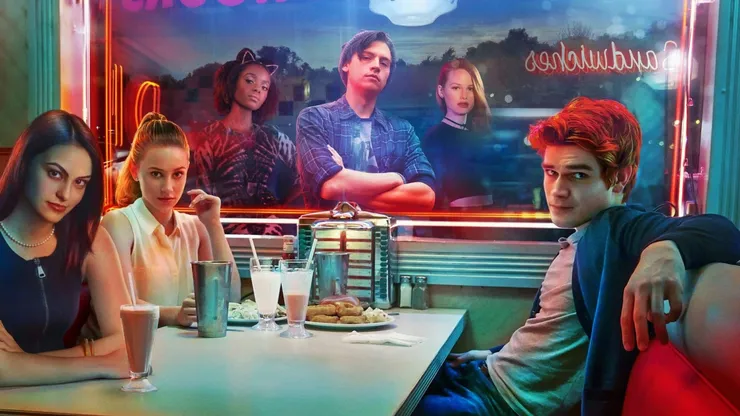
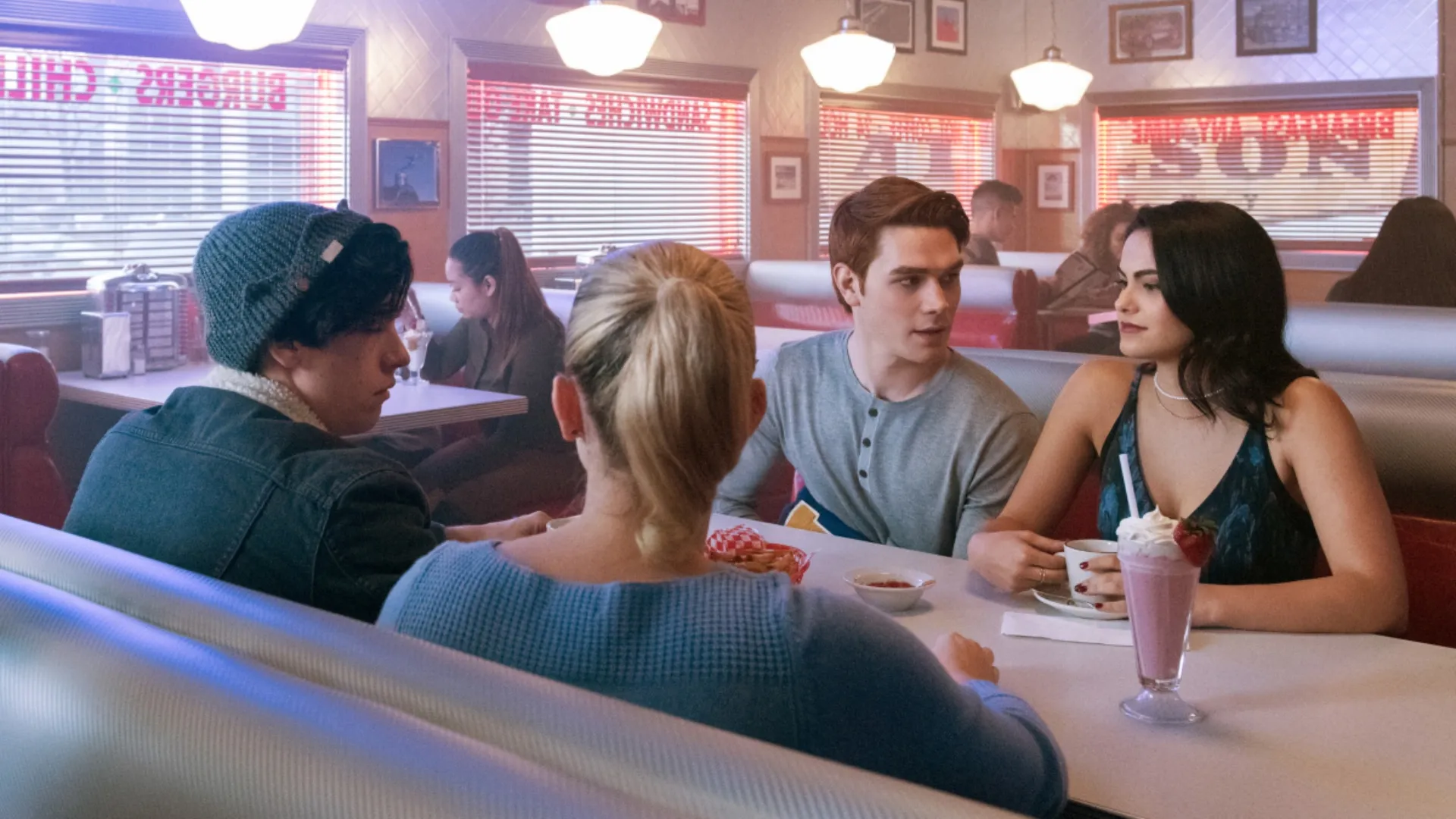
When the pilot episode, “Chapter One: The River’s Edge,” aired on January 26, 2017, it was an immediate critical success. Audiences were captivated by the “Twin Peaks-meets-Gossip Girl” aesthetic and the central mystery: Who killed Jason Blossom? The first season was grounded (by Riverdale standards), focusing on high school rivalries, small-town corruption, and the atmospheric cinematography that turned Pop’s Chock’lit Shoppe into a neon-lit sanctuary. It cleaned up at the Teen Choice Awards and turned its core cast—KJ Apa, Lili Reinhart, Camila Mendes, and Cole Sprouse—into instant global superstars.
The Great Genre Shift: Embracing the Weird
IMDb
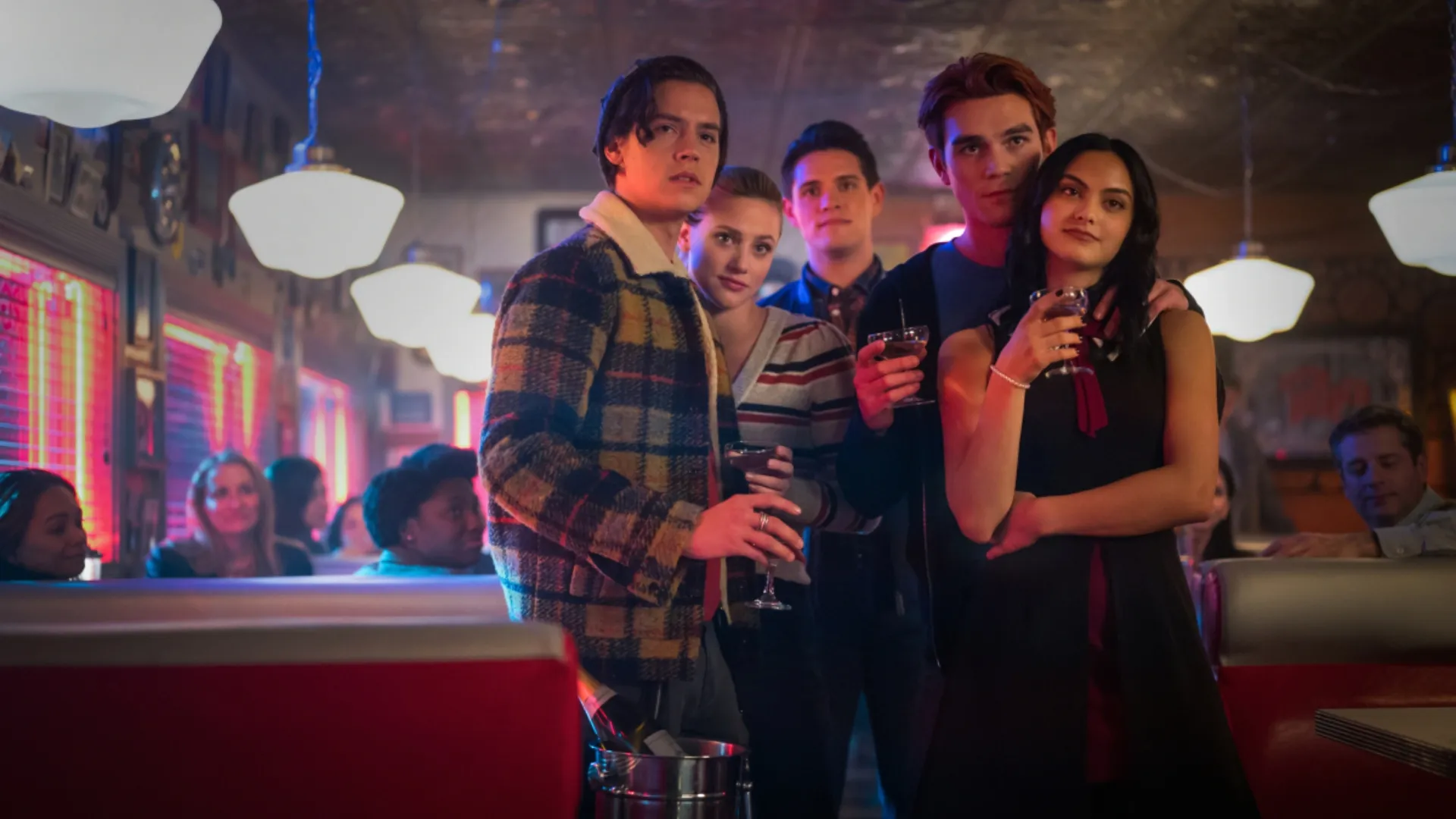
As the seasons progressed, Riverdale underwent a transformation that remains legendary in writers’ rooms. The showrunners, led by Roberto Aguirre-Sacasa, realized that the “darkness bubbling beneath the surface” could be literal.
The first season remains the show’s most cohesive and critically acclaimed arc. It focused on the mysterious death of Jason Blossom and the arrival of the sophisticated Veronica Lodge. The stakes were personal, the relationships were blossoming, and the drama was rooted in high school halls and dark family secrets. This season established the “Core Four”—Archie, Betty, Veronica, and Jughead—and set the tone for a series that would soon become a global obsession.
Serial Killers and Gang Warfare
The pivot began in the Season 1 finale with the shooting of Fred Andrews. Season 2 introduced the Black Hood, a masked serial killer who targeted the “sinners” of Riverdale. This era saw the show lean into slasher-movie tropes and the escalating tension between the Northside and the Southside Serpents. It was the moment Riverdale decided to trade its “innocent” Archie roots for a darker, more violent cinematic language.
The Satanic Panic
Season 3 is often cited as the point where the show “went off the rails” in the best way possible. Introducing Gryphons & Gargoyles, a tabletop RPG that caused real-world deaths, the series tackled “Satanic Panic” themes, secret societies, and an organ-harvesting cult known as The Farm. By the time Archie survived a literal bear attack, fans realized that Riverdale was no longer bound by the laws of reality.
The Five-Episode Event: Rivervale
After a time jump in Season 5 brought the characters into their 20s as teachers, Season 6 opened with a five-episode special set in Rivervale—a supernatural alternate universe. This was the show’s full embrace of the paranormal, featuring ritual sacrifices, a soul-stealing Devil, and the long-awaited crossover with Sabrina Spellman. It confirmed that magic was canon, paving the way for the characters to develop literal superpowers, like Archie’s invulnerability and Betty’s aura-reading.
IMDb
The Retro Reset
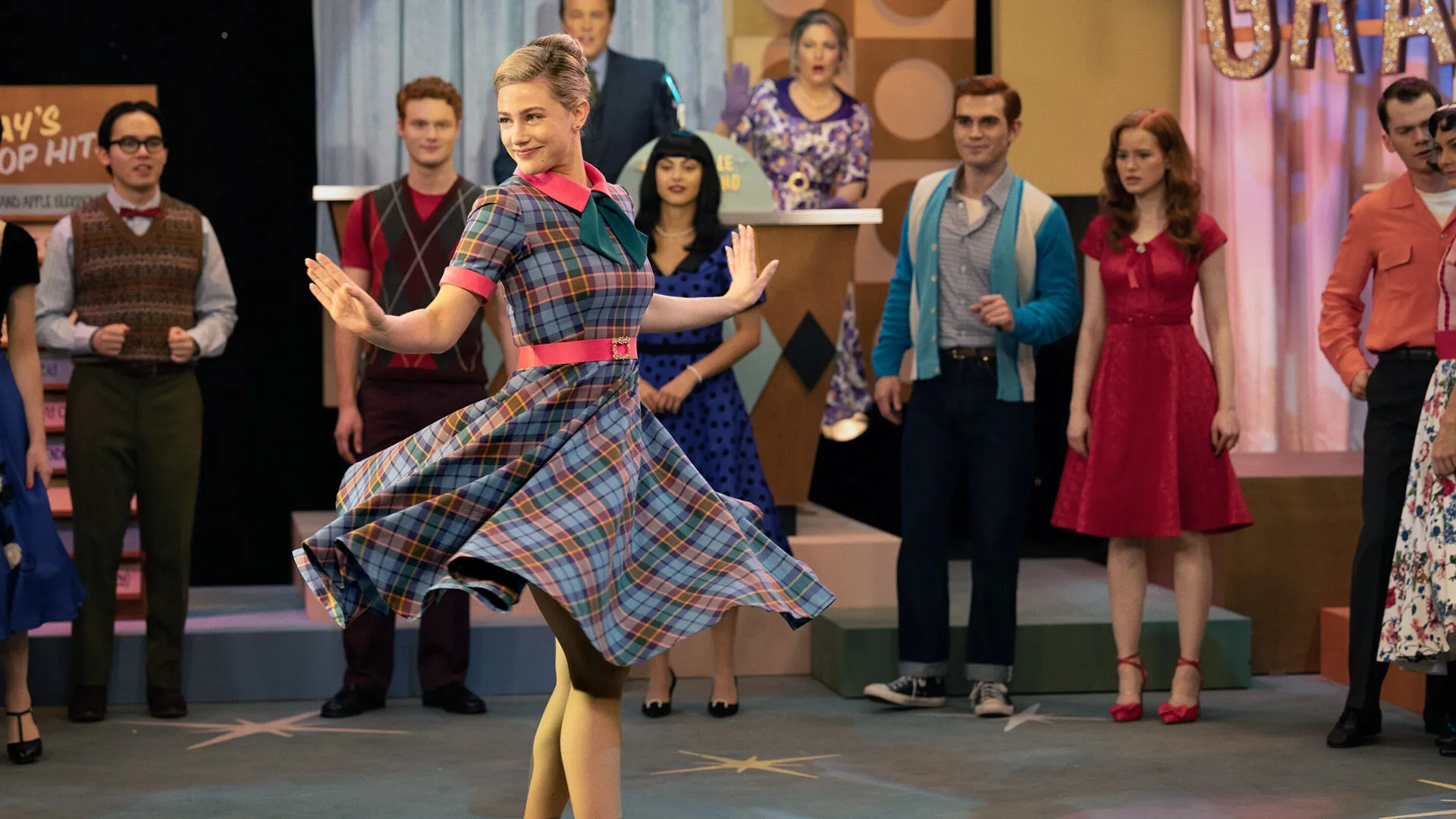
In its final evolutionary leap, Riverdale concluded by sending its characters back to 1955. Following an extinction-level comet at the end of Season 6, guardian angel Tabitha Tate transported the gang to the mid-century to “bend the moral arc of the universe toward justice.” The final season was a meta-commentary on the Archie legacy, stripping away the superpowers and serial killers to focus on the social repressions of the 50s before ending with a poignant, tear-jerking finale in the present day.
By the time the series concluded in August 2023, it had become a “copy of a copy of a copy,” unrecognizable from its pilot but entirely unique in its own right. The final season’s pivot to a 1950s timeline allowed the show to pay homage to the original “Golden Age” Archie Comics while providing a meta-commentary on the nature of storytelling itself.