Cinema is often defined not by the entirety of a film’s runtime, but by the singular, lightning-in-a-bottle moments that change the way we perceive storytelling. These “rent-free” scenes are the ones that sparked playground rumors, redefined visual effects, or captured a universal emotion so perfectly they became cultural shorthand.
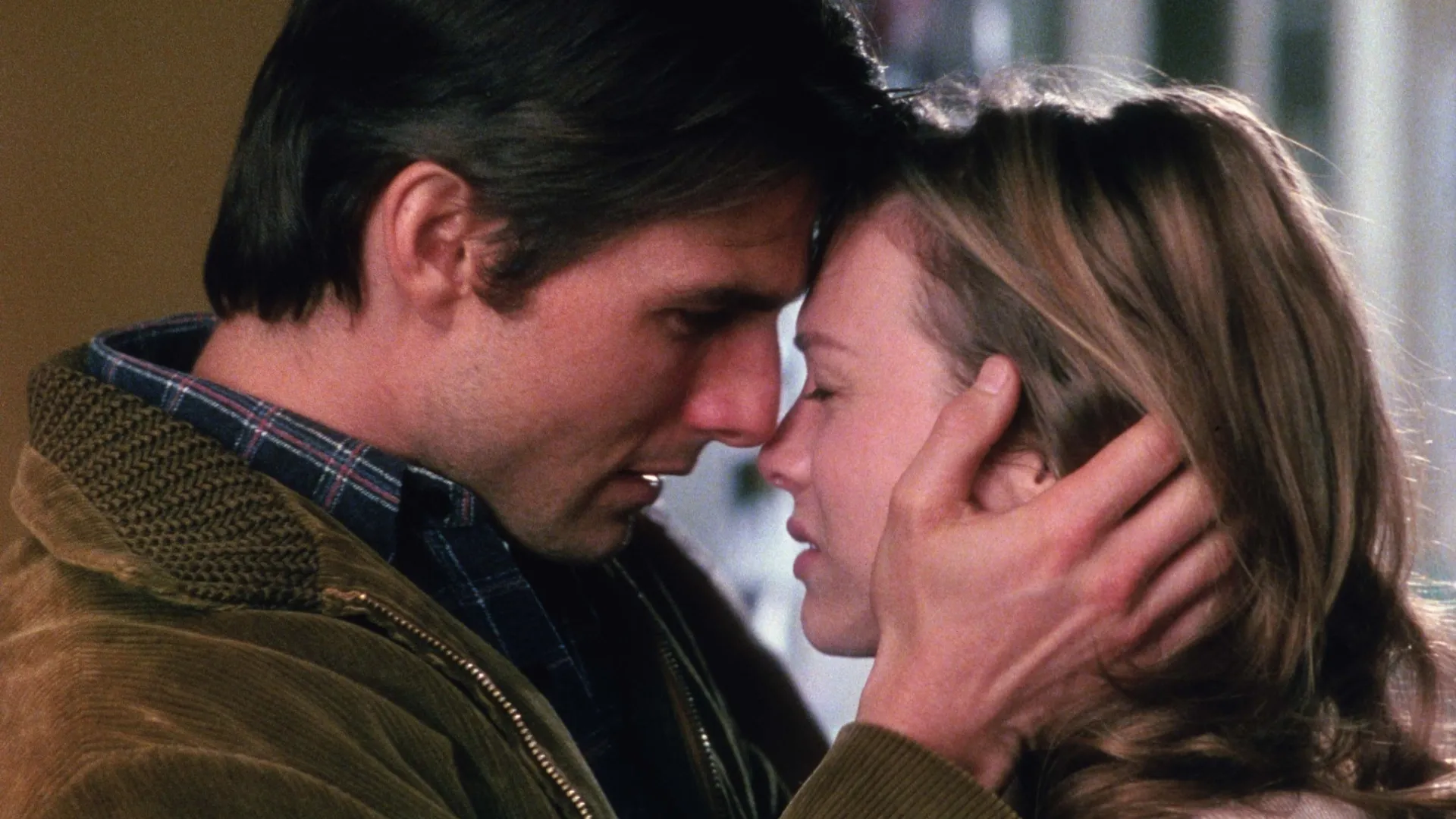
Tom Cruise and Renée Zellweger in Jerry Maguire (1996) / IMDb
Whether it is a perfectly timed line of dialogue or a silent, haunting gaze, these moments represent the pinnacle of the craft. As we look back through decades of film history, these 25 sequences stand out as the definitive pillars of the medium, continuing to influence new generations of filmmakers and remaining etched into the consciousness of moviegoers worldwide.
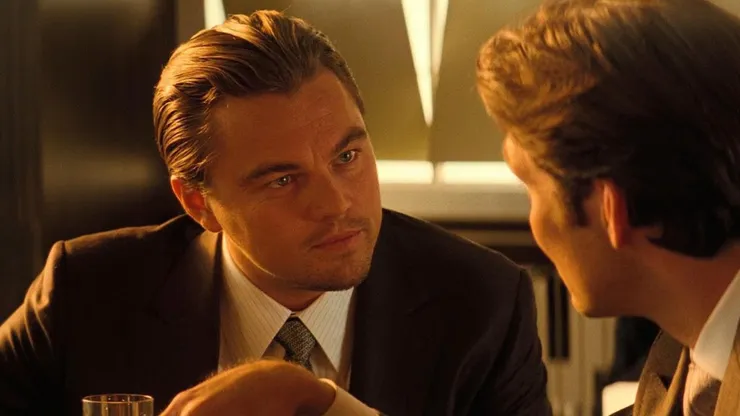
1. The Rotating Hallway Fight – Inception (2010)
Christopher Nolan’s commitment to practical effects reached a breathtaking peak in this zero-gravity combat sequence. To achieve the disorienting effect, the production built a massive, 100-foot centrifugal laboratory that physically rotated while Joseph Gordon-Levitt performed his own stunts. The result is a seamless, physics-bending masterpiece that remains one of the most technically impressive action scenes ever filmed. It stripped away the reliance on digital trickery to provide a tactile, visceral experience that still leaves audiences wondering which way is up.
2. The “I’m the Captain Now” Confrontation – Captain Phillips (2013)
In his film debut, Barkhad Abdi delivered one of the most chillingly effective lines in modern cinema during the initial takeover of the Maersk Alabama. The scene was largely improvised, fueled by the raw tension between the veteran Tom Hanks and the then-unknown Abdi. This moment serves as the film’s pivot point, shifting the power dynamic in an instant and humanizing the desperation of the pirates. It is a masterclass in high-stakes minimalism, relying entirely on the piercing gaze and vocal command of its performers to create a permanent sense of dread.
3. The T-Rex Breakout – Jurassic Park (1993)
Few scenes have captured pure, primal terror as effectively as the moment the prehistoric titan steps through the disabled electric fence. Steven Spielberg utilized a revolutionary combination of full-scale animatronics and early CGI to create a creature that felt physically present and terrifyingly heavy. The subtle tension-building of the rippling water in the plastic cup remains a legendary example of visual foreshadowing. This sequence didn’t just scare audiences; it fundamentally changed what they believed was possible to depict on a movie screen.
4. The Joker’s Pencil Trick – The Dark Knight (2008)
Heath Ledger’s transformative performance as the Clown Prince of Crime was perfectly encapsulated in this brief, brutal, and darkly comedic moment. Entering a room full of seasoned mobsters, the Joker asserts his dominance not with a grand speech, but with a shocking display of low-tech violence. The scene is masterfully edited to emphasize the suddenness of the act, leaving the characters and the audience in a state of stunned silence. It established Ledger’s Joker as an unpredictable force of nature who could turn any mundane object into a lethal weapon.
5. The “Binary Sunset” – Star Wars: A New Hope (1977)
As Luke Skywalker gazes out at the twin suns of Tatooine, John Williams’ sweeping “Force Theme” elevates a simple visual into a monumental moment of cinematic yearning. This scene perfectly encapsulates the universal desire for adventure and the feeling of being trapped by one’s circumstances. The silhouette of a young farm boy looking toward a vast, unknown future remains the most iconic image in the entire franchise. It is a rare instance where music, cinematography, and character motivation align to create a sequence that feels both intimate and cosmically significant.
6. The Blood-Drenched Elevator – The Shining (1980)
Few images in horror history are as visceral or technically daring as the slow-motion deluge of blood bursting from the Overlook Hotel’s elevators. To achieve this, Stanley Kubrick’s team spent weeks rigging the set and used hundreds of gallons of red-dyed water, knowing they only had one take to get it right. The sheer volume and unnatural movement of the liquid created an abstract, terrifying vision of the hotel’s haunted history. It remains a pinnacle of practical effects, symbolizing an inevitable tide of violence that continues to haunt the nightmares of viewers.
7. The “Head in a Box” – Se7en (1995)
David Fincher’s nihilistic masterpiece concludes with a sequence that relies almost entirely on psychological suggestion rather than graphic gore. As Brad Pitt’s Detective Mills realizes the contents of the delivery in the desert, the audience experiences a masterclass in tension and tragic irony. The quick, almost subliminal flash of Gwyneth Paltrow’s face and Pitt’s agonizing “What’s in the box?” plea create an emotional gut-punch that stays with the viewer long after the screen goes black. It is a definitive example of how the imagination can be far more terrifying than anything shown on screen.
8. The Chestburster Sequence – Alien (1979)
The shock on the actors’ faces in this scene was largely authentic, as Ridley Scott famously kept the specifics of the mechanical puppet’s “birth” hidden from the cast. As the creature erupts from John Hurt’s chest during a mundane meal, it shattered the conventions of science fiction by introducing an element of biological horror that felt disturbingly real. The frantic camerawork and the visceral, messy nature of the effects established the Xenomorph as a terrifyingly invasive predator. This moment remains the gold standard for cinematic surprises, forever changing the landscape of the creature feature.
9. The “You Had Me at Hello” Reunion – Jerry Maguire (1996)
While many romantic scenes rely on grand gestures, this moment succeeds through the quiet, vulnerable delivery of its leads. Tom Cruise’s desperate, rambling speech about his realization of what truly matters is perfectly punctuated by Renée Zellweger’s iconic and simple response. It captured a specific kind of emotional exhaustion and relief that resonated deeply with global audiences, turning a standard romantic beat into a cultural touchstone. The line has since entered the common lexicon, representing the exact moment when two people finally find common ground amidst the chaos of life.
10. The Mirrored Diner Conversation – Heat (1995)
The first on-screen meeting between Al Pacino and Robert De Niro was a historic cinematic event that lived up to its massive hype. Michael Mann chose to film the scene with a simple, reverse-angle setup in a real Los Angeles diner, allowing the two titans of acting to simply exist in the same space. The dialogue is a high-stakes chess match where both men acknowledge their mutual respect and their inevitable, fatal collision. By stripped away the artifice of a typical action movie, the scene created an intimate, professional tension that redefined the crime thriller genre.
11. The Basement Reveal – Parasite (2019)
Bong Joon-ho masterfully pivoted the tone of his social thriller in a single sequence when the former housekeeper returns to the Park residence. The discovery of a hidden bunker—and the man living within it—shattered the audience’s expectations of a standard “con artist” comedy. This moment recontextualized the entire narrative, introducing a visceral commentary on class struggle that was both literal and metaphorical. The sudden shift from tension to dark, frantic violence remains one of the most shocking mid-film twists in modern international cinema.
12. The Omaha Beach Landing – Saving Private Ryan (1998)
Steven Spielberg redefined the war film with a twenty-minute opening that prioritized sensory overload and brutal realism over traditional heroism. Using hand-held cameras, desaturated colors, and an immersive sound design that captures the terrifying whiz of bullets, the sequence places the viewer directly in the chaos of the D-Day invasion. It was so effective and accurate that it reportedly triggered PTSD in some veterans who viewed it. This scene stripped away the Hollywood glamour of combat, leaving behind a harrowing, indelible tribute to the soldiers who were there.
13. The “Coin Toss” – No Country for Old Men (2007)
The Coen Brothers created a masterclass in suspense using nothing but a gas station counter and a handful of dialogue. As Anton Chigurh forces a bewildered clerk to bet his life on a coin flip, Javier Bardem’s cold, detached performance creates an almost unbearable level of dread. There is no music and no overt violence, yet the psychological weight of the moment is staggering. It perfectly encapsulates the film’s themes of fate and the senseless nature of evil, leaving the audience as breathless as the man behind the register.
14. The Hallway Hammer Fight – Oldboy (2003)
This South Korean masterpiece features a single-take side-scrolling action sequence that has been imitated dozens of times but never surpassed. As Oh Dae-su takes on an entire corridor of thugs with only a hammer, the choreography emphasizes exhaustion, pain, and messy reality over stylized grace. The lack of cuts forces the viewer to experience every blow and every gasp for air in real-time. It remains a definitive moment in global cinema, proving that a low-tech, well-planned stunt can be more impactful than any computer-generated spectacle.
15. The Shower Scene – Psycho (1960)
Alfred Hitchcock changed the rules of filmmaking forever by killing off his main character in the first act of the story. The sequence is a triumph of editing, featuring 78 rapid cuts that create a sense of extreme violence without the blade ever actually appearing to touch the skin. Bernard Herrmann’s screeching violin score provided a sonic signature for terror that is still recognized globally today. This scene didn’t just shock viewers in 1960; it fundamentally altered the audience’s sense of safety, making the most private space in a home feel suddenly and terrifyingly vulnerable.
16. The Disappearing Pencil – The Dark Knight (2008)
Heath Ledger’s transformative performance as the Joker was perfectly encapsulated in this brief, brutal, and darkly comedic moment. Entering a room full of seasoned mobsters, the Joker asserts his dominance not with a grand speech, but with a shocking display of low-tech violence that leaves the room in stunned silence. The scene is masterfully edited to emphasize the suddenness of the act, establishing the character as an unpredictable force of nature who views murder as a punchline. It remains a definitive example of how a villain can command a room through pure, chaotic intent.
17. The “I’m Flying” Bow Scene – Titanic (1997)
James Cameron captured the pinnacle of cinematic romanticism in this sequence as Jack and Rose stand at the prow of the ill-fated ship. The combination of the golden hour lighting, the sweeping crane shot, and the swelling orchestral score created an image that became the definitive shorthand for freedom and young love. It serves as the emotional heart of the film, providing a breathtaking moment of peace before the impending tragedy. Decades later, it remains one of the most parodied and celebrated visuals in movie history, representing the soaring heights of the human spirit.
18. The Night Vision Basement Chase – The Silence of the Lambs (1991)
The climax of Jonathan Demme’s thriller uses a terrifying POV shift to place the audience in the shoes of a predator. As Clarice Starling stumbles through the pitch-black basement of Buffalo Bill, the use of green-hued night vision creates a claustrophobic sense of helplessness. We see Clarice’s vulnerability through the eyes of the killer, watching his hand reach out toward her while she remains completely blind to his presence. It is a masterclass in building suspense through restricted perspective, making the viewer’s heart race alongside the protagonist’s.
19. The “Funny How?” Confrontation – Goodfellas (1990)
Joe Pesci’s improvisational brilliance turned a casual dinner conversation into a masterclass of psychological intimidation. What begins as a friendly anecdote quickly spirals into a life-or-death tension as Pesci’s Tommy DeVito feigns offense at being called “funny.” The silence that falls over the table—and the visible fear in Ray Liotta’s eyes—perfectly illustrates the hair-trigger volatility of the mob lifestyle. This scene solidified Pesci’s Oscar-winning performance and remains the gold standard for showing how quickly power dynamics can shift in a room full of dangerous men.
20. The Two-Mile Trench Run – 1917 (2019)
Sam Mendes and cinematographer Roger Deakins achieved a visceral feat of storytelling in this sequence where George MacKay’s character sprints across an active battlefield. As hundreds of soldiers leap out of the trenches and explosions rock the earth, the camera stays glued to the protagonist in what appears to be a single, unbroken shot. The scale of the practical effects and the sheer physicality of the performance create a sense of urgent, breathless survival. It is a modern technical marvel that captures the terrifying, expansive chaos of the Great War in a way that feels incredibly personal.