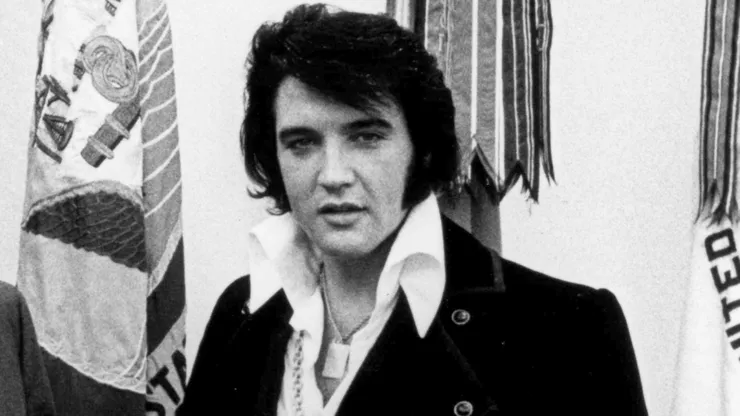
In the history of popular music, there is a distinct divide: everything that came before Elvis, and everything that came after. Born in Tupelo, Mississippi, on January 8, 1935, Elvis Aaron Presley became the ultimate catalyst for a cultural revolution. Today, as he would have turned 91, his legacy is being celebrated with renewed vigor.
From the 2026 “EPiC” concert documentary premiere at Graceland to his staggering billions of streams, Elvis remains a contemporary force. He wasn’t just a singer; he was the first true global superstar who fused gospel, country, and rhythm and blues into a sound that broke racial and social barriers.
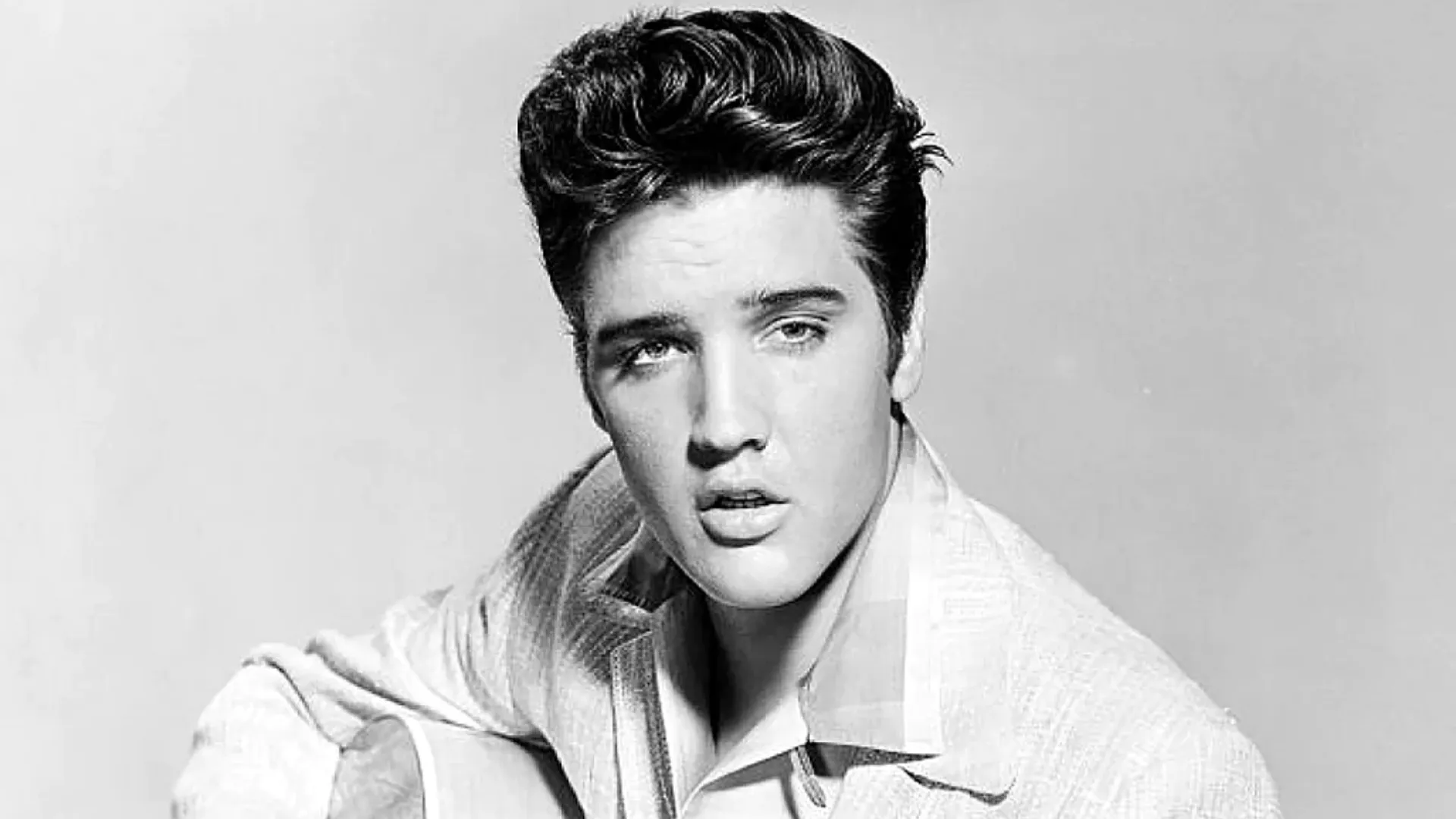
Elvis Presley
Though he left us nearly five decades ago, his influence on music, fashion, and pop culture remains unshakable. From the gates of Graceland to the digital playlists of Gen Z, we’re looking back at the 10 definitive tracks that crowned him the King of Rock ‘n’ Roll.
Suspicious Minds (1969)
Widely considered his finest vocal performance, “Suspicious Minds” arrived during his legendary 1968-69 “Comeback” era. The song’s complex structure—with its shifting tempos and soaring horn sections—perfectly captured the frantic energy of his Las Vegas residency years. It was his 18th and final number-one single on the Billboard Hot 100 during his lifetime, cementing his place as a master of the soulful pop ballad.
Can’t Help Falling in Love (1961)
Originally recorded for the film Blue Hawaii, this track has transcended cinema to become the definitive wedding song for generations. Based on the 18th-century French melody “Plaisir d’amour,” the song highlighted Elvis’s velvet-smooth baritone and his ability to convey deep, earnest vulnerability. In the streaming age, it remains his most-played track, proving that his romantic appeal is timeless.
Jailhouse Rock (1957)
If you want to understand the raw power of early rock ‘n’ roll, look no further than “Jailhouse Rock.” Accompanied by one of the first truly iconic music videos—the choreographed prison dance sequence—this song epitomized the rebellion of the 1950s. The aggressive snarl in Elvis’s voice and the driving backbeat influenced everyone from The Beatles to Bruce Springsteen.
Hound Dog (1956)
“Hound Dog” wasn’t just a song; it was a cultural explosion. When Elvis performed this on The Milton Berle Show with his infamous “gyrating hips,” he became a lightning rod for controversy and a hero to American teenagers. Originally a blues hit for Big Mama Thornton, Elvis’s high-octane version helped bridge the gap between R&B and mainstream pop, forever changing the trajectory of the music industry.
Heartbreak Hotel (1956)
The track that launched “Elvismania.” Released as his first single on RCA Records, “Heartbreak Hotel” introduced the world to the “rockabilly” sound. With its echo-drenched production and haunting lyrics about a lonely man at the end of a line, the song sat at the top of the charts for eight weeks and announced the arrival of a new kind of musical icon.
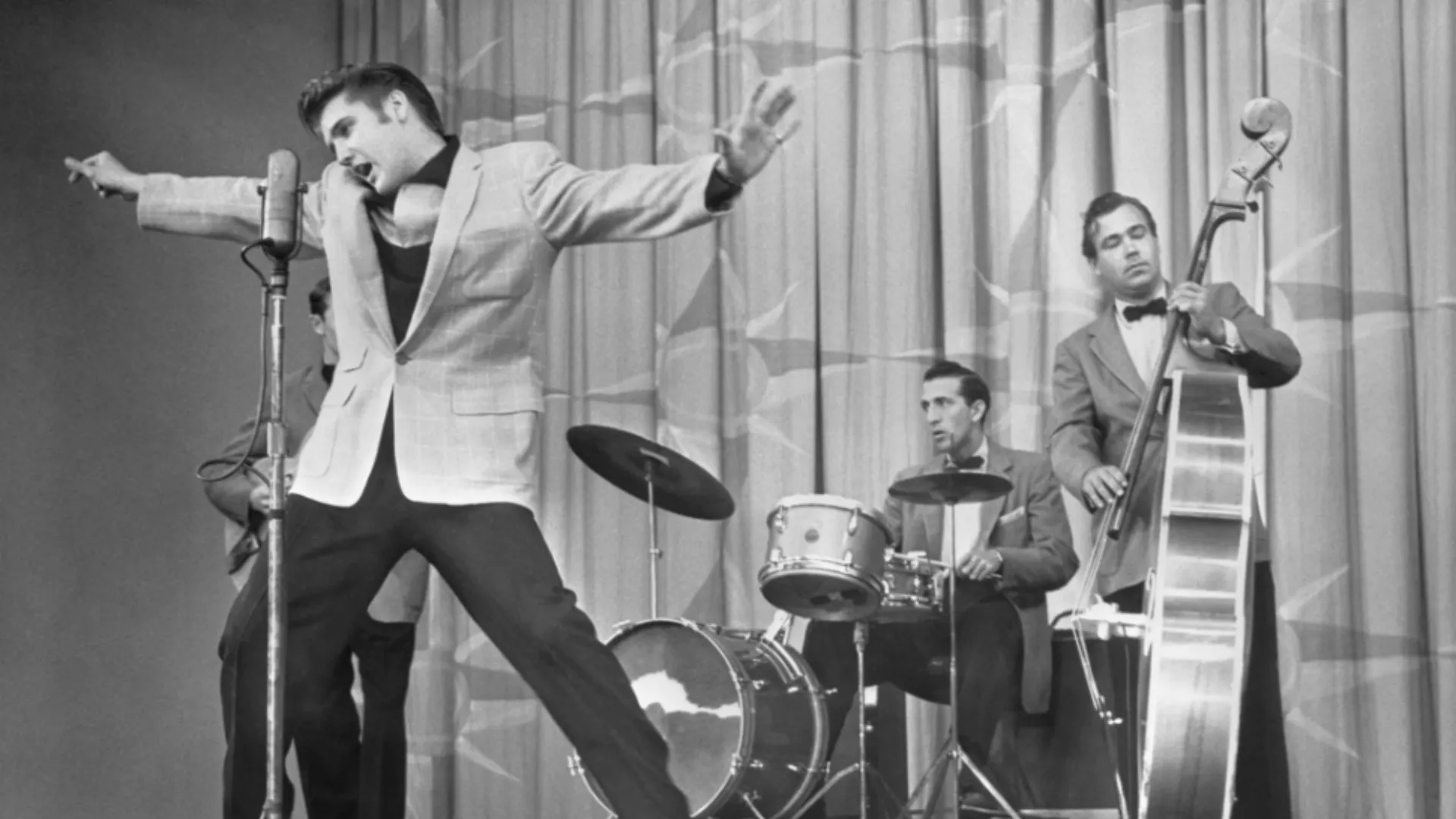
Elvis Presley / IMDb – Bettmann Images
Always on My Mind (1972)
Recorded shortly after his separation from Priscilla Presley, this song is perhaps his most emotionally charged performance. While it has been covered by countless artists, Elvis’s version remains the definitive take, filled with a sense of regret and longing that felt painfully real to his audience. It showcased the “70s Elvis”—a mature, reflective artist who could move an audience with a single whisper.
In the Ghetto (1969)
Proving he could tackle serious social issues, “In the Ghetto” was a stark departure from his usual romantic or rock fare. The narrative song about the cycle of poverty and violence in Chicago showed a level of maturity and empathy that surprised many critics. It remains one of his most powerful vocal performances, delivered with a restrained dignity that heightened the song’s tragic message.
All Shook Up (1957)
Capturing the giddy, frantic feeling of new love, “All Shook Up” spent eight weeks at number one and became a global anthem. The song’s catchy “uh-huh-huh” vocal tics became a trademark of the Elvis sound. It is a perfect example of the “Sun Records” energy meeting “RCA” production values, creating a pop-rock masterpiece that is still a staple on radio today.
Love Me Tender (1956)
Adapted from the Civil War-era ballad “Aura Lee,” this song proved that the “rebellious” Elvis could also be a tender crooner. Released alongside his first motion picture of the same name, it showcased his vocal control and established him as a “triple threat” who could dominate the charts, the stage, and the silver screen simultaneously.
Burning Love (1972)
His last major high-energy rock hit, “Burning Love” proved the King still had plenty of fire left in the 70s. With its driving guitar riff and infectious hook, the song returned Elvis to the top of the charts and became a staple of his flamboyant live shows. It remains a fan favorite for its sheer fun and the effortless charisma Renner—er, Presley—brought to the recording studio.