Some careers are built on steady strides, but others change overnight the moment an actor steps into a franchise built to outlive trends. Long-running series have become financial engines capable of reshaping an actor’s entire trajectory.
Their success isn’t just measured in box-office milestones, but in the unprecedented deals, backend percentages and renegotiated contracts that quietly rewrite the economics of modern stardom.
Their earnings reflect how franchises became the closest thing to financial stability in an unpredictable business. In tracing who profited most from a single series, a portrait emerges of changing power dynamics, evolving revenue models and the rare moments when an actor and a franchise grow rich together.
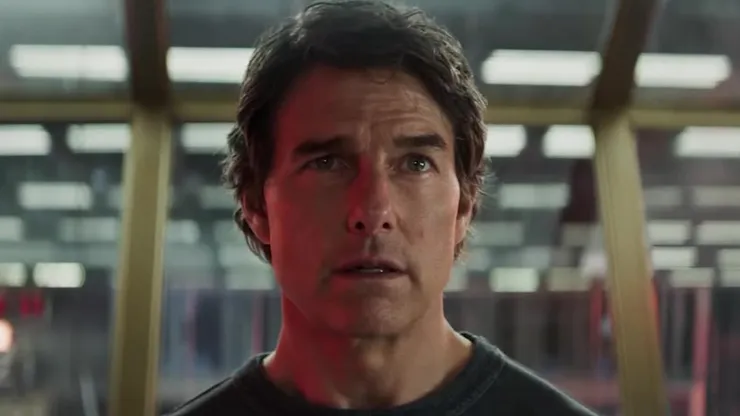
Tom Cruise | The Mission: Impossible Franchise

(Source: IMDb)
Tom Cruise’s case is measured not only by actor paychecks but by the sheer audacity of his vision as a producer who never sold his intellectual property. By securing a substantial percentage of the gross earnings (the so-called “first dollar gross”) from the very first installments of Mission: Impossible, Cruise transformed his role as Ethan Hunt into a relentless money-making machine. This arrangement has allowed him to rake in over $100 million for several individual entries, guaranteeing a fortune that swells with every global explosion of the saga. He is not just an actor; he is a capital partner in every single film.
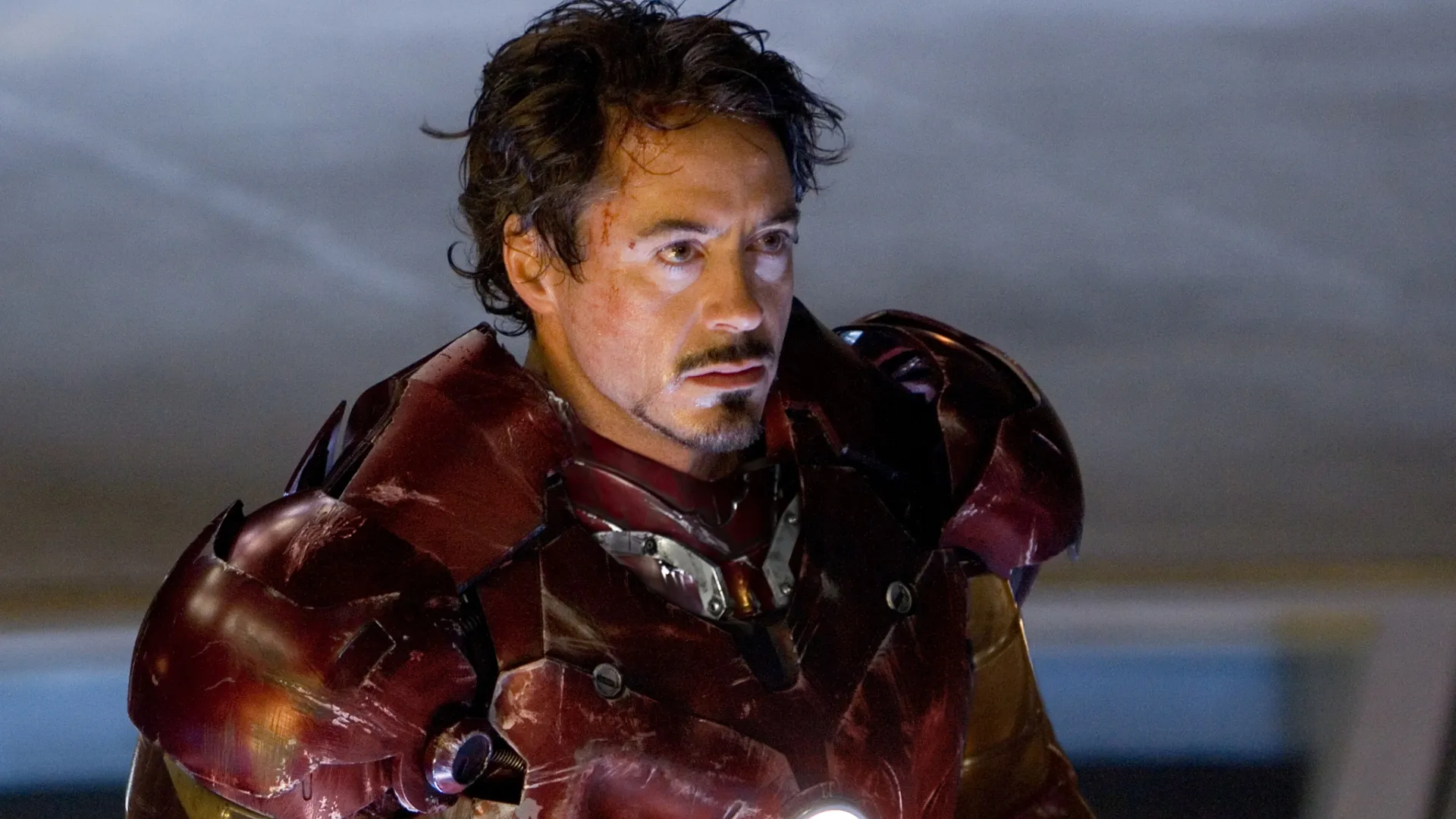
Robert Downey Jr. | The Marvel Cinematic Universe – Iron Man
(Source: IMDb)
Robert Downey Jr.’s arc is the story of a redemptive gamble that exceeded all financial expectations. Initially, his salary for the first Iron Man film was modest. However, as Kevin Feige’s vision and Marvel’s blueprint materialized into a global phenomenon, Downey renegotiated his contract to include a massive share of the profits from the ensemble Avengers films. This arrangement is rumored to have netted him up to $75 million for Avengers: Endgame alone and an accumulated total that places him firmly at the apex of the star system, proving that sometimes, the real superpower is the right contractual clause.
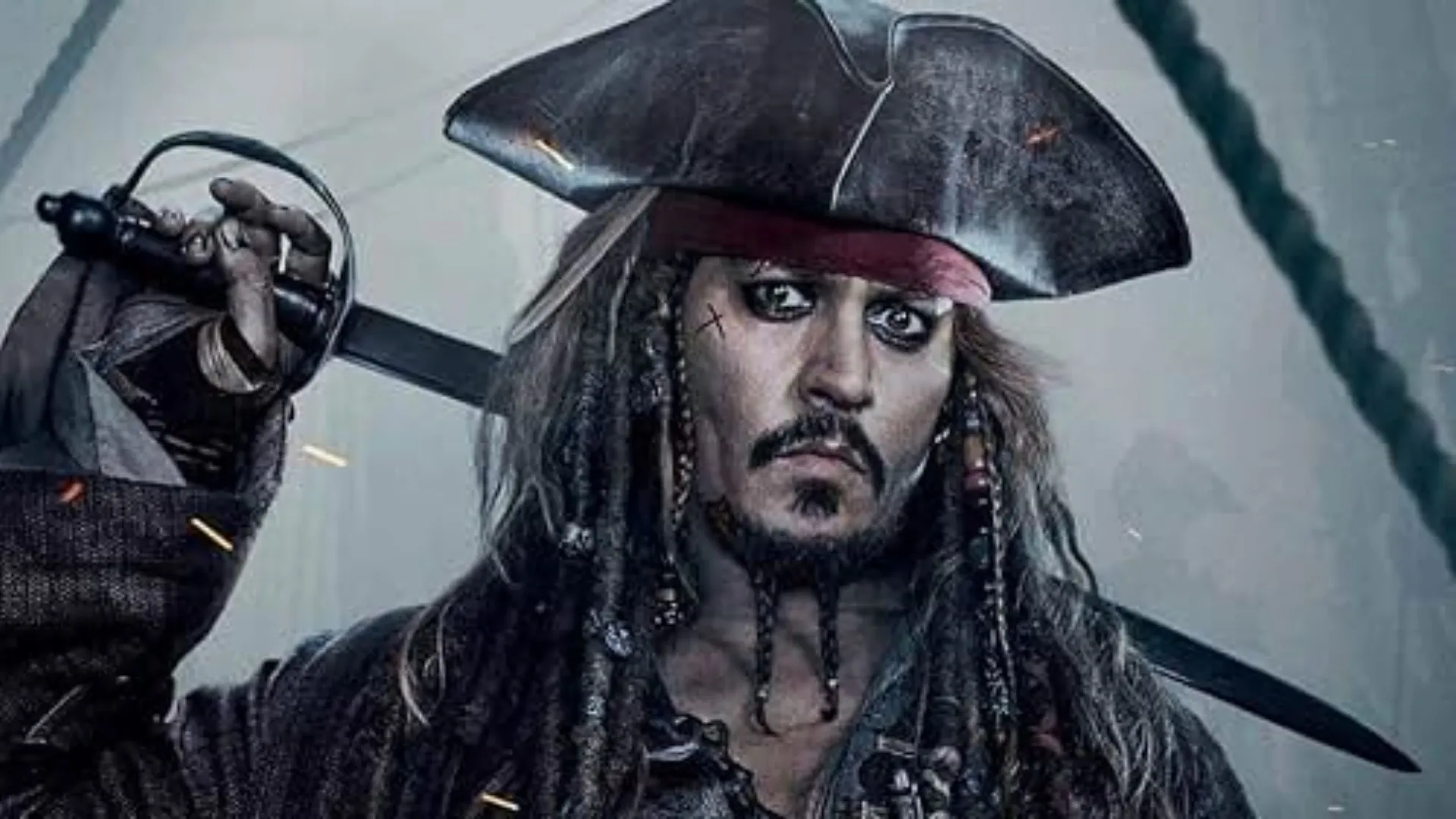
Johnny Depp | The Pirates of the Caribbean Franchise
(Source: IMDb)
Captain Jack Sparrow was not merely a performance but a global brand that sold films, toys, and theme park experiences. While the later installments of the saga were met with critical lukewarmness, the character secured for Depp one of the largest paychecks in Hollywood history, thanks to contracts that guaranteed huge upfront sums and significant profit participation. His eccentric pirate, initially viewed with skepticism, ultimately became the master key to a fortune exceeding $300 million across the five entries, demonstrating that extravagance can be immensely profitable.
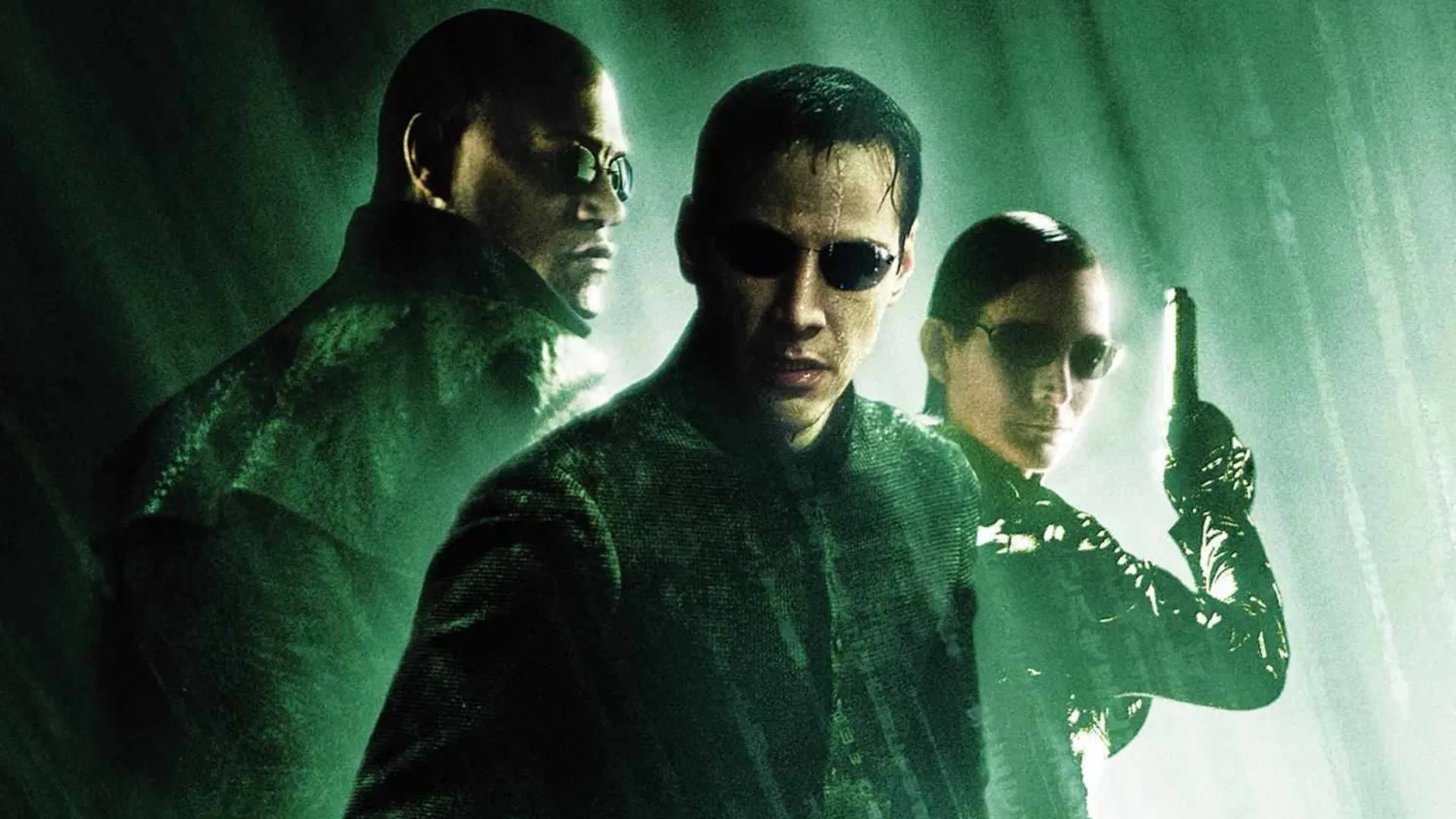
Keanu Reeves | The Matrix Trilogy
(Source: IMDb)
Neo’s odyssey didn’t just revolutionize sci-fi cinema; it rewrote the pay record books for an actor. For the sequels The Matrix Reloaded and The Matrix Revolutions—filmed consecutively—Reeves negotiated a massive stake in the gross profits. This decision translated into an estimated payout that surpassed $150 million for those two films alone, a figure that held the record for years. The actor not only became the face of the digital age but a symbol of how one smart deal can generate astronomical wealth.
Alec Guinness | The Star Wars Saga – Obi-Wan Kenobi

(Source: IMDb)
The noble Jedi Master, Sir Alec Guinness, embodies the classic example of long-term vision. Despite his initial reported disdain for George Lucas’s “fairy tale garbage,” the veteran actor shrewdly negotiated a tiny 2% share of the original film’s gross profits in 1977. In a Hollywood where stars demanded large upfront fees, Guinness bet on the franchise’s enduring success. The result was a steady flow of income that, with re-releases and the lasting legend of Star Wars, reportedly brought his total earnings to over $95 million for a film in which he barely had 20 minutes of screen time. A pure lesson in cinematic economics.
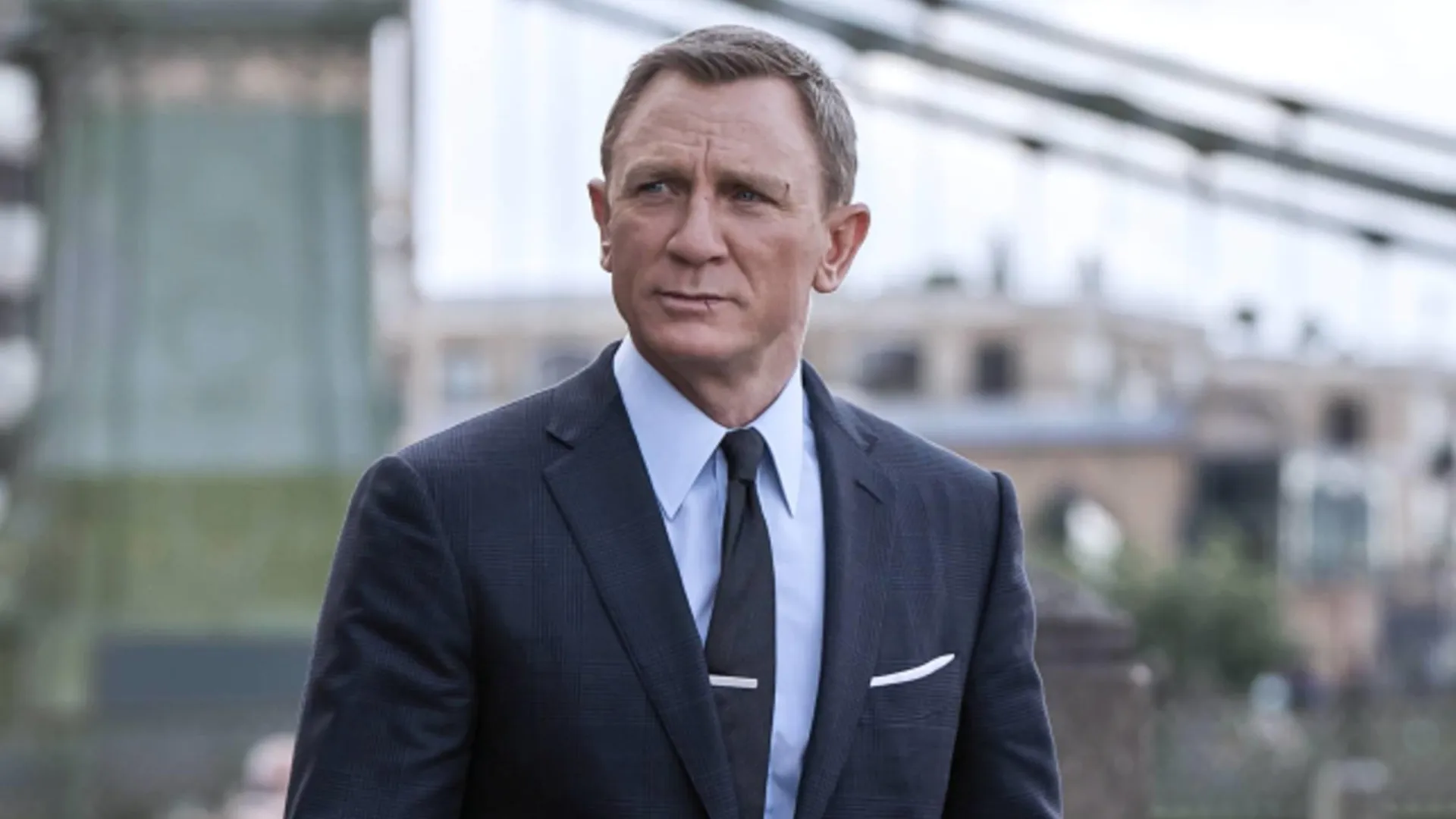
Daniel Craig | The James Bond Franchise
(Source: IMDb)
When Daniel Craig took over the role of James Bond, he didn’t just inherit the license to kill; he inherited the leverage to demand escalating fees with each successive film. While the early Bond actors received fixed salaries, Craig’s run coincided with the global expansion of the franchise, allowing his base salary to skyrocket. His final check for No Time to Die was reportedly a flat $25 million—a figure that doesn’t even include the significant bonuses tied to the box office performance of his five-film tenure. Craig proved that playing the world’s most famous spy is less about patriotism and more about unparalleled negotiation power.
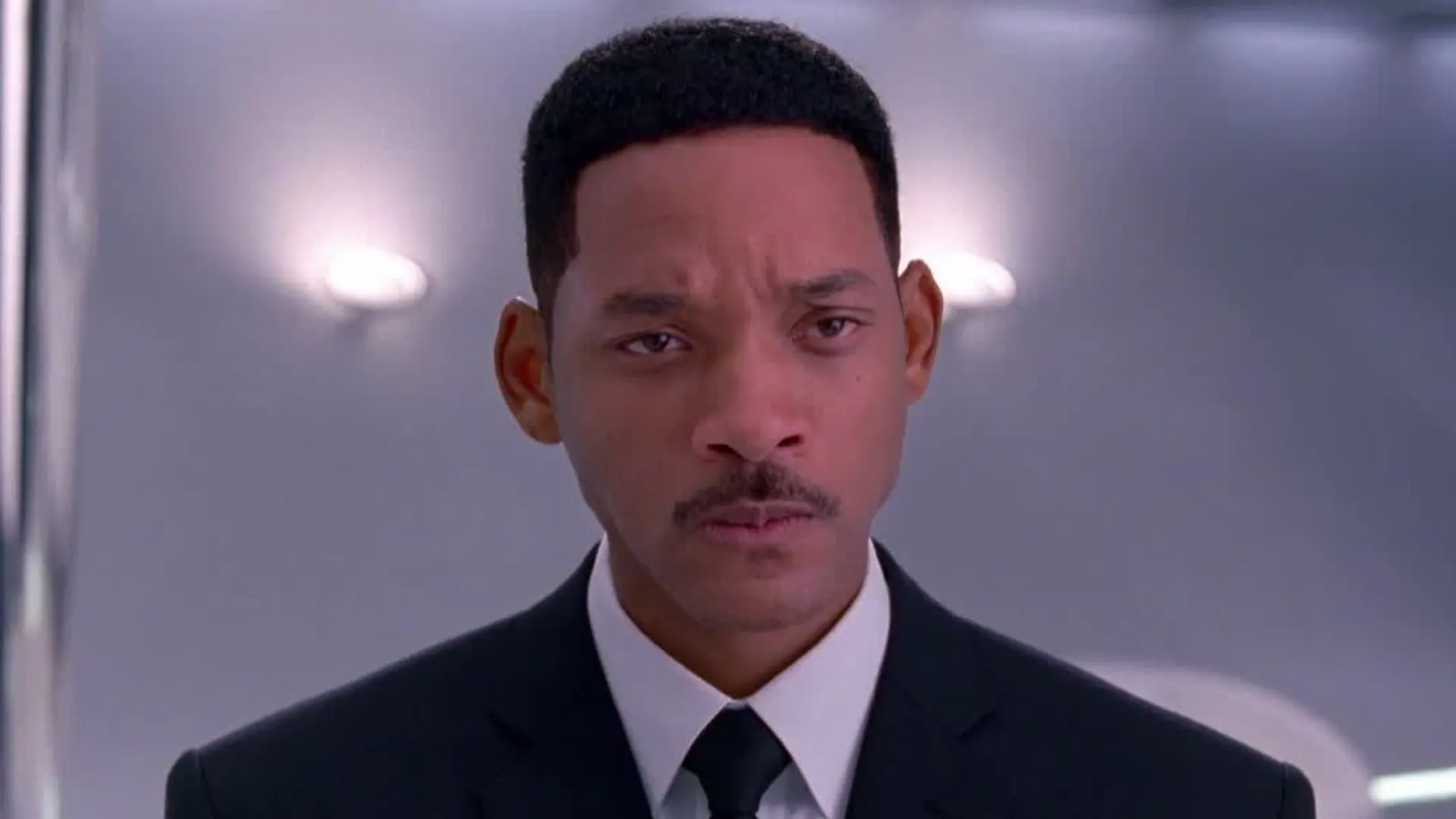
Will Smith | The Men in Black Franchise
(Source: IMDb)
The Men in Black series was a pivotal moment in Will Smith’s career, establishing him as a crossover cinematic superstar capable of anchoring a massive summer blockbuster. His earnings for the sequels, particularly Men in Black 3, were astronomical due to smart backend participation deals. While the sequel took time to develop, Smith’s commitment to returning as Agent J secured him a reputed $100 million haul from that single film, confirming his status as one of the few actors capable of commanding such an overwhelming share of a film’s revenue.
Harrison Ford | The Indiana Jones Franchise

(Source: IMDb)
Harrison Ford’s association with Lucasfilm is twofold, making his combined earnings from the adventure series a legendary benchmark. While his original salary for Raiders of the Lost Ark was modest, Ford’s financial reward grew exponentially with each sequel, culminating in a reported $65 million payday (including profit participation) for his return in Indiana Jones and the Kingdom of the Crystal Skull. His enduring portrayal of the whip-cracking archaeologist is a potent reminder that studios will pay almost any price to revive an irreplaceable, globally beloved icon.
Angelina Jolie | The Maleficent Franchise
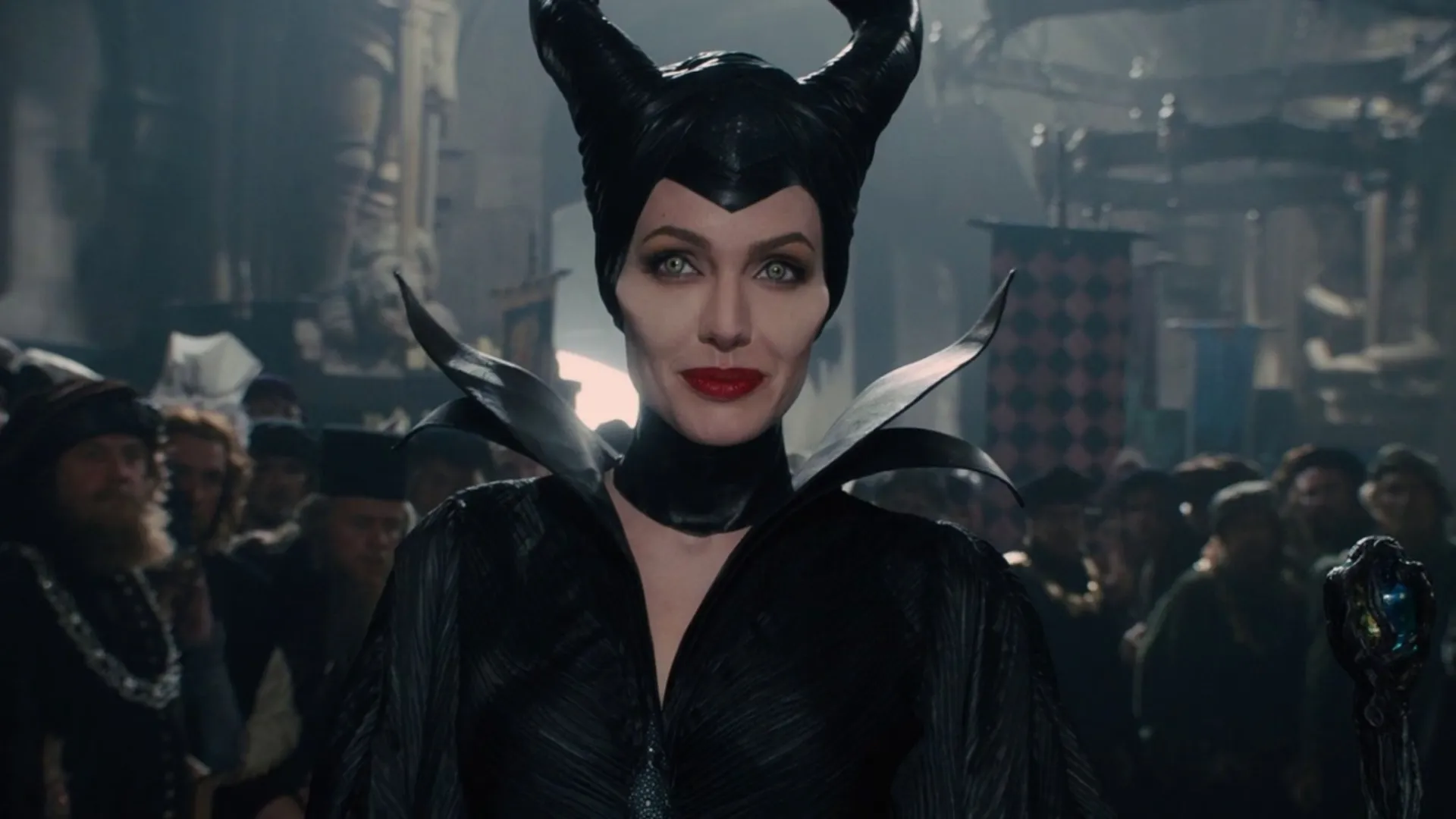
(Source: IMDb)
Angelina Jolie represents the elite tier of female actors capable of commanding a $20 million plus upfront salary for a franchise role. Her transformation into the complex Disney villainess for the Maleficent films proved to be a stroke of genius, both commercially and financially. The star power of her name was the key selling point, particularly overseas, which allowed her to demand and receive an immediate, massive paycheck for the sequel. Her commitment to this single, iconic character secured her one of the most lucrative single-series payouts among her peers.
Hugh Jackman | The X-Men Franchise – Wolverine
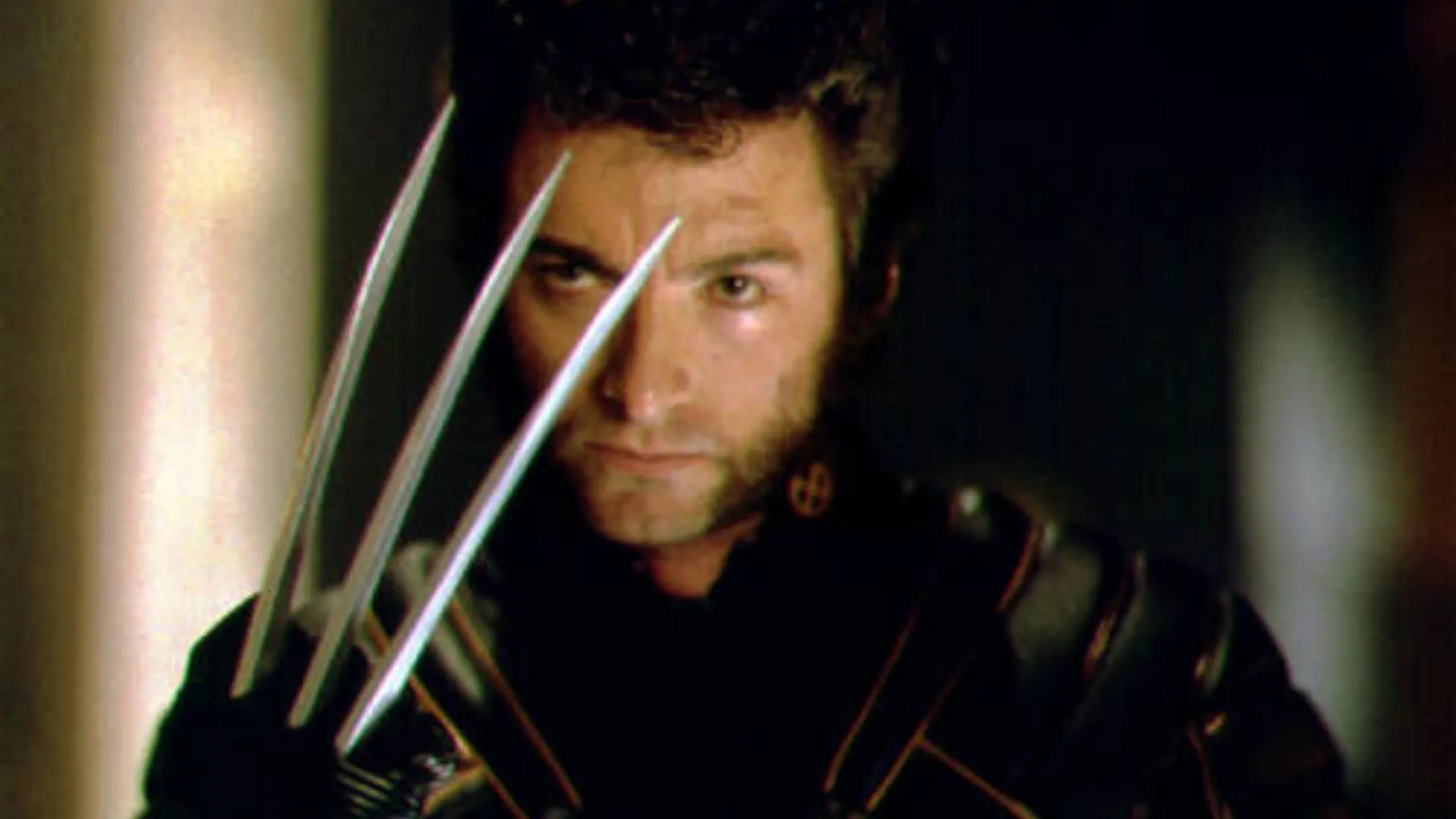
(Source: IMDb)
Hugh Jackman’s two-decade tenure as Wolverine is a study in consistency and brand value. Unlike actors who appear in just a trilogy, Jackman returned repeatedly across various X-Men and solo films, always delivering the guaranteed grit and box office appeal associated with the character. His ability to anchor even the more experimental films of the series, culminating in the critically adored Logan, allowed his negotiation power to remain high. His total accumulated earnings for portraying the metal-clawed mutant across nine films place him among the financial elite, proving the power of sustained, deep immersion in a single comic book persona.
Arnold Schwarzenegger | The Terminator Franchise
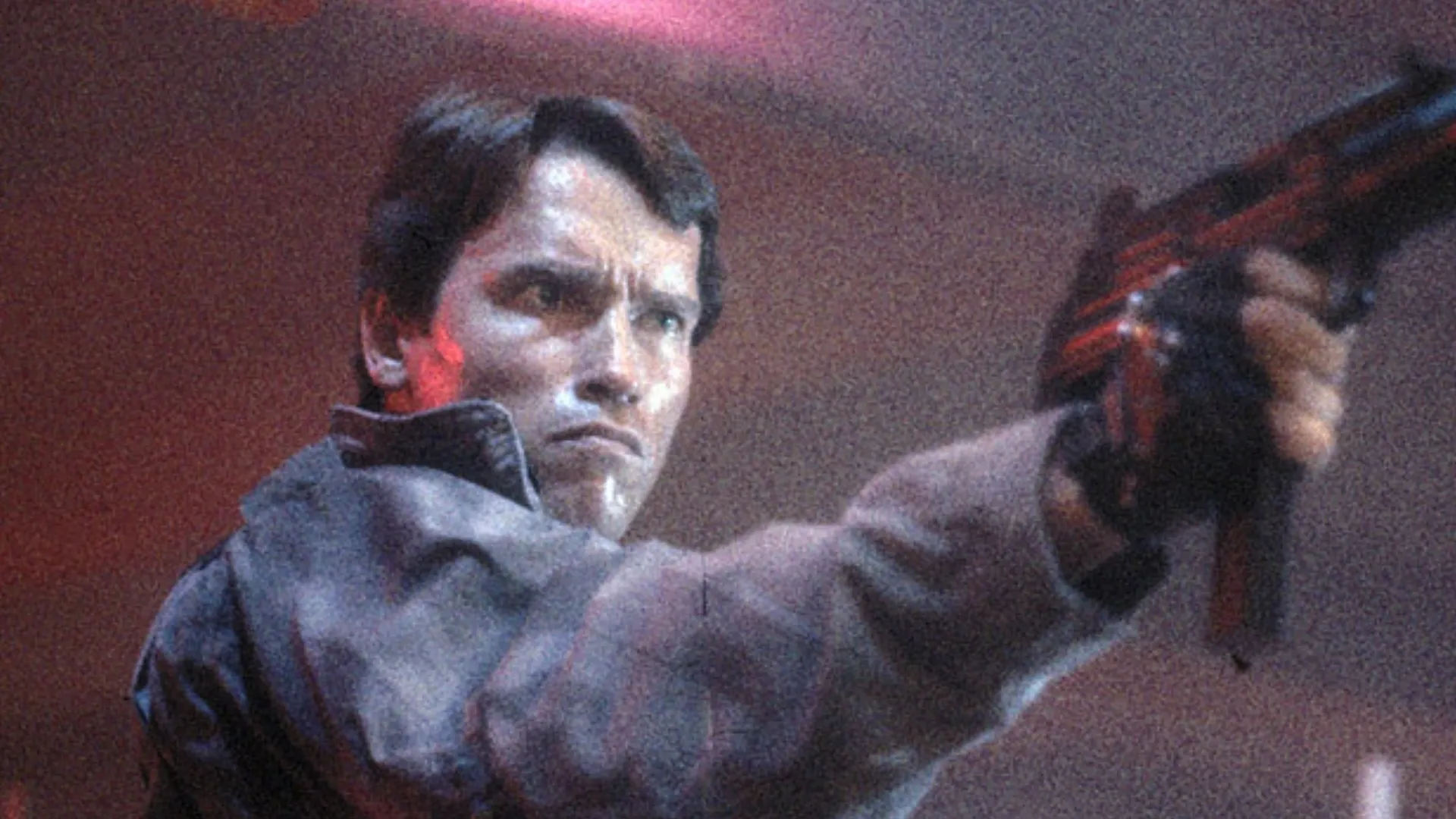
(Source: IMDb)
Arnold Schwarzenegger’s financial leverage in the Terminator series is perhaps best defined by the astronomical, flat salary he commanded for his return in Terminator 3: Rise of the Machines. Recognizing that the film could not exist without his iconic presence, Schwarzenegger reportedly received an upfront fee of $30 million. This payment stands as one of the largest single guaranteed checks ever written to an actor, underscoring the non-negotiable value of his one-liners and imposing stature to a sequel built on pure nostalgia and brand recognition.
Bruce Willis | The Die Hard Franchise

(Source: IMDb)
John McClane is the ultimate enduring action hero, and Bruce Willis’s paycheck reflected his irreplaceable value as the anchor of the Die Hard series across five decades. His financial peak came with the later installments, where his role as a self-deprecating hero became a cinematic comfort blanket for audiences. His salary for the third film, Die Hard with a Vengeance, was a defining moment, securing him a reported $15 million plus backend participation, cementing his status as a financial powerhouse who could demand blockbuster fees for a character he had made famous.
Jennifer Lawrence | The Hunger Games Franchise

(Source: IMDb)
Jennifer Lawrence’s entry into the high-earners list is particularly swift, built on the rapid, global phenomenon of The Hunger Games. After a relatively modest first-film salary, she shrewdly leveraged her Oscar win and the first film’s monumental box office into a significant salary increase for the sequels. Her payment for Catching Fire jumped to around $10 million, followed by even larger guarantees for the final two films. This trajectory highlights how quickly a young star can ascend the financial ladder when attached to a defining, generation-spanning YA (Young Adult) adaptation.
Vin Diesel | The Fast & Furious Franchise
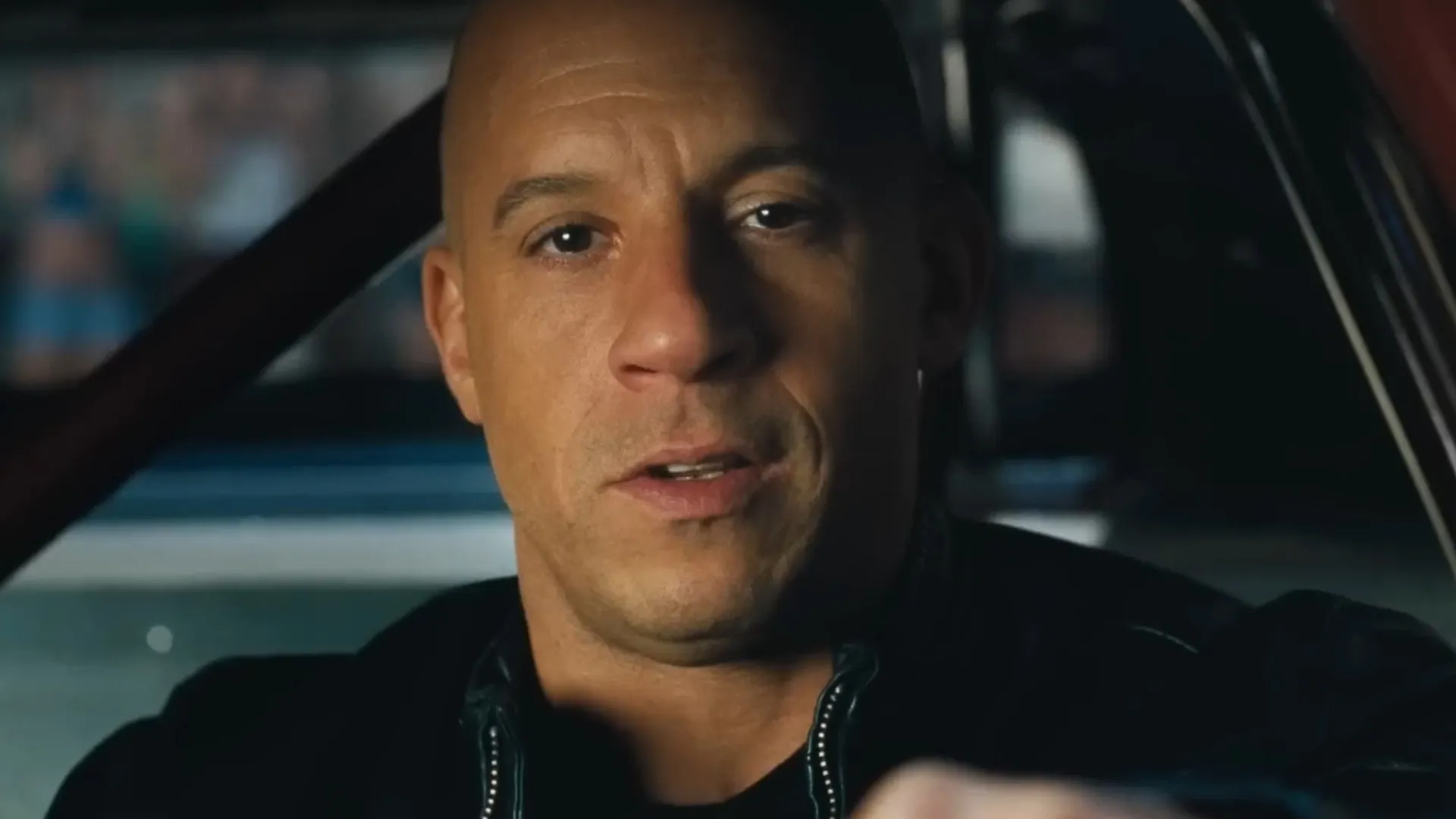
(Source: IMDb)
The Fast & Furious franchise is an engine of profitability, and Vin Diesel’s role as Dom Toretto is cemented by both his acting and his increasingly important position as a producer on the films. His commitment to the saga—and the “family” dynamic both on and off-screen—allowed him to negotiate deals that grew exponentially, particularly as the series surpassed the $5 billion global box office mark. His massive upfront salaries and producer credit profit-sharing have reportedly earned him well over $200 million throughout the series, demonstrating the staggering power of IP ownership and a global fanbase.
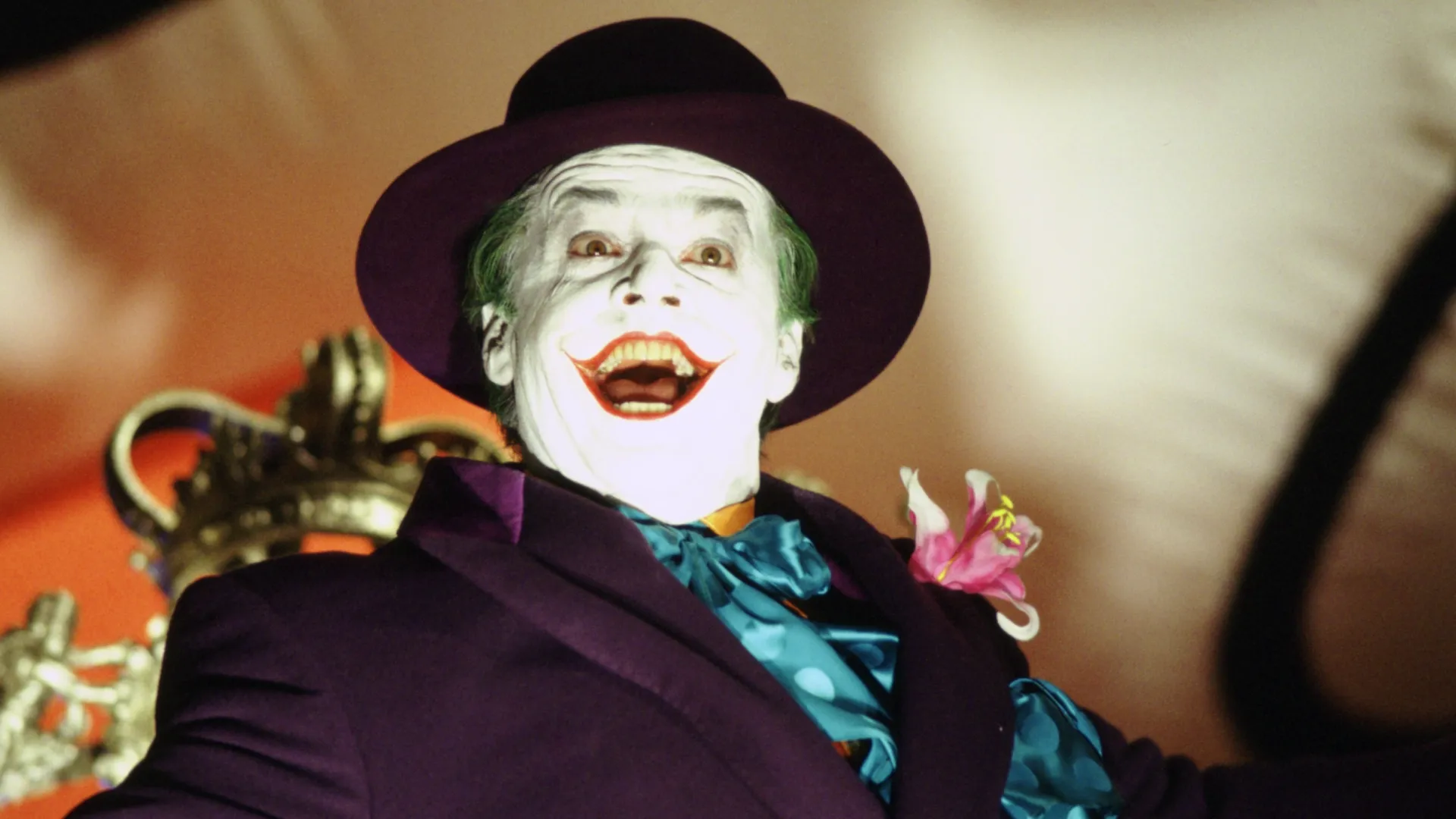
Jack Nicholson | The Batman Franchise – The Joker
(Source: IMDb)
Jack Nicholson’s 1989 deal to play the Joker in Tim Burton’s Batman is a legendary case study in cinematic finance. His initial salary was a substantial $6 million, but his true genius lay in his negotiation for a slice of the backend gross, including a percentage of box office, video sales, and merchandising. When the film became a cultural phenomenon, that percentage paid off spectacularly, reportedly earning Nicholson a total haul of over $60 million from that one film and its subsequent afterlife, a figure almost unheard of for a villainous role at the time.
Chris Hemsworth | The Marvel Cinematic Universe – Thor

(Source: IMDb)
Like many of the core Avengers, Chris Hemsworth’s journey began with a modest Marvel paycheck. However, his enduring popularity as the Asgardian God of Thunder allowed him to consistently renegotiate his contract into the elite bracket. His solo Thor films, coupled with the immense success of the Avengers ensemble movies, guaranteed him a payout of over $150 million across his multi-film contract, solidifying his role as a foundational—and financially necessary—pillar of the entire MCU structure.
Daniel Radcliffe | The Harry Potter Franchise

(Source: IMDb)
Daniel Radcliffe literally grew up playing Harry Potter, and his escalating salaries reflected the increasing value of the Boy Who Lived. From humble beginnings, his earnings soared to an estimated $25 million for each of the final two films. His total accumulated wealth from the eight films of the wizarding world saga reportedly exceeds $100 million, granting him the unique financial freedom to pursue any creative project without the pressure of a paycheck for the rest of his career.
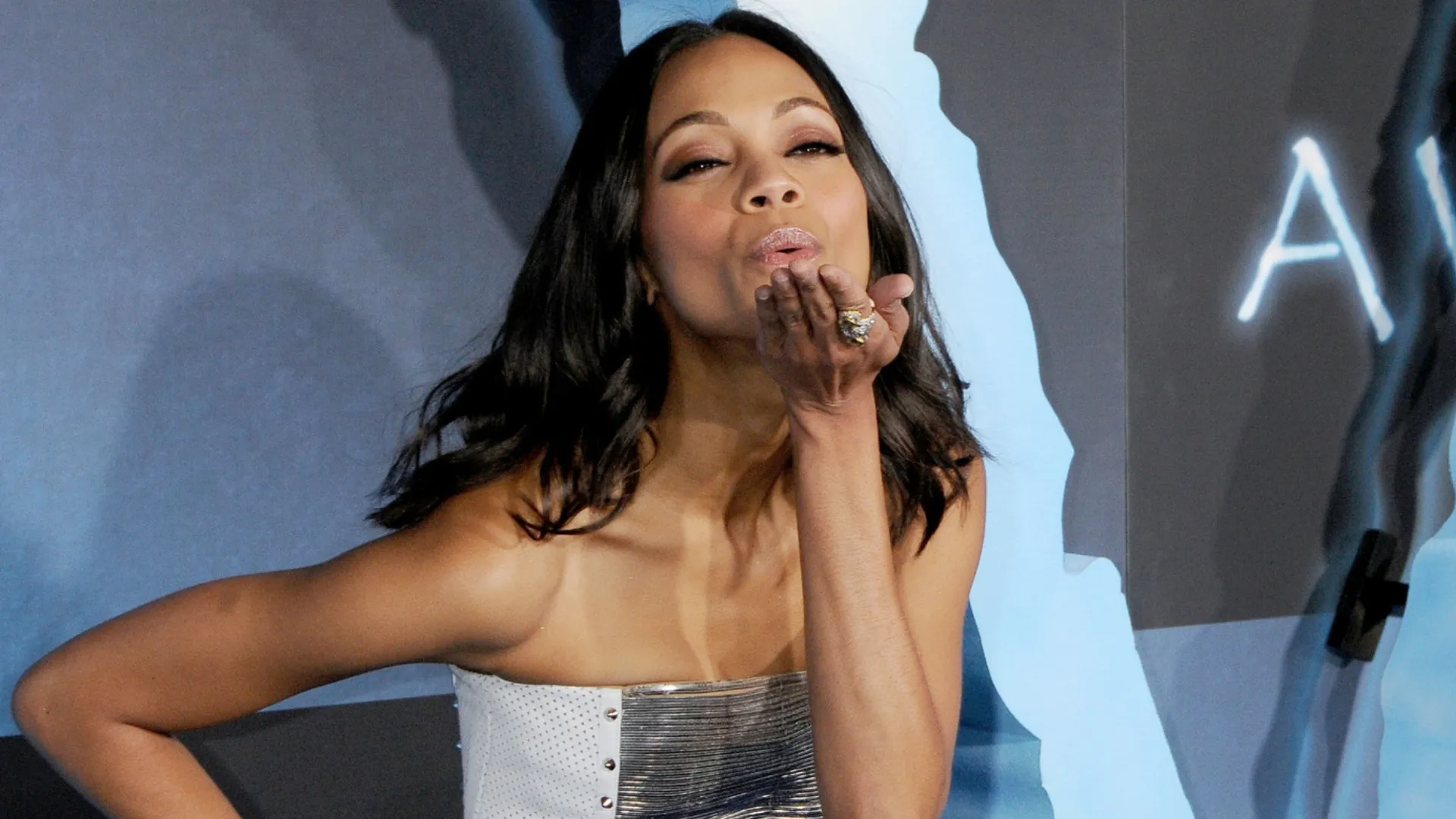
Zoe Saldana | The Avatar Franchise
(Source: IMDb)
Zoe Saldaña’s place on this list is built on her anchor role as Neytiri in the most successful film of all time, James Cameron’s Avatar. While her initial salary for the first film was relatively standard, her crucial importance to the sequels—which also crossed the billion-dollar threshold—allowed her to secure significant bonuses and profit participation. Reports suggest her earnings for the second Avatar film alone pushed her total franchise earnings into the nine-figure territory, confirming her as one of the most profitable faces in contemporary cinema.
Mike Myers | The Shrek Franchise

(Source: IMDb)
In the realm of animation, Mike Myers’ voice work as the titular ogre, Shrek, represents one of the most lucrative single-character deals in history. After receiving modest pay for the first film in exchange for backend points, the massive, unexpected success of the franchise—fueled by massive merchandising sales—allowed the main voice cast to demand astronomical figures. Myers reportedly secured $15 million for each of the subsequent sequels, proving that the right voice, attached to the right animated IP, can command superstar live-action money.
Kristen Stewart | The Twilight Saga

(Source: IMDb)
The Twilight saga, though often criticized, generated a fierce, devoted, and highly lucrative fanbase. Kristen Stewart, as the emotional center Bella Swan, leveraged the series’ global dominance into massive paydays. Her salary for the final two-part conclusion, Breaking Dawn, reportedly reached $25 million plus a share of the profits, resulting in a total franchise earning estimated near $70 million, a staggering reward for a film series based on teenage angst and eternal love.
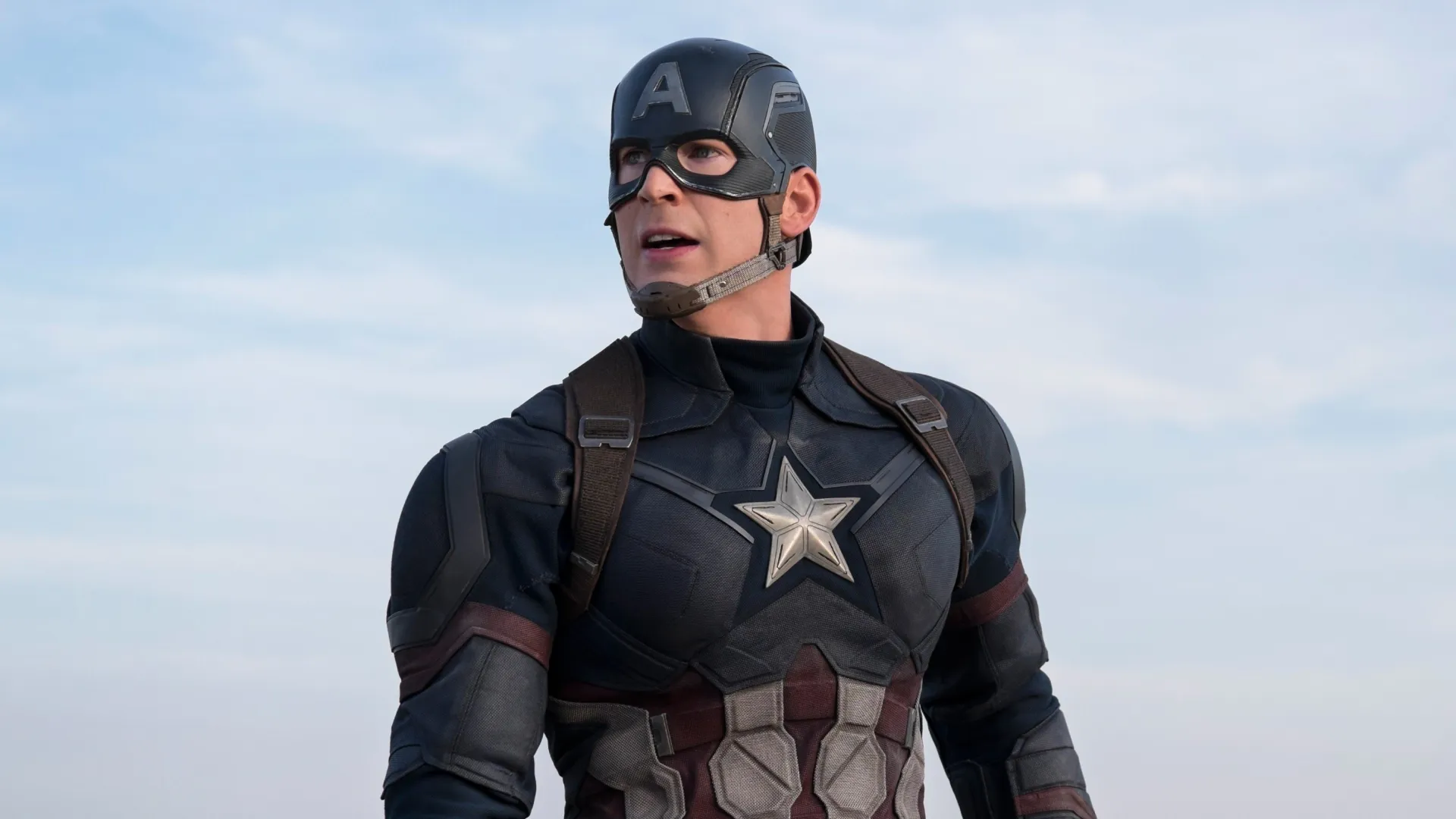
Chris Evans | The Marvel Cinematic Universe – Captain America
(Source: IMDb)
The moral core of the MCU, Chris Evans’ Captain America became one of the franchise’s most potent symbols, guaranteeing huge returns. His initial Marvel contracts were famously restrictive, but as the Avengers films began breaking box office records, his renegotiated deals reflected his indispensable status. His final payments, including salary and bonuses for the ensemble films, earned him over $75 million from the single franchise, demonstrating the financial gravity of leading the world’s most profitable superhero team.
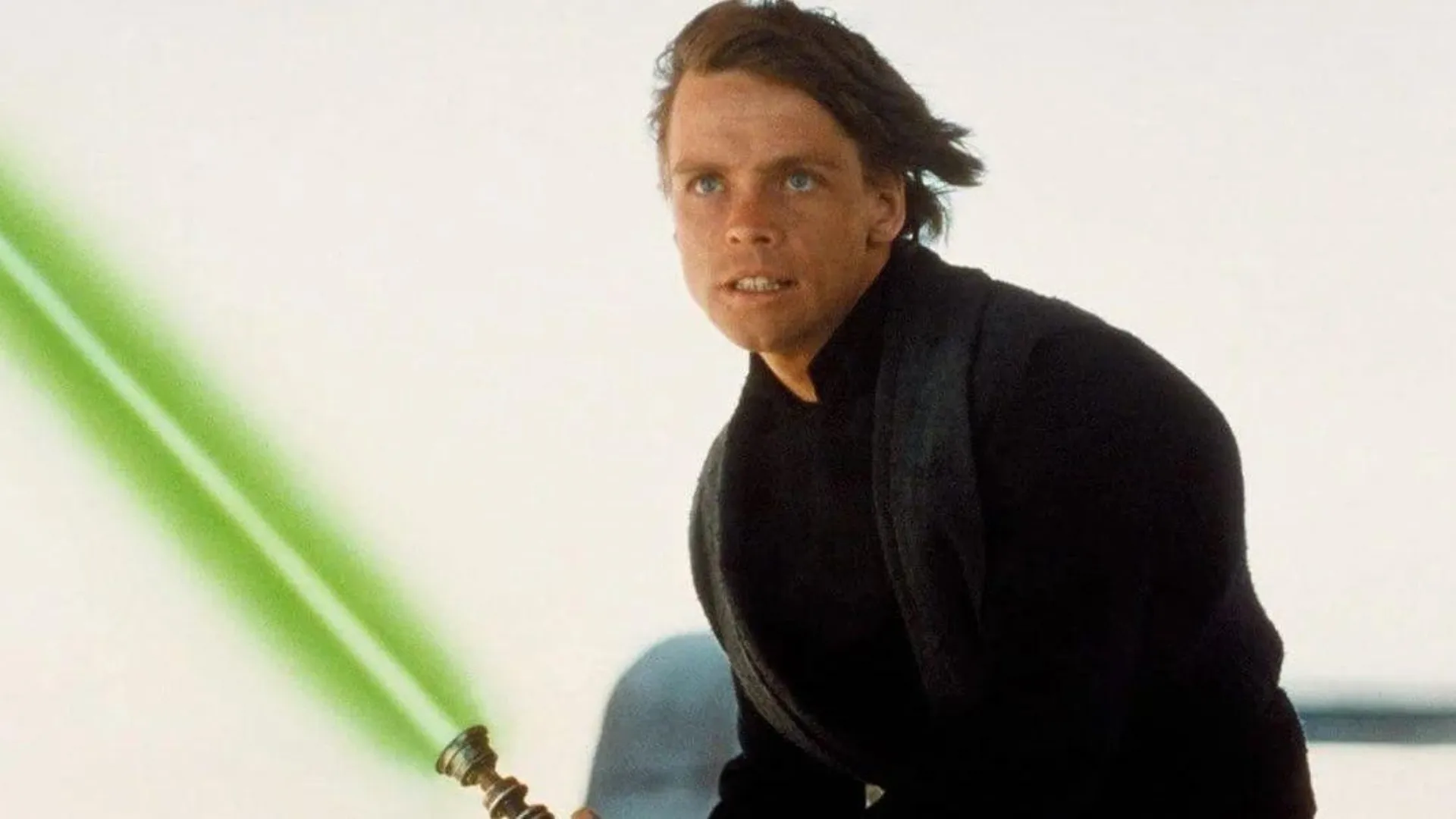
Mark Hamill | The Star Wars Saga – Luke Skywalker
(Source: IMDb)
Mark Hamill’s return as Luke Skywalker in the Disney sequel trilogy—nearly forty years after the original film—was one of the most highly anticipated moments in cinema. Hamill, recognizing the immense historical and financial weight of the character, negotiated an enormous deal for his return. While his initial earnings in 1977 were eclipsed by Alec Guinness’s savvy contract, his participation in the new billion-dollar installments secured a final franchise payday estimated to be well over $50 million, ensuring the Jedi Master’s financial future remained as bright as a binary sunset.
Ellen Pompeo | The Grey’s Anatomy Series

(Source: IMDb)
Pompeo became the modern television definition of star power in a long-running franchise. As Meredith Grey, she negotiated a contract securing her over $20 million per year for the later seasons, a deal that included not only a massive salary but a portion of the show’s profits and a producer credit, cementing her as one of the highest-paid drama actresses in television history.
Charlie Sheen | Two and a Half Men

(Source: IMDb)
Charlie Sheen became the highest-paid actor on television during the peak years of Two and a Half Men, earning an extraordinary $1.8 million per episode before his departure. Across eight seasons and 177 episodes, industry reports estimate that Sheen accumulated around $150–$160 million from salary alone.
His earnings were boosted by profit participation negotiated early on, giving him a rare backend slice for a sitcom lead. While the exact figure varies depending on syndication cycles, Sheen’s total haul from the franchise remains one of the most lucrative deals ever struck for a network comedy star.
Jerry Seinfeld | Seinfeld
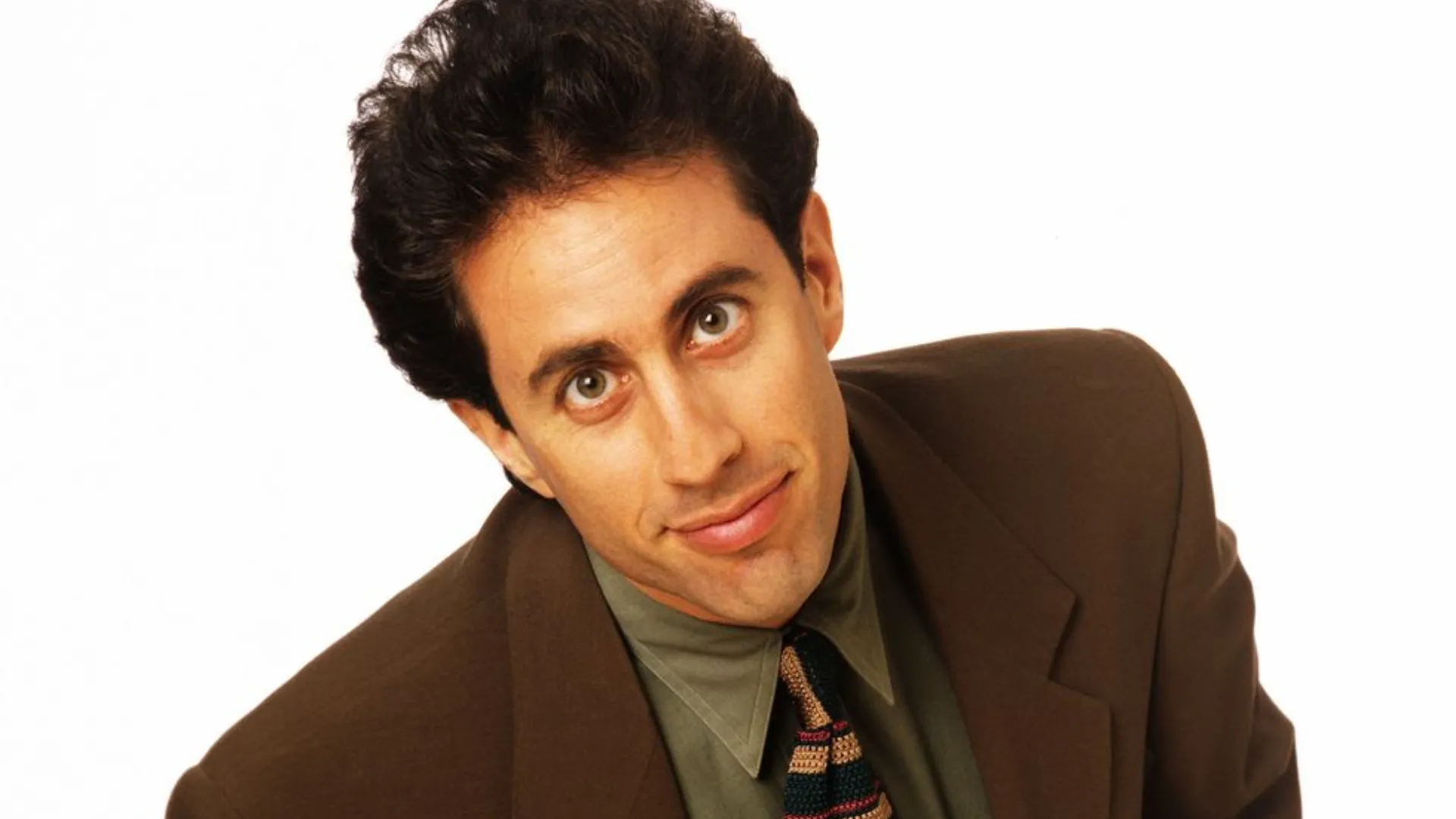
(Source: IMDb)
Jerry Seinfeld’s financial legacy from Seinfeld is unmatched in television history. By the final season, he was earning $1 million per episode, but the real windfall came from ownership. As both co-creator and major rights holder, Seinfeld has continued to collect substantial profits from syndication, streaming deals, and international distribution.
Most financial analyses place his lifetime earnings from the franchise at over $800 million, with some estimates pushing the figure past $1 billion when factoring in backend points, residuals, and major deals like Netflix’s streaming acquisition. It stands as the single most profitable TV franchise payout for an actor to date.
Ray Romano | Everybody Loves Raymond

(Source: IMDb)
Ray Romano negotiated one of the strongest deals ever awarded to a sitcom lead, ultimately earning $1.7 million per episode in the show’s later seasons. Over nine seasons and 210 episodes, his salary earnings alone totaled roughly $155–$180 million, depending on reported bonuses and escalators built into his contract.
Beyond his record-setting paychecks, Romano also held significant syndication participation, ensuring ongoing income long after the series ended. With rerun royalties included, analysts estimate his lifetime earnings from Everybody Loves Raymond at well over $200 million, solidifying his place as one of television’s most financially successful stars.