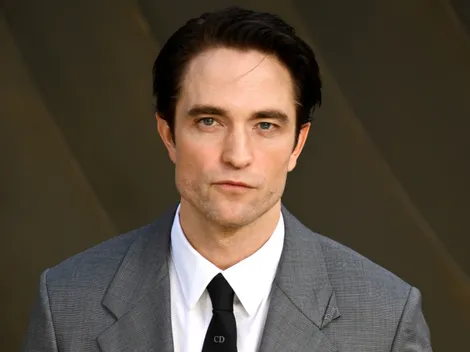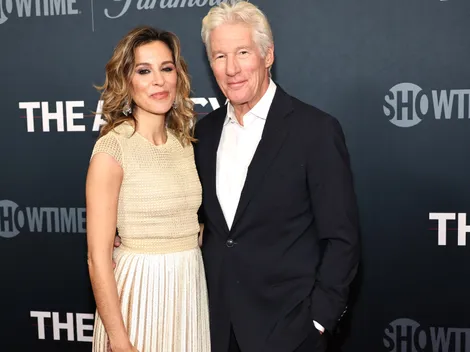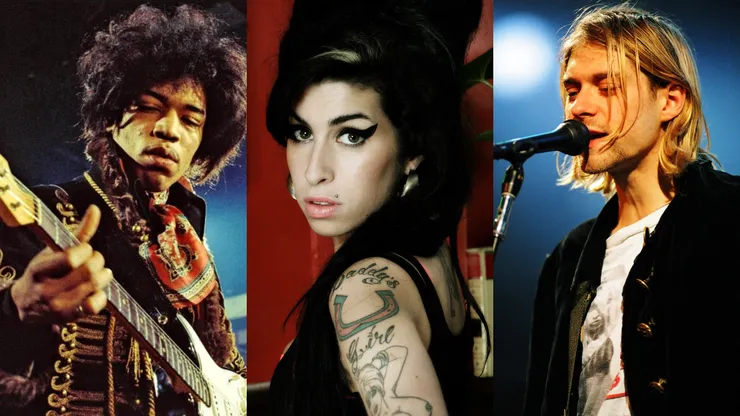
The phrase “27 Club” entered popular culture not through mythology, but through repetition. Over the span of just a few years, a striking number of influential musicians—each at the height of creative momentum—died at the same age, leaving behind unfinished catalogs and outsized cultural echoes.
What began as coincidence slowly hardened into a narrative that music history could not ignore. From blues and rock to punk and grunge, these artists reshaped their genres with urgency and vulnerability, often compressing entire legacies into a handful of turbulent years.
Brian Jones
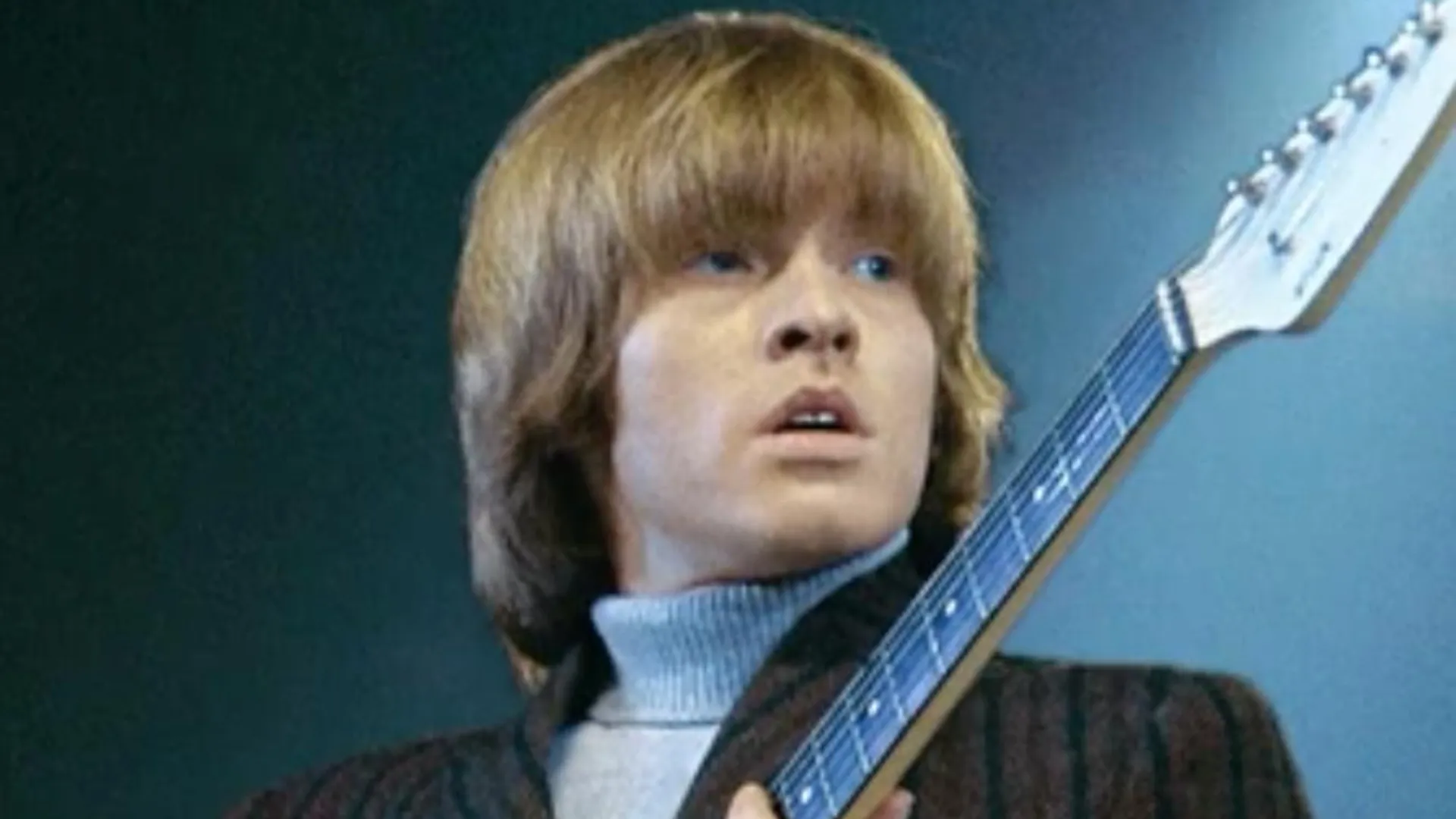
(Source: IMDb)
As a founding member of The Rolling Stones, Brian Jones played a decisive role in shaping the band’s early identity. A gifted multi-instrumentalist, he introduced unconventional sounds—sitar, marimba, dulcimer—that expanded the group’s blues roots into something more experimental. Yet as the Stones evolved, Jones slowly lost creative ground, struggling with addiction and internal tensions. His death in 1969, just weeks after leaving the band, marked the first modern chapter of what would later be known as the 27 Club.
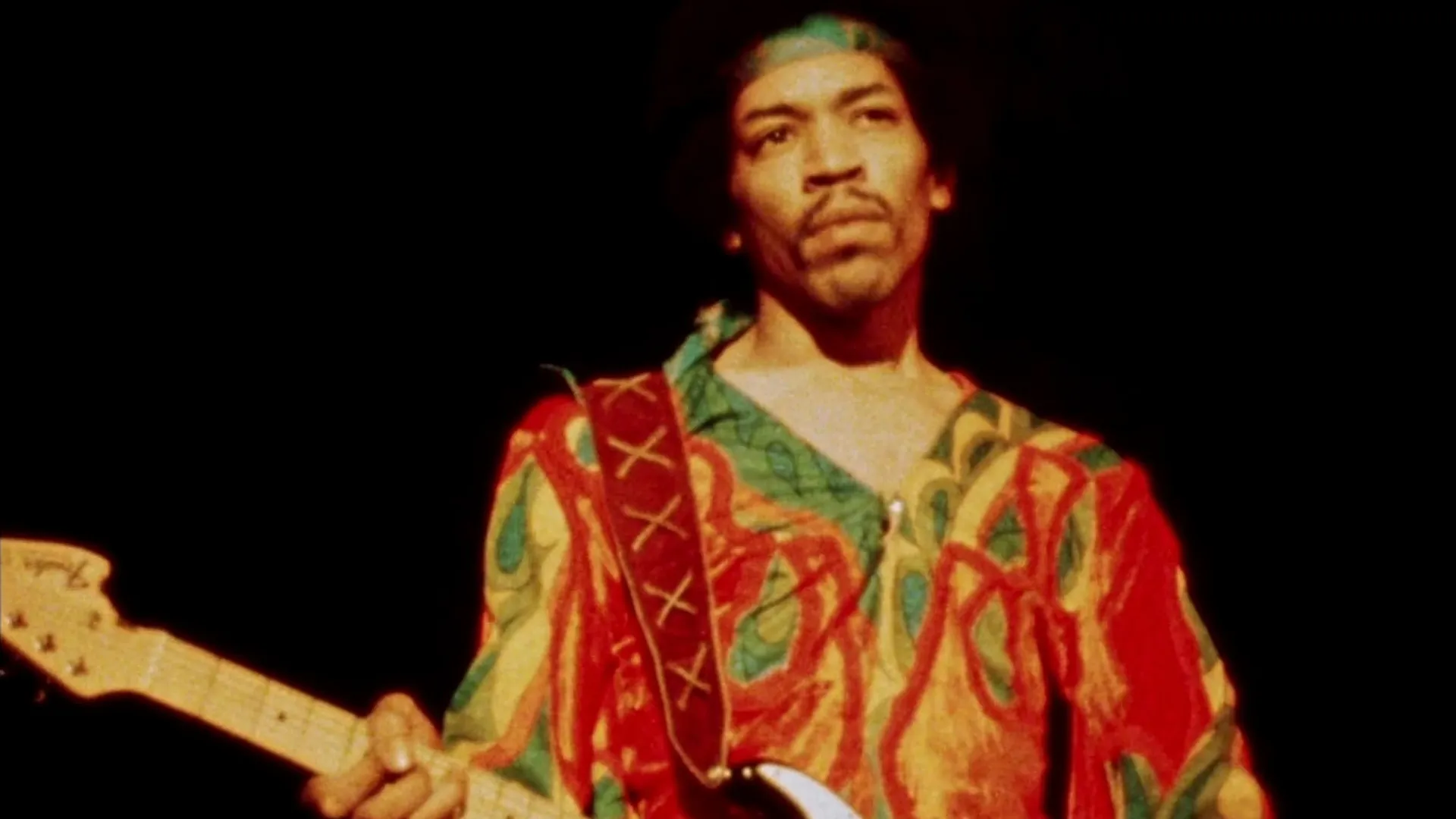
Jimi Hendrix
(Source: IMDb)
Jimi Hendrix compressed an entire musical revolution into just a few years. With a guitar style that blended blues tradition and sonic innovation, he redefined what live performance and studio experimentation could achieve. Hendrix’s rise was meteoric, but the pressure of constant touring, creative expectations, and substance use followed just as fast. When he died in London in 1970, rock music lost not only a virtuoso, but a boundary-breaker whose influence still echoes decades later.
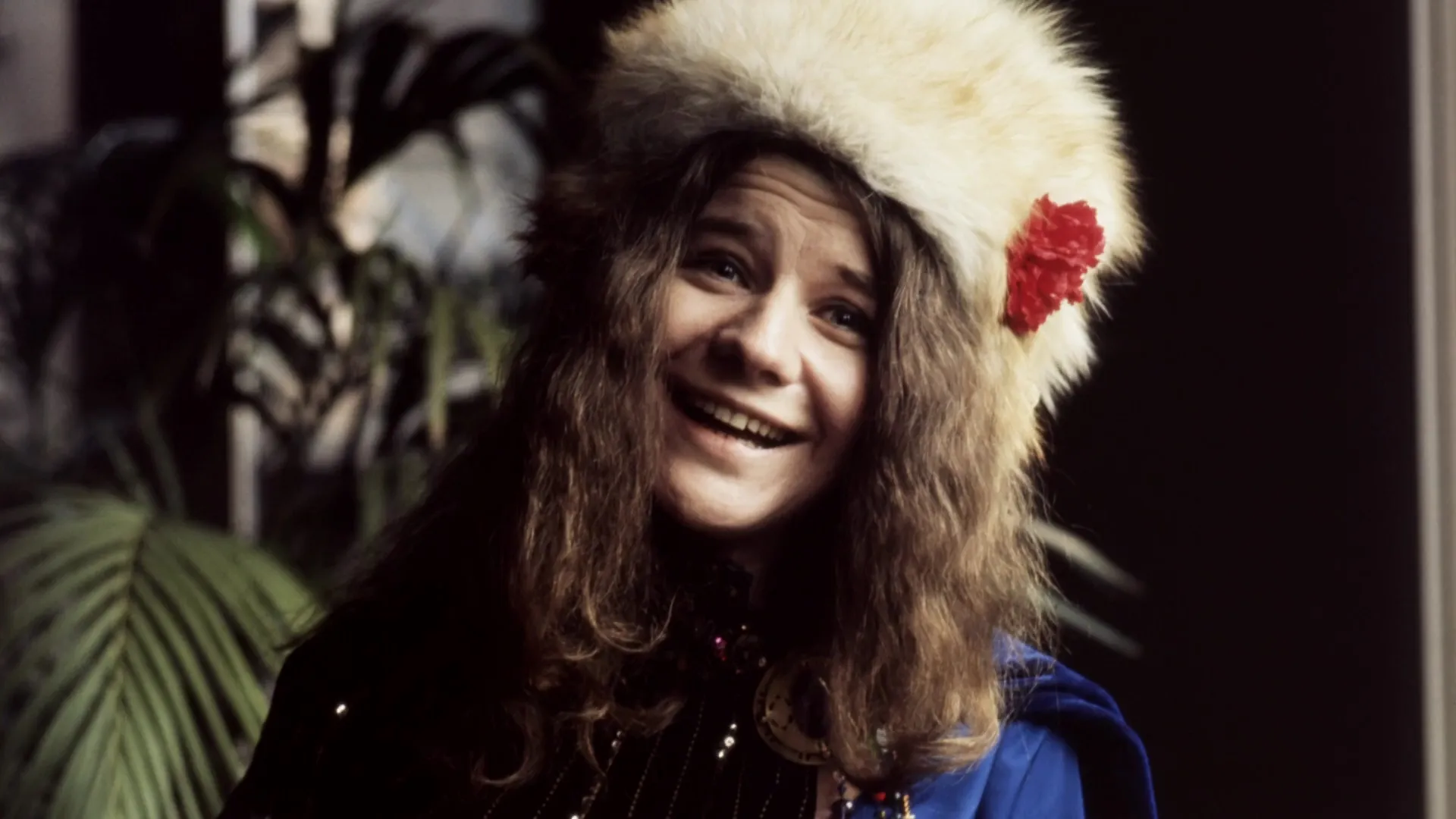
Janis Joplin
(Source: IMDb)
Janis Joplin sang with a rawness that felt unfiltered and urgent, channeling blues pain through a rock lens that few had dared to attempt. Emerging from the San Francisco scene, she commanded massive stages with a voice that carried both defiance and fragility. Behind the power, however, was a constant struggle for belonging and control. Her death in 1970, during the recording of Pearl, froze her legacy at its peak—unfinished, uncompromising, and deeply human.
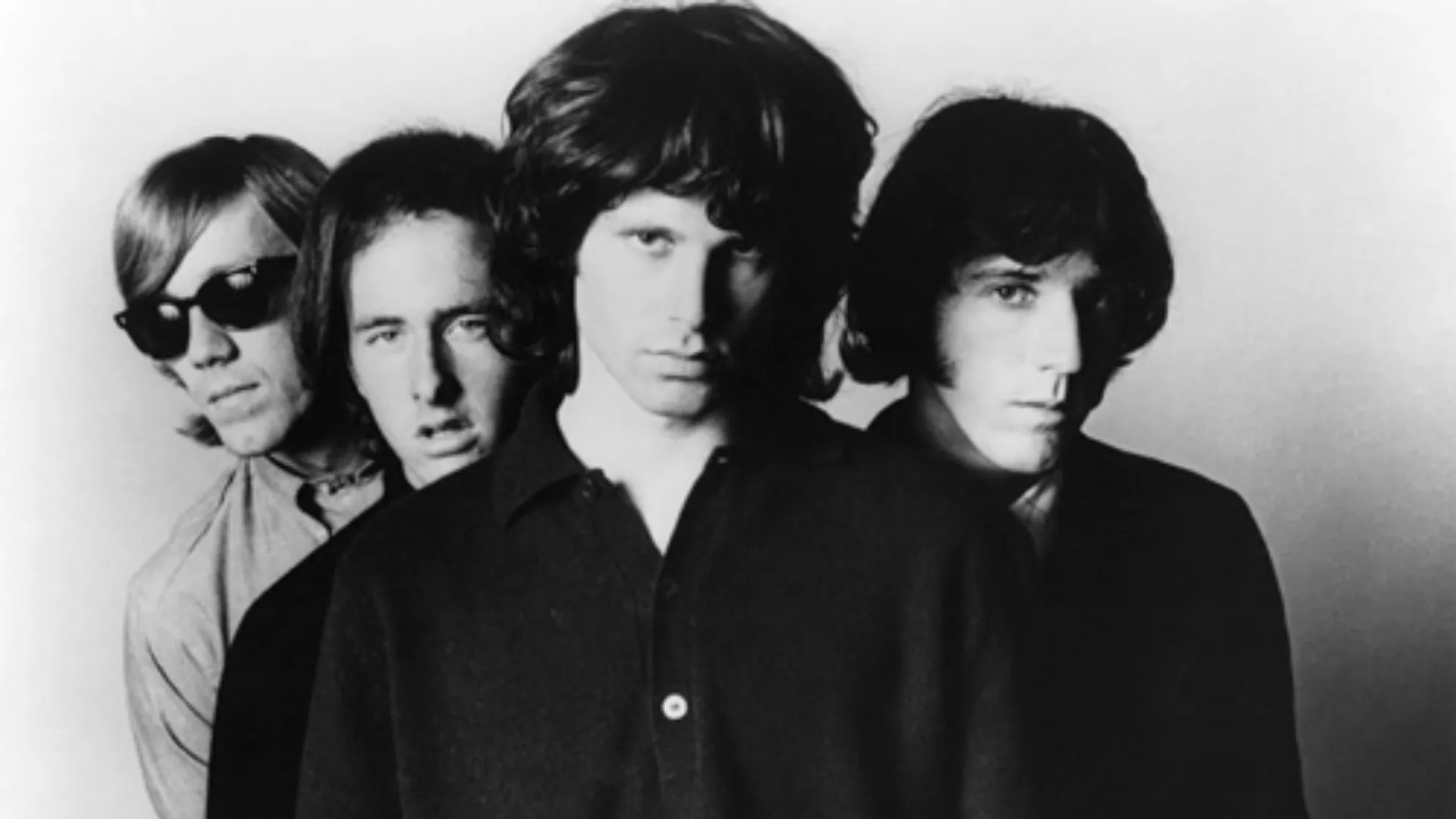
Jim Morrison
(Source: IMDb)
More poet than traditional frontman, Jim Morrison turned The Doors into a vehicle for provocation and introspection. His lyrics drew from literature, philosophy, and mythology, while his stage presence blurred the line between performance and confrontation. Fame magnified his excesses, and his search for artistic freedom eventually took him to Paris. Morrison’s death in 1971 sealed his status as a countercultural symbol—one defined as much by mystery as by music.
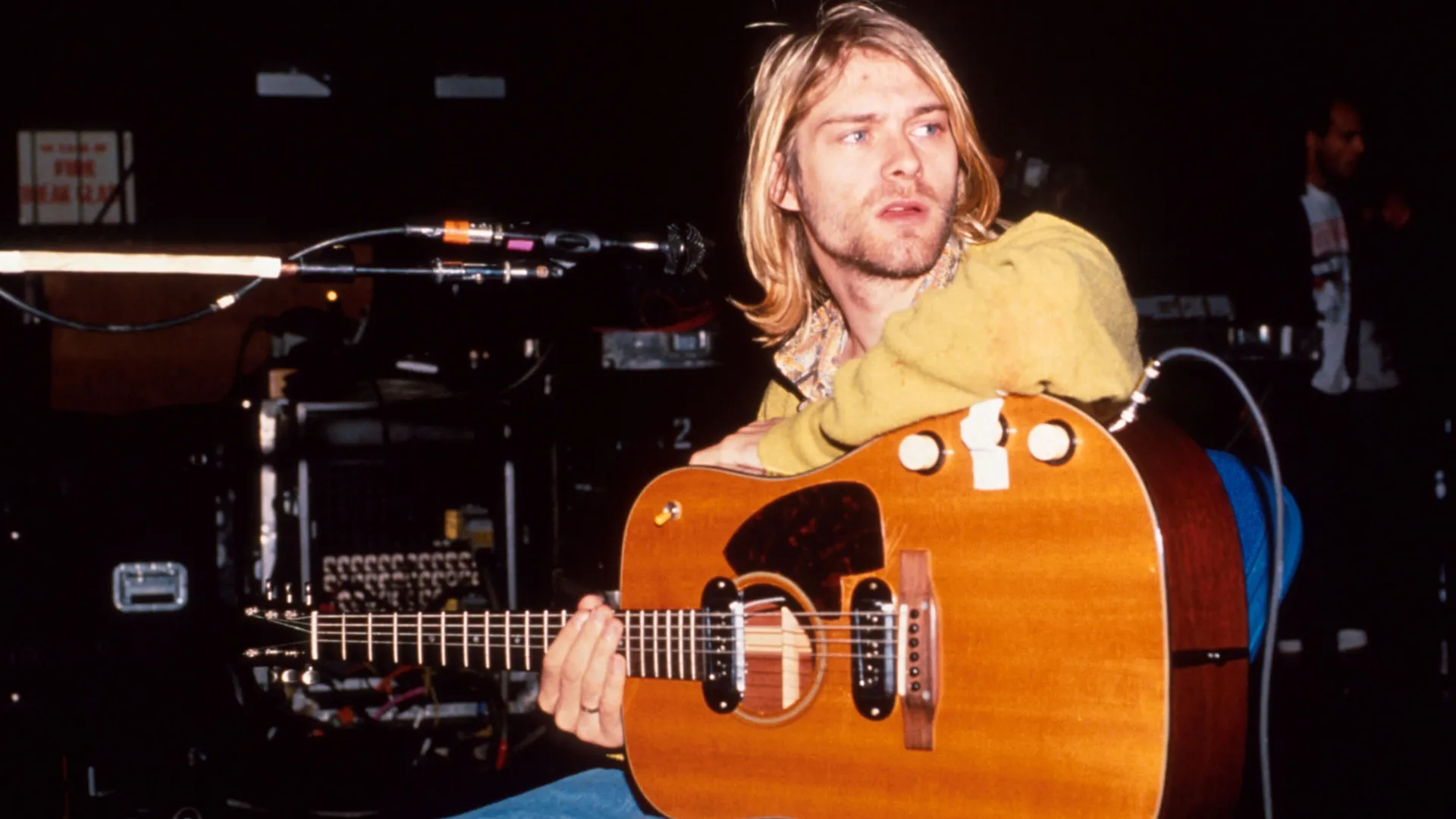
Kurt Cobain
(Source: IMDb)
Kurt Cobain never set out to become a generational voice, yet his songwriting captured disillusion with striking clarity. As Nirvana exploded into the mainstream, Cobain found himself at odds with the very fame that elevated his work. Chronic pain, addiction, and emotional exhaustion shadowed his success. His death in 1994 not only placed him within the 27 Club, but reshaped conversations around mental health, authenticity, and the cost of cultural pressure.
Amy Winehouse
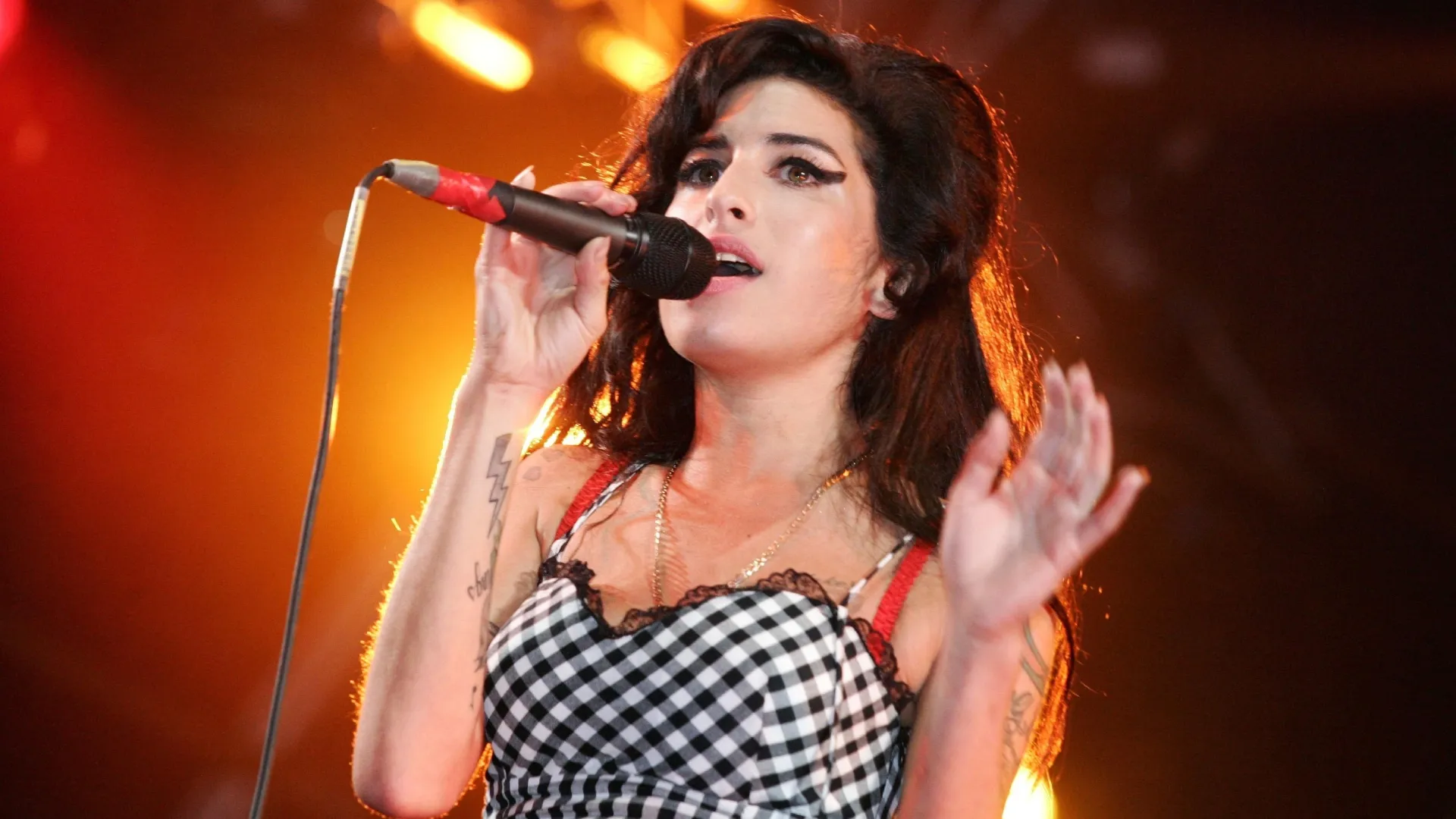
(Source: IMDb)
Amy Winehouse revived classic soul for a modern era, pairing vintage influences with brutally honest lyrics. Her voice carried both technical mastery and emotional exposure, turning personal turmoil into universally resonant songs. While her talent earned global acclaim, her struggles unfolded under relentless public scrutiny. Winehouse’s death in 2011 reignited the mythology of the 27 Club, highlighting how fame can amplify vulnerability rather than shield it.
Robert Johnson
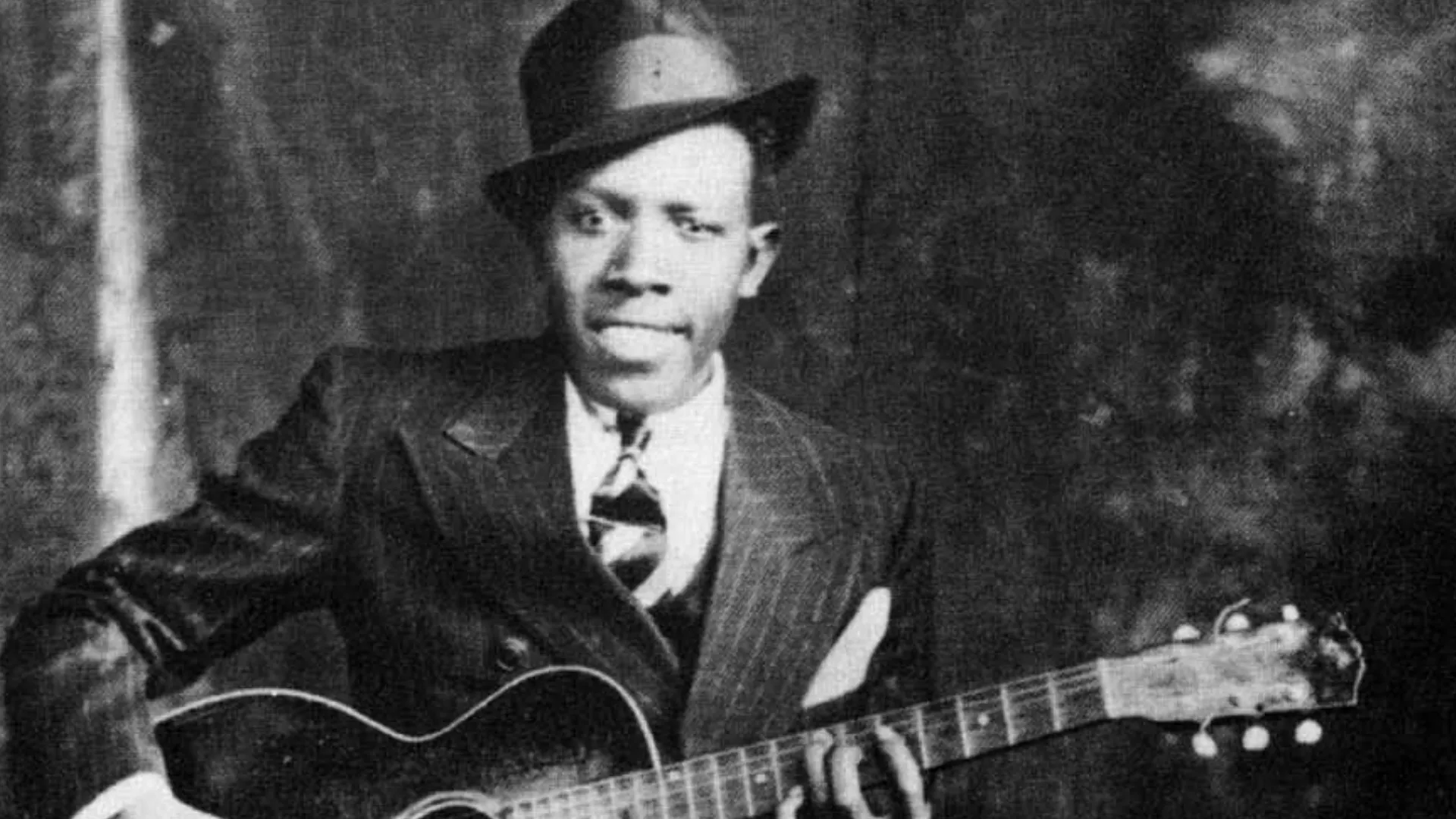
(Source: IMDb)
Long before the term “27 Club” existed, Robert Johnson’s life and death laid its foundation. Recording only a small catalog in the 1930s, he helped shape the language of the blues with haunting vocals and intricate guitar work. His early death, surrounded by rumor and legend, transformed him into a near-mythical figure. Johnson’s influence reached far beyond his era, proving that longevity is not required for permanence.
Alan Wilson
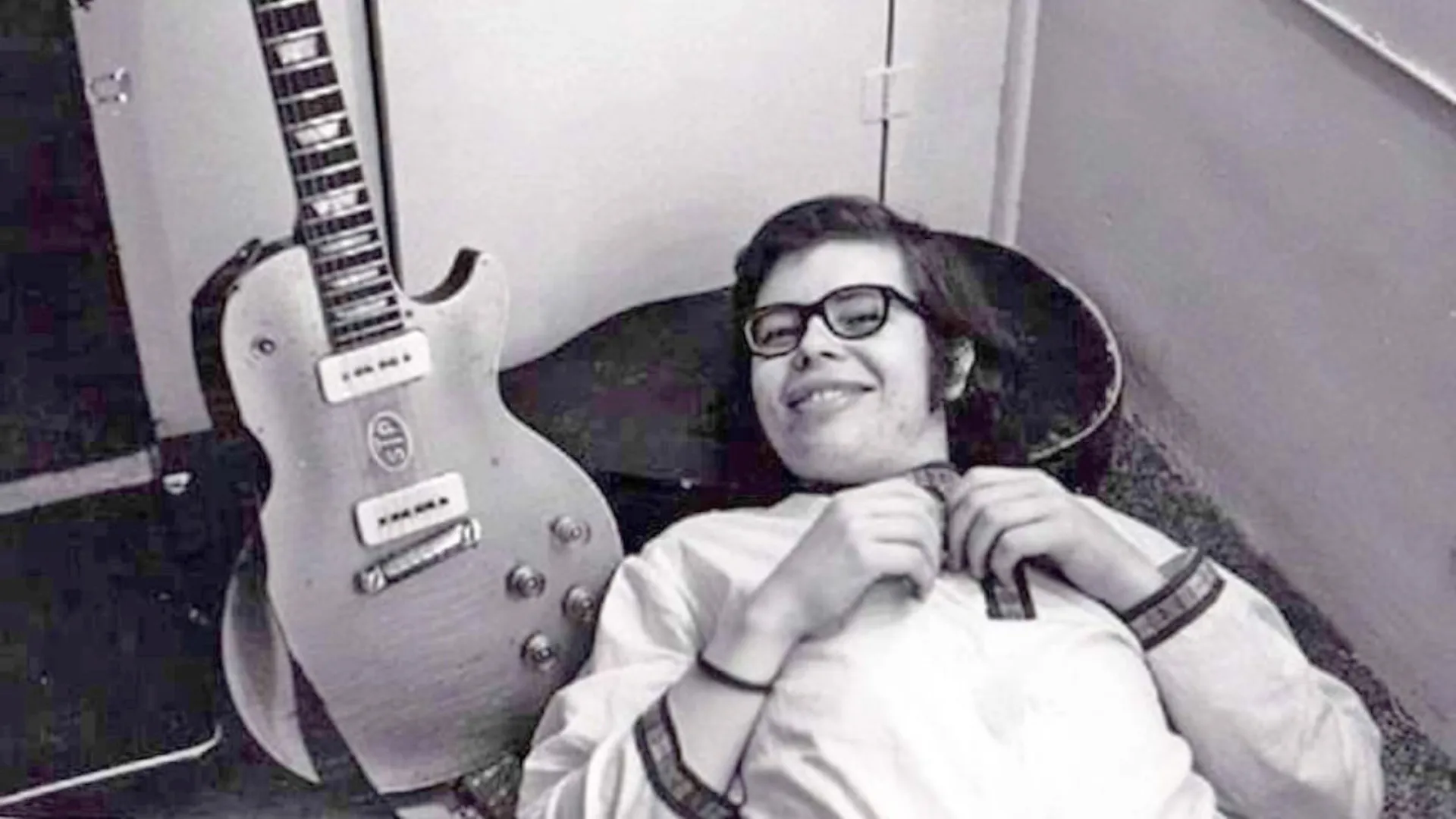
(Source: IMDb)
Alan “Blind Owl” Wilson was the intellectual and emotional backbone of Canned Heat, a musician deeply immersed in the traditions of Delta blues and early American folk. His high, fragile voice contrasted sharply with the band’s boogie-driven sound, giving their music an unexpected vulnerability. Outside the spotlight, Wilson struggled with depression and substance abuse, even as his songwriting helped revive interest in artists like Son House. He died in 1970 at 27, leaving behind a legacy defined by reverence for the past and quiet innovation.
Ronald “Pigpen” McKernan
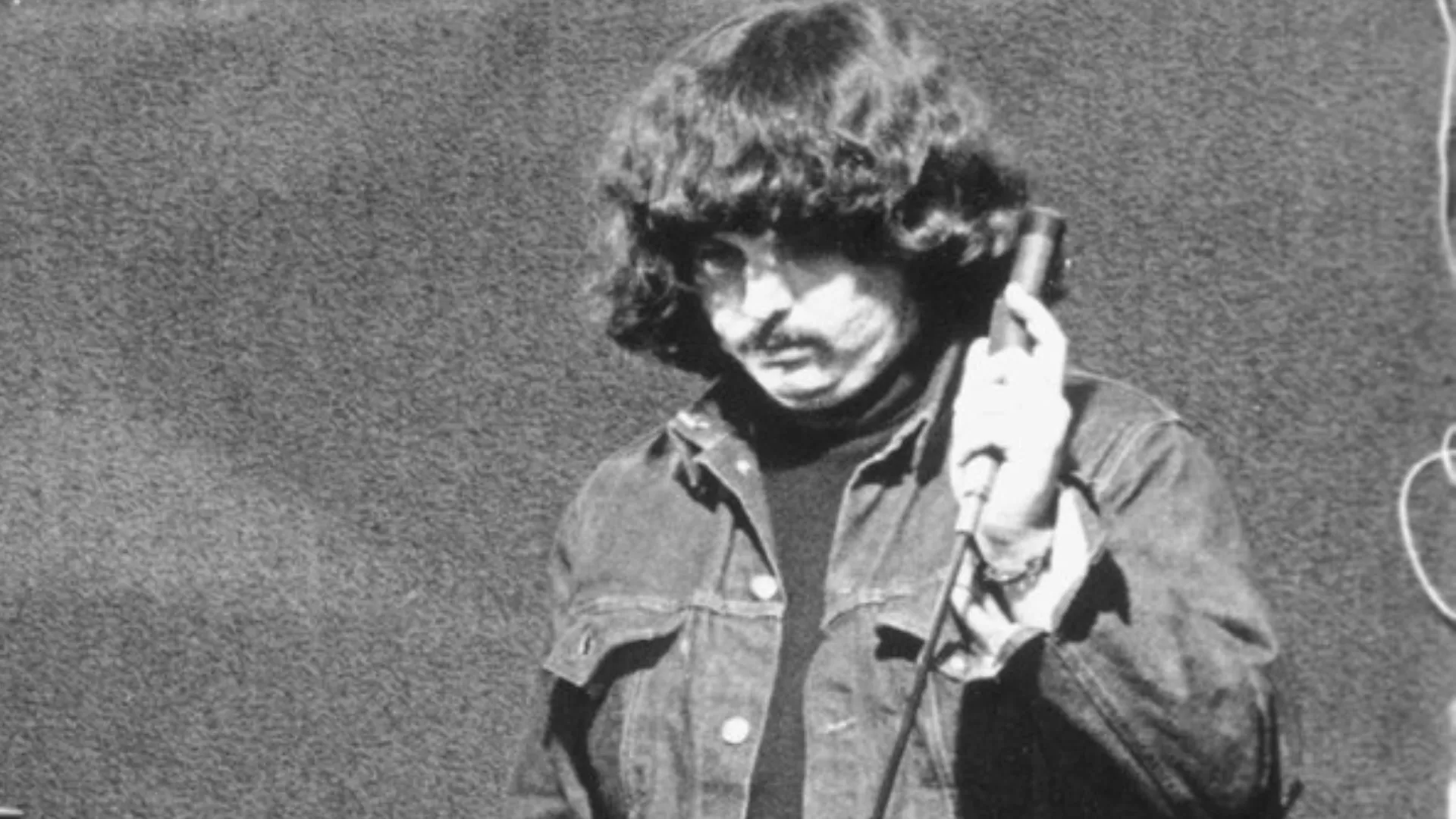
(Source: IMDb)
As one of the founding members of the Grateful Dead, Ron “Pigpen” McKernan brought raw blues authenticity to a band increasingly associated with improvisation and psychedelia. Unlike his bandmates, Pigpen’s roots lay firmly in traditional rhythm and blues, and his gravelly vocals grounded the group’s early sound. Years of heavy drinking took a toll on his health, and as the band evolved, his presence diminished. He died in 1973 at 27, a casualty of excess during rock’s most unrestrained era.
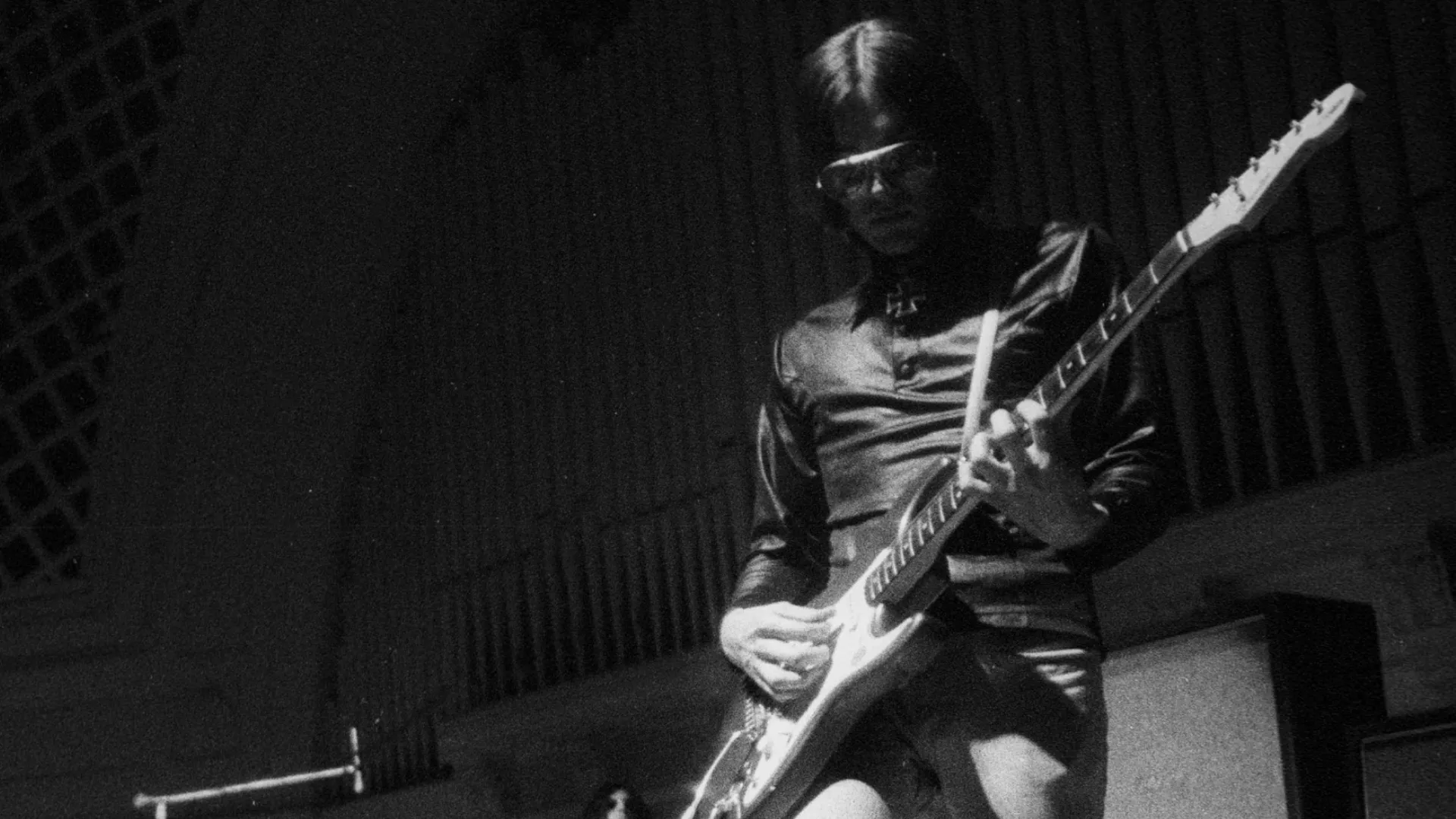
Dave Alexander
(Source: IMDb)
Dave Alexander served as the original bassist for The Stooges, anchoring the band’s chaotic energy during its formative years. His playing helped give structure to a sound that would later influence punk and alternative rock for decades. Yet his time with the group was brief, cut short by addiction and internal conflict. Alexander died in 1975 at 27, largely removed from the fame that would later surround the band he helped launch.
Pete Ham
Pete Ham was the creative heart of Badfinger, a band closely linked to The Beatles and central to the power pop movement of the early 1970s. A gifted songwriter, Ham co-wrote songs that would later become classics, including “Without You.” Despite commercial success, financial mismanagement and legal disputes left him isolated and disillusioned. His death in 1975 at 27 underscored the darker realities of the music business behind its polished surface.
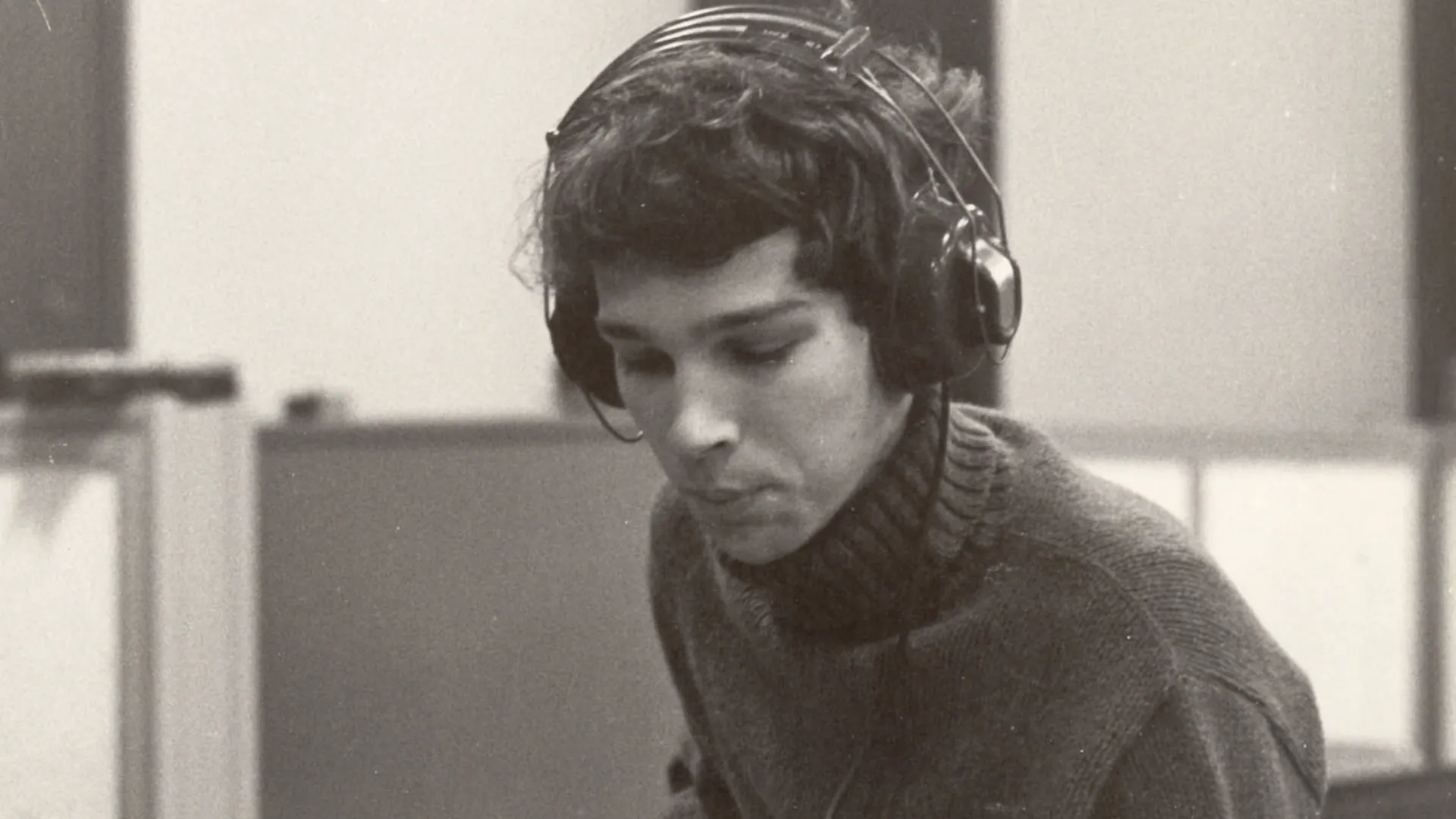
Chris Bell
(Source: IMDb)
Chris Bell’s role in Big Star was foundational yet fleeting. A meticulous songwriter and studio perfectionist, Bell helped shape the band’s debut album, a record that would later be hailed as one of the most influential in pop-rock history. Struggling with depression and creative frustration, he stepped away before recognition ever arrived. Bell died in 1978 at 27, years before Big Star’s impact was fully understood, becoming a symbol of talent lost before validation.
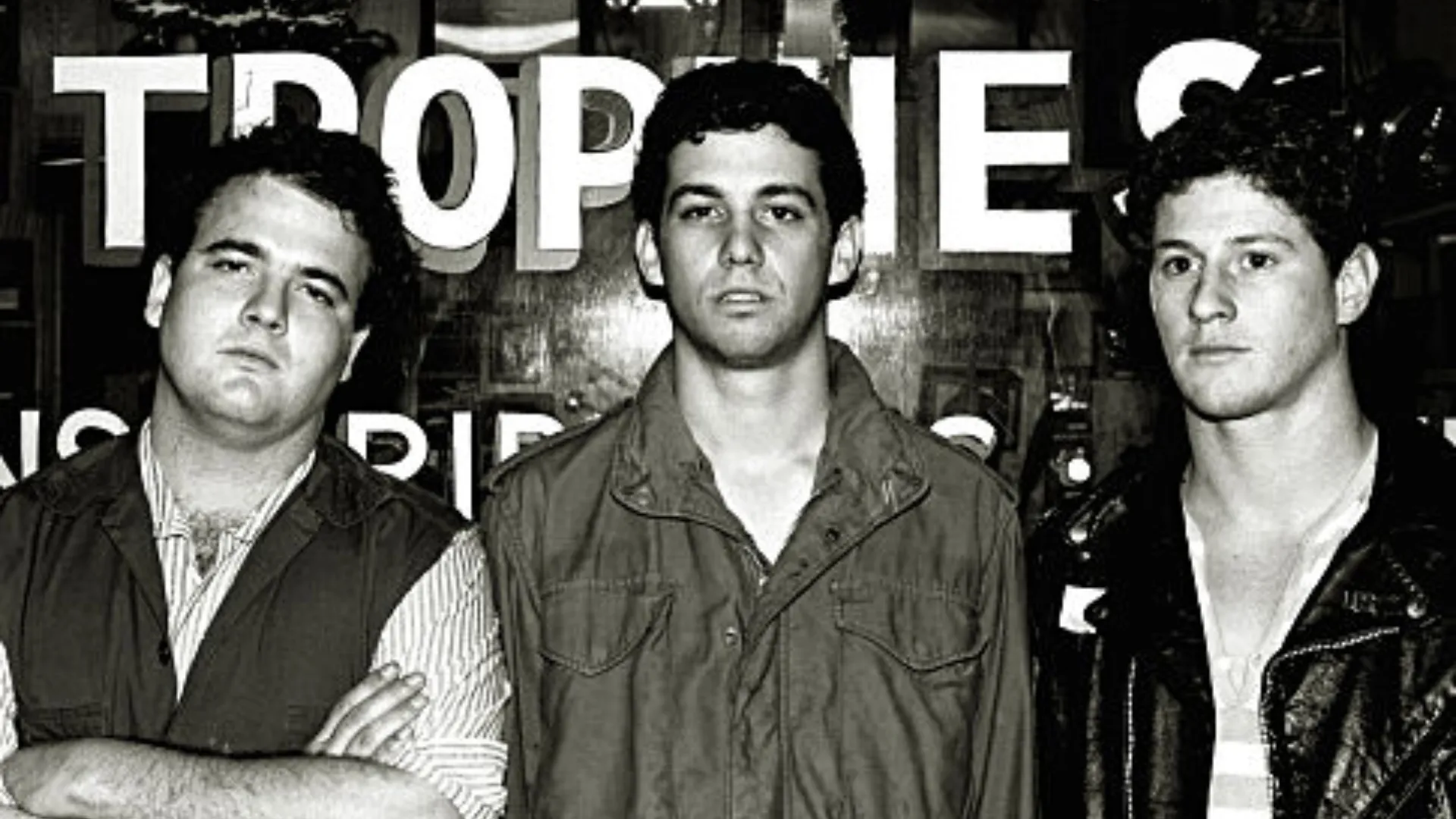
D. Boon
(Source: IMDb)
D. Boon was the philosophical center of Minutemen, blending punk urgency with political awareness and musical curiosity. His guitar work rejected flash in favor of purpose, supporting songs that challenged authority and embraced working-class identity. Boon’s sudden death in a car accident in 1985 at 27 stunned the underground music community, cutting short a career defined by integrity, experimentation, and relentless independence.
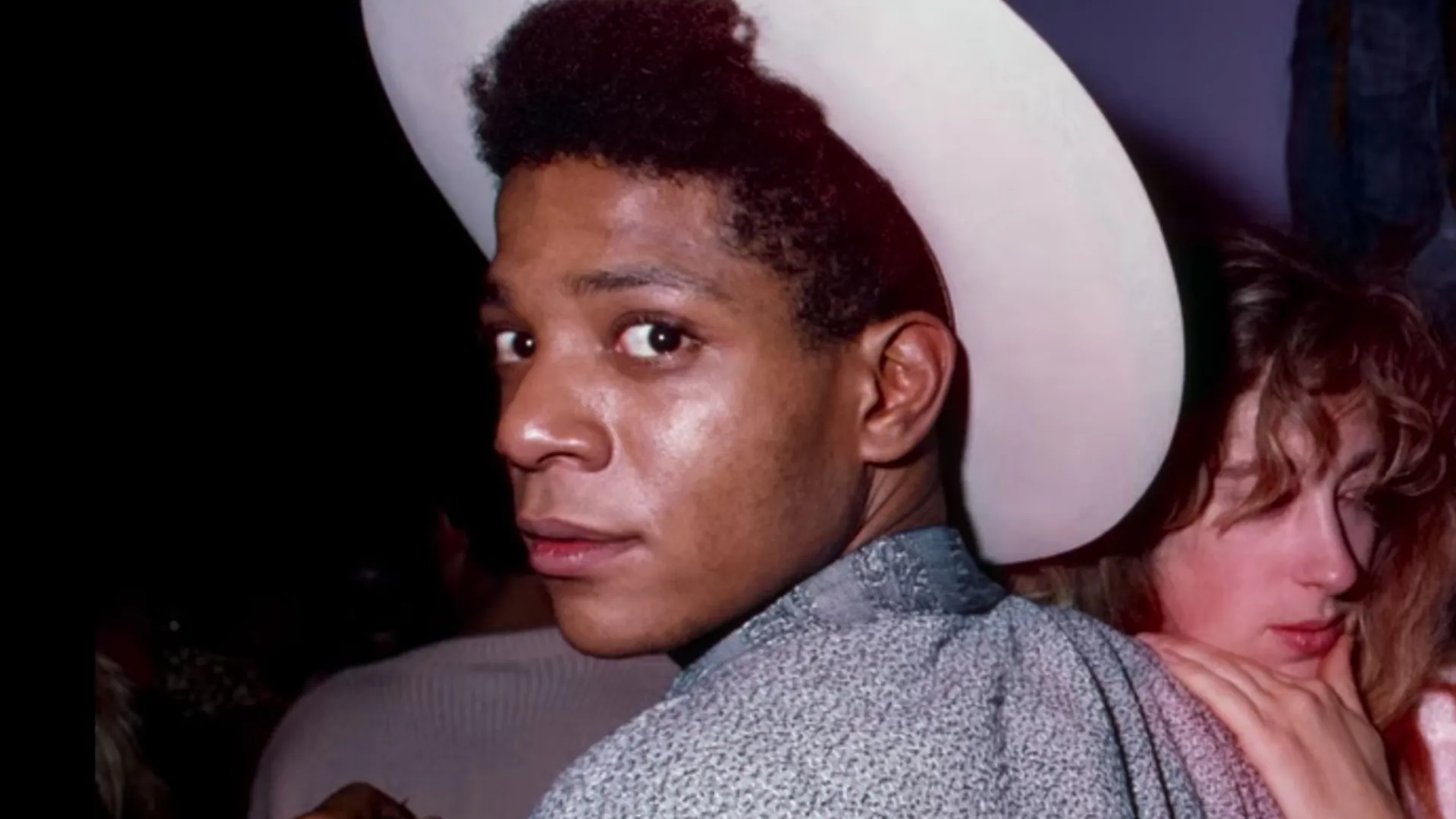
Jean-Michel Basquiat
(Source: IMDb)
Though not a musician, Jean-Michel Basquiat’s inclusion in the 27 Club reflects the broader reach of its mythology beyond sound. Rising from New York’s graffiti scene to international acclaim, Basquiat fused street culture, art history, and social commentary into a visual language that felt urgent and confrontational. Fame arrived quickly, bringing pressure and isolation alongside success. He died in 1988 at 27, leaving behind a body of work that continues to shape contemporary art and cultural discourse.
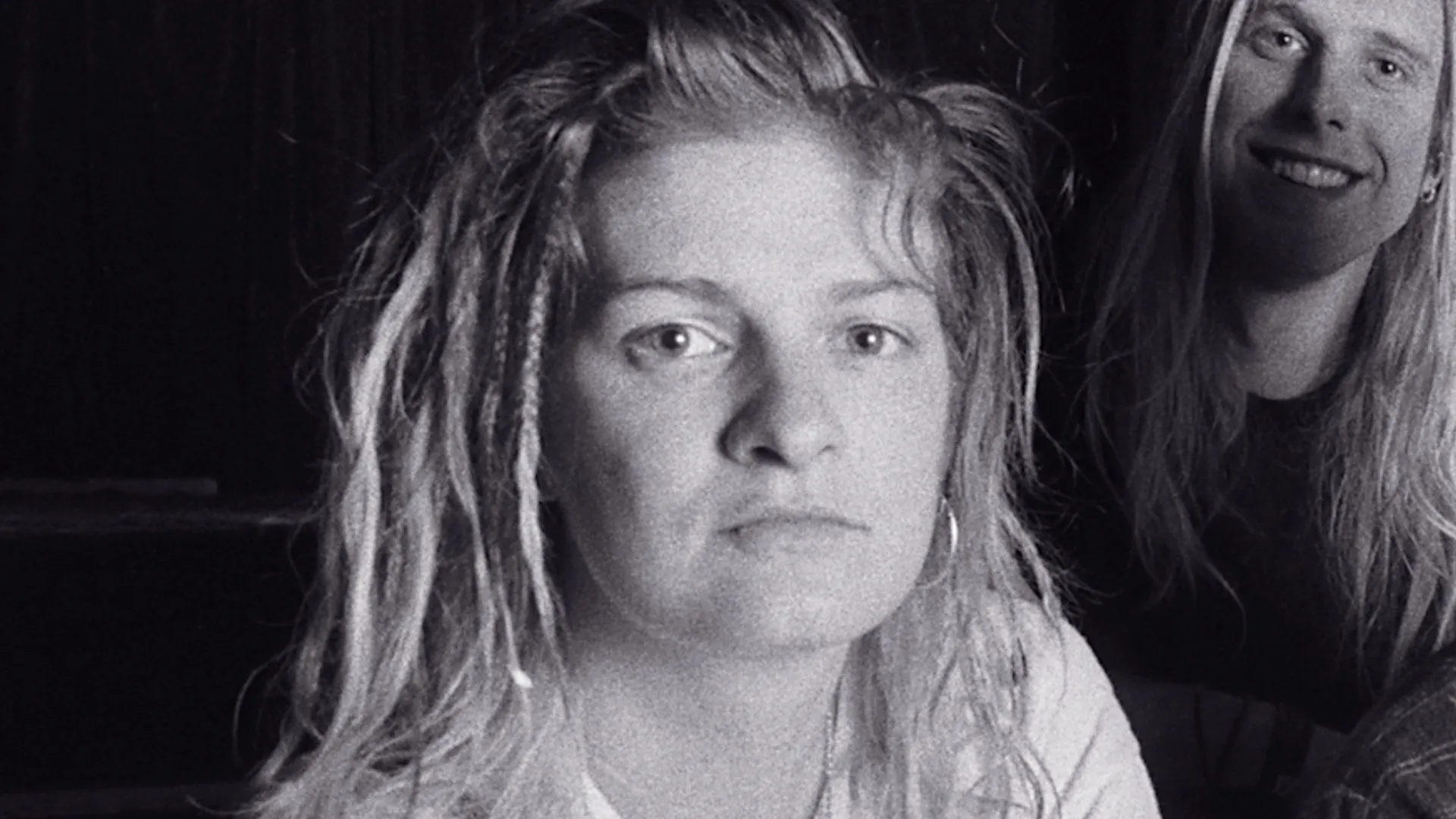
Mia Zapata
(Source: IMDb)
Mia Zapata was the voice that gave The Gits their edge—raw, confrontational, and emotionally unguarded. In the early 1990s Seattle scene, dominated by distortion and disaffection, Zapata’s vocals stood out for their clarity and urgency. She sang with purpose, pushing punk beyond aggression and into something more vulnerable. Her life was cut short in 1993 when she was murdered at age 27, a loss that shook the music community and sparked conversations about violence, safety, and the cost of being a woman in underground scenes. Her legacy endures not only in her music, but in the activism her death inspired.
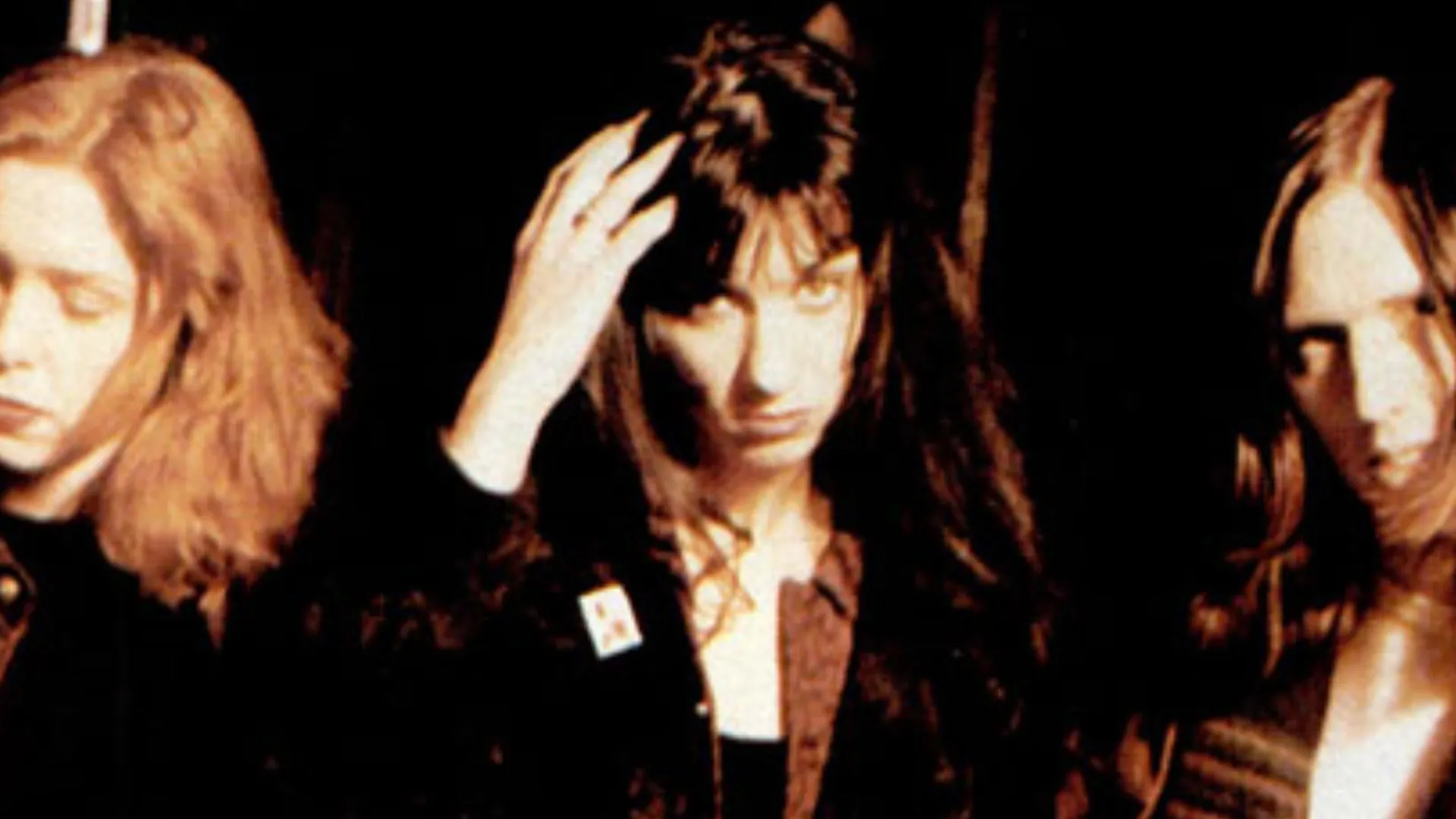
Kristen Pfaff
(Source: IMDb)
Kristen Pfaff moved quietly through the alternative rock world, but her presence was unmistakable. As the bassist for Hole during a crucial period, she brought discipline and musical grounding to a band fueled by volatility. Pfaff was classically trained, thoughtful, and already planning her next chapter when she died in 1994 from a heroin overdose at 27. Her death, occurring just months after Kurt Cobain’s, reinforced the sense that an entire scene was burning too brightly, too fast.
Anton Yelchin

(Source: Larry Busacca/Getty Images for the 2014 Tribeca Film Festival)
Anton Yelchin’s inclusion in discussions of the 27 Club reflects how the idea has expanded beyond music into broader creative culture. A prolific actor from a young age, Yelchin built a career on subtle, character-driven performances rather than blockbuster spectacle. Known for roles in Star Trek, Green Room, and Like Crazy, he favored emotional complexity over polish. His accidental death in 2016 at 27 stunned Hollywood, cutting short a career that felt defined not by hype, but by promise still unfolding.
Jonghyun

(Source: IMDb)
As a member of SHINee, Jonghyun helped redefine modern K-pop, balancing technical vocal precision with emotional openness. Beyond group success, his solo work revealed a songwriter deeply engaged with themes of identity, loneliness, and mental health—topics rarely addressed so directly in idol culture at the time. Jonghyun’s death in 2017 at 27 resonated far beyond South Korea, igniting global conversations about pressure, expectation, and vulnerability in the entertainment industry. His artistry remains influential, both musically and culturally.
Rudy Lewis
Rudy Lewis possessed one of the most expressive voices of early 1960s soul. As the lead singer of The Drifters, he carried songs like “Up on the Roof” and “On Broadway” with warmth and longing, shaping the sound of an era. Despite commercial success, Lewis struggled privately, haunted by stage fright and anxiety. He died in 1964 at 27, on the eve of recording what would become one of the group’s biggest hits—a haunting reminder of how close triumph and tragedy can sit.