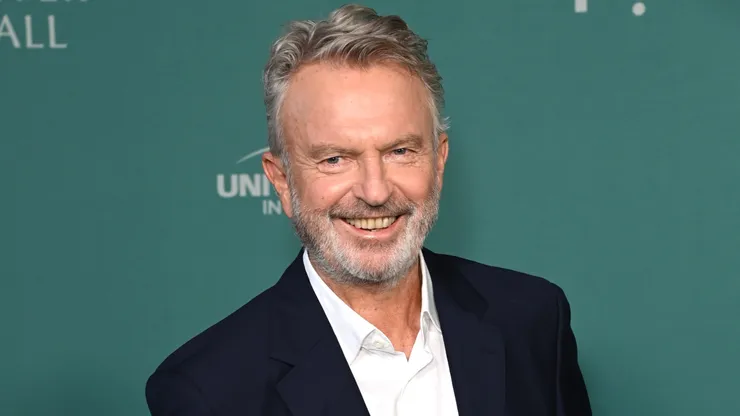
The true magic of Sam Neill lay in his absolute unpredictability. He possessed the classical charm of a traditional Hollywood leading man—so much so that he was famously runner-up to inherit the James Bond mantle after Roger Moore—yet he consistently turned away from safe, heroic typecasting. He was drawn to the complex, the fraying, the terrifying, and the deeply human.
Whether he was making you believe in dinosaurs, breaking your heart in an indie drama, or entirely losing his mind in a deep-space nightmare, Neill anchored every frame with subtle micro-expressions and an unmistakable vocal gravity. To celebrate a legendary life spent on the screen, we look back at the ten essential performances that map his magnificent, genre-defying career.
The 10 Definitive Performances of Sam Neill
1. Smith in Sleeping Dogs (1977)
The film that ignited a revolution. Before 1977, New Zealand cinema barely had an international footprint. Playing Smith—a quiet man caught in the crossfire of a violent, authoritarian government crackdown—Neill delivered a performance brimming with understated tension. The film became the first Kiwi production to ever secure a widespread theatrical release in the United States, instantly launching Neill out of local theater sets and directly into the international spotlight.
2. Harry Beecham in My Brilliant Career (1979)
Proving he could play the dashing, vulnerable romantic lead with absolute elegance, Neill starred opposite Judy Davis in Gillian Armstrong’s sweeping Australian period masterpiece. As the affluent, hopelessly smitten Harry Beecham, Neill brought a soft, melancholic sweetness to the screen. The critical darling proved he possessed the classic, sweeping screen presence necessary to command high-art international cinema.
3. Damien Thorn in Omen III: The Final Conflict (1981)
In a brilliant, shocking pivot that would define his lifelong love affair with the horror genre, Neill stepped into the immaculate suits of an adult Damien Thorn—the literal Antichrist. Taking over the legendary franchise, Neill was terrifyingly charismatic as a ruthless corporate mogul tracking his own dark prophecy. His cold, calculating monologues showed early on that his trademark blue eyes could project pure, chilling evil just as easily as warmth.
4. Mark in Possession (1981)
Andrzej Żuławski’s cult-classic psychological body horror remains one of the most intense, unhinged cinematic experiences ever filmed. Playing Mark, a frantic international spy who returns home to find his marriage violently fracturing into supernatural madness opposite Isabelle Adjani, Neill delivered a performance of raw, screaming desperation. It is a masterclass in psychological disintegration, earning him lifelong reverence among arthouse horror purists.
5. Captain Vasily Borodin in The Hunt for Red October (1990)
Sitting alongside Sean Connery in John McTiernan’s elite submarine thriller, Neill played the calm, fiercely loyal Soviet second-in-command Captain Vasily Borodin. In a movie packed with high-stakes military posturing, Neill provided the emotional core of the defection plot. His quiet, heartbreaking declaration that he wanted to move to America simply to “live in Montana, raise rabbits, and marry a round American woman” remains the film’s most beautifully human moment.
6. Dr. Alan Grant in Jurassic Park (1993)
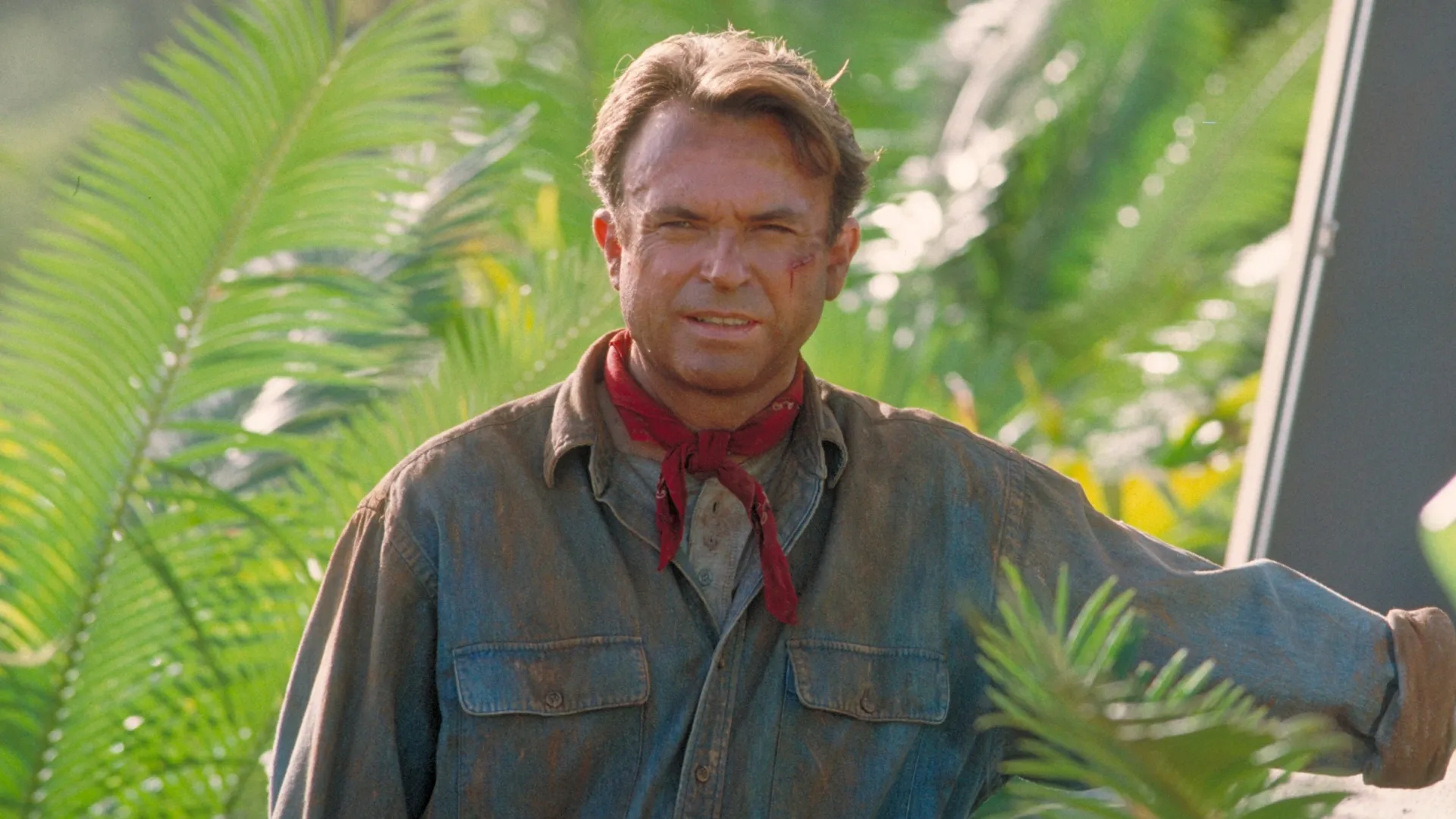
IMDb // Getty Images
His permanent passport into pop-culture immortality. As the cynical, fossil-dusted paleontologist forced to protect children from cloned apex predators, Neill gave Steven Spielberg’s groundbreaking CGI masterpiece its essential human grounding. He famously imbued Dr. Alan Grant with a distinct, unpolished regular-guy grit, ensuring that the spectacle never overshadowed the genuine human awe. Returning to the fedora for Jurassic Park III and 2022’s Dominion, he remained the ultimate, timeless moral compass of the franchise.
7. Alisdair Stewart in The Piano (1993)
In the exact same summer that he was dominating global box offices with dinosaurs, Neill delivered an entirely different dramatic triumph in Jane Campion’s Palme d’Or-winning masterpiece. As Alisdair Stewart, the rigid, emotionally repressed frontier husband unable to comprehend his mute wife’s inner artistic world, Neill refused to play the character as a simple villain. Instead, he injected the performance with a tragic, desperate loneliness that elevated the entire gothic narrative.
8. Sidney Reilly in Reilly, Ace of Spies (1983) — The Blueprint for a Super-Spy
Before he took over Hollywood blockbusters, Neill completely captivated television audiences in this masterfully written British miniseries. Playing the real-life historical figure Sidney Reilly—the legendary, ruthless, and flamboyant secret agent who directly inspired Ian Fleming’s James Bond—Neill delivered a performance oozing with quiet charisma and dangerous sophistication. His tour-de-force work earned him a well-deserved Golden Globe nomination and famously positioned him as one of the leading candidates to succeed Roger Moore as 007, cementing his ability to effortlessly carry a massive, prestige historical drama.
9. Dr. William Weir in Event Horizon (1997)
“Where we’re going, we won’t need eyes to see.” — Dr. William Weir
Paul W.S. Anderson’s deep-space gothic nightmare functions as an absolute cornerstone of sci-fi horror, entirely because of Neill’s terrifying transformation. Playing Dr. William Weir, the brilliant scientist who designs a spacecraft capable of folding dimensions, Neill tracks the character’s possession by an ancient, hellish force with a chilling serenity. The imagery of a mutilated, leather-clad Weir commanding the haunted vessel remains an iconic genre milestone.
10. Hec Faulkner in Hunt for the Wilderpeople (2016)
Later in his career, Neill teamed up with director Taika Waititi for this gorgeous, laugh-out-loud independent comedy-drama. Playing Uncle Hec, a grumpy, illiterate, and fiercely private bushman who goes on the run through the New Zealand wilderness with a defiant foster kid, Neill delivered a performance overflowing with dry wit and hidden tenderness. It served as a beautiful, late-career love letter to his home country, reminding audiences that behind his intense dramatic eyes sat a brilliant comedic heart.