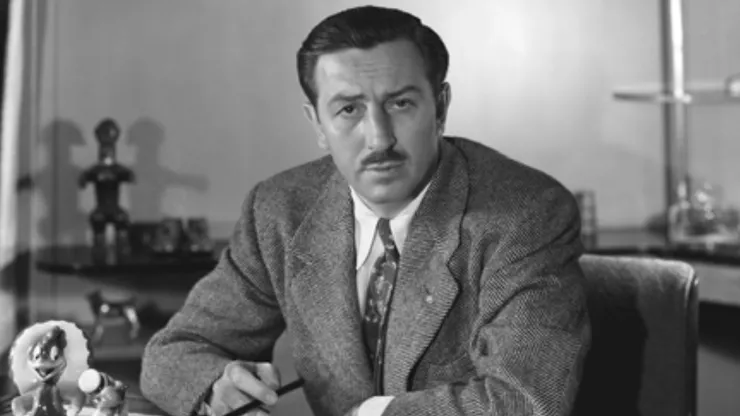
Long before his name became synonymous with castles, characters and global spectacle, Walt Disney was a restless animator chasing ideas through failure, bankruptcy and relentless reinvention.
Born in 1901 in Chicago and raised amid shifting landscapes and modest means, Disney found early refuge in drawing, discovering in animation not just a craft but a language for ambition.
The creation of Mickey Mouse in 1928 did more than rescue a struggling studio — it signaled the arrival of a storyteller who understood how emotion, technology, and commerce could move in unison.
The Early Years: A Childhood Shaped by Hard Work and Imagination

(Source: IMDb)
Walt Disney was born in 1901 in Chicago, but his childhood unfolded across small towns in Missouri and Kansas, shaped by economic hardship and relentless labor. His father’s strict discipline and rural routines left little room for fantasy, yet Walt found his escape in drawing. Even as a teenager, he was already selling sketches to neighbors and classmates, treating imagination not as a hobby but as an early vocation. These formative years forged both his resilience and his obsessive work ethic.
From Ambulance Driver to Aspiring Animator
During World War I, Disney volunteered as an ambulance driver in France, where he decorated the vehicles with cartoons. The war experience did not make him a soldier, but it sharpened his sense of movement, observation, and storytelling. Upon returning to the United States, he pursued advertising and animation in Kansas City, where he launched his first small studio. That early business collapsed into bankruptcy — a failure that would later become a defining pattern in his rise: losing everything, then rebuilding something bigger.
The Birth of Mickey Mouse and the Sound Revolution
In 1928, after losing the rights to his first successful character, Oswald the Lucky Rabbit, Disney boarded a train to California with nothing but ideas. On that ride, Mickey Mouse was born. The character debuted in Steamboat Willie, one of the first animated shorts to successfully synchronize sound and image. Mickey was not just a cartoon; he became the symbol of creative reinvention and financial rescue at once. From that moment forward, Disney was no longer chasing the industry — he was reshaping it.
Snow White and the Gamble That Changed Cinema
(Source: IMDb)
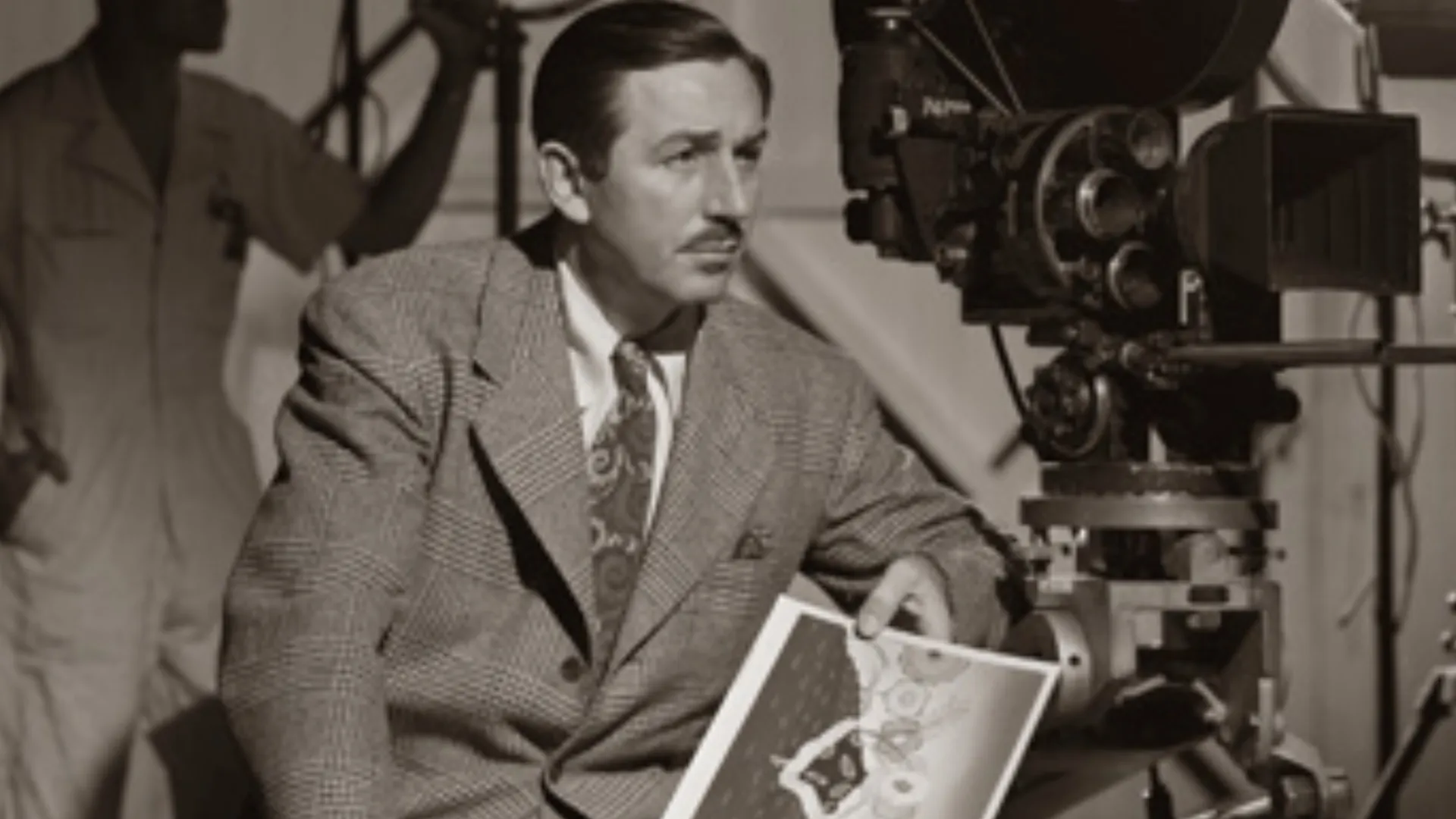
When Disney announced plans for a full-length animated feature in the 1930s, critics called it “Disney’s Folly.” No one believed audiences would sit through a feature-length cartoon. In 1937, Snow White and the Seven Dwarfs premiered and shattered expectations both critically and commercially. The film transformed animation into a legitimate cinematic art form and finance engine. Its success funded the expansion of the studio and opened the door to projects like Pinocchio, Fantasia, and Bambi.
War, Propaganda and Reinvention
World War II altered the course of Disney’s business. His studio produced training films and propaganda for the U.S. government, while commercial output slowed. Financial strain returned, and morale inside the company shifted. After the war, Disney pivoted again, expanding into live-action films and nature documentaries. This period marked his transformation from animator into full-scale media entrepreneur.
The Vision of Disneyland: Building a Physical Dream
In the early 1950s, Disney imagined something no filmmaker had attempted before: a clean, immersive, story-driven amusement park built not on thrill rides alone, but on narrative worlds. Disneyland opened in 1955 in Anaheim, California, and was initially met with skepticism. Soon after, it became a cultural phenomenon. For Disney, it was not a park but a living blueprint of how stories could extend beyond screens into physical experience.
Television, Mass Media and Cultural Saturation
Disney understood the power of television earlier than most Hollywood executives. Through programs like The Mickey Mouse Club and Disneyland, he made his characters weekly household companions. By the late 1950s and early 1960s, Disney was no longer just a filmmaker — he was a cross-platform architect of imagination, blending film, television, merchandise, and theme parks into a unified brand model still used today.
The Man Behind the Myth
(Source: IMDb)
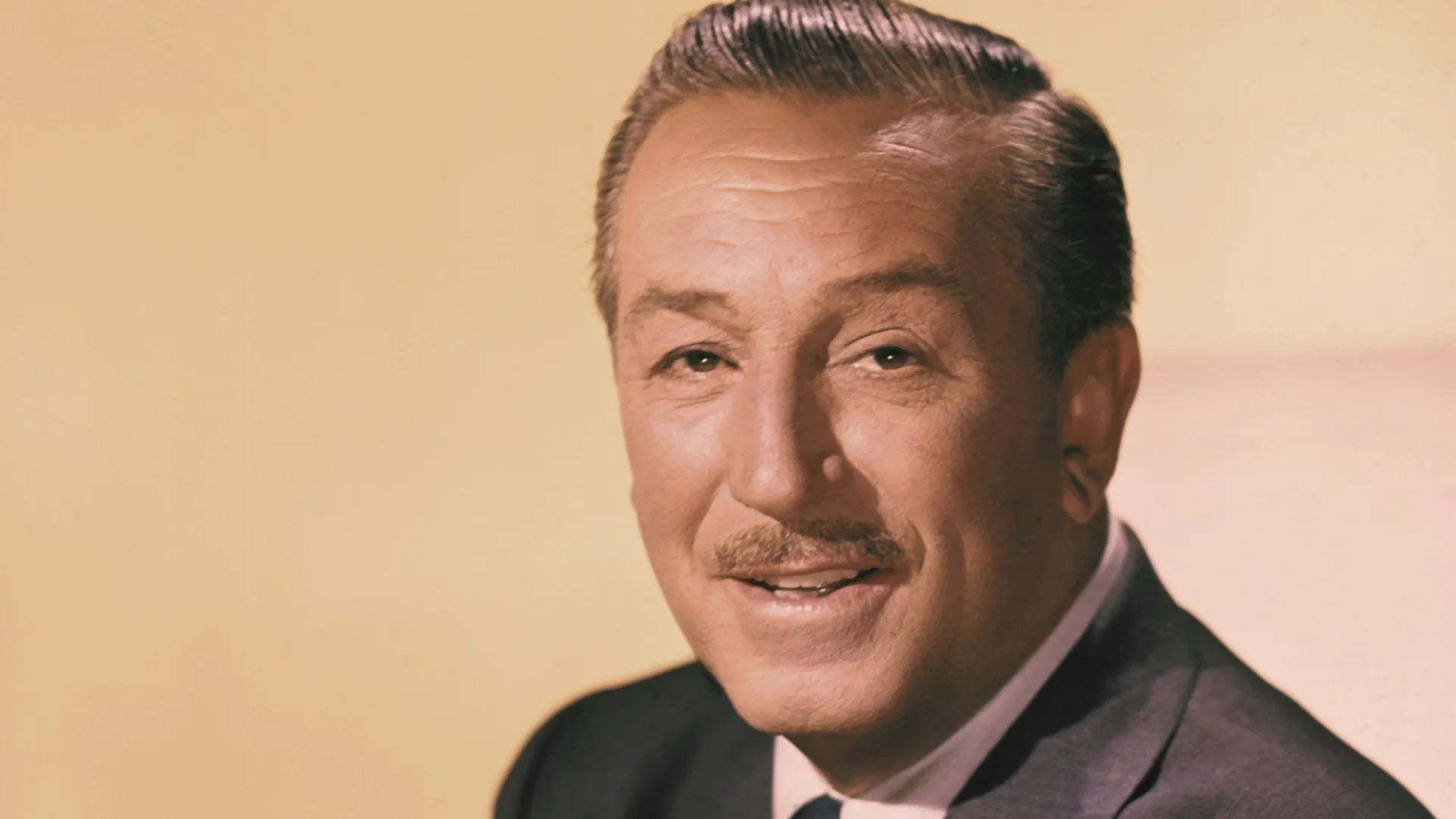
Publicly, Walt Disney projected optimism, discipline, and endless enthusiasm. Privately, he was known as demanding, exacting, and sometimes emotionally distant. He valued control, precision, and loyalty, often pushing his teams to their limits. His political views, labor conflicts, and rigid leadership style complicate the idealized image built around his name. These contradictions do not cancel the legend — they deepen it.
Final Dreams and an Unfinished Future
In the 1960s, Disney turned his attention to city planning and futuristic infrastructure, envisioning a living city of innovation known as EPCOT. He never lived to see the realization of those ideas. Walt Disney died in 1966 at the age of 65, leaving behind plans that would continue evolving long after his death.
The Empire After Walt
After his passing, the company navigated reinvention across decades — animation renaissances, corporate restructuring, digital revolutions, and massive acquisitions. Yet every expansion still traced back to one core belief Disney held throughout his life: that stories, when built with precision and emotion, could outlast their creator.
A Legacy Still in Motion
(Source: IMDb)
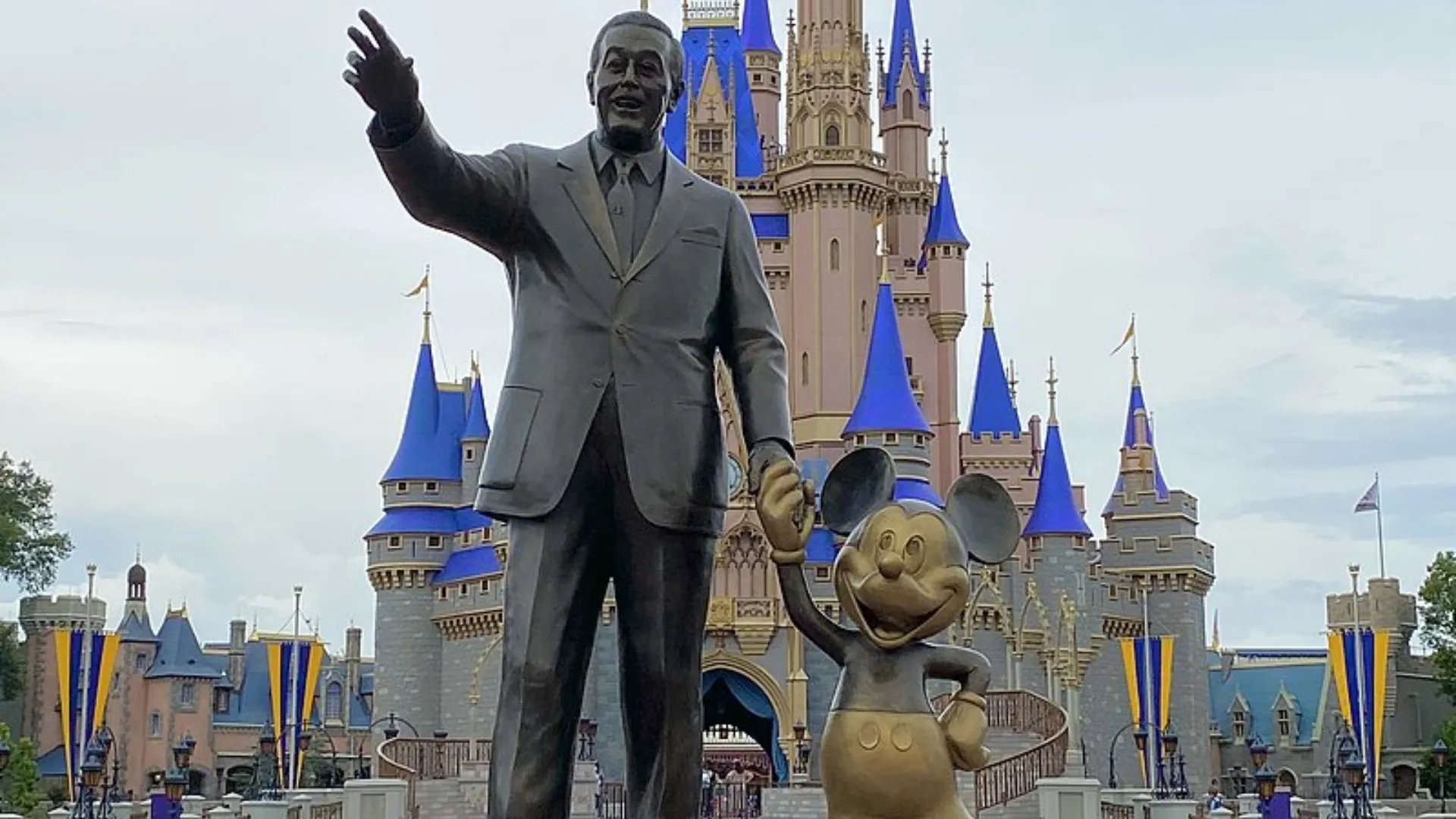
More than half a century after his death, Walt Disney’s influence remains embedded in global culture — from childhood rituals to multibillion-dollar franchises. His empire continues to change, but its foundation still rests on a boy with a pencil, driven by imagination and refusal to accept limits.