In a move that bridges classic Hollywood glamour with contemporary storytelling, Lily Collins has been cast to portray Audrey Hepburn in a new film centered on the making of the 1961 romantic comedy Breakfast at Tiffany’s.
Backed by Imagine Entertainment and adapted from Sam Wasson’s acclaimed book, the project promises an inside look at the creative forces, unexpected tensions and cultural shifts behind one of cinema’s most enduring classics.
Lily Collins stars in the film about Breakfast at Tiffany
After years of speculation and multiple attempts to bring Audrey Hepburn’s story to the screen, a fresh cinematic project is now officially in motion. Actress and producer Lily Collins has been cast to portray Audrey Hepburn in a new film focused on the making of the 1961 romantic comedy Breakfast at Tiffany’s.
The story will be adapted from Sam Wasson’s critically acclaimed book Fifth Avenue, 5 A.M.: Audrey Hepburn, Breakfast at Tiffany’s and the Dawn of the Modern Woman, which chronicles the pre-production drama, on-set challenges and cultural upheaval surrounding the creation of the iconic film.
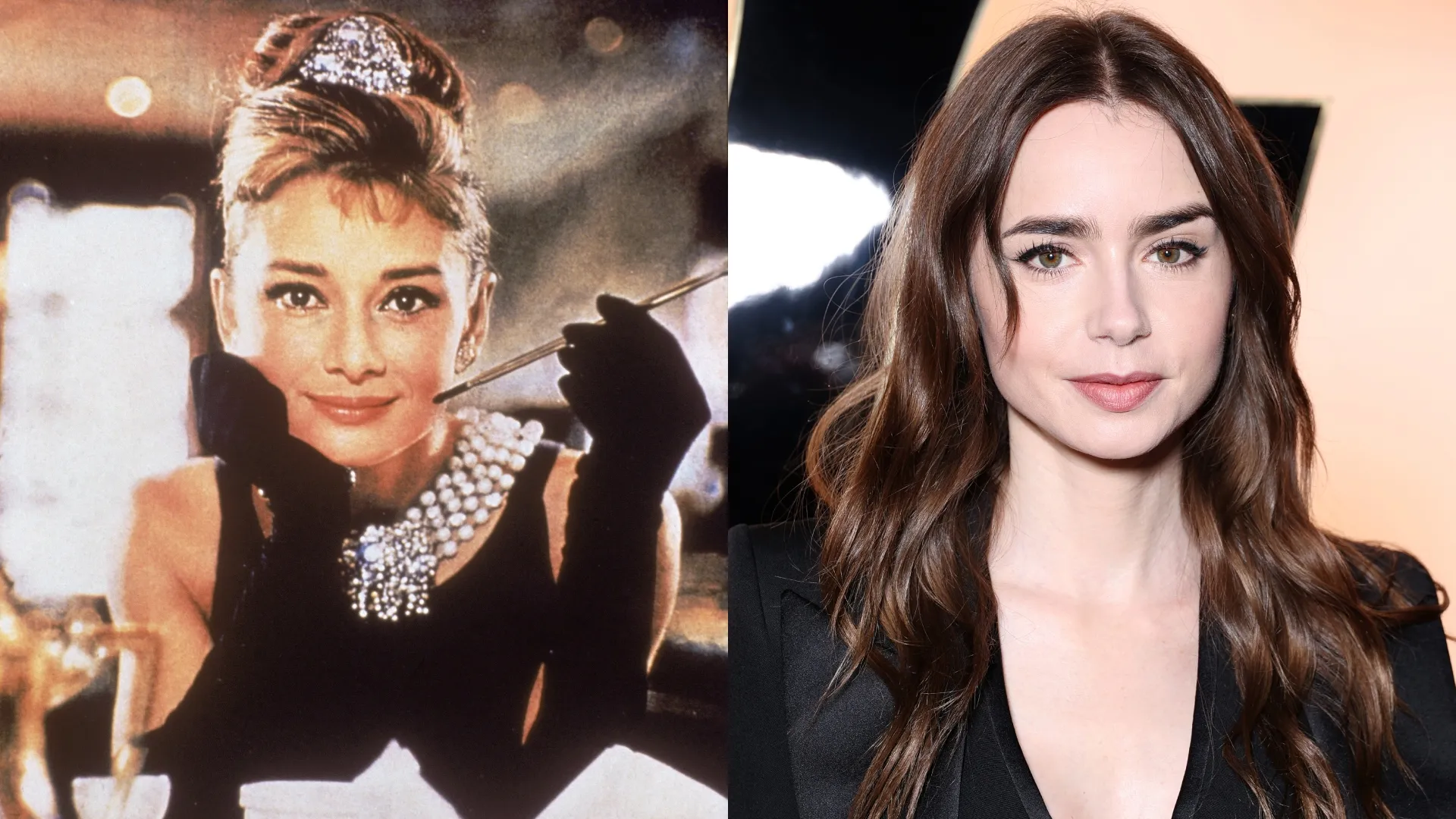
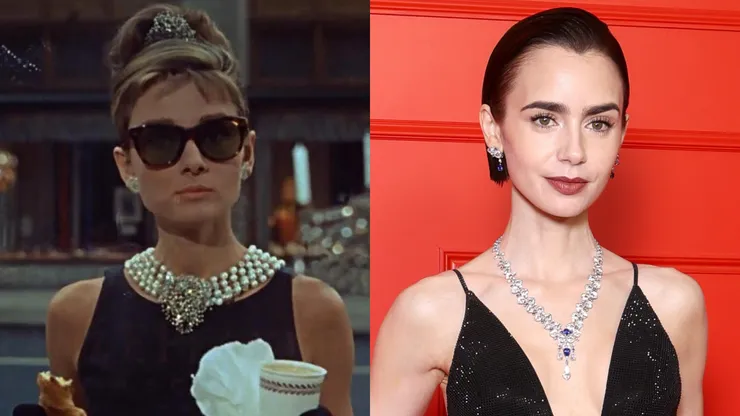
Audrey Hepburn and Lily Collins (Source: IMDb and Pascal Le Segretain/Getty Images)
Unlike a traditional biopic of Hepburn’s life, this project aims to illuminate the behind-the-scenes realities — including casting debates (Truman Capote originally wanted Marilyn Monroe for the lead), technical mishaps during filming, and clashes between artistic vision and studio pressure.
Alongside Collins’ dual role as lead actress and producer, Breakfast at Tiffany’s figures such as Truman Capote, director Blake Edwards and legendary costume designer Edith Head are expected to appear as central characters, although their performers have not yet been announced.
The screenplay will be written by Alena Smith, known for her work on Dickinson, and Imagine Entertainment is backing the production, though no director has been officially attached yet.
This framing promises a layered view of one of Hollywood’s most enduring films — not just as a cultural artifact, but as a story shaped by complex personalities, creative friction and the broader evolution of American cinema in the early 1960s.