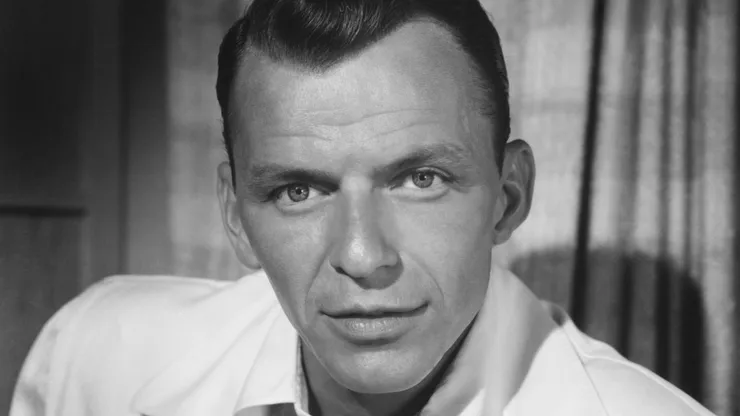
Frank Sinatra’s legacy tends to loom so large that the man behind the mythology often gets lost in the glow of his own spotlight. Decades after his final performance, his voice still circulates through films, holiday playlists, and late-night radio rotations, reinforcing the familiar narrative of the Chairman of the Board.
As new generations rediscover his music and Hollywood continues to borrow his swagger, lesser-known pieces of his story have found fresh relevance. Some reveal the depth of his artistic discipline; others expose the tensions that fueled his fiercest creative periods.
Sinatra’s Birth Was Marked by a Near-Fatal Delivery
Frank Sinatra entered the world in 1915 under dramatic circumstances—so large at birth that forceps left him with lifelong facial scars. Many early accounts note that he wasn’t breathing at first, only revived when his grandmother placed him under cold water. It’s a detail often overshadowed by his later glamour, yet it sets a fitting tone for a life defined by improbable resilience.
His First Career Plan Was Journalism, Not Music
Before music ever took hold, Sinatra envisioned himself writing stories rather than singing them. He briefly worked at a local newspaper in Hoboken, absorbing the rhythms of everyday life that would later seep into his phrasing as a vocalist. That sense of narrative—of shaping emotion like a headline—became a signature element of his performances.
The Boom That Launched His Career Came From Radio
While nightclubs shaped his early craft, it was radio that carried Sinatra across the country. His stint on “Major Bowes’ Amateur Hour” introduced him to a national audience at a time when the medium was the heartbeat of American entertainment. The exposure turned a local talent into a rising star with remarkable speed.
He Was One of the First Pop Idols to Spark Mass Fan Frenzy
Long before the Beatles or Elvis, Sinatra inspired a level of teenage hysteria the press dubbed “Sinatramania.” Concert halls flooded with young fans who screamed, fainted, and packed venues to capacity. The phenomenon offered a preview of the global pop culture machine that would dominate future generations.
Sinatra’s Draft Status Almost Ruined His Career
During World War II, medical issues kept Sinatra from serving, a controversy that nearly derailed his early rise. Public suspicion lingered for years, but documents later confirmed the legitimacy of his condition. Even so, the scrutiny shaped his public image, forcing him to navigate fame under intense political and social pressure.
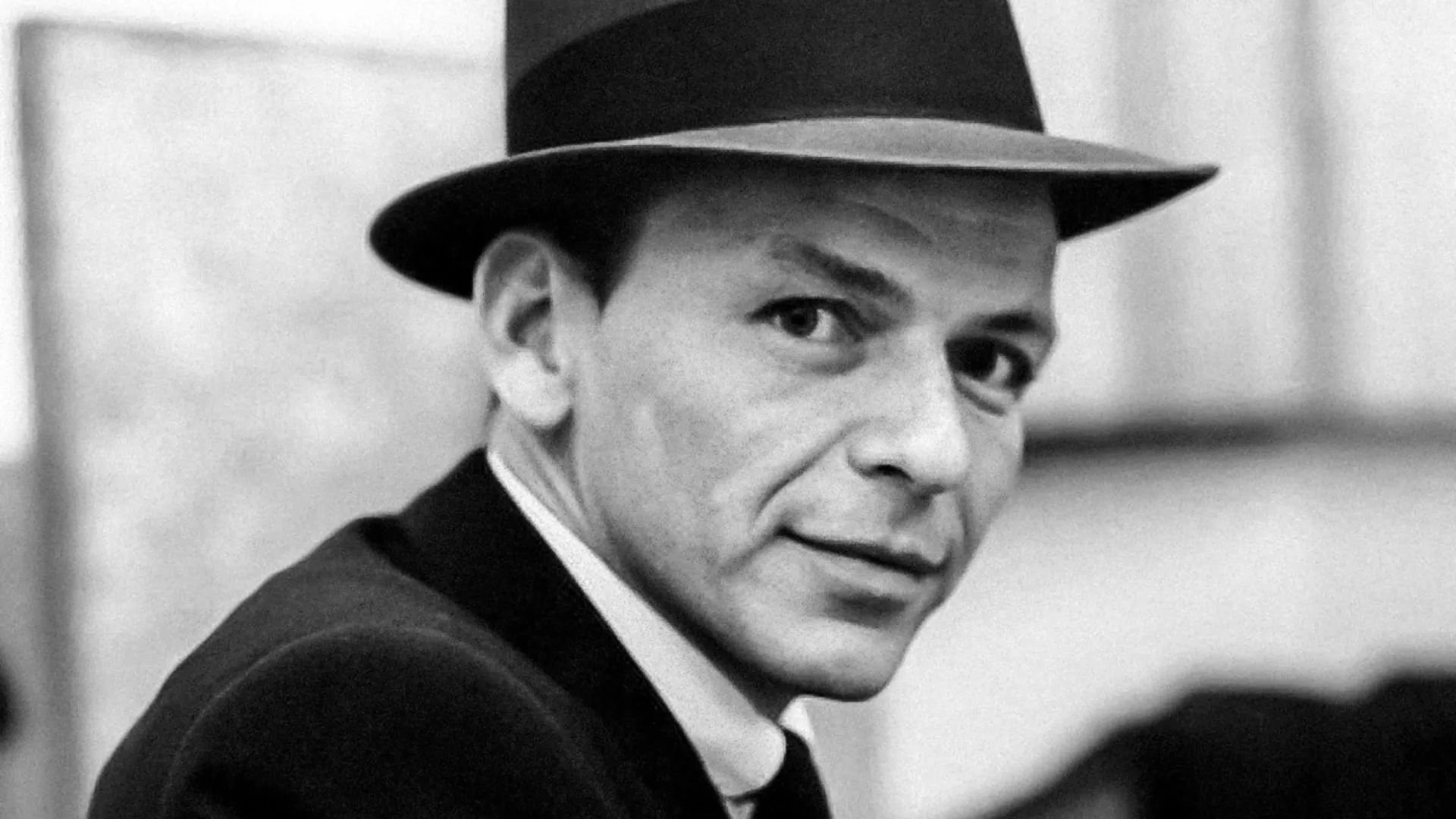
Frank Sinatra (Source: IMDb)
His Acting Career Began With Small Musical Shorts
Before winning Oscars or leading major films, Sinatra appeared in modest musical shorts—brief, lightly scripted pieces designed more for radio stars than actors. These early appearances taught him timing, posture, and the subtle camera work that would later define his dramatic performances in Hollywood.
“From Here to Eternity” Revived His Entire Career
By the early 1950s, Sinatra’s career was faltering—until his performance as Pvt. Maggio in From Here to Eternity earned him an Academy Award. Industry insiders often describe it as one of Hollywood’s great comebacks, a turning point that restored his credibility and opened a new chapter in acting.
He Became a Pioneer in Concept Albums
Sinatra helped popularize the concept album format, treating records like cohesive stories rather than collections of singles. Albums such as In the Wee Small Hours showcased emotional arcs and thematic unity, influencing generations of artists across genres. His approach helped shape how albums are imagined today.
Sinatra Was One of the First Artists to Own His Masters
Well before it became common practice, Sinatra founded Reprise Records in 1960, giving himself creative control and ownership over his recordings. The move was groundbreaking for performers of the era, signaling a push toward artistic autonomy that future musicians would fight to secure.
He Held Several Politically Powerful Friendships
Sinatra’s social circle included presidents, power brokers, and influential figures across industries. His friendship with John F. Kennedy is the most publicized, but his ties extended far deeper. These relationships often placed him at the intersection of culture and politics, for better and worse.
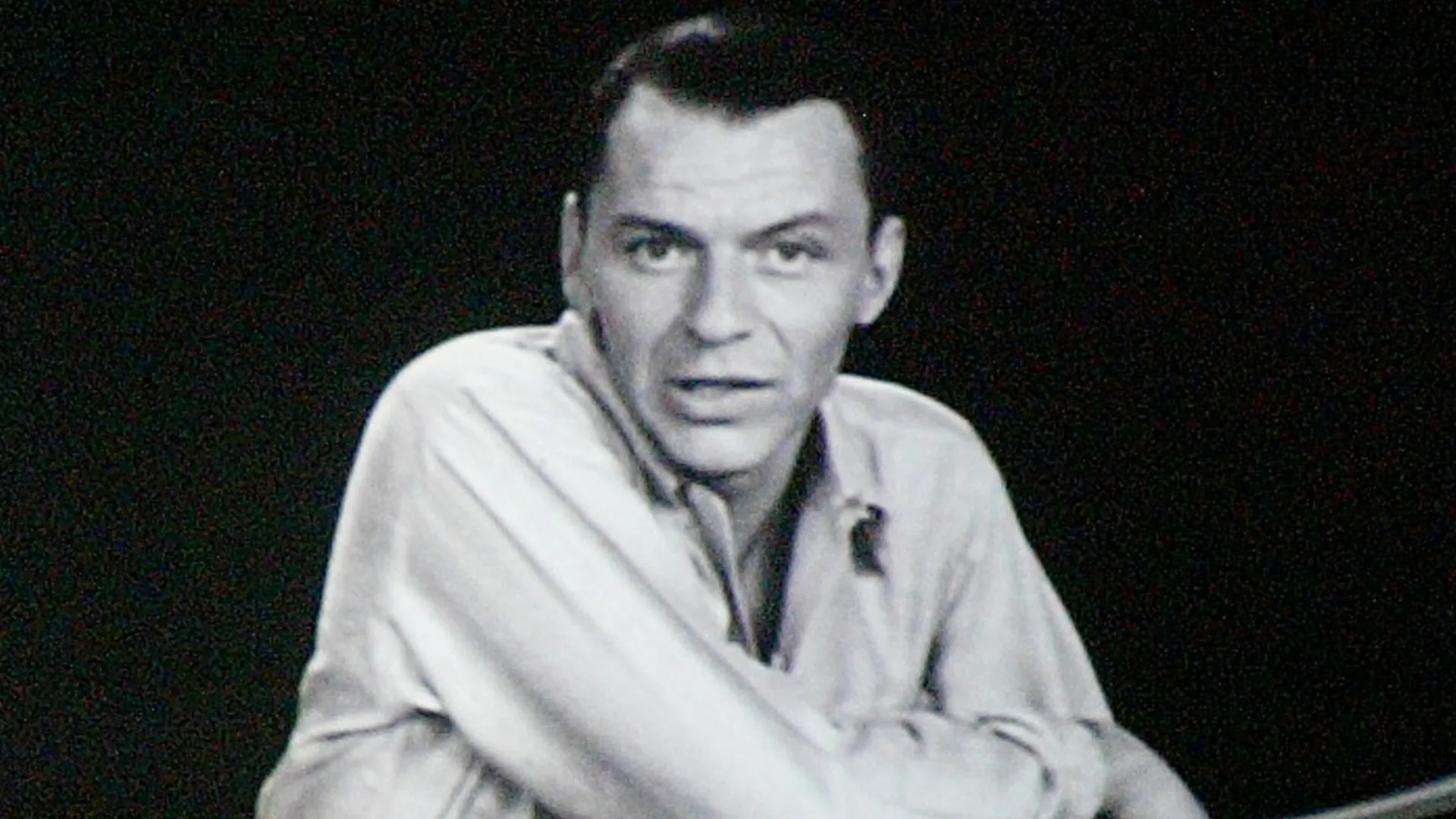
Frank Sinatra (Source: Evan Agostini/Getty Images)
He Quietly Donated Millions to Charities
Despite his brash public persona, Sinatra was an active, discreet philanthropist. He contributed to hospitals, children’s programs, and humanitarian causes without seeking publicity. Many of his donations were only confirmed decades later through institutional records and interviews with staff members.
He Was an Early Advocate for Civil Rights
Sinatra used his influence to support Black performers and integrate venues at a time when doing so carried professional risk. He publicly challenged discriminatory practices and insisted that his collaborators receive equal treatment. His stance helped open doors for artists who had been shut out of mainstream entertainment.
Sinatra Earned the Nickname “The Chairman of the Board” for a Reason
The moniker wasn’t just a playful title—it reflected his authority within Reprise Records and his business acumen. He led with a mix of charm and steel, overseeing projects, financial decisions, and artistic innovations. It was one of the earliest examples of a singer shaping the industry from the executive side.
He Was a Notoriously One-Take Recording Artist
Musicians who worked with Sinatra often recall his preference for single-take recordings, relying on preparation and instinct rather than repetition. His approach brought a rawness and immediacy to his tracks, capturing the emotion of the moment without sanding down imperfections.
His Stage Fright Never Fully Disappeared
Despite his legendary confidence, Sinatra privately battled bouts of stage fright throughout his career. Some nights he paced backstage in silence; other nights, he joked nervously with musicians. The tension added a fragile, human edge to a performer often mythologized as untouchable.
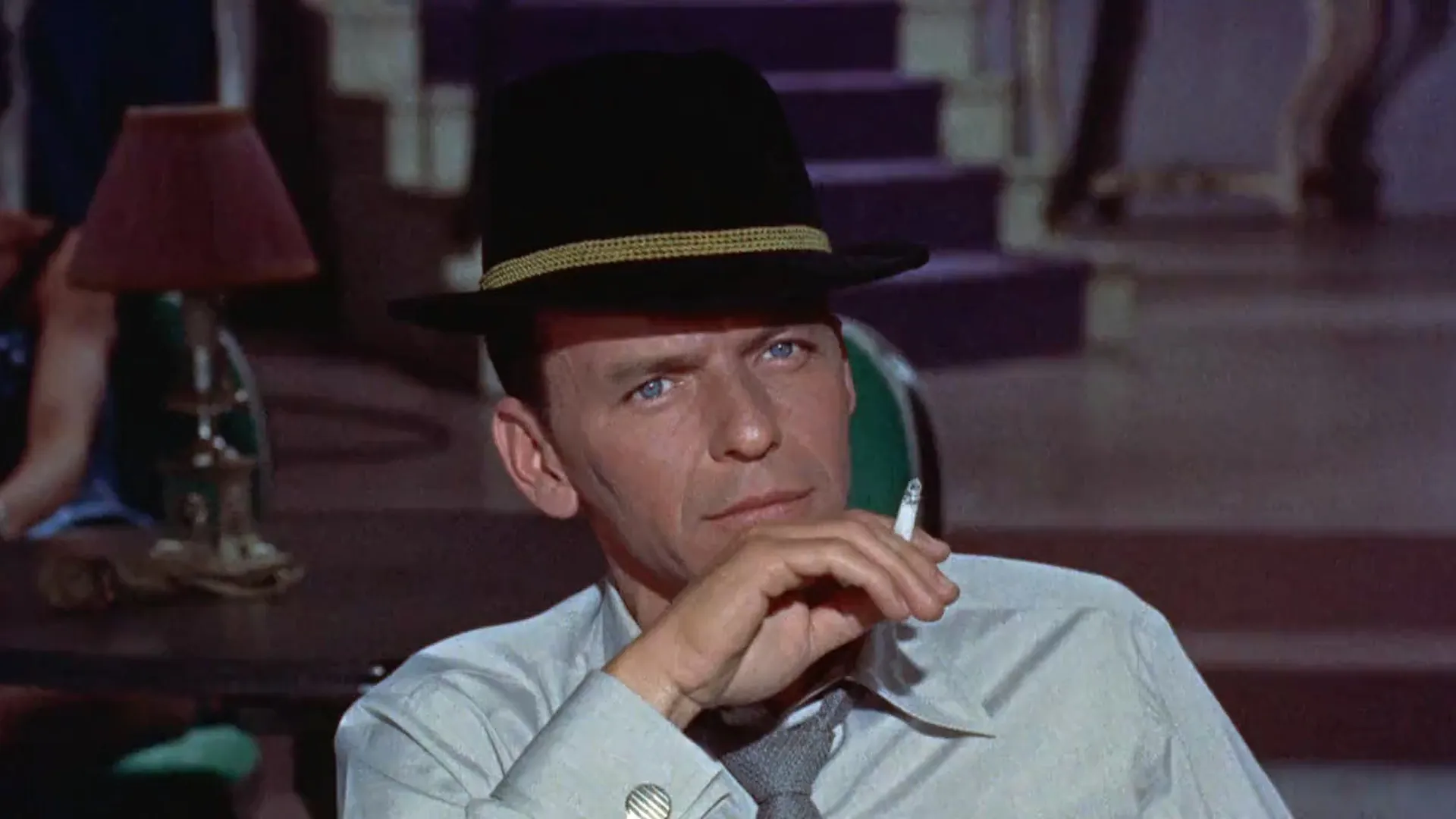
Frank Sinatra in Pal Joey (Source. IMDb)
Sinatra Had a Passion for Aviation
He traveled frequently in private aircraft and developed a hands-on fascination with aviation technology. Pilots who flew with him have spoken about his curiosity in the cockpit and his ability to identify aircraft models by sound—a small but vivid detail about his restless, inquisitive nature.
He Released More Than 1,200 Songs
Across decades, Sinatra’s studio output grew to over 1,200 recordings—an enormous catalogue spanning styles, moods, and eras. The sheer volume of his work underscores how relentless he was in the studio, constantly evolving while maintaining the elegance that defined his sound.
Sinatra Won an Honorary Oscar for His Short Film Work
In addition to his acting roles, his short film The House I Live In earned an honorary Academy Award for its message promoting tolerance. It’s a lesser-known but meaningful achievement, revealing his willingness to use art as a way to comment on social issues.
He Maintained a Strict Code of Loyalty
Friends and colleagues frequently mention Sinatra’s rigid personal code: he valued loyalty fiercely and expected the same in return. This trait shaped his relationships, his collaborations, and even the conflicts that marked certain periods of his life.
His Final Public Performance Took Place in 1995
Sinatra’s last known public performance occurred at a charity event in Palm Springs. His voice had weathered with age, but he closed the night with “The Best Is Yet to Come”—the same phrase later engraved on his tombstone, tying a poetic knot on a monumental career.