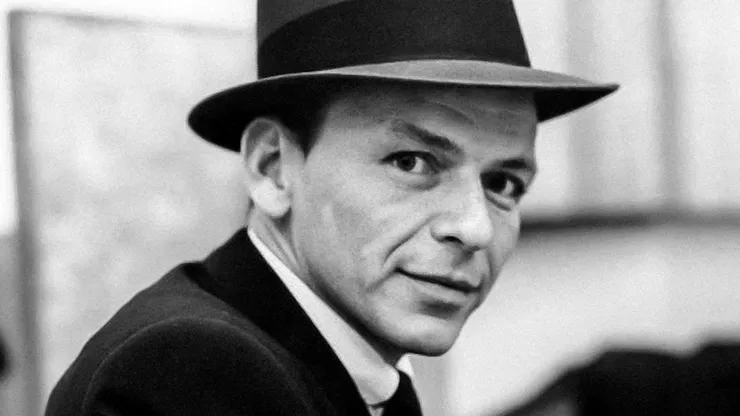
Frank Sinatra’s catalog still carries the quiet force of an artist who reshaped American music without ever needing to raise his voice. His phrasing turned popular standards into something far more enduring, bridging big-band swagger with the emotional clarity that later defined modern pop vocals.
Certain songs from his repertoire became more than hits; they became cultural anchors. Each of them reflects a moment when his instinct for melody and mood aligned perfectly with the era around him, leaving behind tracks that continue to influence vocalists, arrangers, and performers across genres.
I’ll Never Smile Again (1940)
This recording with the Tommy Dorsey Orchestra is arguably the genesis moment of Sinatra’s superstardom. His delivery was unprecedentedly intimate for the time, using his pristine diction and breath control to sustain notes and drape melodic lines with a heartbreaking melancholy.
This introduced the concept of the ‘crooner’ as a vessel for deep, individual emotion, rather than just a band vocalist. It was this track that catalyzed the phenomenon of the teen idol, generating the legendary ‘bobby-soxer’ frenzy and demonstrating the massive commercial power inherent in a single, emotionally resonant vocal performance—a blueprint later adopted by every solo star who followed.
Fly Me to the Moon (1964)
While multiple versions exist, Sinatra’s recording with the Count Basie Orchestra defined the song for the ages. It is pure, effortless swing, using Basie’s light-touch arrangements and the driving rhythm section to create a feeling of weightless joy.
The song perfectly marries the classic structure of the standard with the modern cool of Basie’s jazz sound, making it the definitive soundtrack for romance and sophistication. Its omnipresence in media and its literal journey into space confirmed it as a permanent piece of cultural shorthand for aspiration and elegant longing.
My Way (1969)
This Pierre Anka-adapted anthem is the quintessential finale, a self-eulogy set to a monumental, soaring arrangement. Though simple in its structure, its impact is undeniable; it articulated a universal human desire for significance and independence, becoming an unparalleled global phenomenon.
The recording’s dramatic power, built on declarative statements of an individual’s legacy, established it as the ultimate cultural touchstone for personal finality and triumph. Its global adoption as a farewell and a statement of proud defiance has made it one of the most culturally significant recordings of the 20th century.
Come Fly with Me (1958)
More than just an invitation, this song is the auditory manifesto of post-war optimism and jet-set sophistication. Sammy Cahn’s lyrics and Riddle’s bright, driving arrangement capture the thrill of luxury travel and limitless possibility.
The track is built on a deceptively complex, yet effortlessly swinging rhythm that makes the listener feel airborne. It became the defining sound of global glamour and aspirational leisure, establishing a sophisticated rhythmic standard that permeated film soundtracks and became the foundation for the “lounge” music genre and the easy, confident charm of countless pop records.
New York, New York (1979)
Bold, theatrical, and unapologetically big, the song became an anthem not just for the city but for anyone who’s ever tried to claim a place in the world. Sinatra delivered it with the confidence of someone who understood showmanship down to its smallest gestures.
The brass assaults, the rhythm section drives forward, and Sinatra’s voice sits right on top, commanding the spotlight with effortless authority. It revived the era of the “big song,” the kind meant to close nights, celebrations, and sometimes entire careers.
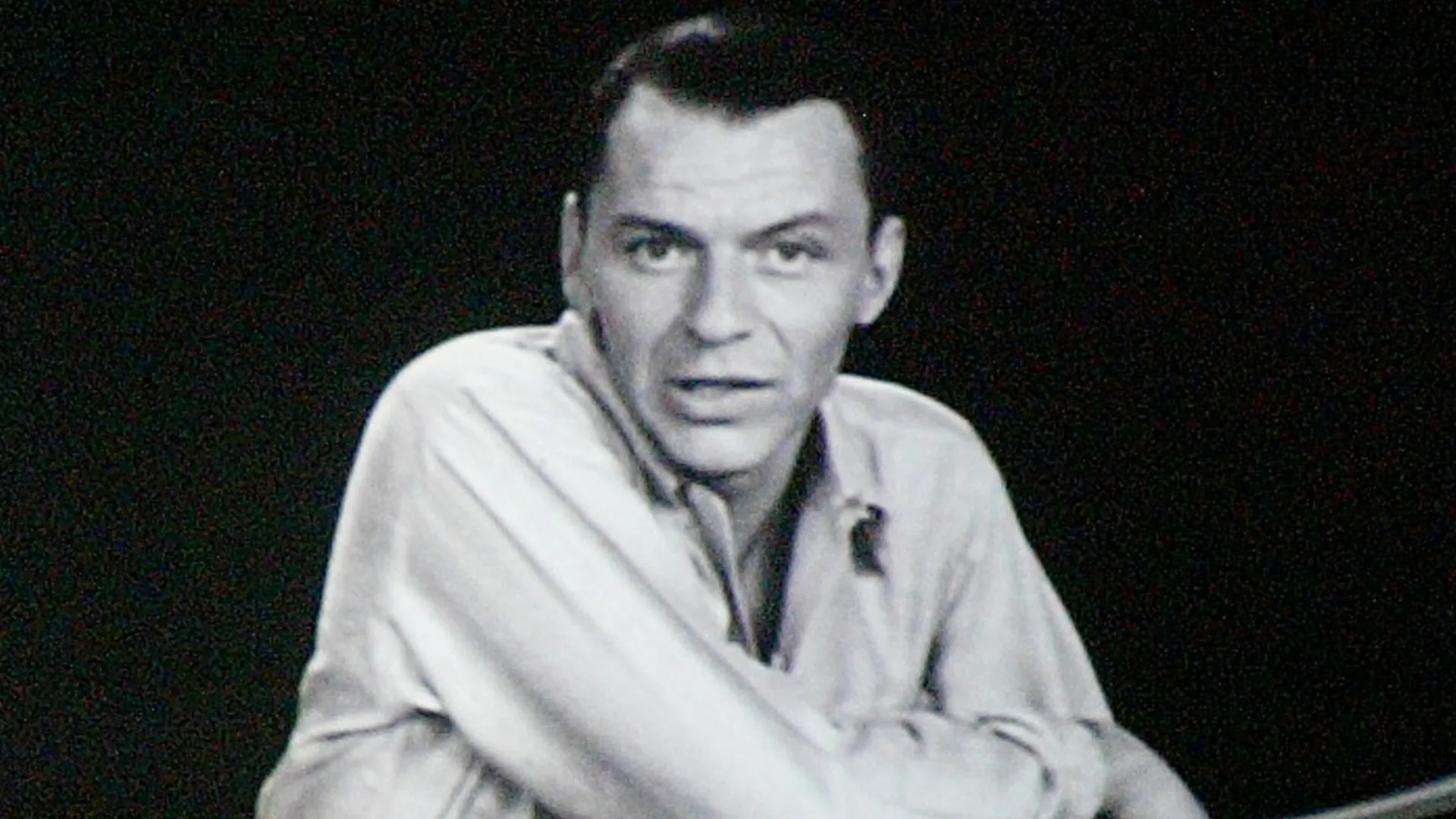
Frank Sinatra (Source: Evan Agostini/Getty Images)
I’ve Got You Under My Skin (1956)
A cornerstone of the legendary collaboration between Sinatra and arranger Nelson Riddle, this recording redefined the potential of big-band arrangement for the modern era. The masterful layering of brass, strings, and rhythm creates a dynamic, escalating narrative that mirrors the intensity of obsessive love.
The song is famed for its sustained dramatic tension, culminating in the iconic, almost anarchic trombone solo by Milt Bernhart. This track is less a song and more a controlled explosion of sophisticated cool; it solidified the blueprint for dramatic studio orchestration that influenced jazz, film scores, and high-production pop music for decades.
One for My Baby (And One More for the Road) (1958)
This is Sinatra’s definitive saloon song, a perfect piece of musical theater that takes place within the confines of a dim bar. Here, Sinatra is not singing to an audience but conversing with a bartender, making the listener a privileged eavesdropper to a moment of deep, alcohol-laced loneliness.
The spare piano and slow, mournful tempo emphasize his incomparable phrasing—the way he stretches, pauses, and throws away words to convey raw, weary emotion. This track established the standard for intimate, conversational vocal delivery, proving the power of dramatic understatement and paving the way for confessional singer-songwriters.
The Way You Look Tonight (1964)
Recorded during a period when rock and roll was aggressively dominating the airwaves, Sinatra’s confident revitalization of this classic Jerome Kern standard was a powerful statement on the enduring quality of the Great American Songbook. His version, delivered with characteristic warmth and minimal fuss, stripped away earlier, fussier arrangements.
The recording served as a crucial bridge, reminding audiences that sophisticated romance and timeless melody could coexist and thrive alongside youthful energy, ensuring the standards remained relevant and influencing future pop artists toward more mature, romantic themes.
Strangers in the Night (1966)
This song was a massive, unexpected commercial triumph that cemented Sinatra’s ability to remain a global pop force late into his career. Though often dismissed by purists, its simple, unforgettable melody and lush, cinematic arrangement created the ultimate mood piece of mysterious, instant romance.
It introduced an element of ‘easy listening’ polish that became hugely successful, defining a global soft-pop style for the late 60s and early 70s and proving that a veteran artist could conquer the charts without succumbing to the sounds of the rock generation.
That’s Life (1966)
A radical departure for Sinatra at the time, this track embraced the driving rhythms and brassy, gospel-tinged energy of contemporary R&B. It’s a powerful, defiant anthem of resilience that connects the singer directly with the listener’s struggle for survival and success.
The raw, gutsy delivery and the call-and-response backing vocals infused the Sinatra sound with an undeniable energy. The song’s enduring popularity lies in its uplifting, relatable narrative of falling down and picking oneself back up, establishing a template for the modern inspirational anthem across various popular genres.