In the glare of publicity, the assumption persists that visibility must translate into deep pockets, yet the economics of stardom often tell a quieter story. For some performers and personalities, recognition has opened doors without securing the kind of sustained financial foundation audiences assume comes with it.
Across film, TV and pop culture, a number of names remain familiar even as their net worths suggest something more modest than their profiles would imply. These figures illustrate a simple truth beneath the glamour: being known by millions doesn’t always mean living comfortably on millions.
Chris Tucker

Chris Tucker (Source: Jerod Harris/Getty Images)
In the late 1990s and early 2000s, Chris Tucker was one of Hollywood’s most unstoppable forces. Leading roles in Rush Hour and The Fifth Element made him one of the highest-paid actors of his era, reportedly earning up to $25 million per film. Yet fame arrived alongside financial turbulence and a temporary retreat from the screen that significantly reduced his fortune. Serious issues with the IRS—including millions in unpaid taxes—forced Tucker to sell high-value assets such as his $6 million mansion and left him with a net worth far below what his global stardom might suggest. Despite remaining wealthy in absolute terms, his finances reflect a stark gap between visibility and lasting wealth.
Pamela Anderson

Pamela Anderson (Source: Monica Schipper/Getty Images)
During the 1990s, Pamela Anderson became one of the most recognizable figures in global pop culture, propelled by her role as C.J. Parker on Baywatch and her status as one of the most photographed models in the world. While decades of television work, modeling, appearances, and publishing projects have generated meaningful income, her estimated fortune—often cited between $15 million and $25 million—appears modest compared to the scale and longevity of her fame. Personal expenses, fluctuating career momentum, and periods away from major Hollywood productions have contributed to a financial reality that contrasts sharply with her enduring celebrity image.
Allen Iverson

Allen Iverson (Source: Paul Kane/Getty Images for NBL)
Allen Iverson remains one of basketball’s most electrifying legends, celebrated not only for his explosive playing style but also for reshaping the NBA’s cultural identity. Over the course of his career, he earned more than $200 million in salary and endorsements, including a historic partnership with Reebok. Yet extravagant spending, financial support for a large entourage, and poor money management led to severe financial distress, culminating in bankruptcy during the early 2010s. His situation has since stabilized somewhat thanks to ongoing endorsement income and a long-term trust fund arrangement, but his present-day wealth represents only a fraction of what such an iconic career once generated.
Nicolas Cage
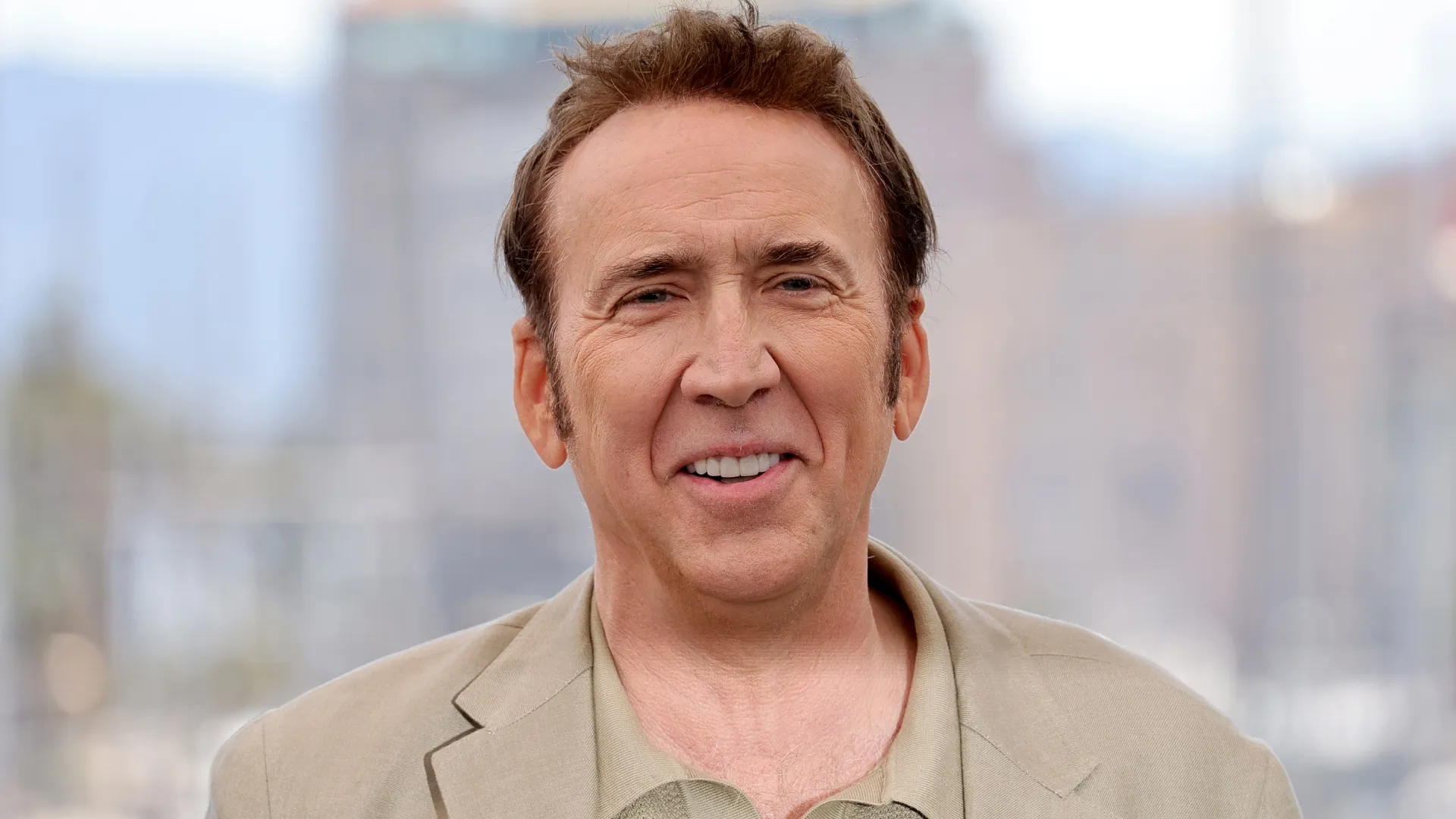
Nicolas Cage (Source: Neilson Barnard/Getty Images)
For decades, Nicolas Cage has embodied the image of a fearless Hollywood star, moving fluidly between blockbuster spectacle and eccentric character work. Financially, however, his story has been far less stable. After earning well over $100 million throughout his career, Cage spent vast sums on unusual and extravagant purchases—luxury properties, rare artifacts, fine art, and even a dinosaur skull—while also facing millions in unpaid tax debts. These pressures forced the sale of numerous assets and reshaped public perception of him as a celebrity whose fame far exceeded his financial security. Continued acting work has helped him rebuild, but his trajectory remains one of Hollywood’s most famous cautionary tales.
Lindsay Lohan

Lindsay Lohan (Source: Hanna Lassen/Getty Images)
At the height of her early fame, Lindsay Lohan stood among Hollywood’s most visible young stars, leading box-office hits while dominating tabloid culture. Personal struggles, inconsistent employment, legal troubles, and time in rehabilitation programs disrupted that ascent and eroded her earning potential. At one point, the IRS seized portions of her income to cover unpaid taxes, underscoring the fragility of her financial situation. Though she has generated revenue through interviews, smaller projects, and reality television, her estimated net worth remains relatively modest compared to the global recognition she continues to command.
Janice Dickinson
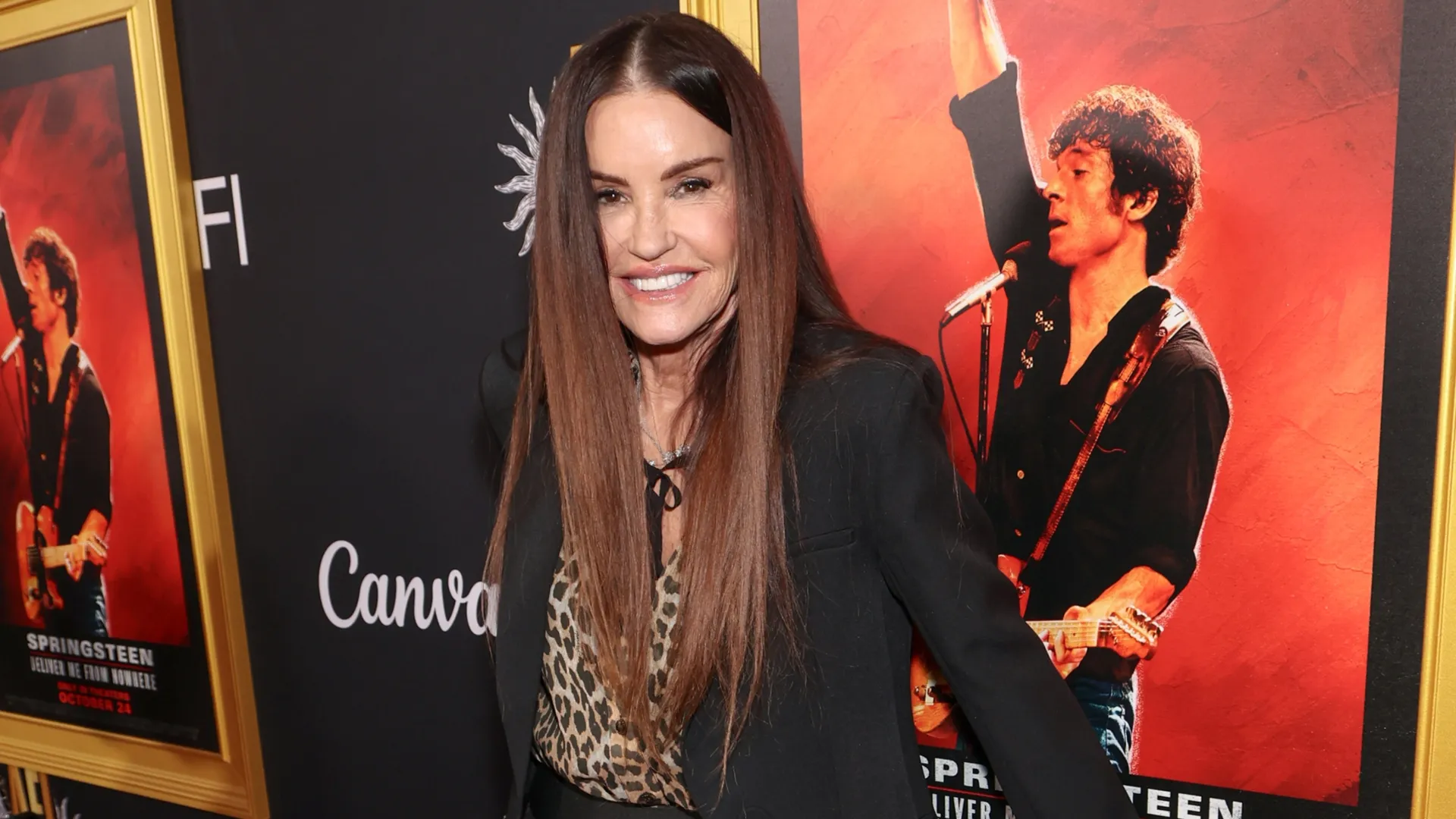
Janice Dickinson (Source: Jesse Grant/Getty Images for 20th Century Studios)
Often self-described as “the world’s first supermodel,” Janice Dickinson helped define fashion culture in the 1970s and 1980s before later becoming a familiar television personality on America’s Next Top Model. Despite decades in the spotlight, her finances have been deeply unstable. In 2013, she filed for bankruptcy, listing debts that far exceeded her assets, including unpaid taxes and significant personal liabilities. Her experience illustrates how even long-term success in high-earning creative industries does not guarantee lasting financial security without careful management.
Wesley Snipes
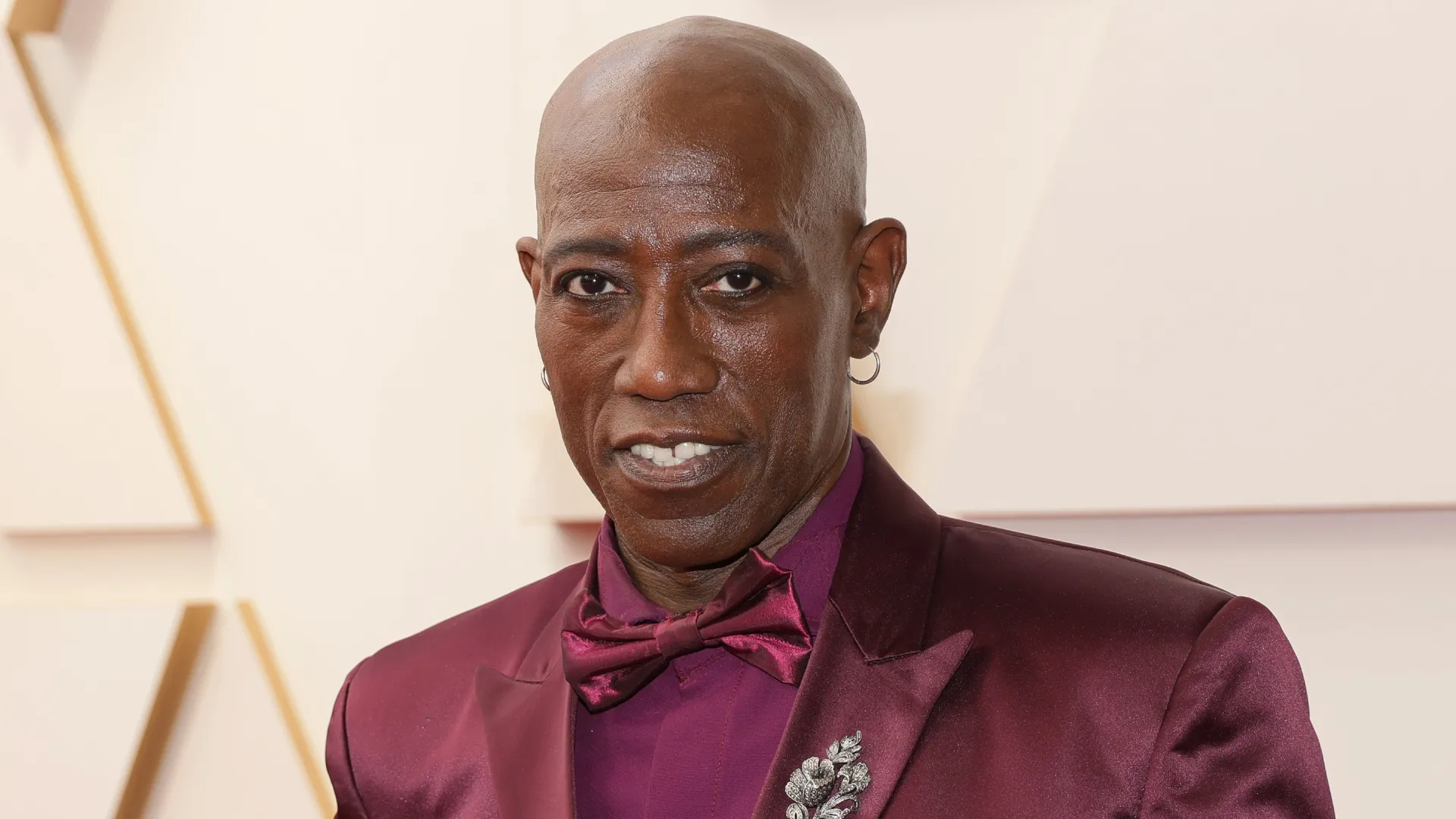
Wesley Snipes (Source: Mike Coppola/Getty Images)
In the 1990s, Wesley Snipes ranked among the most respected action stars in Hollywood, headlining era-defining hits such as Blade and Passenger 57. His financial narrative shifted dramatically after federal charges for failing to file tax returns over multiple years led to a prison sentence and massive tax liabilities. As of recent estimates, lingering debt has pushed his net worth into negative territory—an extreme example of how administrative and legal missteps can overshadow decades of professional success. His story stands as one of the clearest reminders that fame alone offers no protection from financial collapse.