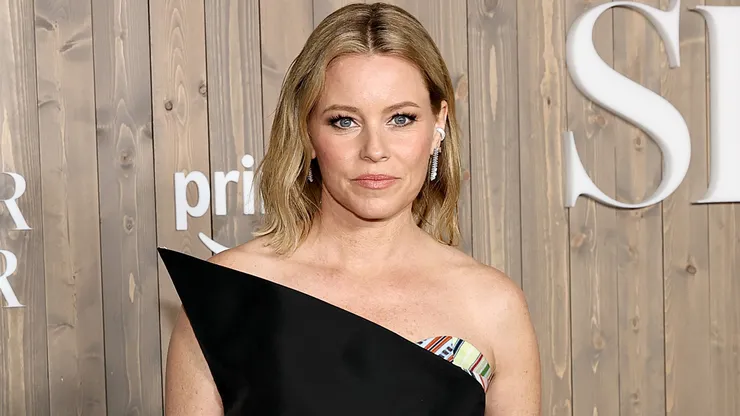
Elizabeth Banks’ career has unfolded in a way few Hollywood trajectories do — not through a single defining role, but through constant reinvention across comedy, drama, satire and blockbuster spectacle. She steadily built a reputation for sharp timing and emotional precision, moving with unusual ease between independent films and major studio franchises.
That adaptability has become her signature. From scene-stealing supporting turns to commanding performances in cultural juggernauts like The Hunger Games and the Pitch Perfect universe, she has shaped a body of work defined less by genre than by presence. Turning 51 marks not a retrospective pause, but another moment in a career still expanding.
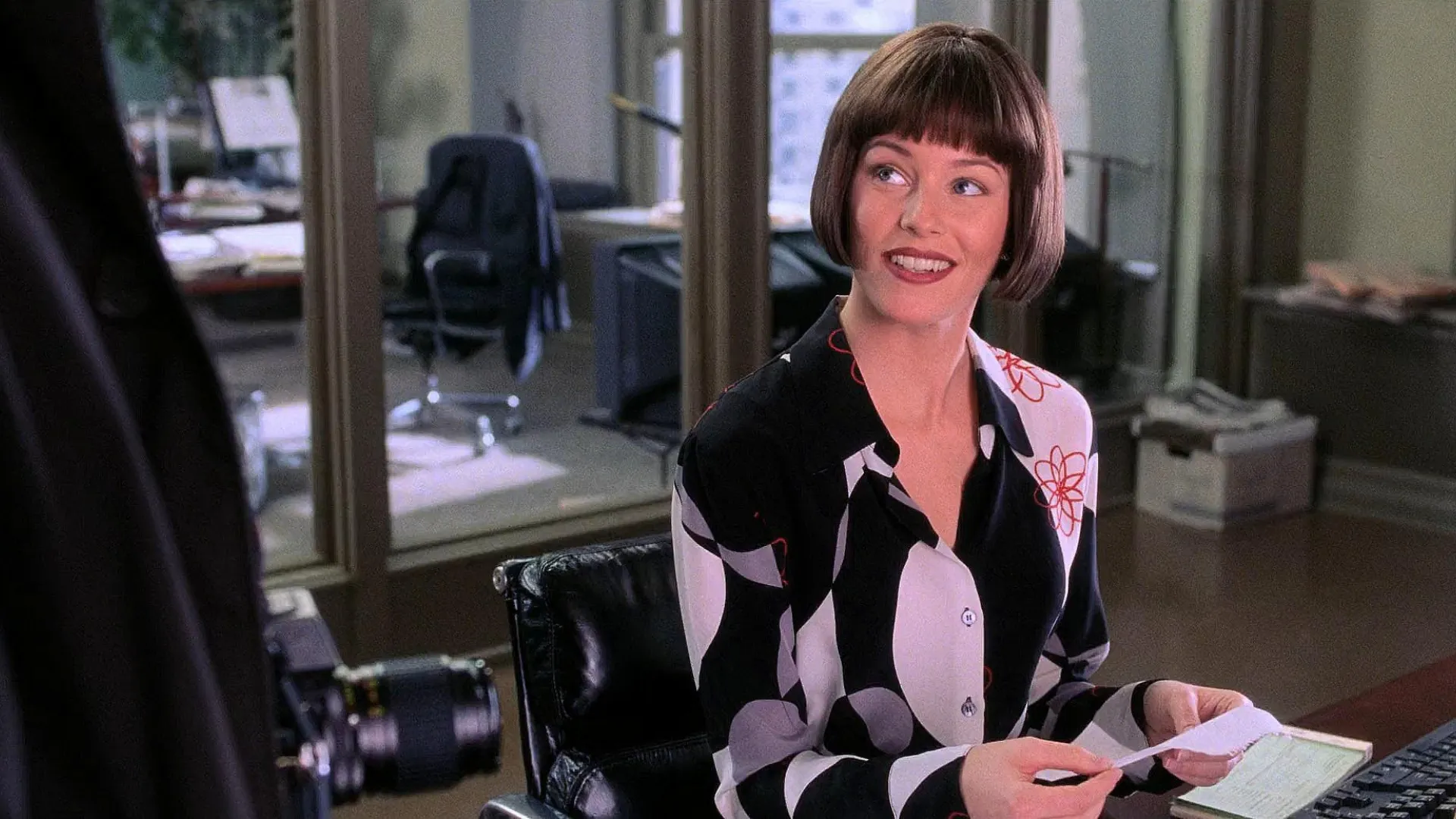
Spider-Man (2002)
(Source: IMDb)
One of Banks’ earliest high-profile roles came with Sam Raimi’s Spider-Man (2002), where she played Betty Brant, the diligent Daily Bugle secretary who crosses paths with Peter Parker’s emerging world. Though not a lead, her grounded performance in this globally successful superhero launch helped cement her presence in Hollywood and led to small returns in Spider-Man 2 and Spider-Man 3, giving her early blockbuster experience that many young actors never achieve.
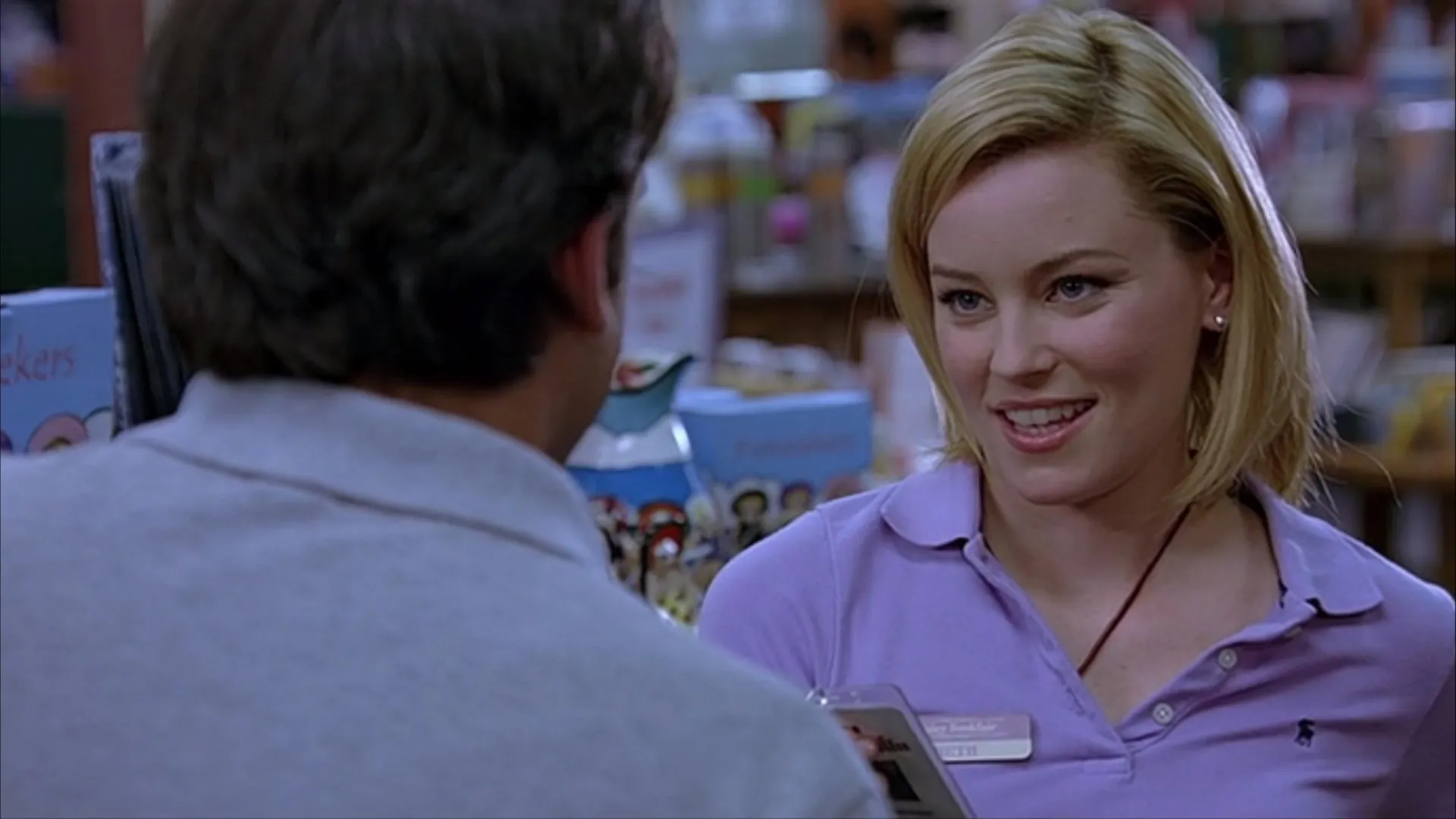
The 40-Year-Old Virgin (2005)
(Source: IMDb)
In Judd Apatow’s The 40-Year-Old Virgin, Banks made a significant mark as Beth, the unassuming bookstore clerk who unexpectedly becomes the romantic interest of Steve Carell’s character. What began as a seemingly simple part evolves into some of the film’s most memorable moments, with Banks blending sweet charm and off-beat humor in a role that helped propel the comedy to wide cultural acclaim and showcased her knack for comedic timing.
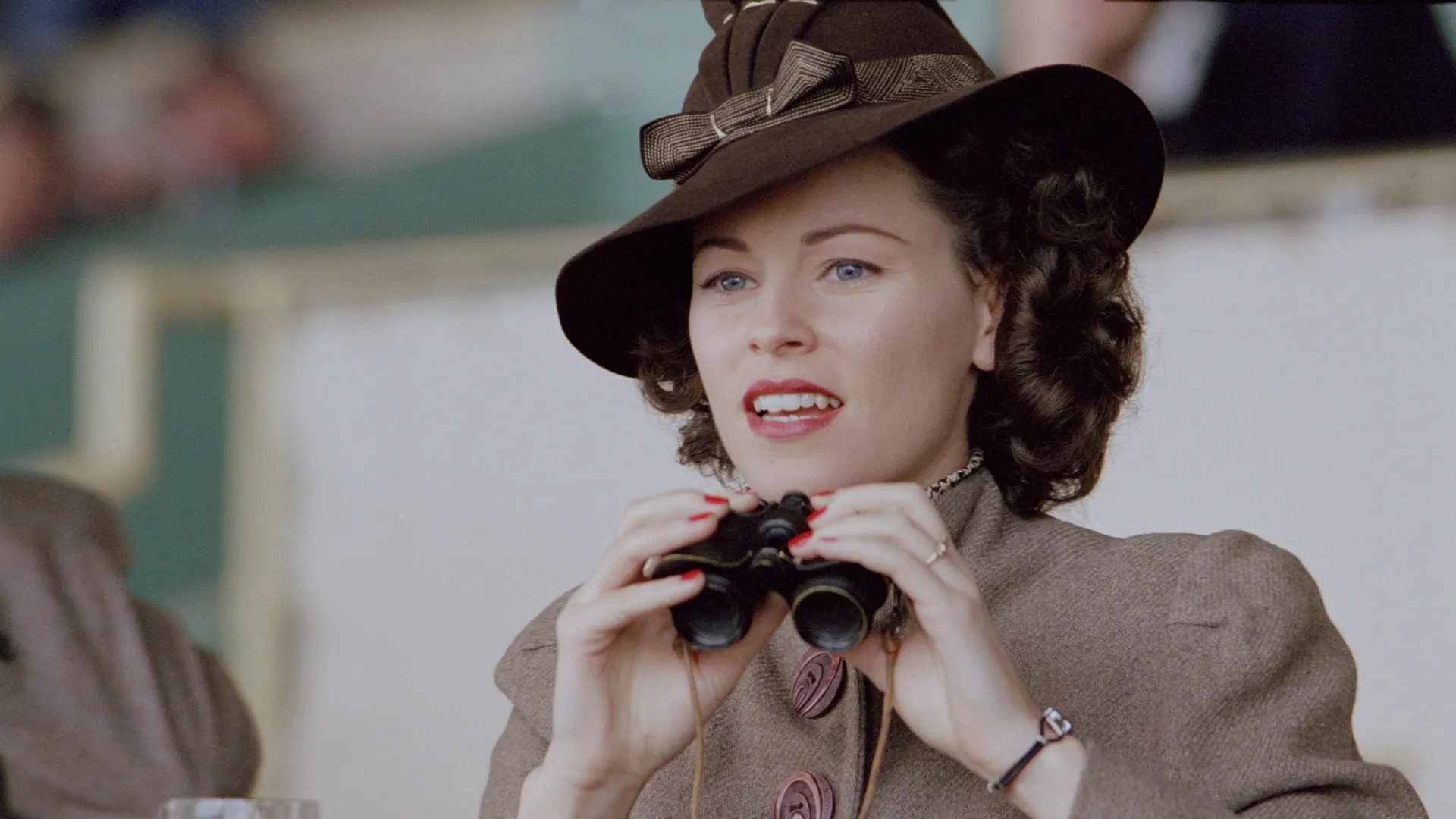
Seabiscuit (2003)
(Source: IMDb)
Before her more widely recognized comedy and franchise work, Banks earned critical notice in Seabiscuit (2003), portraying Marcela Howard, the devoted wife of the famed racehorse’s owner. Her commitment to the role — she reportedly auditioned three times and wrote the director personally because she grew up with a passion for horse racing — underscored her seriousness as a dramatic performer and earned her early recognition within major cinema circles.
Wet Hot American Summer (2001)
(Source: IMDb)
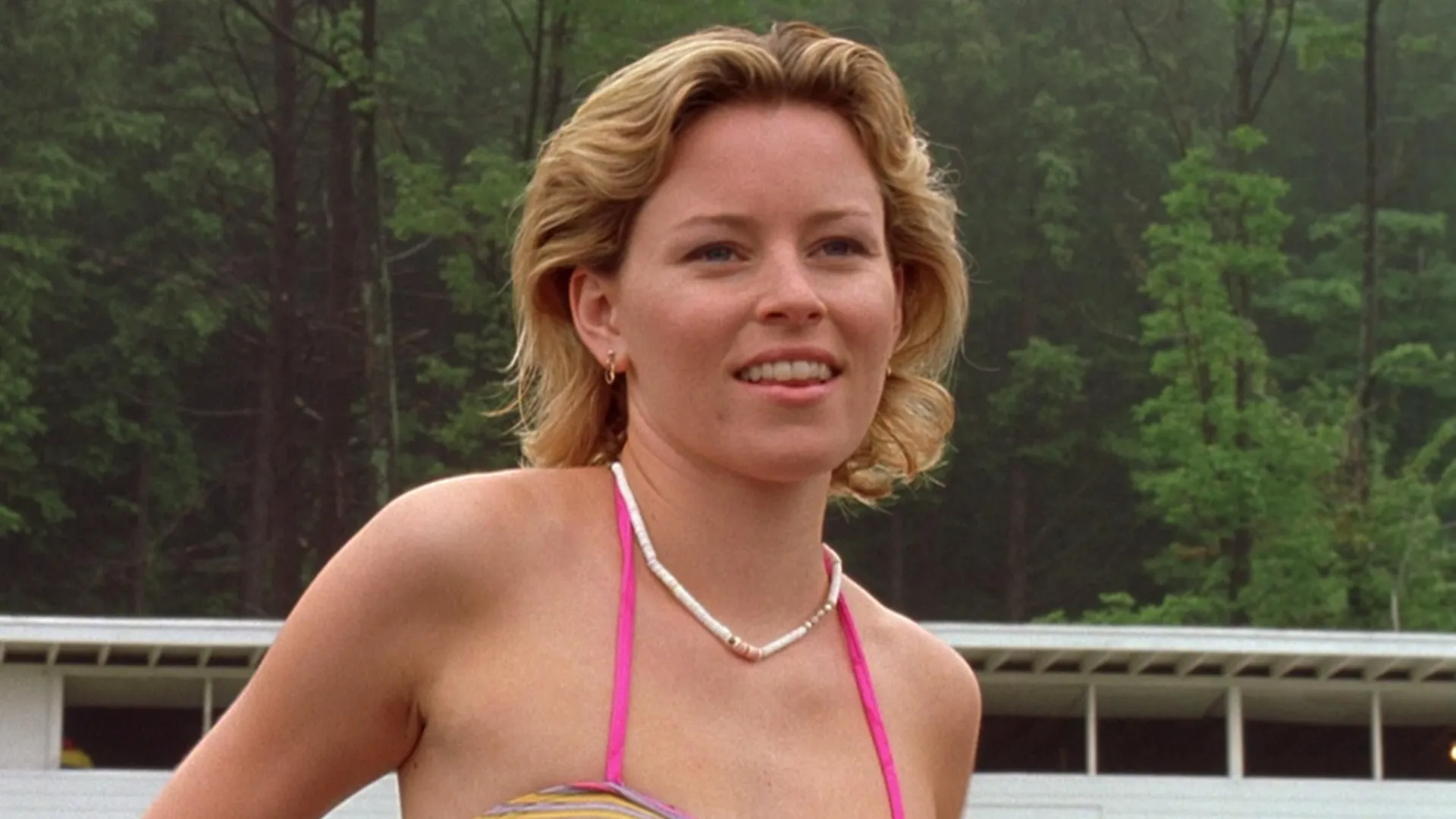
Banks’ appearance in the cult comedy Wet Hot American Summer predates many of her bigger gigs and has become part of her enduring appeal. As Lindsay, she helped bring to life the surreal, ensemble humor that turned the film into a cult classic and later spawned Netflix prequels and reunions, proving her early connection to projects that resonated through pop culture.
The Hunger Games saga
(Source: IMDb)
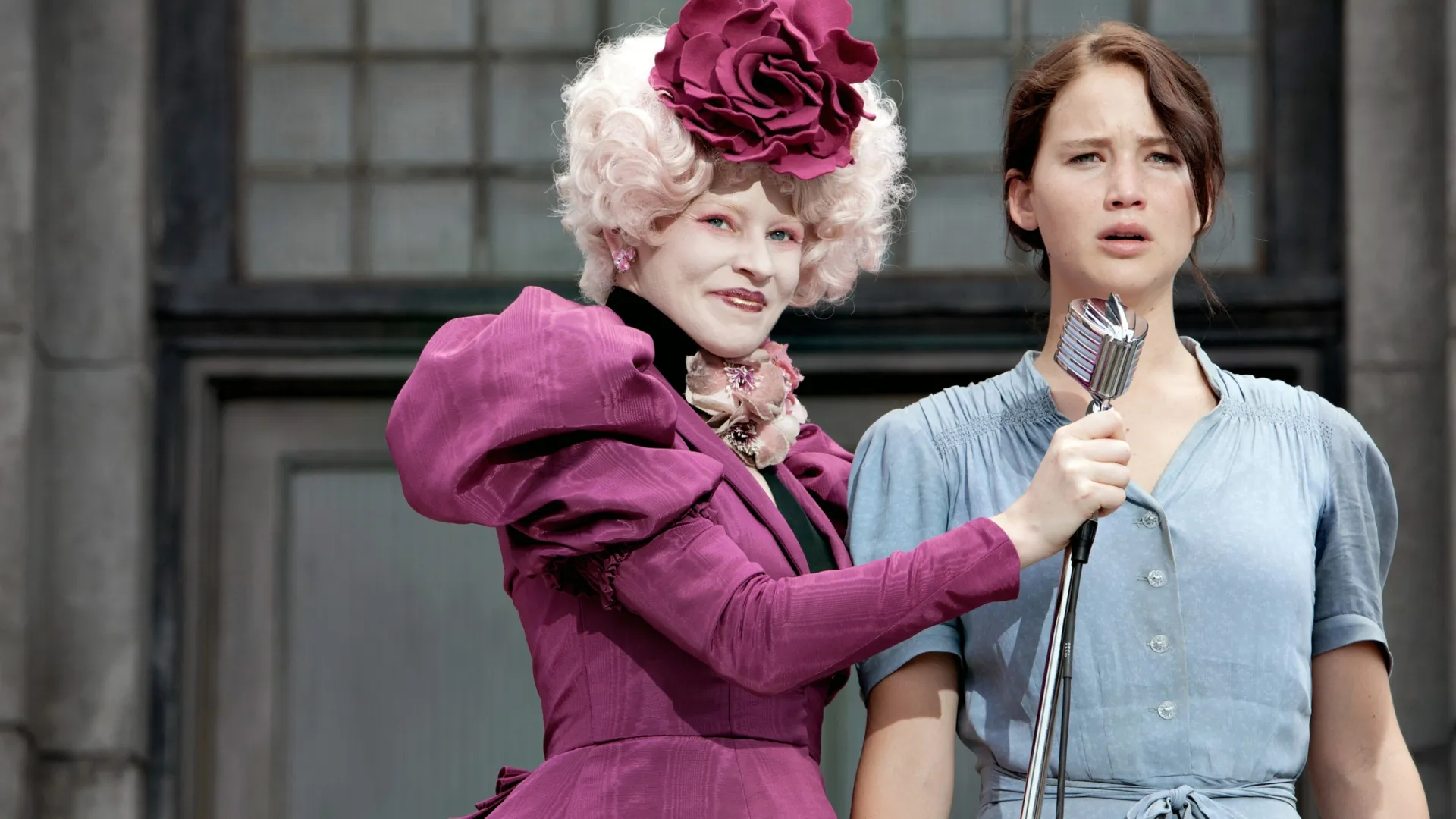
Perhaps no role has defined Banks’ mainstream screen identity more than Effie Trinket in The Hunger Games franchise. Introduced in the first film (2012), Effie’s flamboyant Capitol mannerisms, extravagant costumes and unexpected emotional arcs made her one of the series’ standout characters, and Banks reprised the role across multiple sequels as the dystopian saga became a global phenomenon.
Pitch Perfect trilogy (2012)
(Source: IMDb)
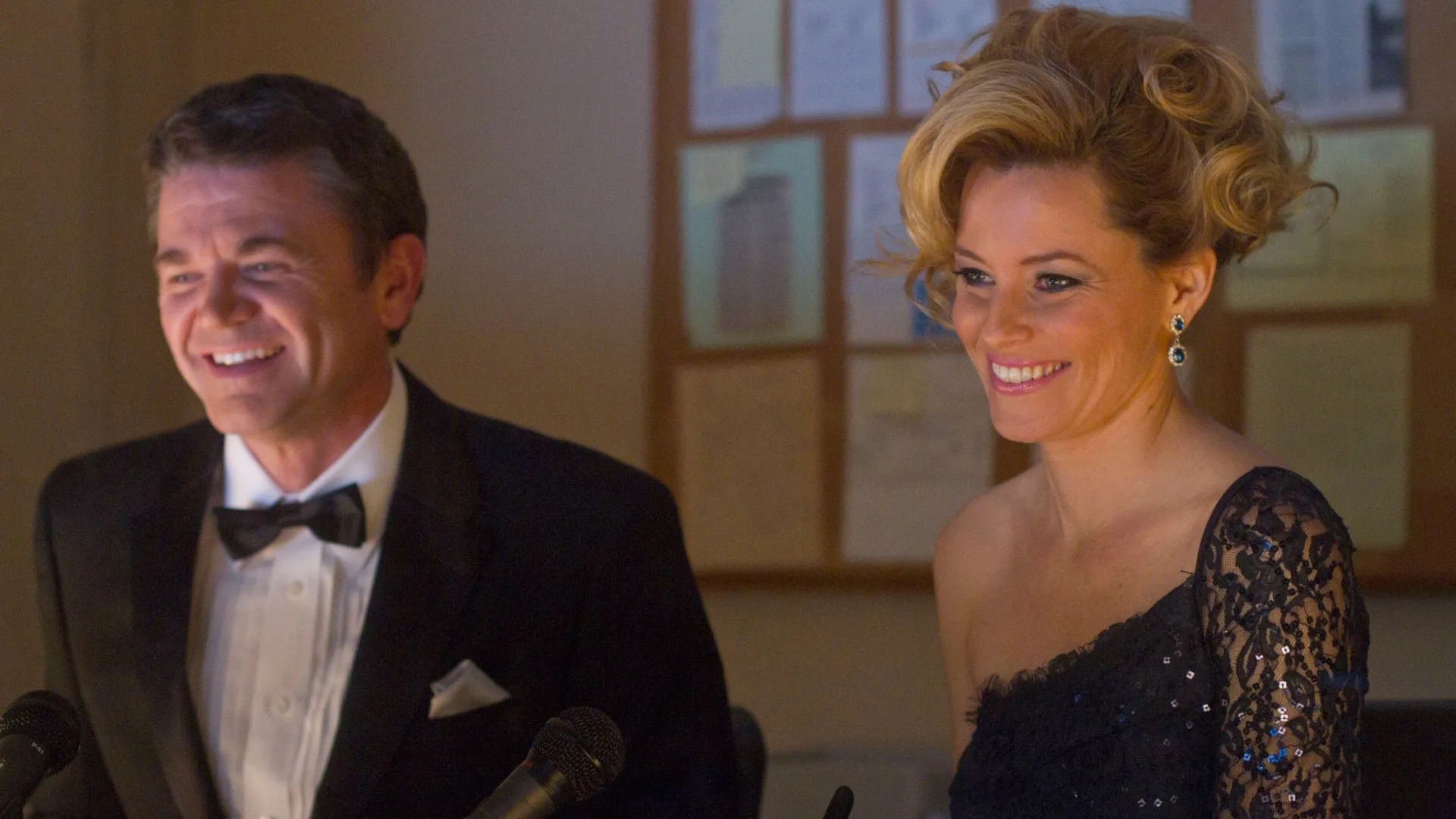
Few projects capture Banks’ versatility more completely than Pitch Perfect. On screen, her acerbic commentator Gail delivers some of the franchise’s sharpest humor, slicing through the musical spectacle with perfectly timed irreverence. Off screen, Banks shaped the series’ identity as a producer and later director, guiding Pitch Perfect 2 to major commercial success.
The trilogy stands as proof of her ability not only to perform within pop culture phenomena, but to help build them. The movie’s success — over $115 million worldwide on a modest budget — was central to its breakout status, and Banks’ involvement went beyond acting.
Brightburn (2019)
(Source: IMDb)
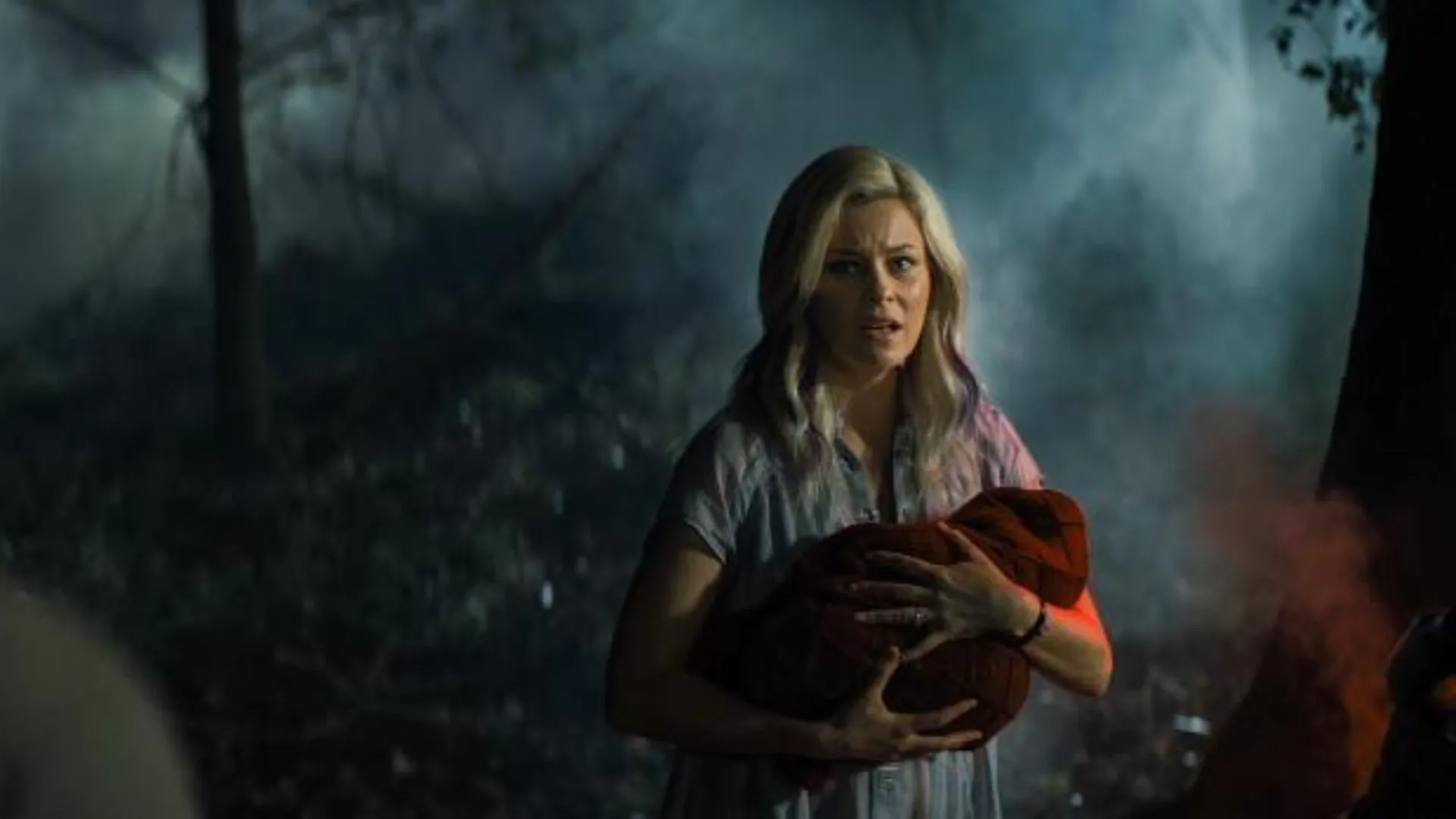
In a departure from her typical work, Banks took on the parental lead in the horror-thriller Brightburn. As Tori Breyer, a mother whose adopted child begins to develop sinister powers, she anchors a genre blend of horror and superhero mythos with palpable emotional weight, navigating a terrifying descent into mistrust and maternal fear that demonstrated Banks’ dramatic range.
Catch Me If You Can (2002)
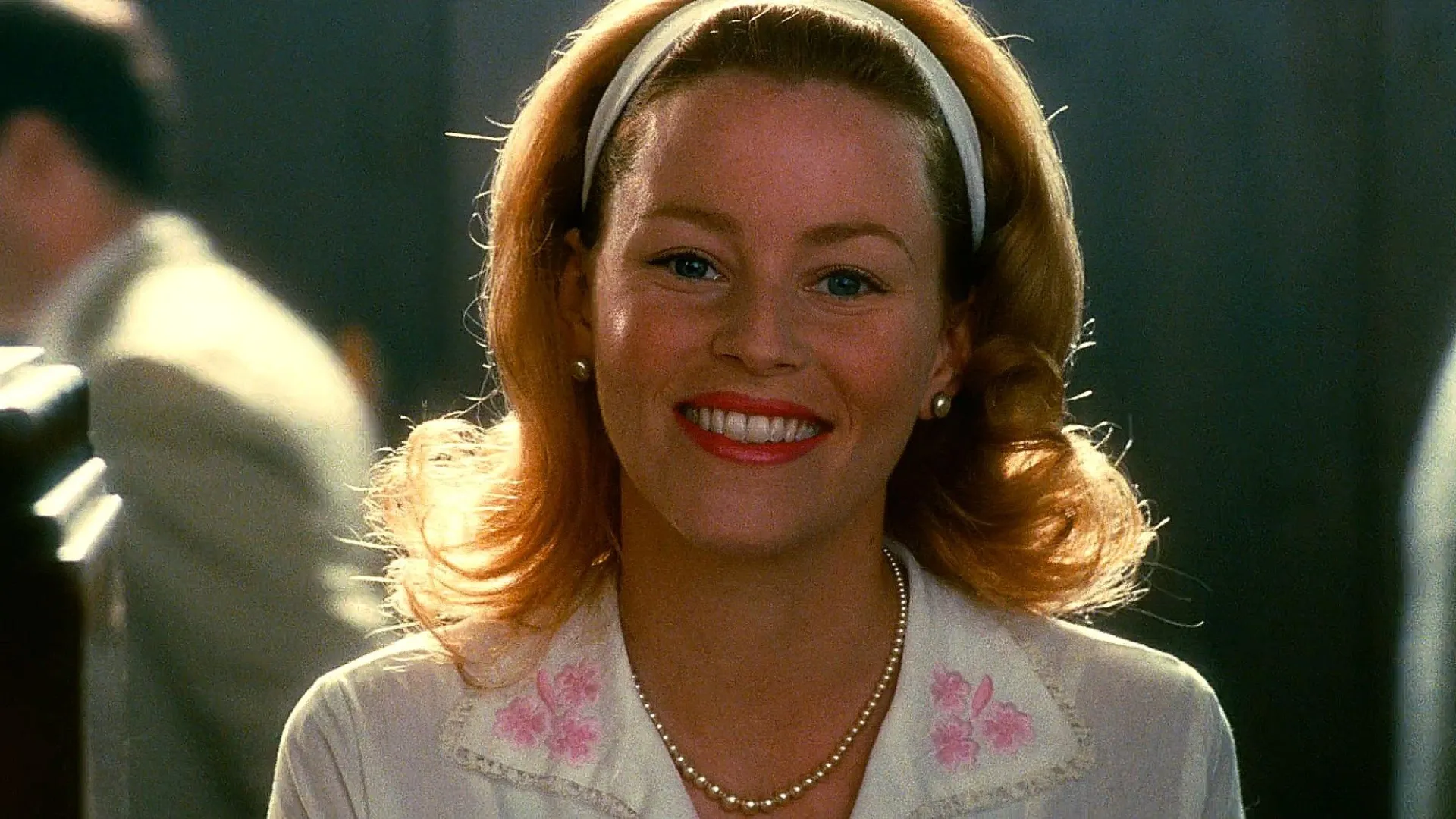
(Source: IMDb)
In Steven Spielberg’s Catch Me If You Can, Banks appeared as Lucy, a supporting but memorable member of a star-studded ensemble. Working alongside titans like Leonardo DiCaprio and Tom Hanks early in her career offered Banks exposure to high-end filmmaking dynamics and added a sleek period drama credit to a résumé already growing in breadth.
The Better Sister (2025)
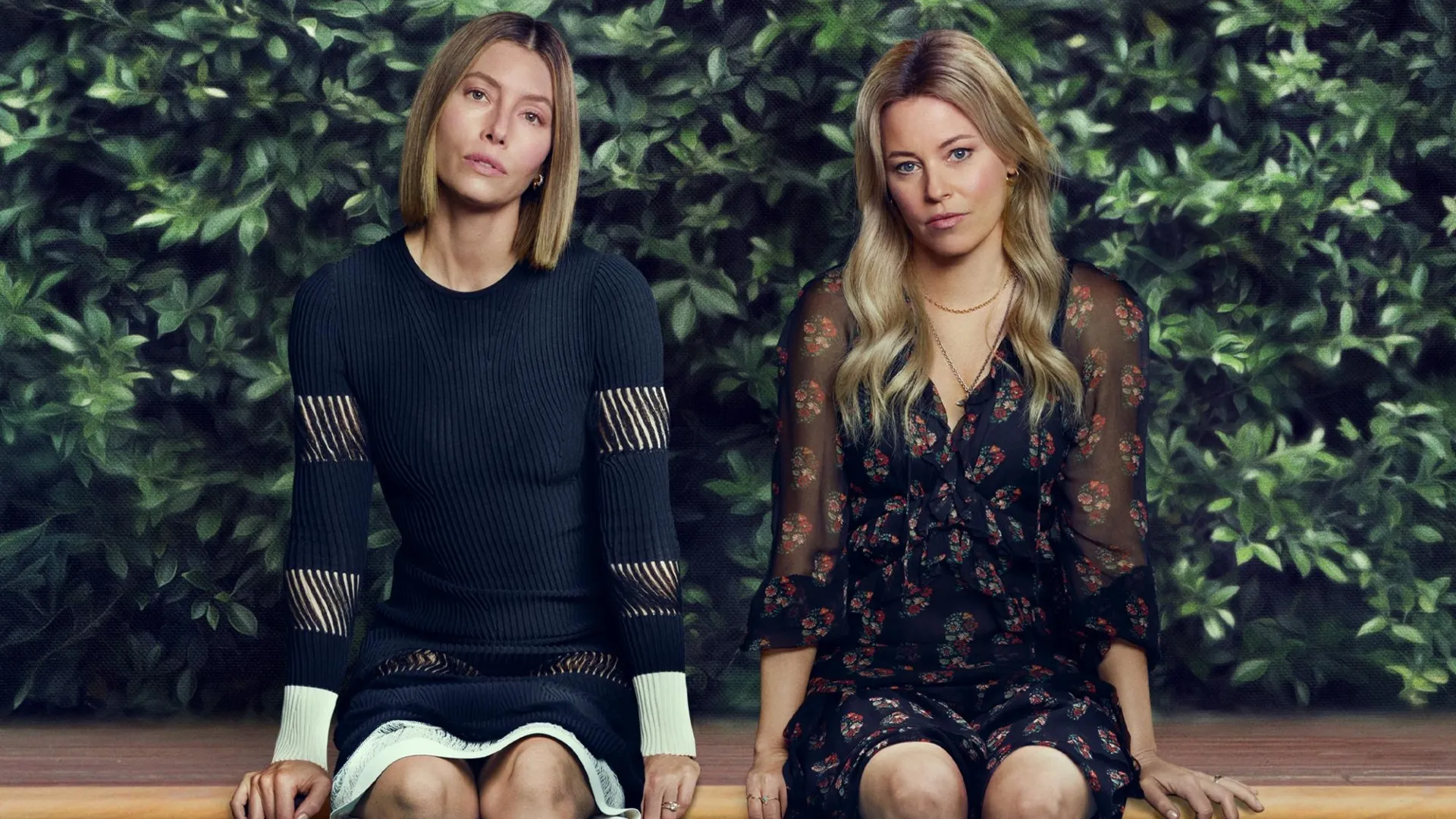
(Source: IMDb)
Branching into prestige television, Banks stars as Nicky Macintosh in the Amazon Prime thriller The Better Sister, which premiered in May 2025. The limited series places her in a gritty emotional landscape as one half of a fractured sibling duo drawn back together by a shocking crime, showcasing her ability to anchor complex character arcs and intense narrative drama.
Wet Hot American Summer: First Day of Camp (2015)
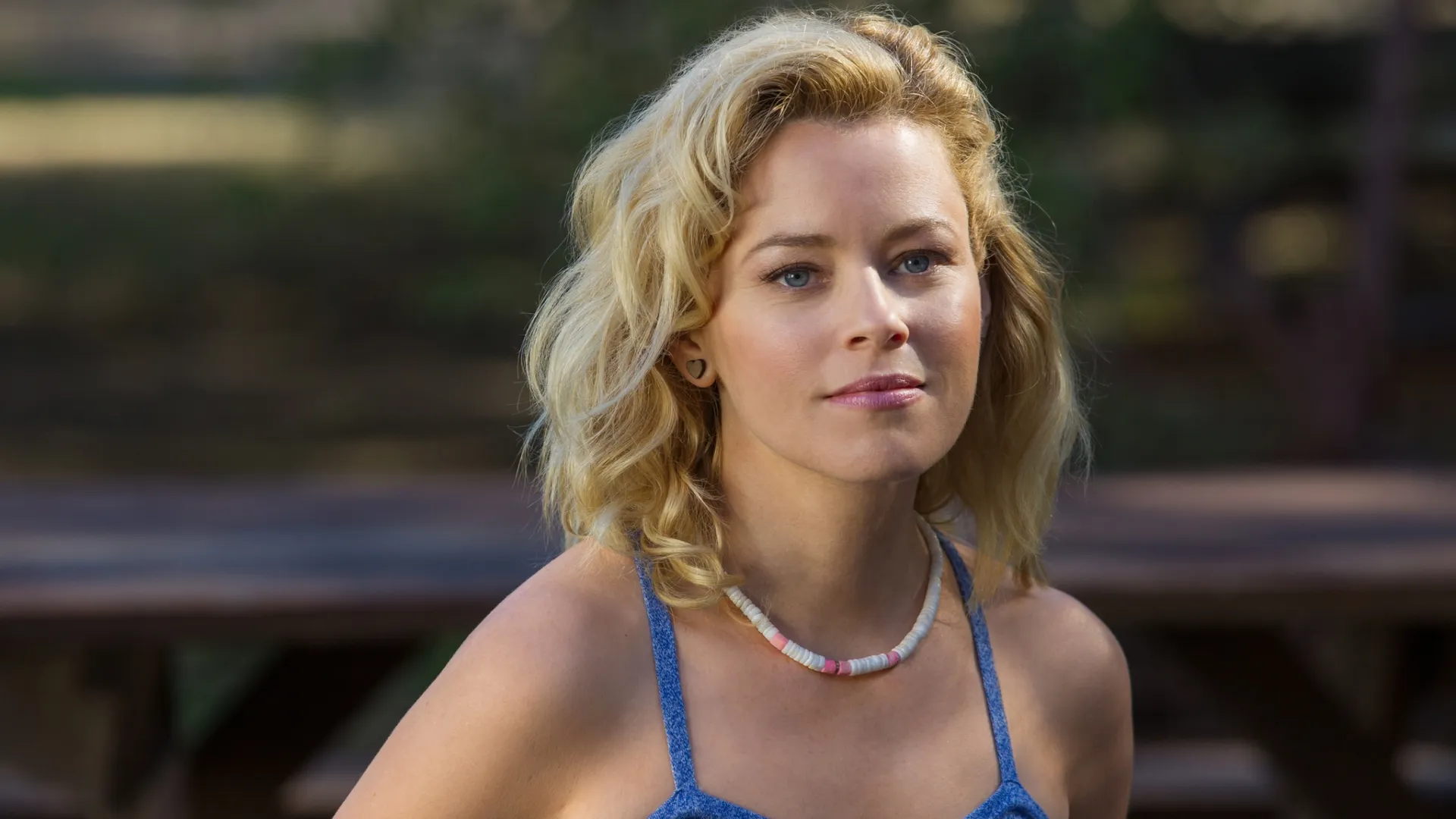
(Source: IMDb)
What began as a quirky ensemble comedy in Wet Hot American Summer (2001) quietly evolved into one of the most beloved cult phenomena of its generation. As Lindsay, Elizabeth Banks helped shape the film’s surreal humor and emotionally earnest parody of summer-camp stories.
Years later, the universe expanded with Netflix’s prequel series Wet Hot American Summer: First Day of Camp, allowing Banks to revisit the character with sharper comedic confidence and a deeper awareness of the story’s legacy. The return was more than nostalgia—it highlighted her lasting connection to projects that grow in cultural value over time.