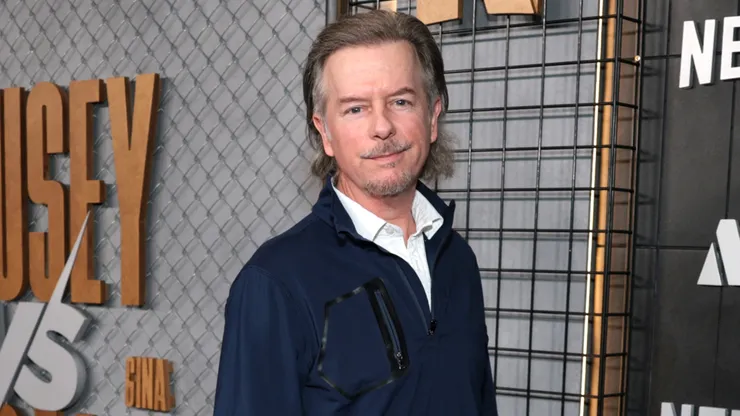
David Spade turns 62 with a career that has made him one of the most recognizable comedic personalities of his generation. He rose from the stand-up scene to become a breakout performer on Saturday Night Live in the 1990s, where his razor-sharp sarcasm and “Hollywood Minute” segments helped establish the dry, fast-paced style that would define much of his career.
He has built a legacy around a rare comedic identity: turning cynicism, timing and subtle reactions into lasting entertainment. Recognized by IMDb among comedy’s most notable figures, his journey reflects how a distinctive voice can remain influential across film, television and stand-up for more than three decades.
How Did David Spade Become a Comedy Icon in Hollywood?
David Spade became a comedy icon in Hollywood by turning his sarcastic delivery, quick timing and understated style into a recognizable brand that lasted more than three decades.
His breakthrough came in 1990 when he joined Saturday Night Live, where his sharp celebrity jokes and the popular “Hollywood Minute” segments established him as one of the show’s standout performers. His work as both a writer and cast member earned him multiple Emmy nominations and helped define his reputation as a master of dry humor.
Unlike many comedians who relied on exaggerated performances, he built his career around a more subtle approach: the sarcastic observer who could deliver a cutting joke with a simple expression or a perfectly timed pause.
That style made him a natural fit for the “straight man” role in comedy, most notably alongside his close friend and former SNL castmate Chris Farley in Tommy Boy (1995).
Their chemistry became one of the most remembered partnerships in 1990s comedy and helped elevate him from television performer to Hollywood leading man. Following his early success, Spade continued expanding his presence in television, earning critical recognition for his role as Dennis Finch on Just Shoot Me!.
His performance as the fast-talking, sarcastic assistant earned him a Primetime Emmy nomination for Outstanding Supporting Actor in a Comedy Series, proving that his comedic identity could thrive beyond sketch comedy and translate into a long-running sitcom format.
What Are David Spade’s Most Memorable Movies and TV Shows?
- Saturday Night Live (1990-1996)
Before becoming a Hollywood comedy staple, David Spade established himself as one of the standout performers of Saturday Night Live. Joining the NBC sketch series in 1990, Spade became known for his sarcastic personality, celebrity impressions and especially the “Hollywood Minute” segments, where his sharp commentary became one of the show’s signature features.
His time on SNL also placed him alongside a legendary generation of comedians, including Chris Farley, Adam Sandler and Chris Rock. The exposure helped transform Spade from a rising stand-up performer into a recognizable television personality and opened the door to his future success in movies.
- Tommy Boy (1995)
Few projects represent David Spade’s legacy more than Tommy Boy, the 1995 comedy starring alongside Chris Farley. In the film, Spade played Richard Hayden, the sarcastic and composed friend who balanced Farley’s unpredictable energy as Tommy Callahan.
The chemistry between Spade and Farley became one of the defining elements of 1990s comedy. While Farley delivered the physical humor, Spade’s dry reactions and perfectly timed insults created a memorable contrast that helped turn the movie into a cult classic.
- Just Shoot Me! (1997-2003)
After his success on Saturday Night Live, Spade found another defining role in television with NBC’s Just Shoot Me!. As Dennis Finch, a sarcastic assistant at a fashion magazine, he played a character that perfectly matched his comedic strengths: confidence, quick remarks and an exaggerated sense of self-importance.
The role earned Spade significant recognition, including a Primetime Emmy Award for Outstanding Supporting Actor in a Comedy Series in 1999. The series became one of the most successful sitcoms of the late 1990s and cemented his place as a major television comedy figure.
- The Emperor’s New Groove (2000)
David Spade reached a different generation of audiences with his voice performance as Emperor Kuzco in Disney’s animated film The Emperor’s New Groove. The character’s arrogant attitude, constant sarcasm and eventual transformation into a more sympathetic figure made him one of Disney’s most memorable animated protagonists.
The role was a natural extension of Spade’s comedic personality, allowing him to bring his trademark delivery to animation. Years after its release, the movie remains one of his most recognized performances.
- Joe Dirt (2001)
Joe Dirt became one of David Spade’s most recognizable solo projects. The film followed the story of an optimistic man searching for his missing parents, giving Spade the opportunity to move away from his usual sarcastic persona and play a more vulnerable character.
Although the movie received mixed reviews when it premiered, it developed a strong cult following over the years. The character’s strange combination of confidence, innocence and determination helped make Joe Dirt one of Spade’s most remembered roles.
- Rules of Engagement (2007-2013)
Following the success of Just Shoot Me!, David Spade returned to network television with Rules of Engagement, a CBS sitcom that gave him another long-running role during the peak of his television career. In the series, Spade played Russell Dunbar, a wealthy bachelor whose confidence, sarcasm and questionable dating advice became a major source of the show’s humor.
The series lasted seven seasons, allowing Spade to continue exploring the type of character that had become his trademark: a charming but self-centered personality who often delivered the funniest lines in the room. His performance reinforced his reputation as one of the most reliable comedic actors on television.
- Grown Ups (2010) and Grown Ups 2 (2013)
David Spade became part of one of the biggest comedy ensembles of the 2010s with Grown Ups and its sequel, starring alongside Adam Sandler, Kevin James, Chris Rock and Rob Schneider. In both films, Spade played Marcus Higgins, a sarcastic and carefree member of a group of childhood friends who reunite as adults.
The movies represented another important stage of Spade’s career because they connected him with a younger generation of comedy audiences while reuniting him with several longtime collaborators. His chemistry with Sandler and the ensemble cast helped make the franchise one of the most recognizable comedy projects of that era.
- The Benchwarmers (2006)
The Benchwarmers brought David Spade together with Rob Schneider and Jon Heder in a sports comedy centered around three adults who form a baseball team to compete against younger players. Spade played Richie Goodman, one of the unlikely heroes attempting to overcome years of being overlooked.
While the film received mixed reactions from critics, it became a recognizable title among fans of mid-2000s studio comedies. The movie also represented Spade’s ability to fit naturally into ensemble productions, using his familiar sarcastic personality while balancing the energy of his co-stars.
- Lights Out with David Spade (2019-2020)
After decades as an actor, David Spade explored a different format with Lights Out with David Spade, a Comedy Central late-night series that combined celebrity interviews, comedy commentary and his trademark observational humor. The show allowed him to return to the conversational style that had always been part of his comedic identity.
Although the program had a short run, it showed Spade’s versatility beyond scripted roles. Instead of relying on a fictional character, he placed his own personality at the center of the project, proving that his humor could still translate into a modern entertainment landscape.
- The Netflix Afterparty (2021)
With The Netflix Afterparty, David Spade entered another stage of his career by becoming a host and interviewer in the streaming era. The show mixed celebrity conversations with comedy segments, allowing Spade to use the quick wit and improvisational skills that had defined his work since his Saturday Night Live days.
The project reflected how Spade remained connected to comedy despite changing formats in Hollywood. From network television to streaming platforms, his career has consistently evolved while maintaining the sarcastic, conversational style that made him recognizable.