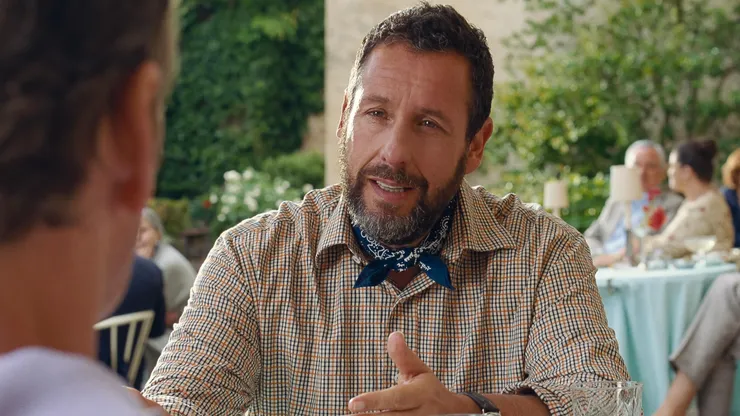
For decades, Adam Sandler built one of Hollywood’s most reliable careers on broad comedy, box office instincts, and a fiercely loyal creative circle. Yet every so often, he steps outside that familiar rhythm and surprises with performances that hint at a deeper dramatic register.
“Jay Kelly” appears to be the latest and boldest of those pivots — a project that places him in unfamiliar emotional territory and alongside one of the industry’s most enduring icons, George Clooney. The pairing of the actors signals a collision of two very different screen legacies: one shaped by offbeat humor and cult followings, the other by classic Hollywood gravitas.
Adam Sandler’s Quiet Return to Serious Awards Territory
For much of his career, Adam Sandler has existed in two parallel Hollywood realities: the blockbuster comedy machine and the rare dramatic actor who resurfaces just often enough to remind audiences of his range. Jay Kelly places him firmly back in that second lane with his rol of Ron Sukenick.
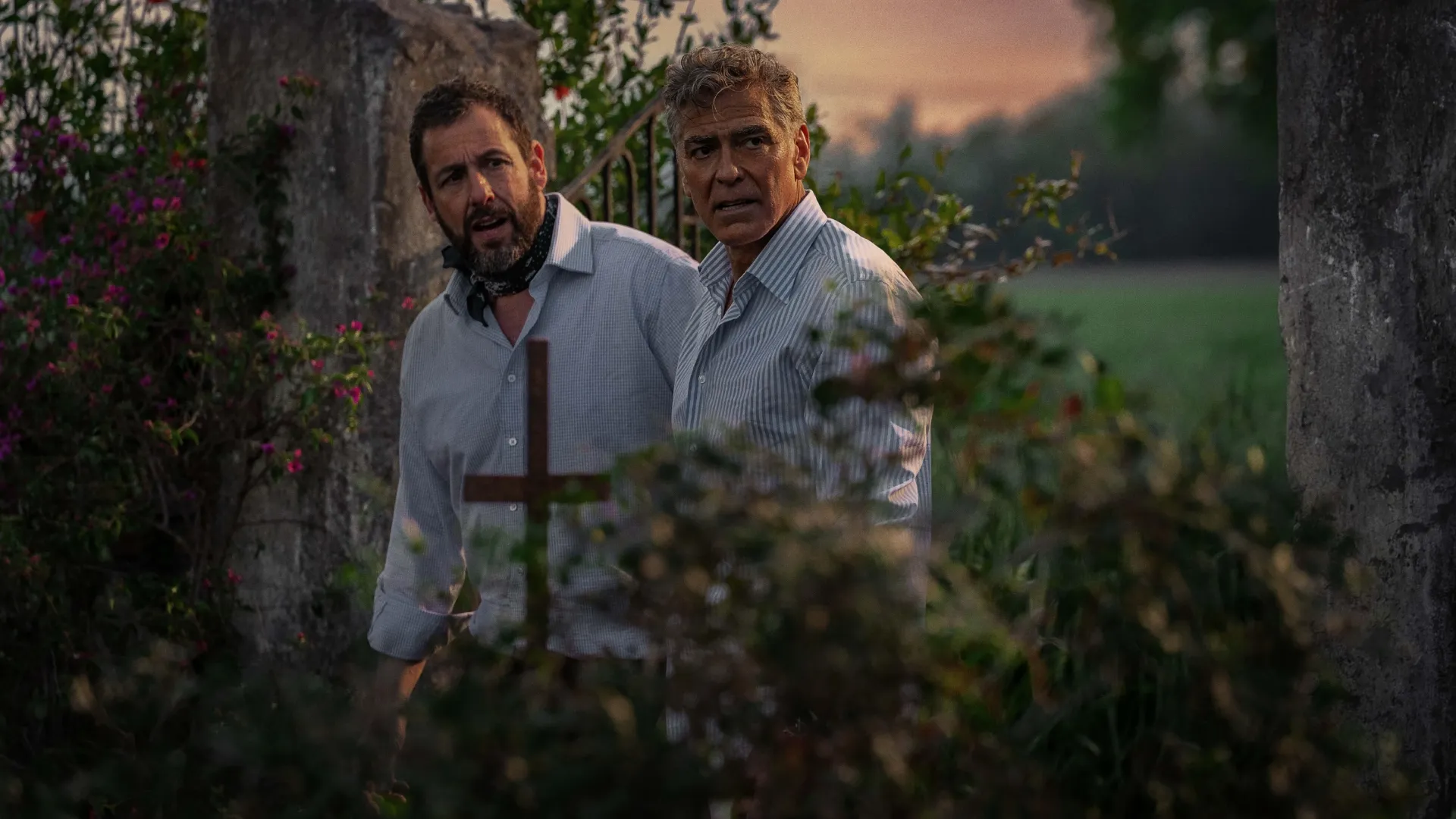
(Source: IMDb)
This time, however, the circumstances feel different. The film’s prestige packaging, critical framing, and strategic release point directly toward serious awards consideration rather than cult admiration.
Unlike previous dramatic turns that arrived as surprises, Jay Kelly enters the season already coded as an Oscar-caliber project. Sandler’s presence is no longer framed as a novelty but as a deliberate casting choice designed to unlock emotional credibility.
A Performance Built on Restraint, Not Reinvention
In Jay Kelly, Sandler reportedly avoids the emotional rupture that marked his performances in Uncut Gems or Punch-Drunk Love. Instead, his work here is defined by control. Playing a man tethered to the orbit of Clooney’s fading movie star, Sandler leans into weariness, loyalty, and unspoken frustration rather than volatility.
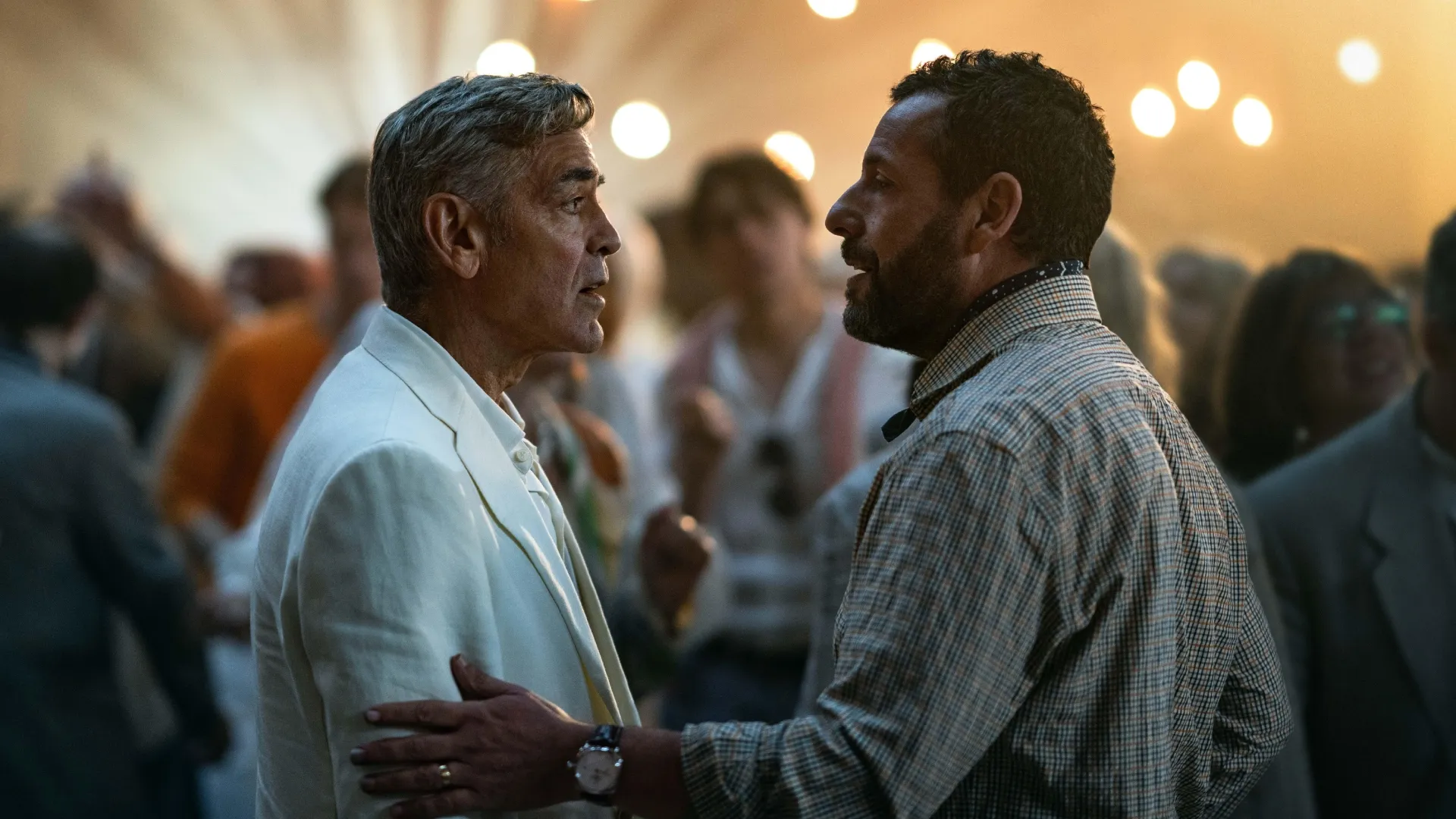
(Source: IMDb)
This quieter register aligns closely with the type of performances the Academy often gravitates toward in the supporting categories — emotionally precise, morally layered, and structurally essential to the film without dominating it. Industry observers have noted that this subtlety, rather than transformation, may be the performance’s greatest strength.
Why This Role Feels Different for His Oscar Chances
Sandler has flirted with awards attention before, but his campaigns have often struggled against the weight of his comedic brand. Jay Kelly alters that equation. For the first time in years, the entire ecosystem surrounding his performance — director, co-star, distributor, and release strategy — actively supports a traditional Oscar run.
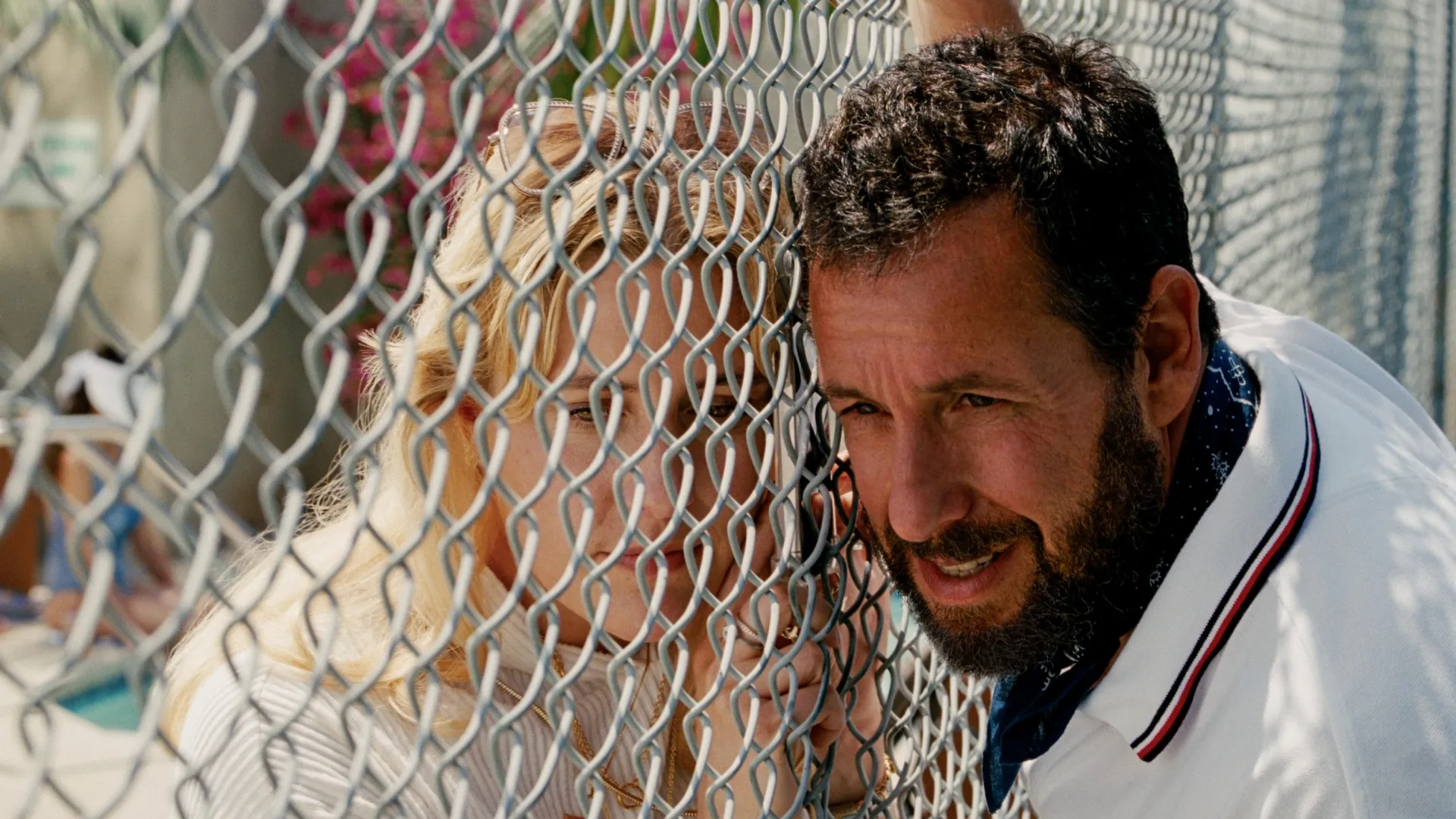
(Source: IMDb)
More importantly, the role itself avoids irony. There is no genre embracing to soften the drama, no tonal safety net. The character’s emotional limits, quiet disappointments, and unresolved tensions unfold without comic relief.
That level of seriousness signals to voters that this is not a side project, but a performance intended to stand on equal footing with the season’s most muscular dramatic work.