In Hollywood lore, a box office bomb can feel like a full stop on a career, but for some stars it has become a comma—an unexpected pause before reinvention. From the ashes of Gigli and Green Lantern to flops like All About Steve and Monkeybone, even established names have seen their momentum stall in very public ways.
Some career arcs reveal something deeper about Hollywood’s rhythms: sometimes the most memorable turns come not from smooth rises, but from deliberate reinventions. What begins as a commercial disappointment can become fertile ground for artistic rebirth—reshaping not just careers, but how we think about failure itself.
Ben Affleck — Turning a Career Low Point Into Creative Control
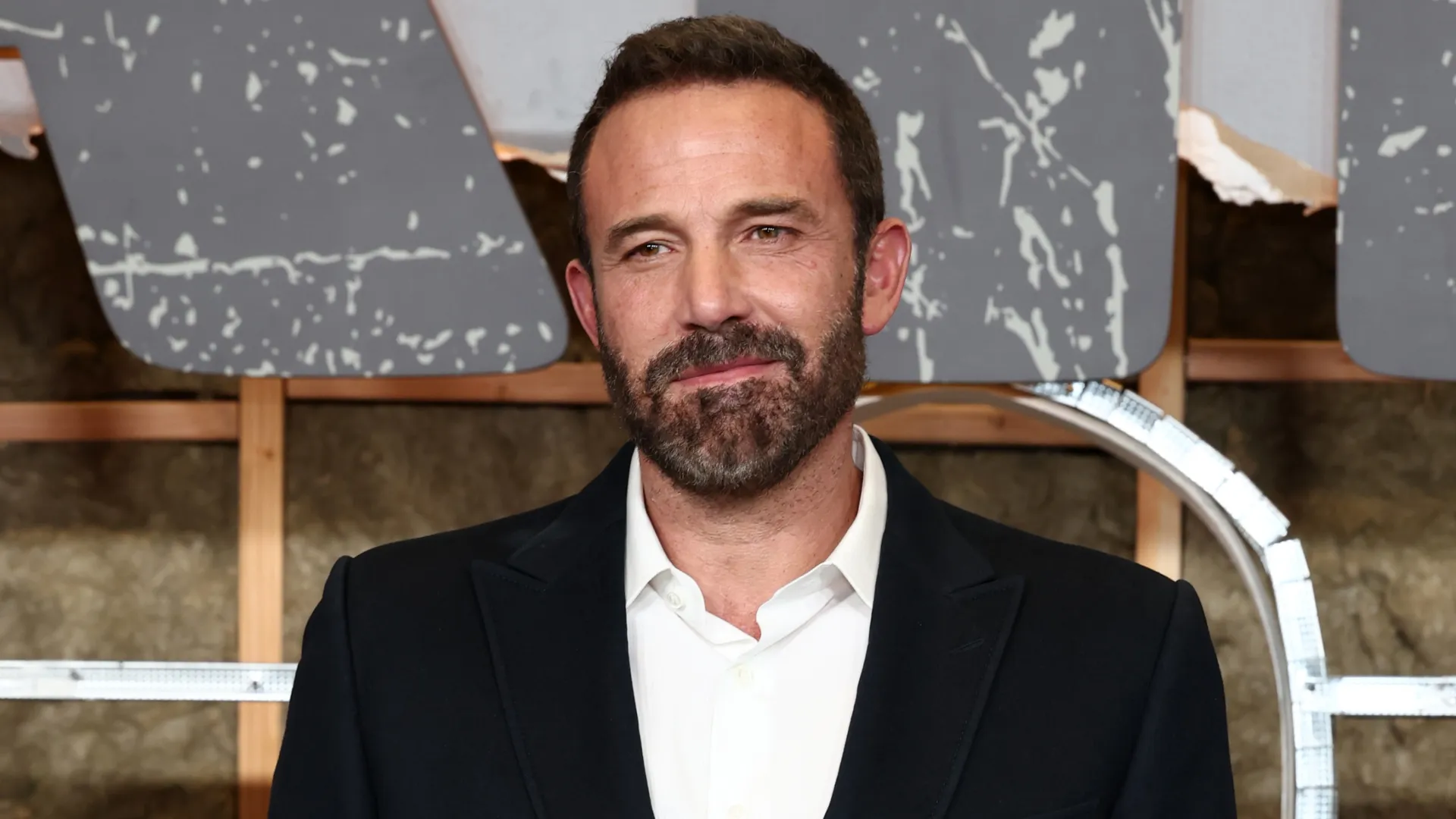
(Source: Cindy Ord/Getty Images)
Few Hollywood collapses were as public as Ben Affleck’s fall in the early 2000s. After early acclaim, a run of box office failures — most notably Gigli (2003) and Daredevil (2003) — turned him into a punchline and stalled his leading-man status. The commercial disappointment wasn’t just financial; it reshaped how studios viewed his reliability.
Affleck’s reinvention came when he stepped away from being the face of a movie and moved behind the camera. Gone Baby Gone (2007) marked his directorial debut and signaled a shift toward grounded, character-driven storytelling. That pivot culminated in Argo (2012), a critical and commercial success that won the Academy Award for Best Picture and redefined Affleck not as a movie star, but as a filmmaker with authority and vision.
Brendan Fraser — A Long Silence, Then a Full Reclamation
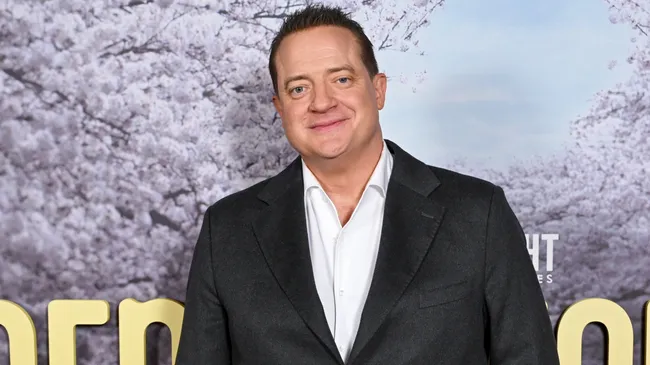
(Source:Jeff Spicer/Getty Images for The Walt Disney Company Limited)
Brendan Fraser’s career decline was gradual but unmistakable. After dominating late-1990s box offices, a string of underperforming films — including Dudley Do-Right (1999) and Monkeybone (2001) — coincided with personal struggles and health issues that quietly removed him from Hollywood’s leading roles.
His comeback wasn’t immediate or flashy. Fraser rebuilt his reputation through smaller, emotionally demanding projects, culminating in The Whale (2022). The performance reframed him not as a nostalgic star, but as a serious dramatic actor. Winning the Academy Award for Best Actor turned what once looked like a career fade-out into one of the most complete reinventions in recent Hollywood history.
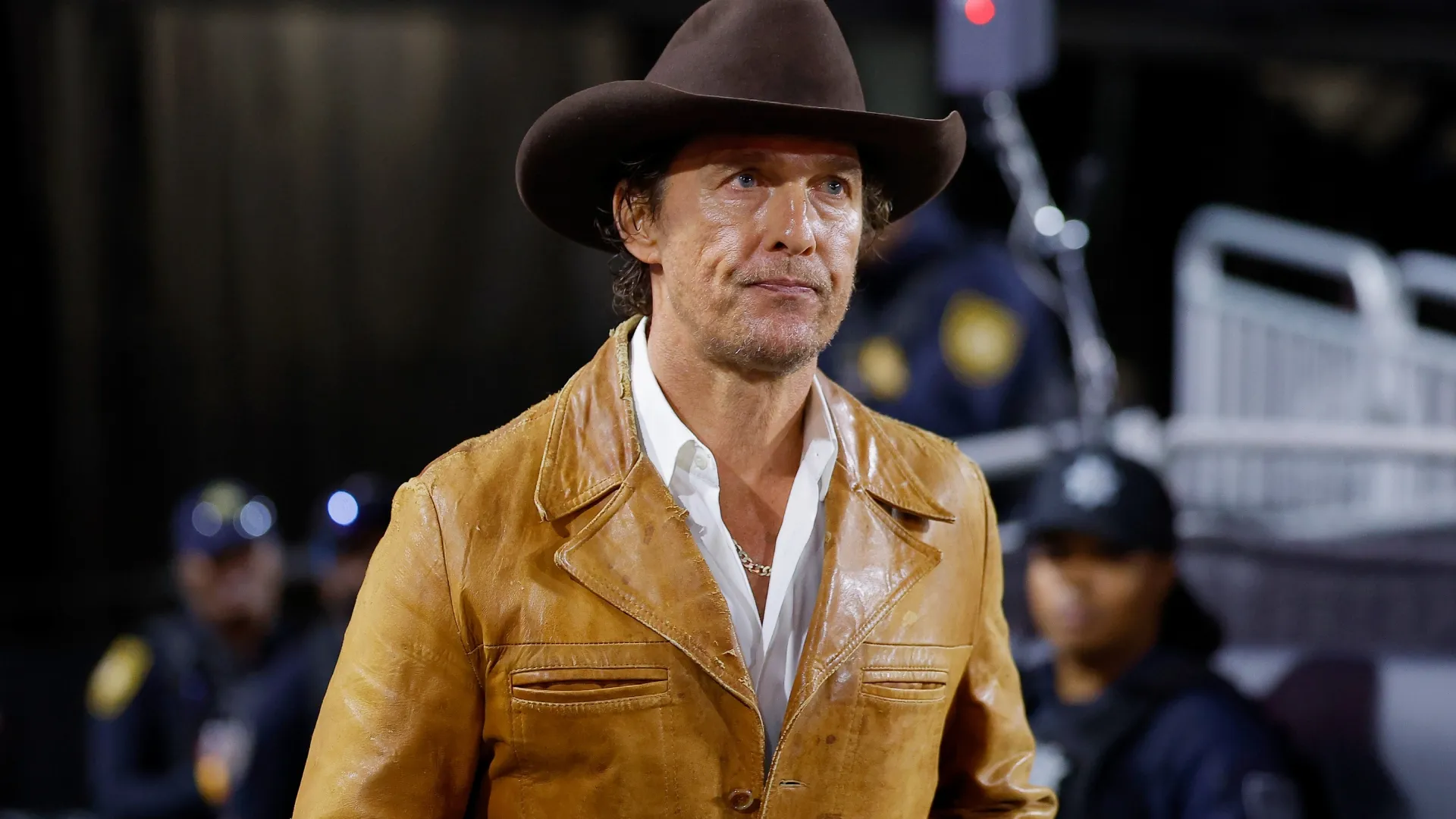
Matthew McConaughey — Escaping the Trap of Commercial Failure
(Source: Todd Kirkland/Getty Images)
By the late 2000s, Matthew McConaughey was stuck in a cycle of romantic comedies and commercial disappointments. Films like Sahara (2005) failed to justify blockbuster ambitions, while repeated box office underperformance narrowed how he was cast and perceived.
Rather than chasing another hit, McConaughey paused his career and reassessed it. His return was deliberate and dramatic: The Lincoln Lawyer, Killer Joe, Mud, and eventually Dallas Buyers Club, which earned him an Academy Award. The transformation — later dubbed the “McConaissance” — wasn’t just about better scripts, but about rejecting safe choices in favor of risk and reinvention.
Halle Berry — Recovering From One of Hollywood’s Most Notorious Flops

(Source: David Dee Delgado/Getty Images for The New York Times)
After becoming the first Black woman to win the Academy Award for Best Actress, Halle Berry’s career took a sharp hit with Catwoman (2004). The film’s commercial and critical failure became a defining moment, overshadowing her previous success and raising questions about her post-Oscar trajectory.
Berry responded not by chasing prestige immediately, but by broadening her range. Ensemble films like Cloud Atlas, action roles in the X-Men franchise, and later appearances in John Wick: Chapter 3 repositioned her as a versatile performer rather than a one-film narrative. Her career recovery was gradual, but it demonstrated resilience in an industry quick to reduce actors to their worst misstep.
Robert Downey Jr. — From Career Collapse to Franchise Cornerstone

(Source: Emma McIntyre/Getty Images)
Robert Downey Jr.’s story is less about one box office flop and more about a complete professional collapse. By the early 2000s, legal issues and unreliable production histories had pushed him out of major studio consideration, regardless of talent.
The turning point came with Iron Man (2008), a risky casting decision that paid off spectacularly. Downey’s portrayal of Tony Stark didn’t just revive his career; it made him the centerpiece of the most successful film franchise in modern history. His reinvention stands as proof that in Hollywood, redemption can be as marketable as talent when timing and opportunity align.
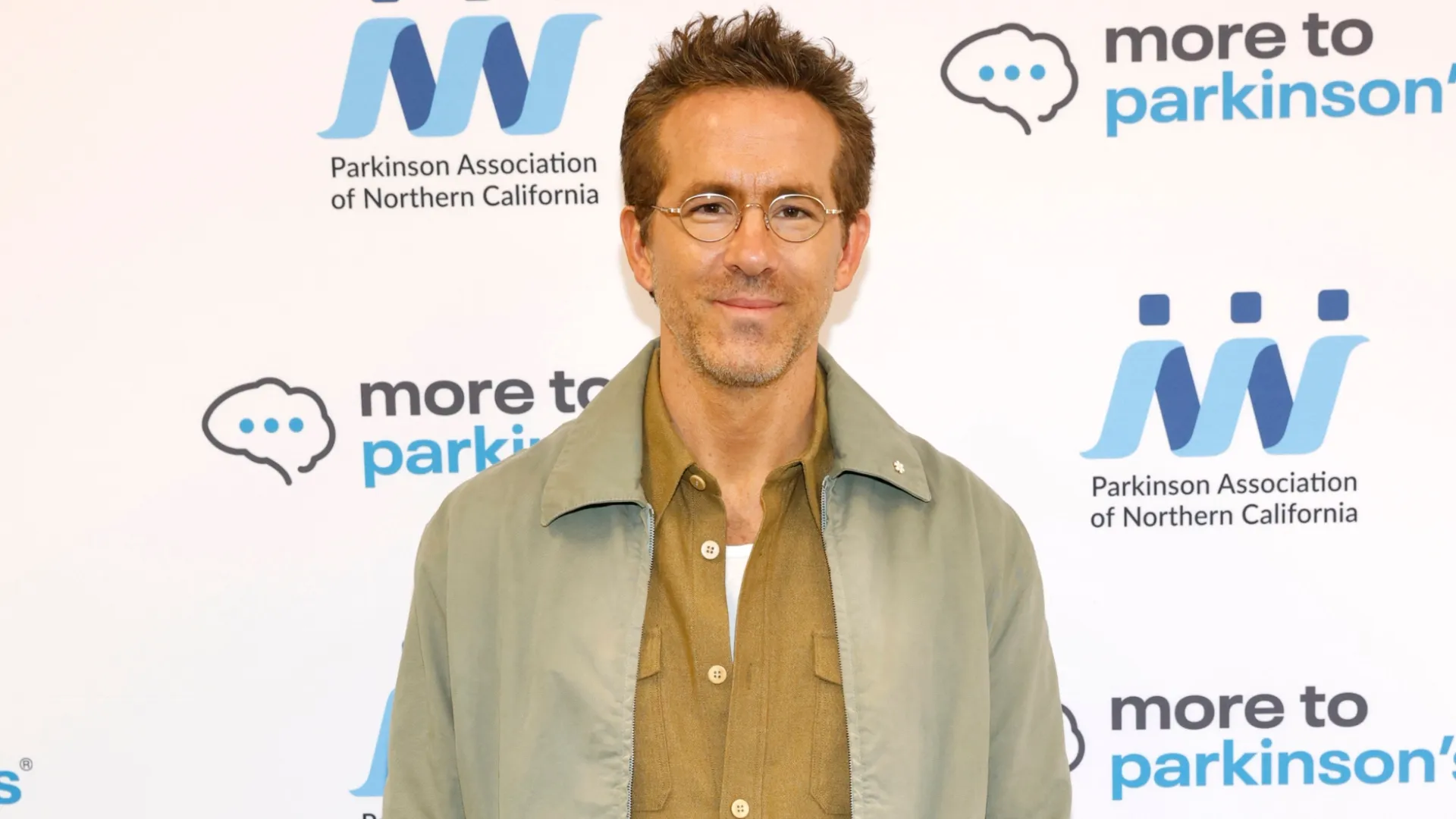
Ryan Reynolds — Learning From a Franchise Failure
(Source: Kimberly White/Getty Images for Acadia Pharmaceuticals)
Before becoming one of Hollywood’s most reliable box office draws, Ryan Reynolds endured a defining setback with Green Lantern (2011). The film’s poor reception and underwhelming performance stalled his momentum as a potential franchise star and exposed the risks of studio-driven casting.
Reynolds responded by reclaiming creative control. Years later, Deadpool arrived as both a commercial hit and a meta-commentary on superhero fatigue, openly acknowledging past failures. The result was a reinvention built on self-awareness, humor, and ownership—turning a career stumble into a long-term brand.
Jennifer Aniston — Escaping the Post-Sitcom Slump

(Source: Monica Schipper/Getty Images)
Following the end of Friends, Jennifer Aniston struggled to translate television fame into consistent box office success. Films like Rumor Has It and Love Happens underperformed, reinforcing skepticism about her viability as a film lead beyond romantic comedy formulas.
Her reinvention came through selective risk. Independent projects like Cake and dramatic television work on The Morning Show reframed her public image, positioning Aniston as a mature dramatic performer capable of carrying prestige material. The shift extended her relevance far beyond her sitcom origins.
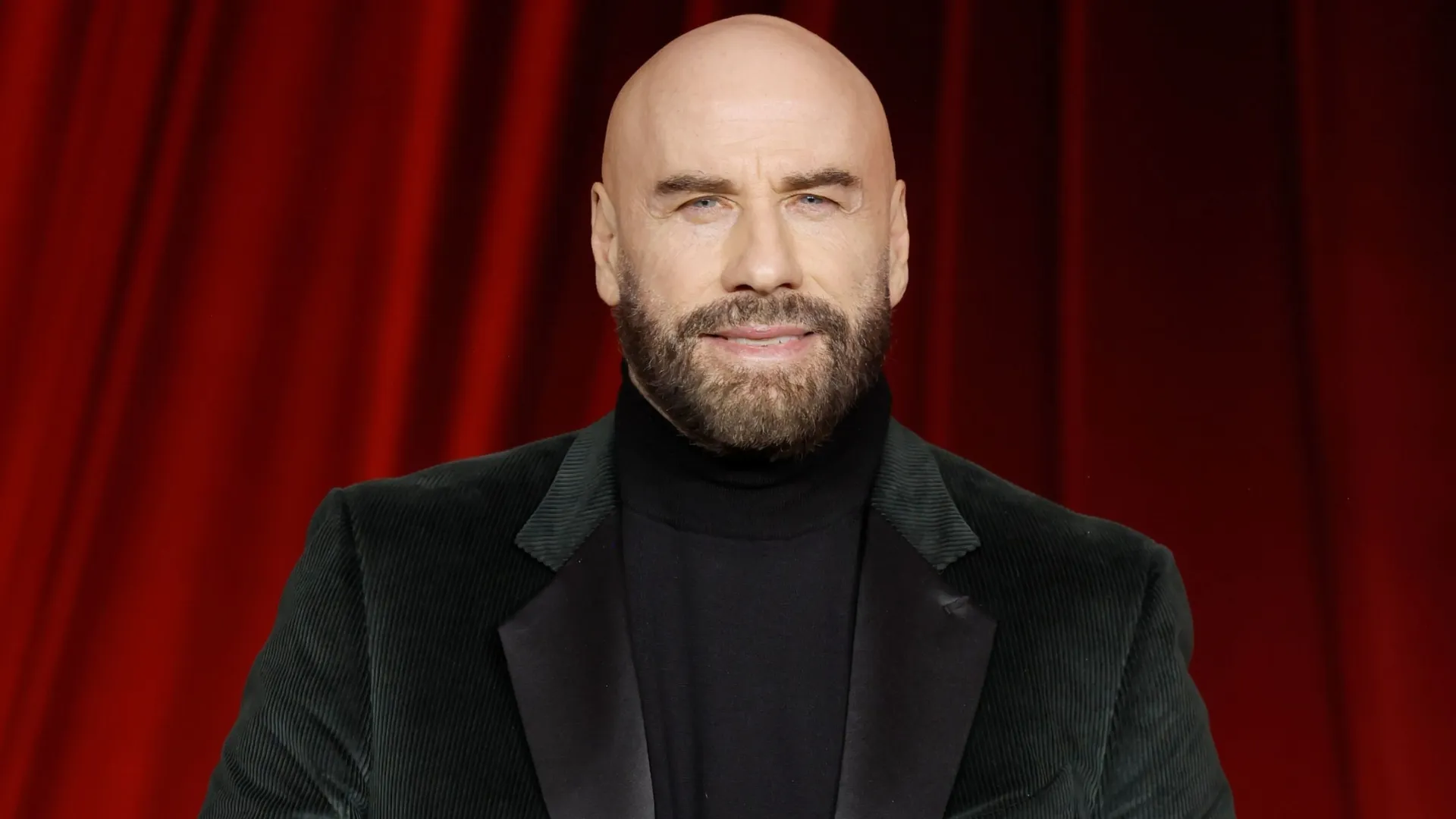
John Travolta — A Career Resurrected by One Role
(Source: Emma McIntyre/Getty Images for Academy Museum of Motion Pictures)
By the late 1980s, John Travolta’s career appeared effectively over. A string of box office disappointments, including Perfect and Staying Alive, relegated him to forgotten-star status after early fame.
Everything changed with Pulp Fiction (1994). Quentin Tarantino’s casting decision didn’t just revive Travolta—it reinvented him as a cool, unpredictable character actor. The comeback led to a decade of renewed success and stands as one of the most dramatic career reversals in film history.
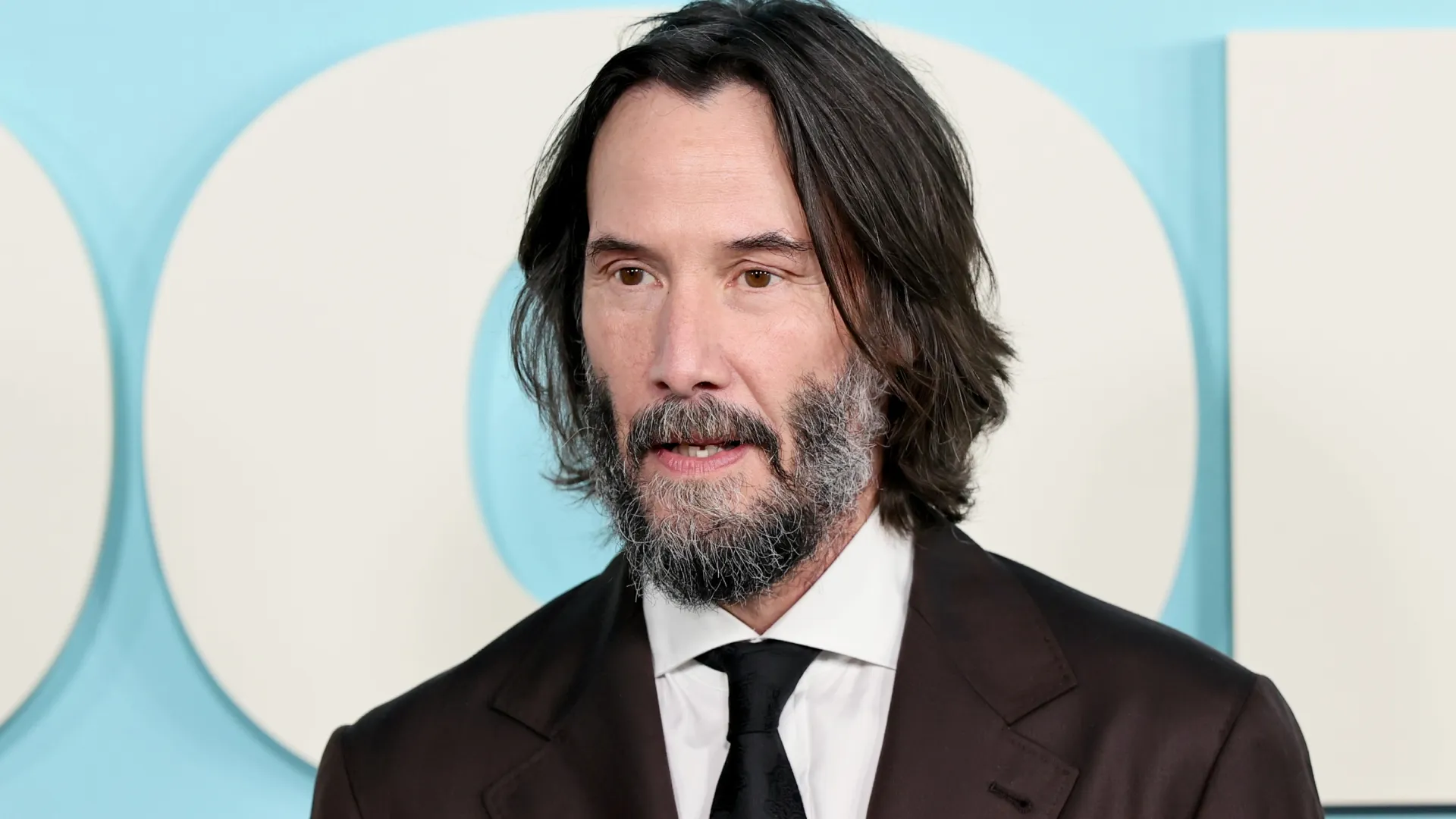
Keanu Reeves — Redefining Stardom After Box Office Misfires
(Source: Theo Wargo/Getty Images)
Keanu Reeves experienced a significant downturn in the late 1990s, with films like Johnny Mnemonic and Chain Reaction failing to meet expectations. Critics questioned his range, and studios cooled on his leading-man potential.
Reeves’ reinvention arrived through physical commitment and myth-building franchises. The Matrix reshaped his career, but it was later solidified by John Wick, which reintroduced him as a disciplined, minimalist action icon. His resurgence was rooted in consistency and reinvention rather than reinvention through spectacle.
Nicole Kidman — Reinventing Through Artistic Risk

(Source: Pascal Le Segretain/Getty Images)
Despite early acclaim, Nicole Kidman’s career faced commercial setbacks following high-profile projects like The Golden Compass, which failed to launch a franchise despite major investment. The disappointment pushed her away from traditional blockbuster paths.
Kidman pivoted toward auteur-driven projects and television, embracing challenging roles in The Hours, Big Little Lies, and The Northman. Her reinvention wasn’t about box office redemption, but about redefining success through artistic authority and longevity.