MTV began broadcasting in 1981 with a single, declarative promise: Video Killed the Radio Star. What followed was not just a television network, but a cultural engine that reshaped how music was consumed, how artists were made, and how youth culture spoke to itself.
From wall-to-wall music videos to reality television that blurred fame and everyday life, MTV became a mirror of its generation and, at times, its loudest megaphone. As news of shutting down marks the end of an era, its legacy stretches far beyond playlists and countdowns.
The channel launched global superstars, set visual trends that spilled into fashion and film, and captured cultural shifts in real time—from the raw energy of TRL to the provocations of The Real World. What remains is a catalog of moments that didn’t just reflect pop culture, but actively defined it.
“Video Killed the Radio Star” Launches MTV (1981)

When MTV went on air on August 1, 1981, it didn’t simply debut a new cable channel — it introduced a new cultural language. The choice of Video Killed the Radio Star as the first video was both ironic and prophetic, signaling a shift in how music would be marketed, consumed, and remembered. Artists were no longer just voices; they became visual identities. MTV turned image into currency and permanently altered the music industry’s power structure.
Michael Jackson’s Thriller Breaks Every Barrier (1983)
Thriller wasn’t just a hit — it was a cultural earthquake. At a time when MTV was criticized for its limited rotation of Black artists, Michael Jackson’s dominance forced the network to confront its own boundaries. The 14-minute short film elevated music videos into cinematic events, blending choreography, storytelling, and horror aesthetics. MTV became the global amplifier that turned Jackson into the most recognizable artist on the planet.
MTV Unplugged Redefines Authenticity

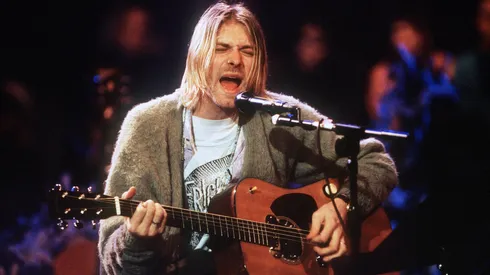
With MTV Unplugged, the network shifted from spectacle to intimacy. Artists stripped away production, costumes, and effects, leaving only voice, lyrics, and vulnerability. Nirvana’s 1993 performance — recorded months before Kurt Cobain’s death — became a cultural artifact, reframing the band not as grunge rebels but as deeply emotional storytellers. The format proved MTV could slow down and still resonate deeply.
TRL and the Birth of Fan Power
Total Request Live turned fandom into a visible force. Airing live from Times Square, the show allowed audiences to vote videos up or down daily, effectively crowning pop royalty in real time. Britney Spears, NSYNC, Eminem, and countless others used TRL as a launchpad. MTV didn’t just reflect youth culture here — it handed the microphone directly to it.
Madonna and the Art of Provocation
Madonna understood MTV better than any artist of her era. She used the channel not just to release music, but to challenge taboos around se*uality, religion and gender expression. Performances like Like a Virgin at the VMAs blurred the line between art and controversy, turning MTV into a battleground for cultural conversation and pushing pop music into openly political territory.
The Real World Changes Television Forever (1992)
When The Real World premiered, it quietly invented modern reality TV. The show’s unscripted exploration of race, sexuality, addiction, and conflict felt radical at the time. MTV demonstrated that authenticity — messy, uncomfortable, unresolved — could captivate audiences. Nearly every reality format that followed owes a debt to this experiment.
Grunge Takes Over: Nirvana and the Early ’90s Shift
The heavy rotation of Smells Like Teen Spirit marked a turning point. Glossy ’80s pop gave way to distortion, flannel, and disillusionment. MTV became the visual archive of a generational mood swing, documenting a youth culture that felt disconnected from excess and more aligned with emotional rawness.
The VMAs Become Cultural Theater
MTV’s Video Music Awards evolved into something larger than an awards show. They became a live performance of pop culture itself — unpredictable, controversial, and headline-driven. From shocking kisses to politically charged speeches, the VMAs often overshadowed the music they were meant to celebrate, reinforcing MTV’s role as pop culture’s most volatile stage.
A Final Cue: Saying Goodbye With “Bye Bye Bye”
When the end finally came, MTV chose symbolism over spectacle. The network signed off by airing “Bye Bye Bye” by *NSYNC — a pop anthem born at the height of its influence and inseparable from the era MTV helped create.
The choice felt deliberate: playful on the surface, loaded beneath it. A farewell wrapped in irony, nostalgia, and self-awareness, echoing a channel that always understood the power of music paired with moment.
As the final notes faded, the gesture underscored what MTV had always done best — turning songs into statements and videos into cultural punctuation marks. Ending with “Bye Bye Bye” wasn’t just a goodbye; it was a reminder that MTV spoke fluently in symbols, even as the screen went dark for the last time.