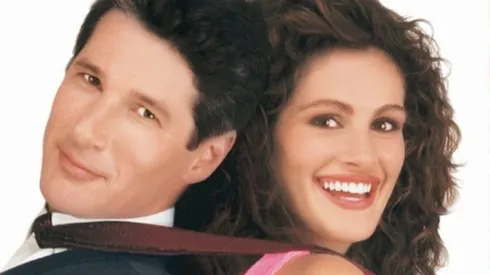
On March 23, 1990, Julia Roberts walked off Hollywood Boulevard and into cinematic history. As the film celebrates its 36th anniversary today, we look at why the “modern-day fairy tale” remains the ultimate romantic comedy blueprint.
For fans of polka dots, opera capes, and strategic shopping sprees, it is a day of major celebration. Exactly 36 years ago, on March 23, 1990, Pretty Woman opened in theaters, instantly transforming Julia Roberts from a rising star into “America’s Sweetheart.” While the world of 2026 looks vastly different from the neon-lit 90s, the chemistry between Vivian Ward and Edward Lewis remains the gold standard for romantic tension on the silver screen.

The Day the Cinderella Story Got a Neon Glow-Up
When Pretty Woman premiered in 1990, it wasn’t just a movie; it was a cultural reset. Garry Marshall’s direction took a premise that was originally written as a dark, gritty cautionary tale (titled 3000) and polished it into a sparkling, R-rated fairy tale. It grossed a staggering $463 million worldwide—an unheard-of amount for a rom-com at the time—and earned Julia Roberts her second Oscar nomination, solidifying her status as the most bankable actress of the decade.
Julia Roberts Reflects on the Legacy in 2026
In a brand-new retrospective interview with Deadline this week, Julia Roberts addressed the film’s enduring legacy. While she admitted she likely wouldn’t film a movie with that specific premise today, citing the shift in cultural sensibilities, she spoke warmly of the “lightning in a bottle” experience on set. “Vivian changed my life,” Roberts noted, while also acknowledging the late Garry Marshall’s “generosity of spirit” as the reason the film feels like a warm hug 36 years later.
The “Big Mistake” Shopping Montage: Why It Still Hits
Perhaps no scene in cinematic history is more satisfying than Vivian returning to Rodeo Drive, dripping in Chanel, to tell the snobbish saleswomen they made a “big mistake.” In 2026, this scene has found a second life on social media as the ultimate “main character energy” anthem. It represents the universal fantasy of being underestimated and coming out on top—a theme that ensures the movie stays relevant for every new generation of viewers.
Richard Gere: The Piano Scene Was No Illusion
One of the most shared facts on this 36th anniversary is that Richard Gere didn’t just play a suave businessman; he played the music, too. The famous scene where Edward plays a moody piece on the hotel’s grand piano was entirely unscripted—Gere actually composed the music himself and performed it live. It’s these authentic, unplanned moments between Gere and Roberts that created the “jet stream” of chemistry that modern romantic comedies have been trying to replicate for over three decades.
The Red Dress and the Snap: A Happy Accident
The most iconic visual of the film—Vivian in the floor-length red silk gown—was nearly very different. The studio originally pushed for the dress to be black, but costume designer Marilyn Vance fought for the crimson shade that would go on to define the film’s marketing. Even the legendary moment where Edward snaps the jewelry box shut on Vivian’s fingers was a prank Richard Gere pulled to make a sick Julia Roberts laugh; her genuine, exploding laughter was so perfect that Marshall kept it in the final cut.