As December 31 arrives, cinema has long served as both soundtrack and mirror to the night’s shifting moods. Over the decades, certain films have become inseparable from New Year’s Eve, capturing themes of reflection, anticipation and the quiet thrill of beginnings yet to be written. Their stories move between celebration and solitude, offering moments that resonate long after the countdown fades.
From sweeping romances to sharp comedies and urban tales set against ticking clocks, these movies have earned their place in end-of-year tradition. Whether anchored in the chaos of midnight parties or the stillness that follows, each selection reflects a different way of closing a chapter and setting the tone for what comes next.
When Harry Met Sally (1989)

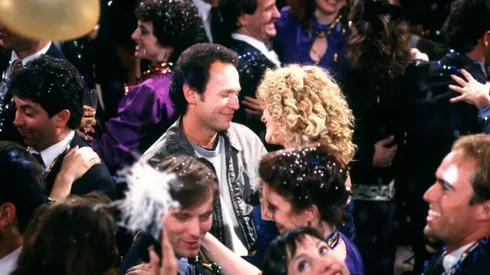
Few films have managed to intertwine romance and New Year’s Eve as seamlessly as this modern classic. Nora Ephron’s sharp dialogue turns the holiday into a symbolic finish line, where years of near-misses and emotional detours finally converge. The midnight scene isn’t just memorable—it reframes the entire story, suggesting that the end of the year can also be the beginning of clarity, honesty, and long-delayed courage.
The Apartment (1960)
Billy Wilder places New Year’s Eve at the heart of the story’s moral turning point. The celebration outside contrasts sharply with the emotional crisis unfolding indoors, emphasizing loneliness amid noise. As the year ends, the characters are forced to confront the cost of ambition and complicity, making the holiday a catalyst for personal reckoning.
About Time (2013)
This film approaches New Year’s with tenderness rather than spectacle. Instead of fireworks, it offers reflection—on love, family, and the passing of days that quietly shape a life. New Year’s moments appear as emotional checkpoints, reinforcing the idea that the true significance of the night lies not in resolutions, but in awareness and gratitude.
Carol (2015)
Set during a season of transition, Carol mirrors the emotional stillness that often accompanies the year’s end. Its winter imagery, restrained performances, and deliberate pacing evoke a sense of suspended time. New Year’s Eve becomes less a celebration than a threshold, where desire, risk, and possibility hang delicately in the air.
The Godfather Part II (1974)
One of the most chilling New Year’s Eve scenes in cinema unfolds quietly in this sequel. The moment marks a personal and moral turning point, underscoring how endings can hide behind formal celebrations. It’s a reminder that the new year does not always promise redemption—sometimes it simply confirms irreversible change.
Bridget Jones’s Diary (2001)
Structured around New Year’s resolutions, the film captures the humor and vulnerability tied to self-assessment. Its charm lies in acknowledging how the pressure to “start fresh” often collides with human imperfection. The New Year framing gives the story rhythm, anchoring personal growth in cycles rather than sudden transformation.
Trading Places (1983)
The film builds toward New Year’s Eve as a moment of reversal and consequence. The holiday backdrop sharpens its themes of chance, class, and reinvention, all ideas closely associated with the year’s end. As champagne flows, the true balance of power quietly shifts.
200 Cigarettes (1999)
Set entirely on New Year’s Eve 1981, the film captures the restless anticipation that defines the night. Characters move through parties, streets, and missed connections, all chasing the promise of midnight. The city itself becomes part of the countdown, reflecting the shared impatience of waiting for the year to finally turn.
Strange Days (1995)
Set in the final hours leading into a new millennium, the film treats New Year’s Eve as a pressure cooker. The countdown heightens paranoia and unrest, turning the transition into a moment of collective anxiety. Rather than celebration, the night represents fear of what comes next, making time itself the central antagonist.
The Poseidon Adventure (1972)
The disaster strikes during a New Year’s Eve celebration, transforming countdowns into chaos. The abrupt shift from festivity to survival gives the holiday narrative weight, emphasizing how fragile expectations can be. Midnight never arrives as planned, reinforcing the unpredictability tied to the turning of the year.
Four Rooms (1995)
The entire film is anchored to one New Year’s Eve night, with each chapter unfolding like an unpredictable encounter. The hotel setting becomes a crossroads where excess, desperation, and absurdity collide. The episodic chaos reflects the fragmented nature of the holiday itself, where plans unravel and strangers briefly shape the night.
New Year’s Eve (2011)
Set entirely on December 31, the film uses the holiday as a narrative engine. Each storyline unfolds under the same ticking clock, capturing how vastly different lives experience the same night. The intersections, disappointments, and small victories mirror the emotional overload of New Year’s Eve, when expectations collide with reality.