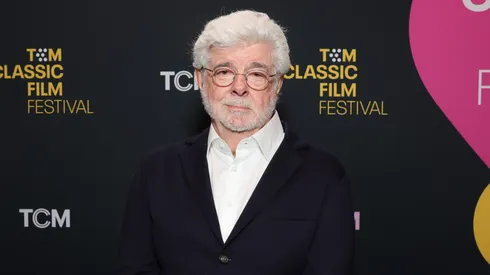
George Lucas completely revolutionized the modern entertainment industry, essentially inventing the summer blockbuster and pioneering incredible visual effects technologies that permanently altered Hollywood production. While he is globally recognized as the prolific creator and visionary producer behind sweeping franchises like Indiana Jones, his actual list of official directorial credits is surprisingly brief.
To honor his special day, we are examining the six theatrical feature films he personally directed over his illustrious career. These unique projects showcase a brilliant, fiercely independent artistic mind that continually pushed the absolute boundaries of cinematic storytelling and digital innovation.
1. THX 1138 (1971)
Expanding upon an award-winning student short, Lucas made his official feature-length directorial debut with this chilling, highly cerebral dystopian thriller. Starring Robert Duvall as a factory worker trapped in a heavily medicated, subterranean society where outlawed emotions lead to brutal persecution, the narrative explores profound themes of authoritarian control. The incredibly stark, white-washed visual aesthetic and terrifyingly clinical sound design successfully established the young filmmaker as a serious, uncompromising artistic voice. It remains a fascinating, deeply experimental glimpse into the complex science fiction interests that predated his mainstream commercial success.
2. American Graffiti (1973)
Pivoting entirely away from cold futurism, the director captured the warm, nostalgic innocence of early-sixties California car culture in this phenomenal coming-of-age classic. The deeply personal narrative follows a group of high school graduates cruising the neon-lit streets of Modesto over one transformative, bittersweet summer night before facing the harsh realities of adulthood. By utilizing a brilliantly curated rock-and-roll soundtrack to drive the overlapping vignettes, he effectively pioneered the modern compilation-driven cinematic experience. This monumental, unexpected financial triumph officially provided him the crucial studio leverage necessary to fund his ultimate space-faring ambition.
3. Star Wars: Episode IV – A New Hope (1977)
This legendary, mythic space opera completely shattered every existing box office record and fundamentally changed the global trajectory of pop culture forever. Drawing heavy inspiration from classic Flash Gordon serials and Akira Kurosawa samurai epics, Lucas crafted a breathtaking universe filled with mystic knights, terrifying space stations, and endearing droids. The groundbreaking motion-control camera work and spectacular practical miniatures executed by Industrial Light & Magic established an unprecedented, staggering standard for visual effects. He successfully delivered an immortal cinematic fairy tale that continues to deeply resonate across countless generations of enthusiastic fans.
4. Star Wars: Episode I – The Phantom Menace (1999)
Returning to the director’s chair after a massive twenty-two-year hiatus, he launched his highly anticipated prequel trilogy to explore the tragic origins of Darth Vader. This incredibly ambitious endeavor pushed digital filmmaking into completely uncharted territory, heavily relying on computer-generated environments and fully animated supporting characters like Jar Jar Binks. While the dense political trade disputes initially polarized longtime viewers, the spectacular podracing sequence and the epic lightsaber battle offered undeniable, edge-of-your-seat thrills. The massive blockbuster proved his unwavering dedication to forcing technological advancements upon a hesitant film industry.
5. Star Wars: Episode II – Attack of the Clones (2002)
Continuing his relentless technological crusade, Lucas shot this sprawling middle chapter using fully digital high-definition cameras, sparking an absolute revolution in cinematic capture methods. The narrative shifts into a classic mystery aesthetic, following Obi-Wan Kenobi through neon-soaked underworlds while simultaneously detailing the forbidden, tragic romance between Anakin Skywalker and Padmé Amidala. The climax features a sprawling, visually staggering gladiatorial arena battle that seamlessly blends thousands of digital elements with live-action performers. It serves as a crucial, visually vibrant narrative bridge that expertly sets the stage for the galaxy’s impending doom.
6. Star Wars: Episode III – Revenge of the Sith (2005)
Concluding his sprawling space saga, the director delivered his darkest, most emotionally devastating theatrical achievement to date with this masterful prequel finale. The harrowing script meticulously documents the agonizing, inevitable fall of the Jedi Order and the tragic transformation of a promising hero into a terrifying cyborg enforcer. The spectacular, lava-drenched final duel between former brothers remains one of the most emotionally charged, visually breathtaking action sequences ever committed to film. It provided an incredibly satisfying, operatic conclusion to his specific cinematic vision, securing his permanent legacy as a legendary world-builder.