The holiday season has long been intertwined with the silver screen, where tales of snow-covered streets, fractured families patched together by goodwill and unexpected miracles play out year after year. From timeless classics to modern gems, certain films transcend mere entertainment to embody the warmth, wonder, and nostalgia that mark the Christmas period.
Across genres and generations, movies like whimsical comedies, heartfelt dramas, and animated adventures remind us of the facets of the season that resonate most. Whether nestled under a blanket with family or revisited alone with a steaming cup of cocoa, these films anchor holiday traditions with stories that feel both timeless and deeply human.
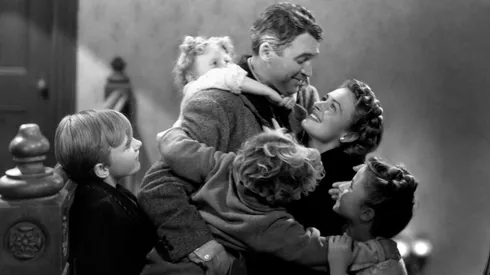
It’s a Wonderful Life (1946)

Frank Capra’s film remains one of the most profound explorations of Christmas ever put on screen, precisely because it avoids easy sentimentality. At its core, the story is about despair, exhaustion and the quiet fear of having lived an insignificant life. George Bailey’s journey reframes success, placing value not on wealth or recognition, but on human connection and sacrifice. The Christmas setting amplifies its themes, turning the holiday into a moment of reckoning rather than celebration. Its final scenes endure because they feel earned, grounded in empathy and communal warmth.
A Christmas Carol (multiple adaptations)
Few narratives are as deeply intertwined with the modern idea of Christmas as Dickens’ A Christmas Carol. Across decades of film adaptations, the story’s moral foundation remains intact: generosity, accountability and the possibility of redemption. Scrooge’s transformation is gradual and painful, shaped by memory, regret and fear. Christmas becomes the catalyst for moral clarity, making the story less about ghosts and more about confronting one’s place in the world. That timeless structure allows each adaptation to resonate with new generations.
Home Alone (1990)
While widely remembered for its physical comedy, Home Alone succeeds because of its emotional grounding. The film taps into childhood anxieties — abandonment, independence and fear — before resolving them through reconciliation and belonging. Set against a festive Chicago backdrop, Christmas becomes both isolating and comforting, amplifying Kevin’s journey. The film’s enduring appeal lies in its balance: chaos gives way to warmth, and humor never overshadows the story’s heart.
Miracle on 34th Street (1947)
This classic approaches Christmas through the lens of belief in a skeptical world. By placing Santa Claus in a courtroom, the film challenges institutions to acknowledge the intangible value of faith, kindness and imagination. Rather than relying on spectacle, it builds its argument through dialogue and character. Christmas emerges as a shared social agreement — something that exists because people choose to believe in it together.
The Polar Express (2004)
Robert Zemeckis’ animated film captures a fleeting emotional state: the moment when belief begins to waver. Through its dreamlike train journey, The Polar Express explores doubt, wonder and the quiet courage required to hold onto faith. Its snowy landscapes and measured pacing mirror the internal uncertainty of its characters. Christmas is portrayed not as a fixed truth, but as something chosen — a belief carried forward despite uncertainty.
Elf (2003)
Beneath its broad humor and colorful tone, Elf delivers a sincere meditation on optimism. Buddy’s unfiltered joy stands in stark contrast to a world shaped by routine and cynicism. The film positions Christmas as a mindset rather than a tradition, suggesting that sincerity itself is a radical act. Its emotional impact comes from watching joy survive in places where it seemingly doesn’t belong.
Love Actually (2003)
Instead of idealizing Christmas, Love Actually embraces its emotional contradictions. Through intersecting stories, the film explores love as complicated, fragile and often unspoken. The holiday season acts as an emotional accelerator, forcing confessions, reunions and heartbreak. Its strength lies in acknowledging that Christmas can be both joyful and painful — and that both experiences are equally human.
The Muppet Christmas Carol (1992)
This adaptation achieves something rare: it preserves the emotional weight of Dickens’ story while making it accessible across generations. Humor softens the edges without dulling the message. Michael Caine’s earnest performance anchors the film, ensuring that redemption remains central. Christmas here is playful but purposeful, reinforcing why the story continues to matter.
Klaus (2019)
Klaus offers a modern, visually striking interpretation of Christmas mythology. Its narrative reframes kindness as something built through effort rather than miracles. Through carefully paced storytelling, the film allows generosity to emerge organically, giving emotional weight to its conclusion. Christmas becomes an evolving idea, shaped by human choice and cooperation.
The Bishop’s Wife (1947)
Quiet and understated, The Bishop’s Wife captures Christmas through intimacy rather than spectacle. Its focus on patience, love and understanding reflects a mature view of the holiday. Rather than grand gestures, the film celebrates small acts of grace that restore faith in relationships. Its restrained tone makes its message linger long after the final scene.