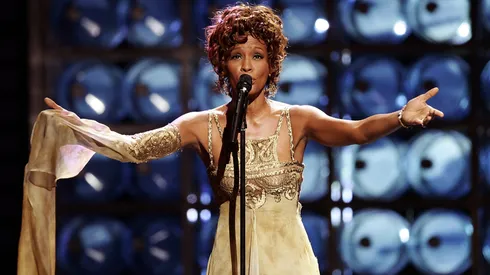
By marrying pure gospel vocal roots with polished pop sensibilities, she established a new template for how a modern solo artist could operate across radio, film, and fashion.
Her impact was structural, creative, and socio-cultural, opening doors that had previously been shut to Black female entertainers.
The Blueprint for Modern Vocal Technique
Before Houston’s arrival, pop music and R&B often operated in separate vocal spheres. Houston fused them seamlessly. Raised singing in the choir at New Hope Baptist Church in Newark, she brought church-honed melisma, dynamic breath placement, and emotional resonance to mainstream commercial formats.
Rather than using vocal tricks as mere ornament, her runs were always anchored in pitch perfection and dramatic intent. Her phrasing established a brand-new vocal standard, inspiring an entire generation of performers—including Mariah Carey, Celine Dion, Beyoncé, Brandy, and Jennifer Hudson—who built their own vocal approaches around her groundwork.
Dismantling Television and Fashion Barriers
Prior to 1985, Black women faced significant systemic resistance across mainstream television and fashion media. Before launching her recording career, Houston broke barriers as one of the first Black women to appear on the cover of Seventeen magazine.
When her self-titled album dropped, her vibrant visual aesthetic and undeniable charisma forced cable outlets like MTV to re-examine their programming policies. Her music videos did not just air in heavy rotation; they dominated the network’s visual language, paving the way for crossover success for women of color across television and fashion endorsements.
Revolutionizing the Hollywood Soundtrack
Houston’s cultural imprint extended well past the recording booth and into the film industry. When she made her acting debut in 1992’s The Bodyguard, critics questioned whether a pop vocalist could lead a major studio romantic drama. The film became a runaway global box-office success, and its companion album remains the best-selling soundtrack of all time.
She repeated this feat with Waiting to Exhale (1995) and The Preacher’s Wife (1996). By curating and executive producing soundtrack slates that championed Black female artists, writers, and producers, Houston proved that projects centered on Black women could dominate global cinema and dominate album charts simultaneously.