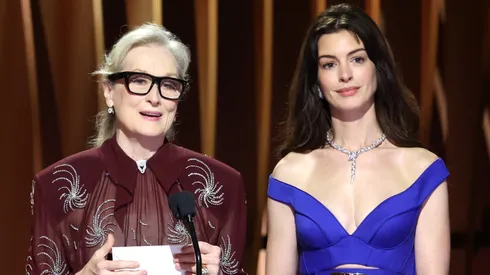
As the fashion world braces for the highly anticipated release of The Devil Wears Prada 2, the sequel is already generating headlines for reasons that extend beyond its all‑star cast and glossy runway spectacle.
In a revelation that underscores the cultural conversations swirling around beauty standards, Oscar winner Anne Hathaway reportedly insisted that producers avoid casting models with “alarmingly thin” physiques, according to Meryl Streep.
Anne Hathaway’s Push for Healthier Representation in the Sequel
Behind the gloss of couture and the buzz of runway cameras, The Devil Wears Prada 2 has become a surprisingly pointed cultural moment, not just for fashion fans but for the way Hollywood engages with ongoing debates about body image.
During an interview about the film’s production in Harper’s Bazaar, Meryl Streep recounted how Anne Hathaway, her co‑star and longtime collaborator, was so struck by the “alarmingly thin” models she saw at Milan Fashion Week that she took immediate action.
According to Streep, Hathaway “made a beeline” to the movie’s producers and secured a promise that the models cast for the fictional Runway magazine’s fashion show scenes would not appear “so skeletal”, a stance Streep described with admiration.

This intervention is notable for its timing and context. The Devil Wears Prada 2, set to premiere on May 1, 2026 — almost 20 years after the original became a cultural touchstone — reunites the franchise’s key players, including Meryl Streep as Miranda Priestly and Hathaway as Andy Sachs, in a world where conversations about health and representation have become more urgent.
While the original film’s fashion scenes reflected the industry standards of their era, Hathaway’s request signals a subtle shift, aligning the sequel’s on‑screen aesthetics with broader cultural shifts that critique unrealistic body norms.
Streep’s praise for Hathaway’s initiative, calling her co‑star “a stand‑up girl”, underscores not only their off‑screen rapport but also how creative voices within a major studio production can influence the portrayal of fashion’s image politics.