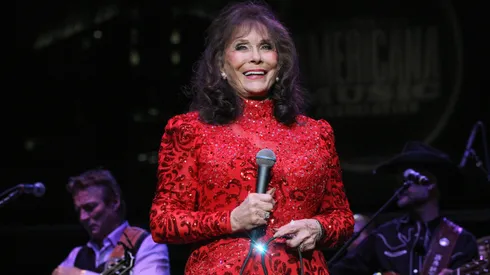
On what would have been her birthday, the legacy of Loretta Lynn feels less like a memory and more like a living archive of country music’s most defiant voice. Rising from rural Kentucky to the Grand Ole Opry stage, she didn’t just sing about love and heartbreak—she wrote about Infidelity and working-class womanhood at a time when those subjects were rarely given space in the genre.
Coal Miner’s Daughter
The autobiographical anthem of Loretta Lynn stands as one of the most defining recordings in country music history. Released in 1970, the song traces her upbringing in rural Kentucky, painting a vivid picture of poverty, family life, and resilience in a coal-mining community. It quickly became her signature hit, reaching No. 1 on the country charts and later inspiring both a bestselling memoir and an Oscar-winning biopic of the same name.
What makes the track endure is not only its storytelling, but its unfiltered honesty. Lynn originally wrote far more material than what made it to the final recording, but even in its shortened form, it captured a lived experience rarely heard in mainstream country at the time. The imagery of hardship—oil lamps, worn hands, and Appalachian life—helped redefine what country music could represent emotionally and socially.
You Ain’t Woman Enough (To Take My Man)
Released in 1966, this early breakthrough established Loretta Lynn’s fearless voice in country music. Written by Lynn herself, the song became one of her first major hits and is widely considered a signature track in her catalog. It introduced audiences to her sharp, confrontational style, centered on themes of jealousy, loyalty, and female defiance.
Beyond its chart success, the song marked a turning point in how women were portrayed in country storytelling. Instead of passive heartbreak, Lynn delivered confrontation and confidence, directly addressing rivalry and emotional power dynamics. The track’s attitude helped shape her identity as an artist unafraid to speak plainly about relationships from a woman’s perspective.
The Pill
Released in 1975, The Pill became one of Loretta Lynn’s most controversial songs, addressing birth control and female autonomy at a time when such topics were rarely discussed in country music. Its candid lyrics sparked backlash from conservative radio stations, with many refusing to play it despite its popularity among listeners.
The song’s significance lies in how it pushed the boundaries of subject matter in mainstream country. Lynn framed reproductive freedom through everyday storytelling, reflecting the realities of married life and motherhood. Even though it faced censorship, it later became recognized as a landmark moment in the genre’s evolution toward more socially conscious themes.
Don’t Come Home A-Drinkin’ (With Lovin’ on Your Mind)
This 1967 hit became Loretta Lynn’s first No. 1 country single and solidified her as a leading voice in Nashville. The song deals with marital frustration, specifically addressing a partner’s drinking and emotional neglect, delivered with blunt honesty rather than subtle metaphor.
What made the track resonate was its directness and relatability. Rather than romanticizing relationships, Lynn highlighted domestic tension in a way that reflected real experiences for many women at the time. Its success helped establish her reputation for writing songs that challenged traditional portrayals of marriage in country music.
Fist City
Released in 1968, Fist City intensified Loretta Lynn’s bold persona, presenting a narrative of confrontation and territorial loyalty. The song warns a romantic rival in an unapologetic tone, blending humor with aggression in a way that stood out in country music storytelling of the era.
Its impact went beyond novelty—it reinforced Lynn’s identity as an artist who gave voice to female assertiveness in relationships. The track’s fiery delivery and straightforward language made it a fan favorite and a defining example of her early songwriting style, rooted in real-life emotions and direct communication.
Rated “X”
Released in 1972, Rated “X” tackled the social stigma faced by divorced women, a subject rarely addressed in mainstream country at the time. The song quickly reached No. 1 on the country charts and sparked conversation due to its frank portrayal of judgment and double standards.
Lynn used the track to highlight how society labeled women differently after divorce, especially in conservative environments. Its blunt title and lyrics made it both provocative and groundbreaking, reinforcing her reputation for addressing topics others avoided. Over time, it became one of her most significant socially reflective works.
Love Is the Foundation
Released in 1973, this song showcased a softer, more reflective side of Loretta Lynn’s catalog. It reached No. 1 on the country charts and demonstrated her ability to balance emotional vulnerability with commercial success during a highly competitive era in Nashville.
Unlike her more confrontational hits, this track leans into emotional grounding and romantic stability. Its lyrical approach highlights love as a stabilizing force rather than a conflict point, offering contrast within her broader body of work. This balance helped broaden her appeal across different country audiences.
Louisiana Woman, Mississippi Man (with Conway Twitty)
This 1973 duet with Conway Twitty became one of country music’s most iconic collaborations. The song plays on geographic separation between two lovers, using playful dialogue and strong vocal chemistry to build its narrative.
The track became a major country hit and marked the beginning of one of the genre’s most successful duet partnerships. Their contrasting vocal styles created a dynamic balance that resonated with audiences, leading to a long series of collaborative hits throughout the decade.
One’s on the Way
Written by Shel Silverstein and released in 1971, this song presents a humorous yet realistic snapshot of motherhood and domestic chaos. It reflects the experience of a woman overwhelmed by daily responsibilities while living in a traditional family setting.
The storytelling connects directly to Loretta Lynn’s own life experiences as a young mother. Its conversational tone and relatable imagery made it a standout track, offering a lighter but still insightful commentary on everyday womanhood in rural America.
You’re Lookin’ at Country
Released in 1971, this track serves as a proud declaration of identity, emphasizing authenticity and rural roots. It reinforces Loretta Lynn’s image as an artist deeply connected to traditional country values while still evolving within the genre.
The song became a statement piece in her catalog, celebrating simplicity and cultural pride at a time when country music was increasingly crossing into mainstream pop influence. Its straightforward message helped solidify her reputation as an unapologetic representative of her background and style.